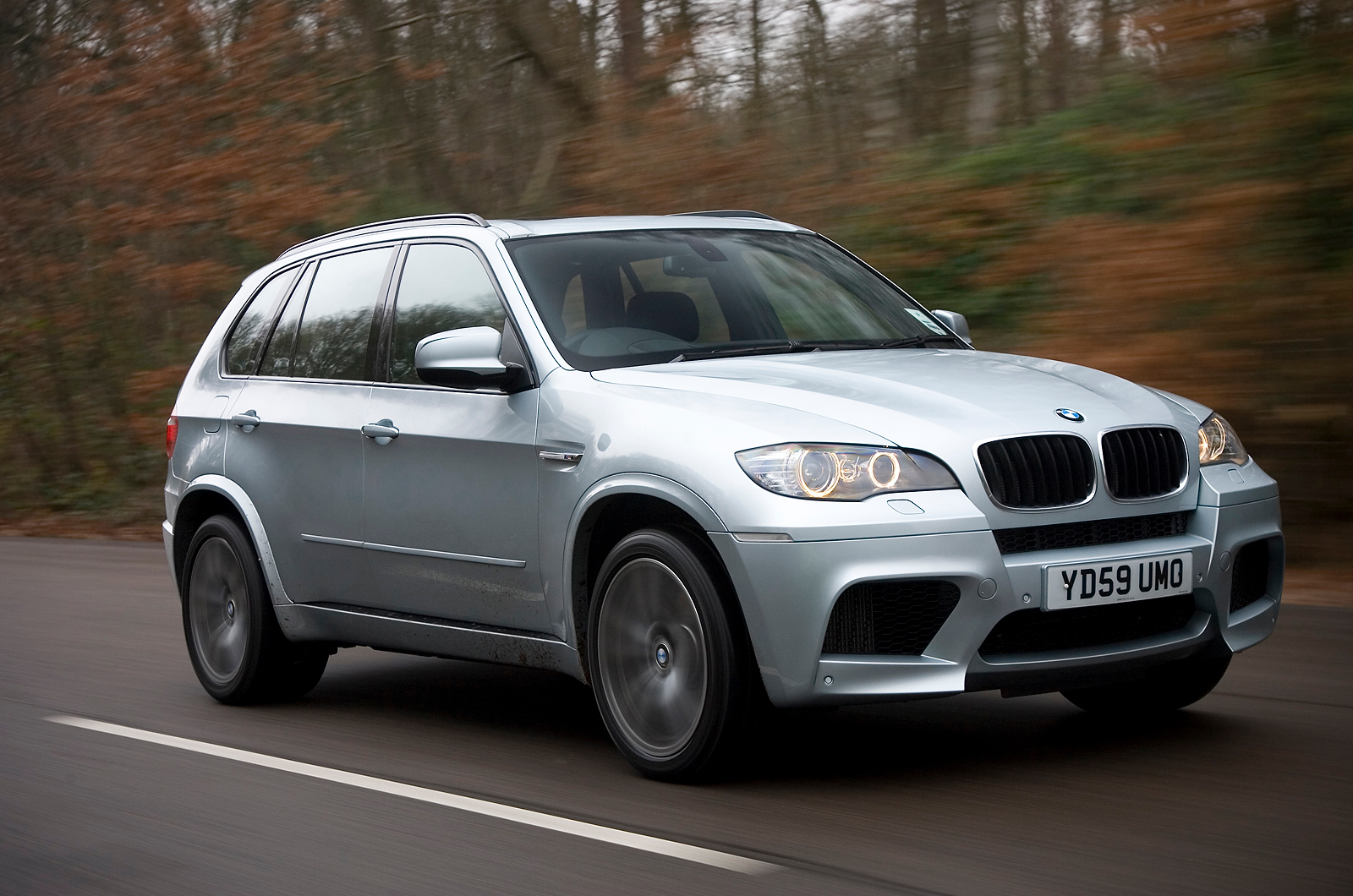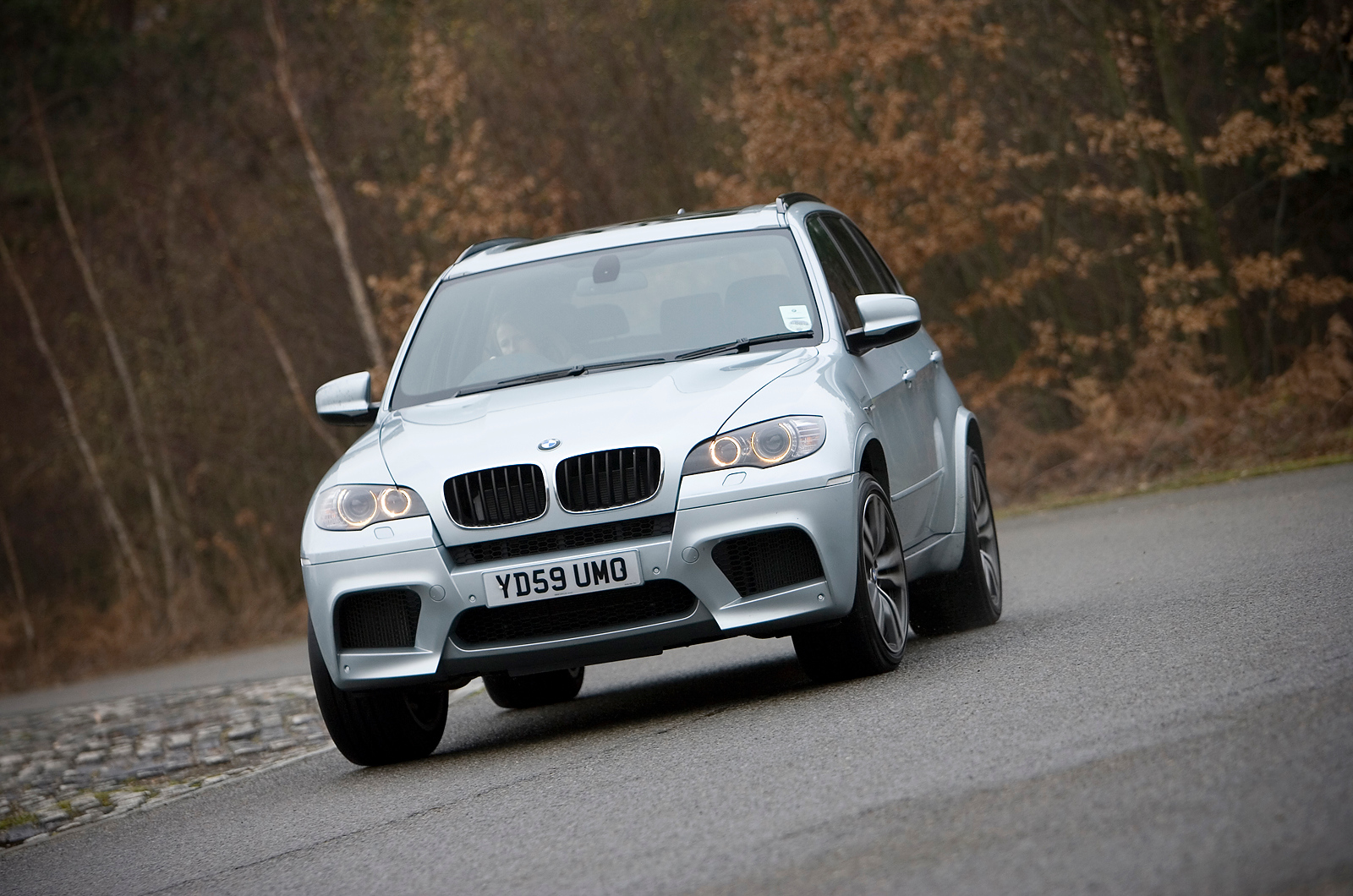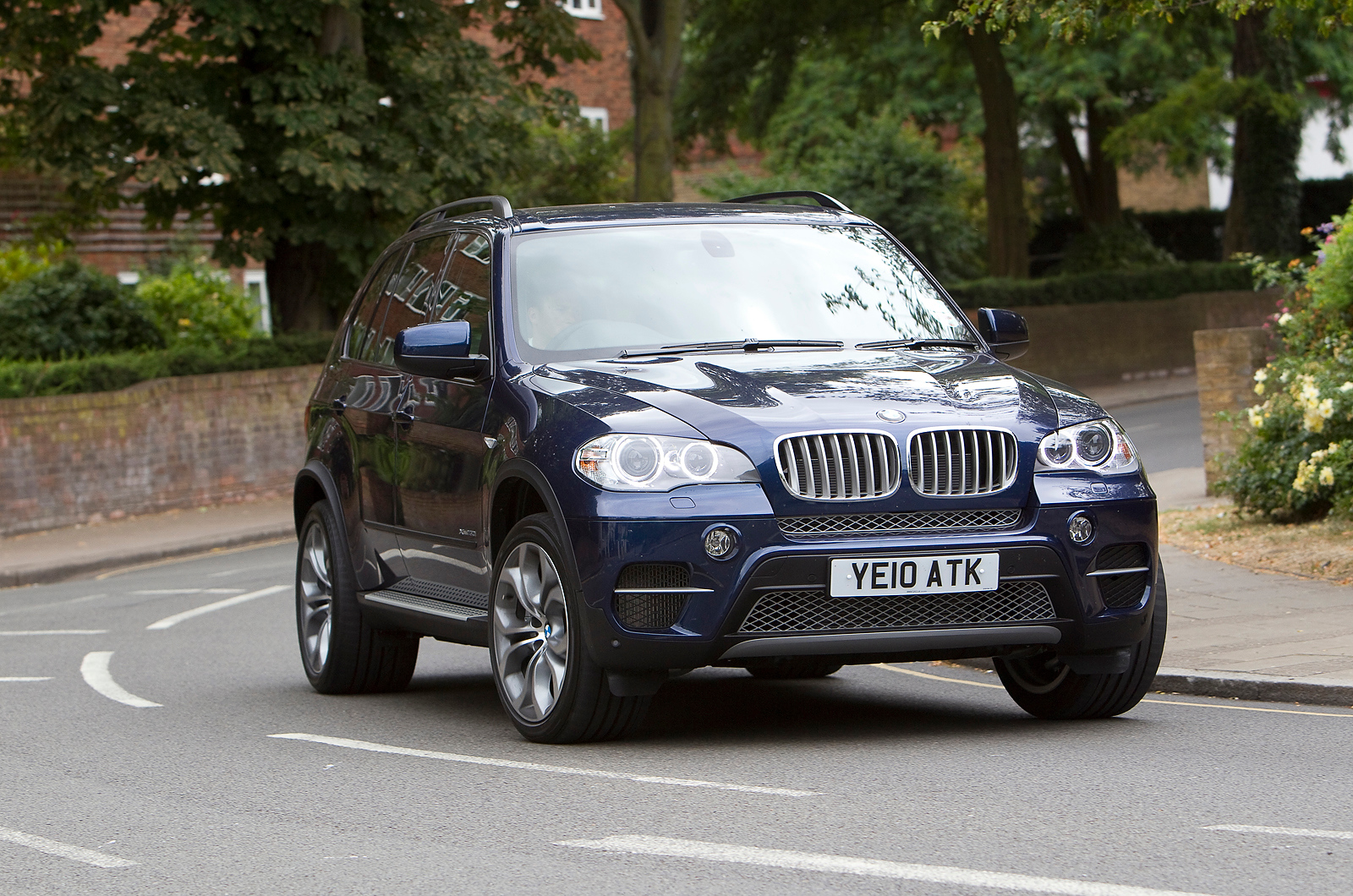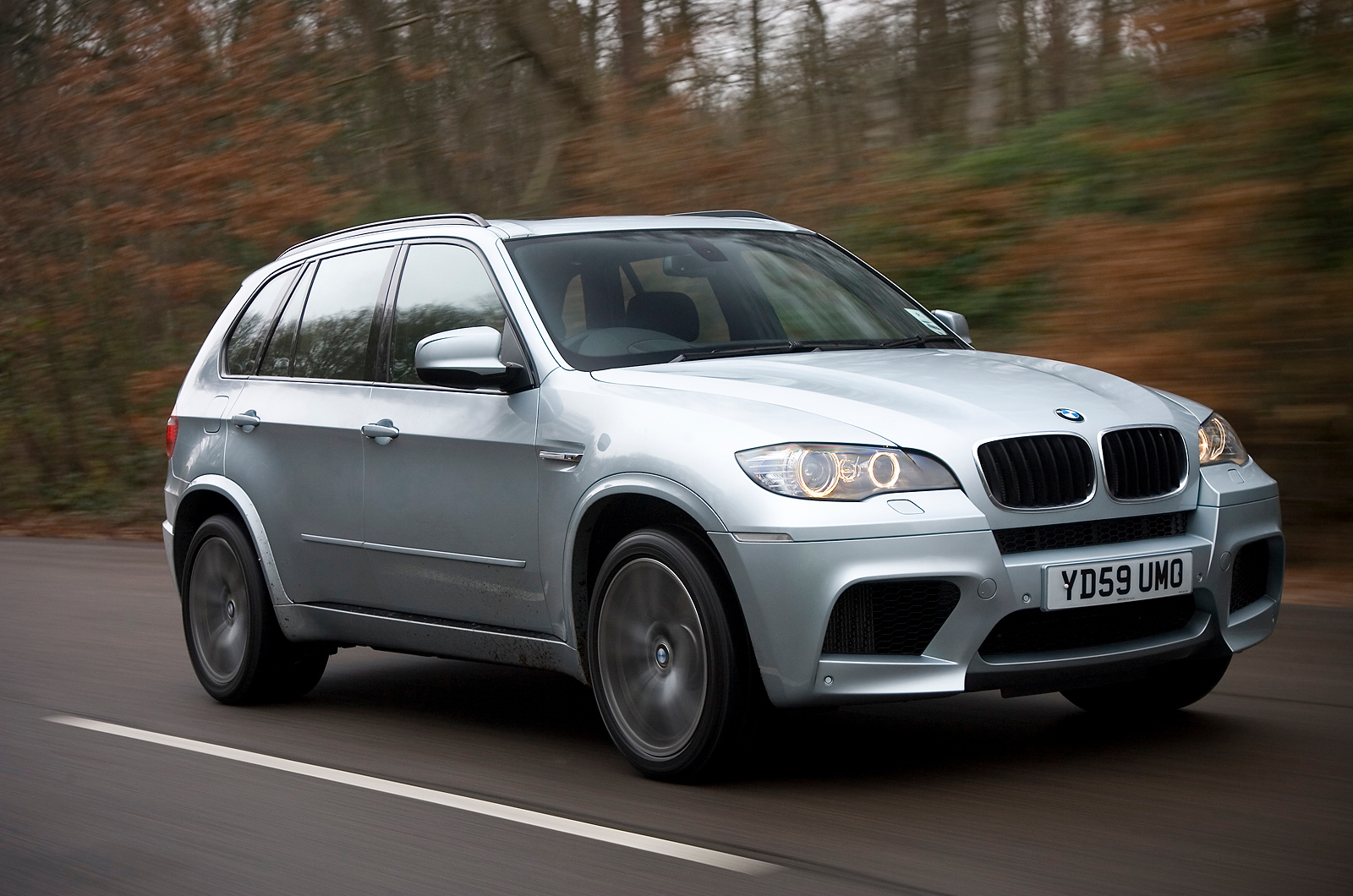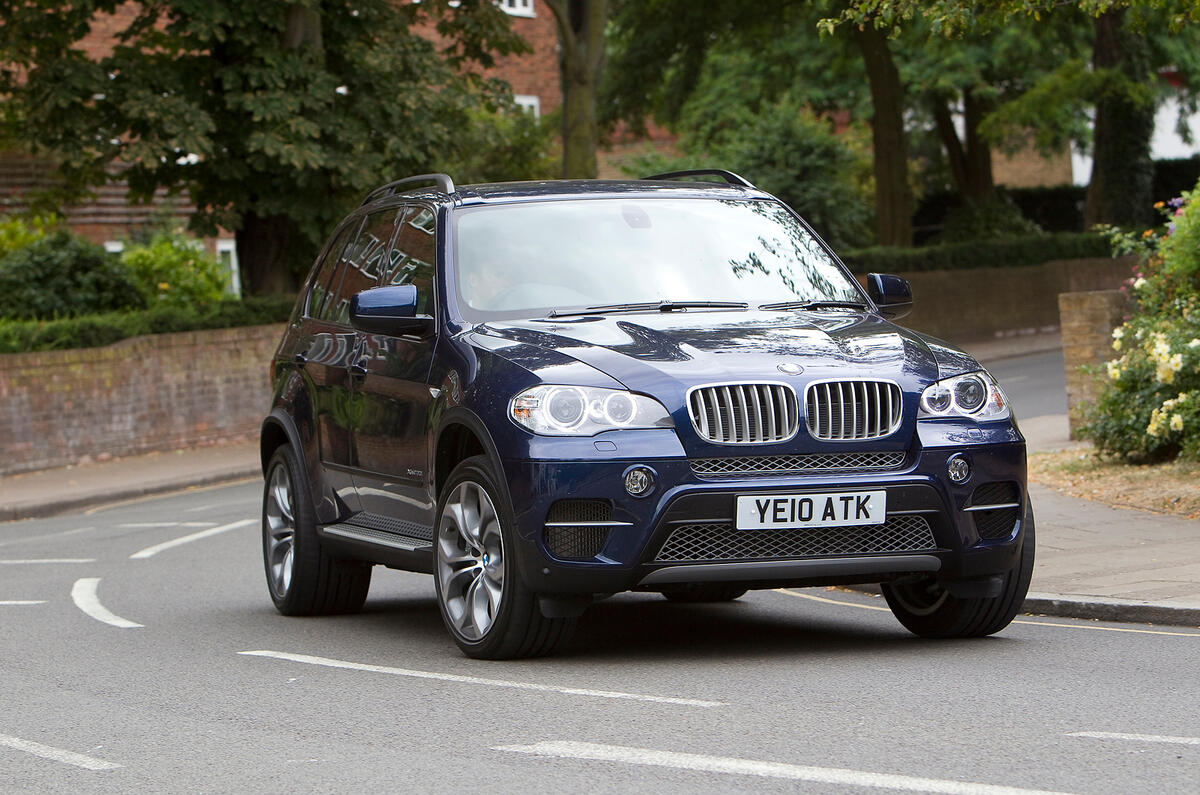


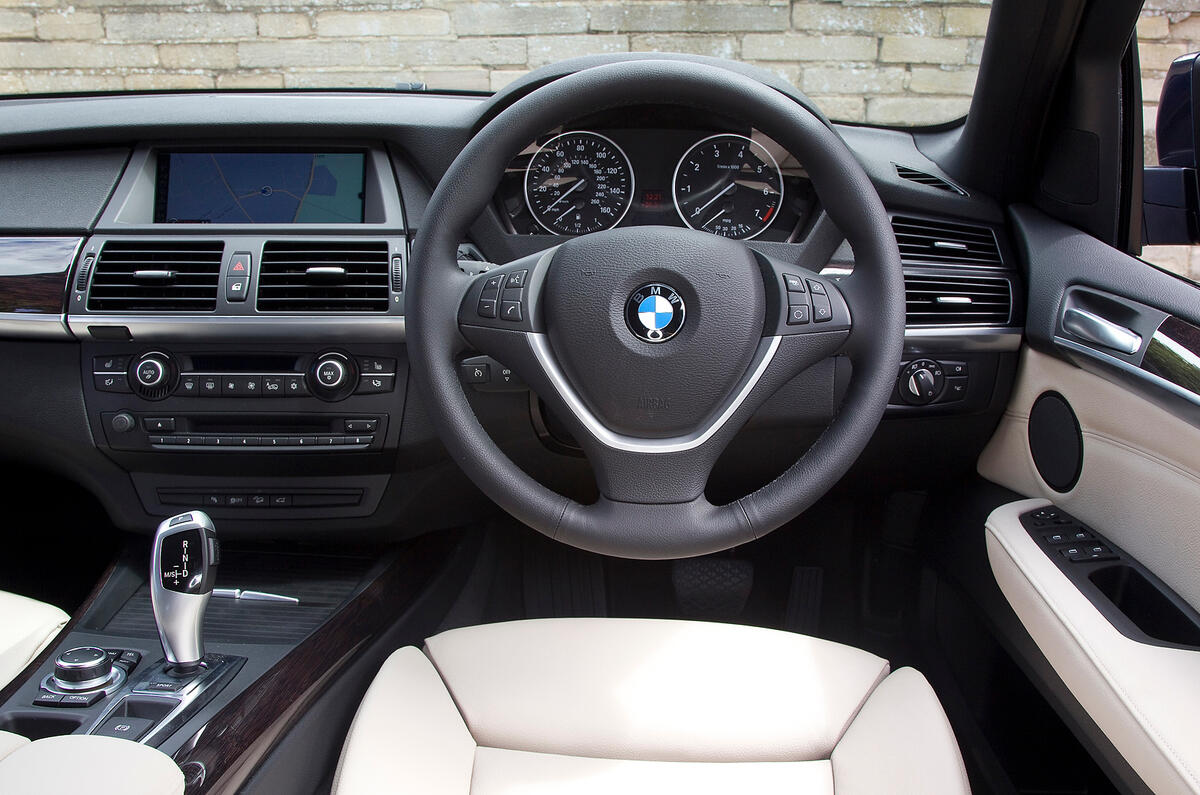


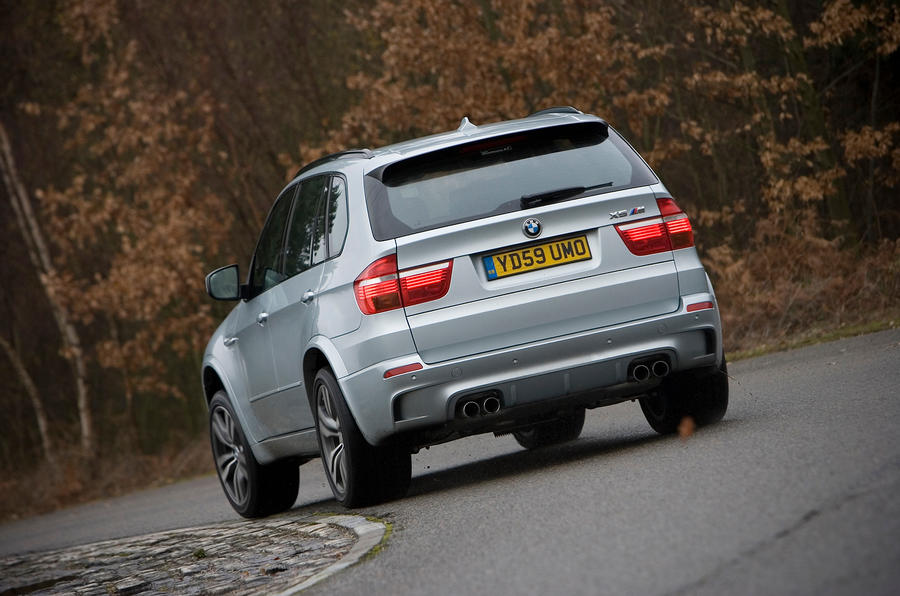



Since its launch in 2007, the second-generation BMW X5 has defined its segment in the same way that its predecessor did.
BMW’s big luxury SUV may have been knocked off the top spot in our top five list by the likes of the second-generation Porsche Cayenne, but it’s hard not to continually refer back to the X5 when looking for a benchmark against which to judge other vehicles of this type, such is the breadth and depth of its abilities.
Prior to the arrival of the current Porsche Cayenne, the X5 was generally regarded as the best car in its class dynamically, and even now there’s not a great deal between the two.
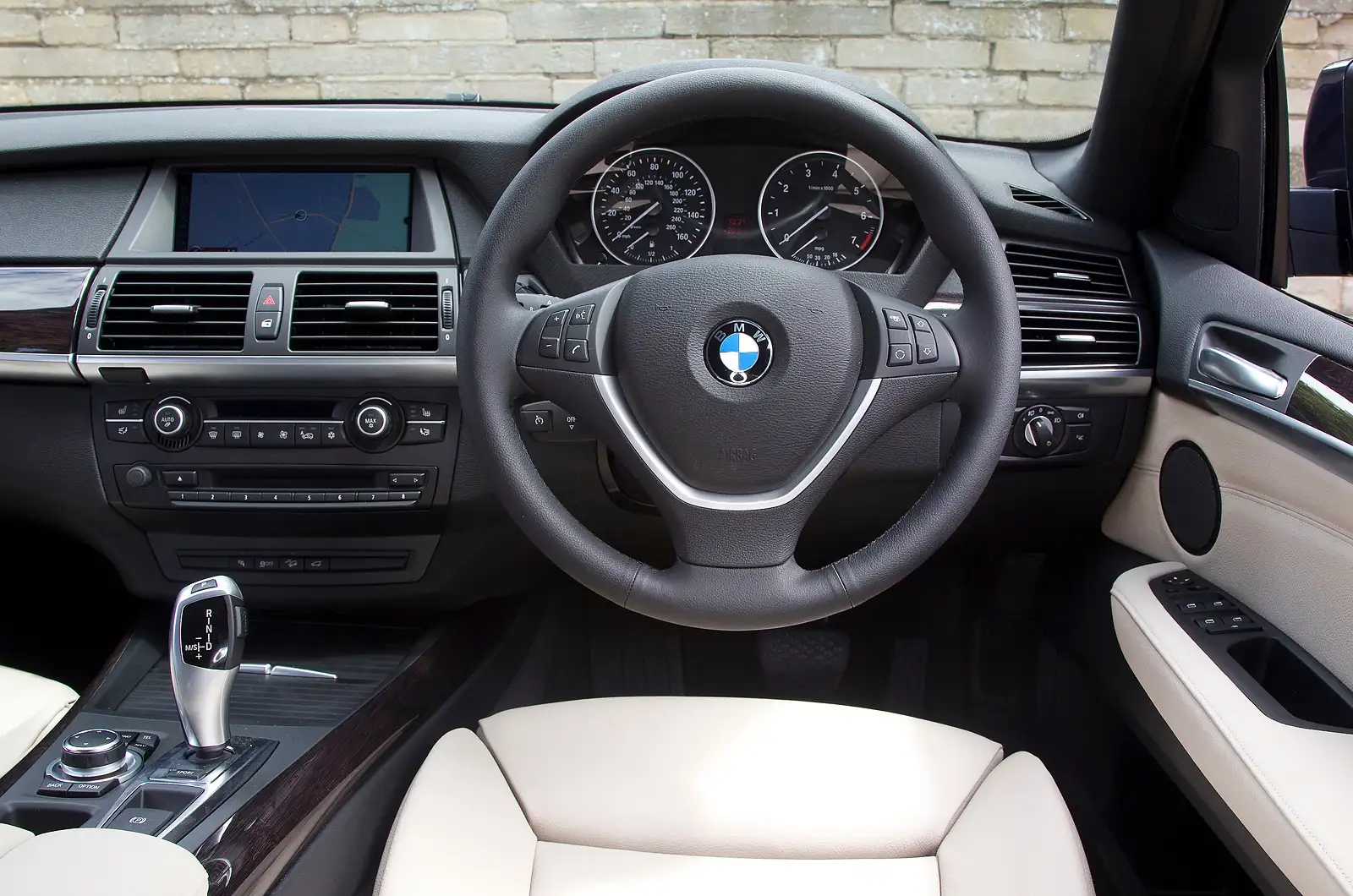
As well as riding and handling in a sophisticated and capable manner, the X5 is refined and comfortable, relatively economical, roomy inside and, unlike its predecessor (and the Cayenne), offers buyers the option of seven seats, so it’s easy to see why it has been such a popular choice with families looking for a big premium 4x4.
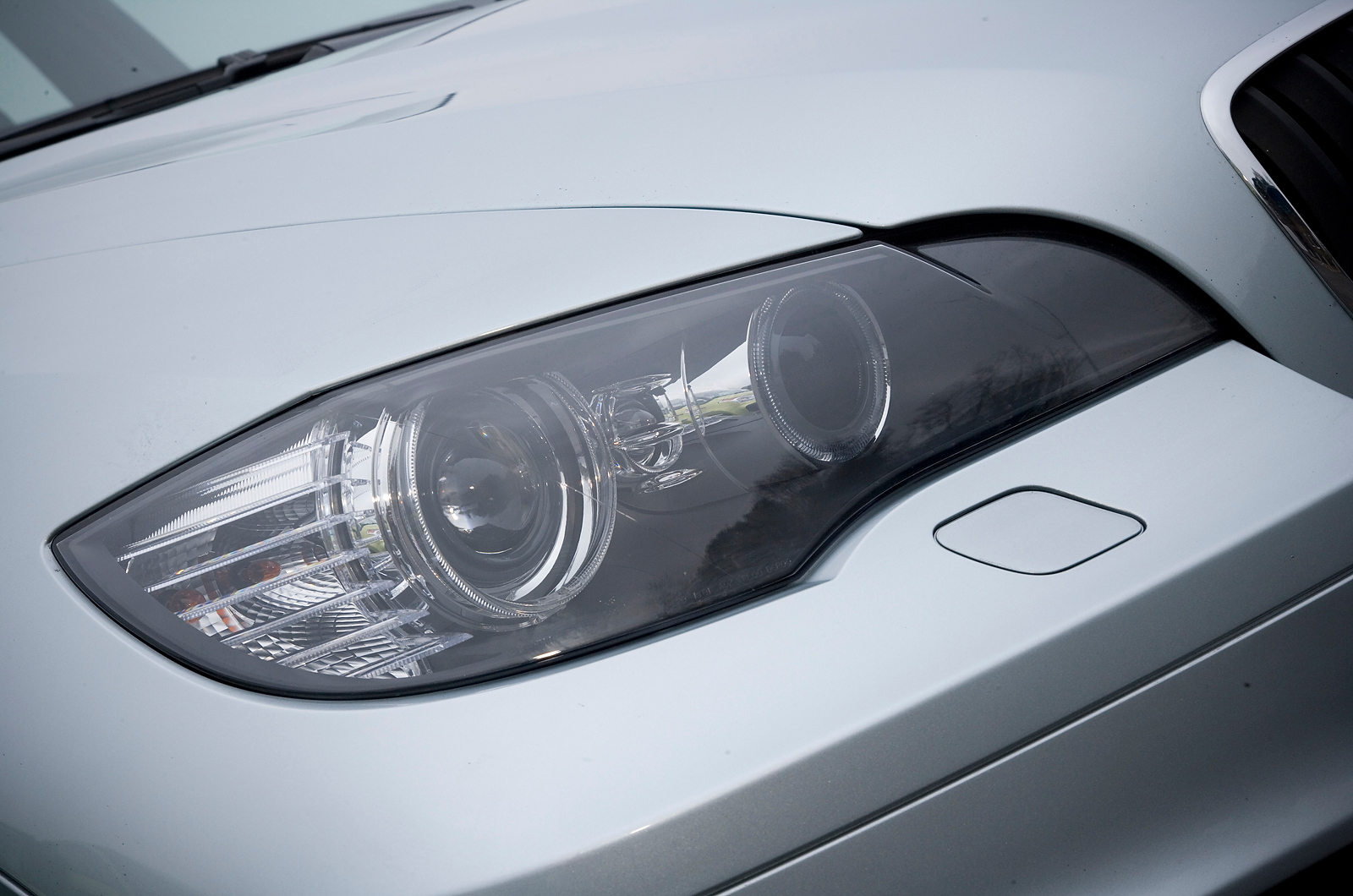
The Mk2 BMW X5 was given a subtle mid-life makeover in 2010, with some mild styling changes, minor chassis revisions, an extended list of options and an expanded range of engines, including a revolutionary triple-turbo diesel in the X5 M50d, a high-performance model that kicked off BMW’s new M Performance sub-brand in the UK (along with the BMW X6 M50d with the same powerplant).
Although BMW doesn’t offer any frugal four-cylinder engines in the X5 (as Mercedes does in the M-Class), the X5’s six-cylinder diesels are among the most efficient in the class, and all are linked to an eight-speed ZF automatic gearbox.