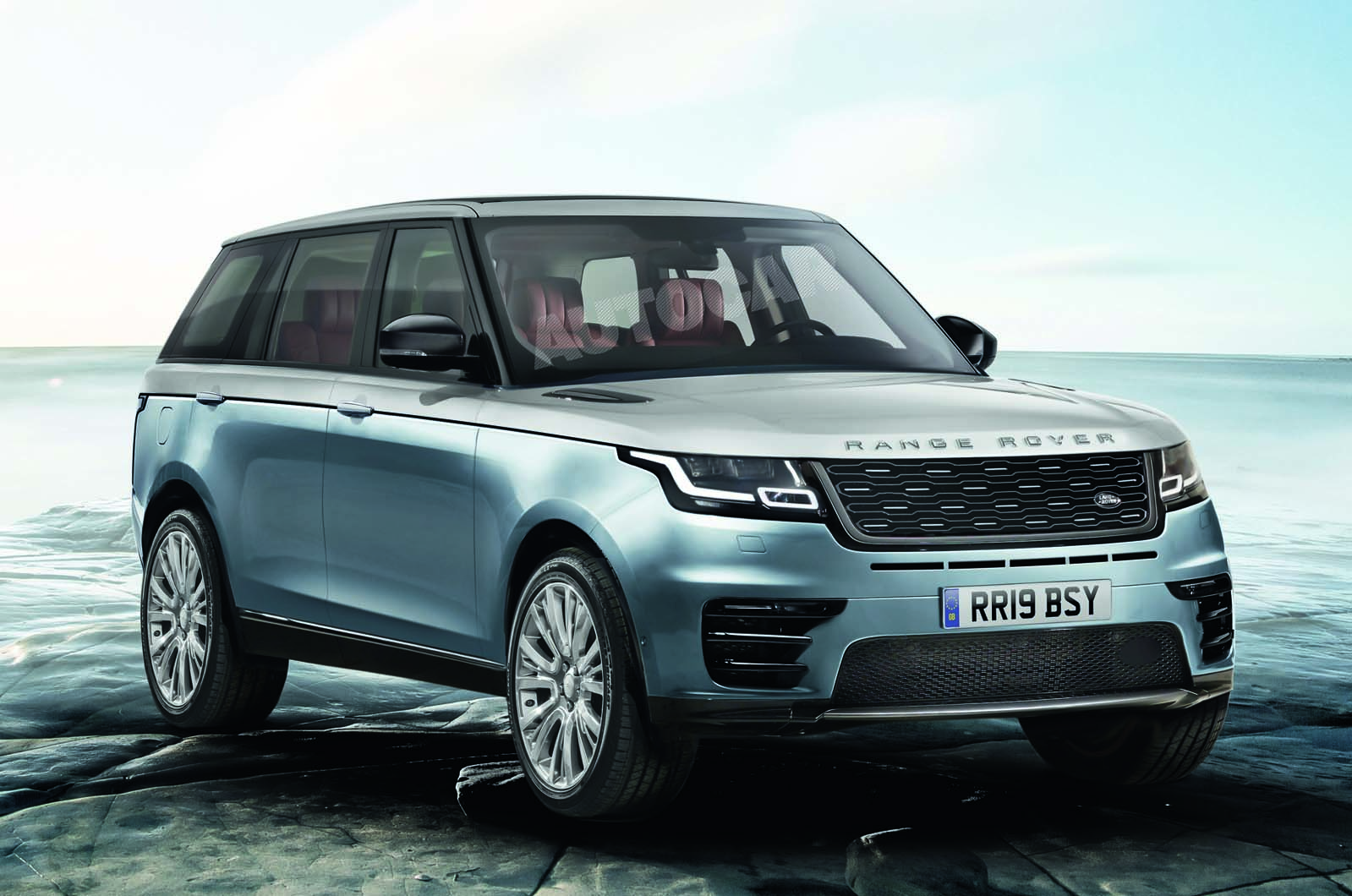
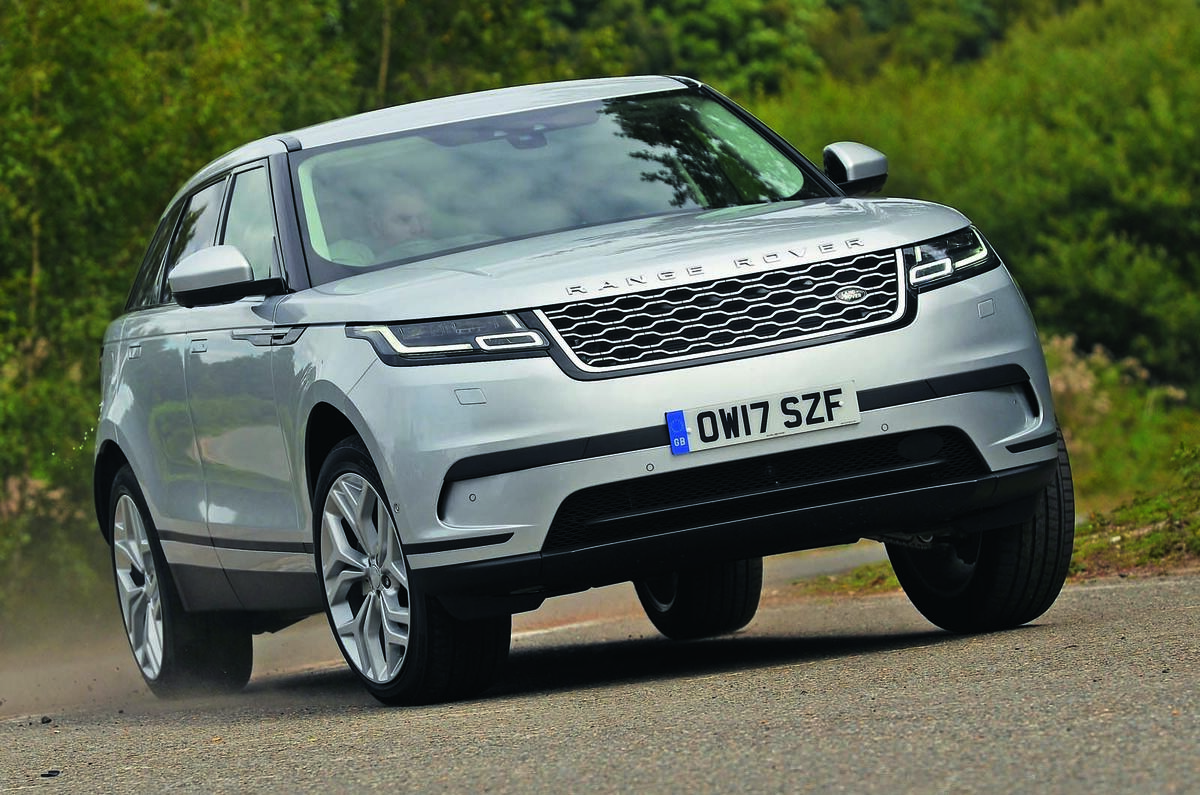


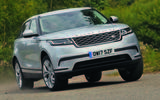
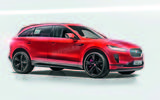
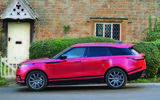
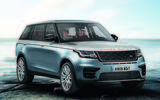

Jaguar Land Rover (JLR) has embarked on a massive programme of investment in new models that will enable the company to expand its line-up by four new or returning nameplates by 2023, launch 99 new model variants and replace every current model by 2024.
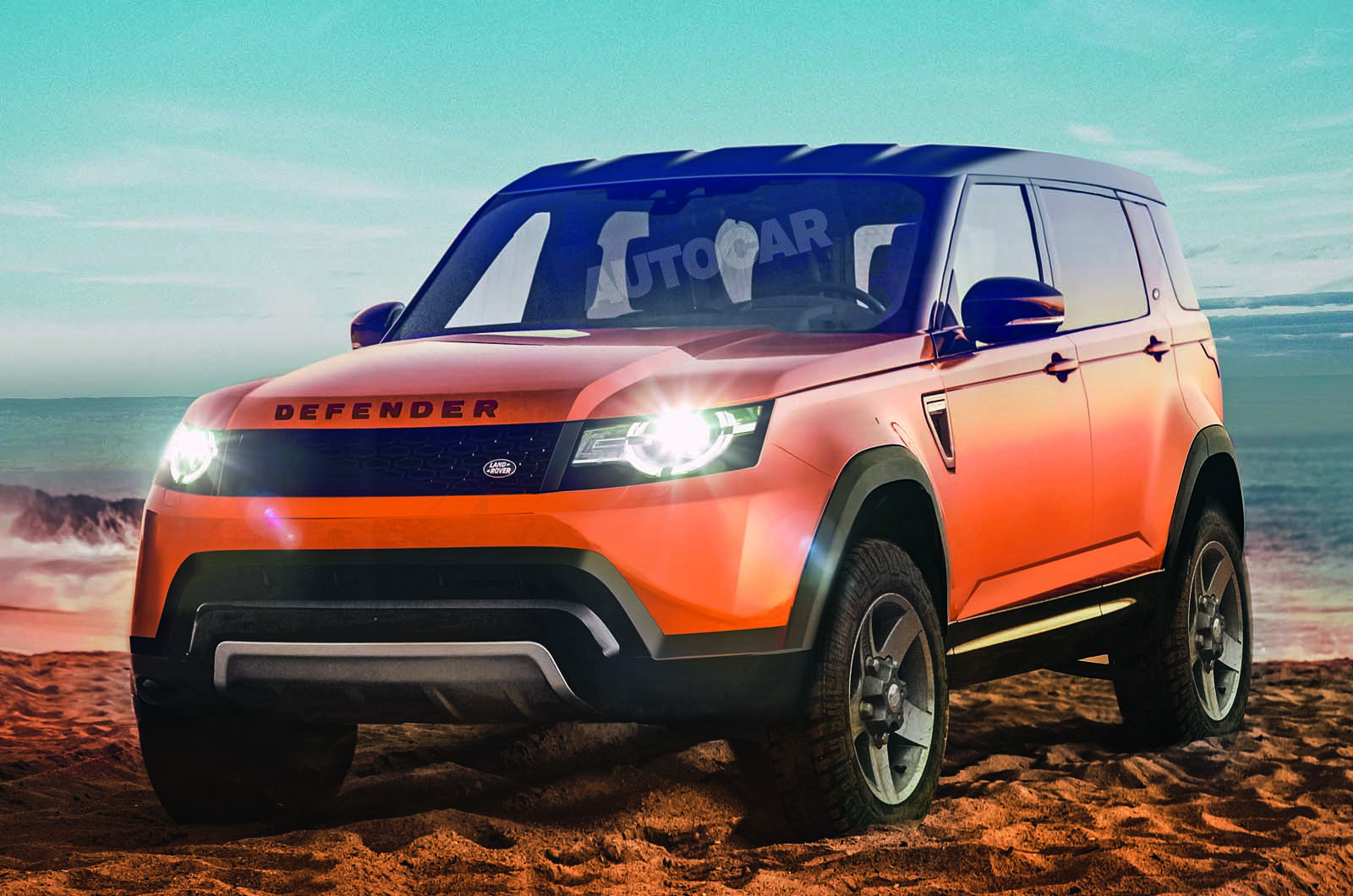
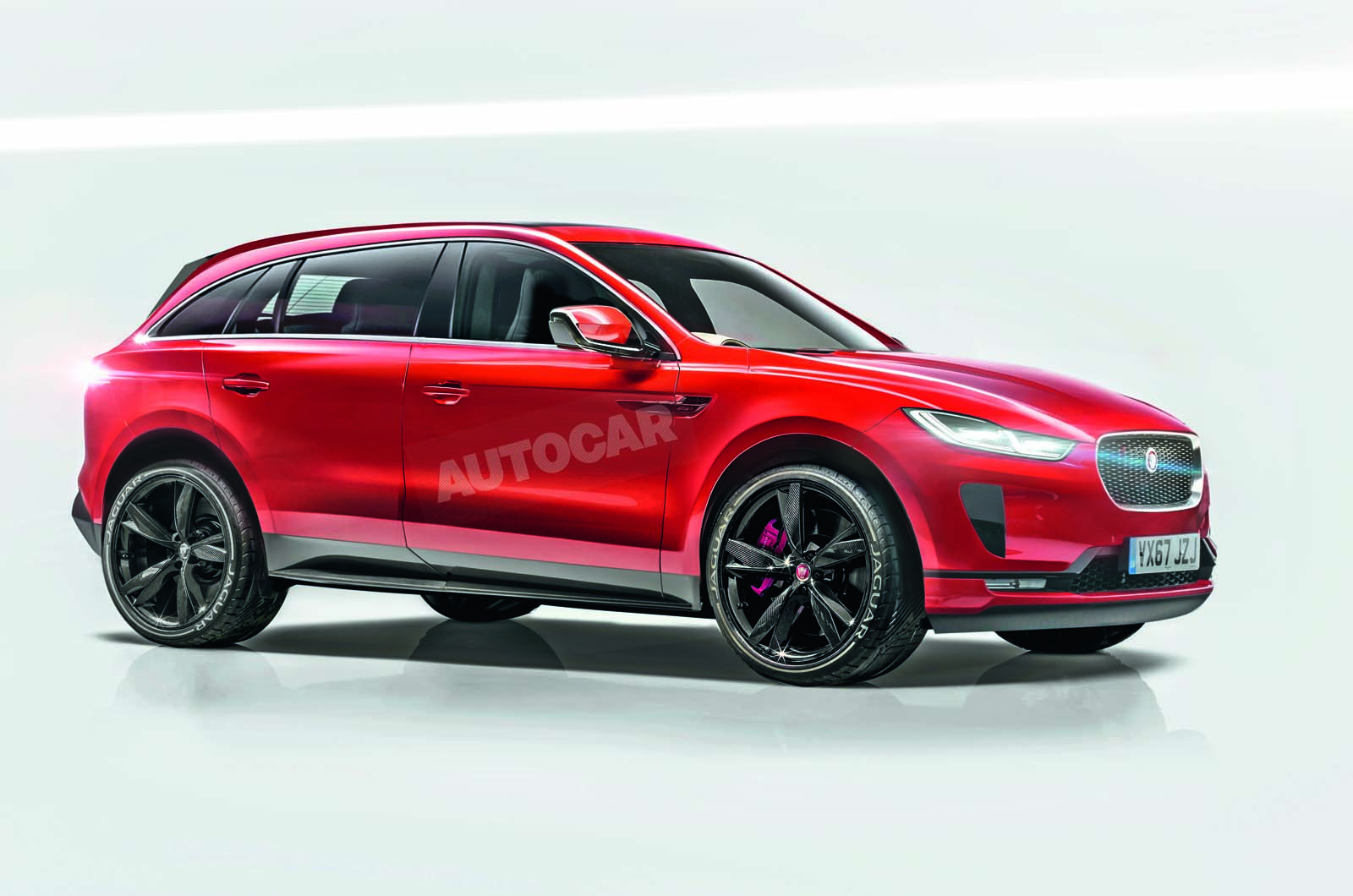
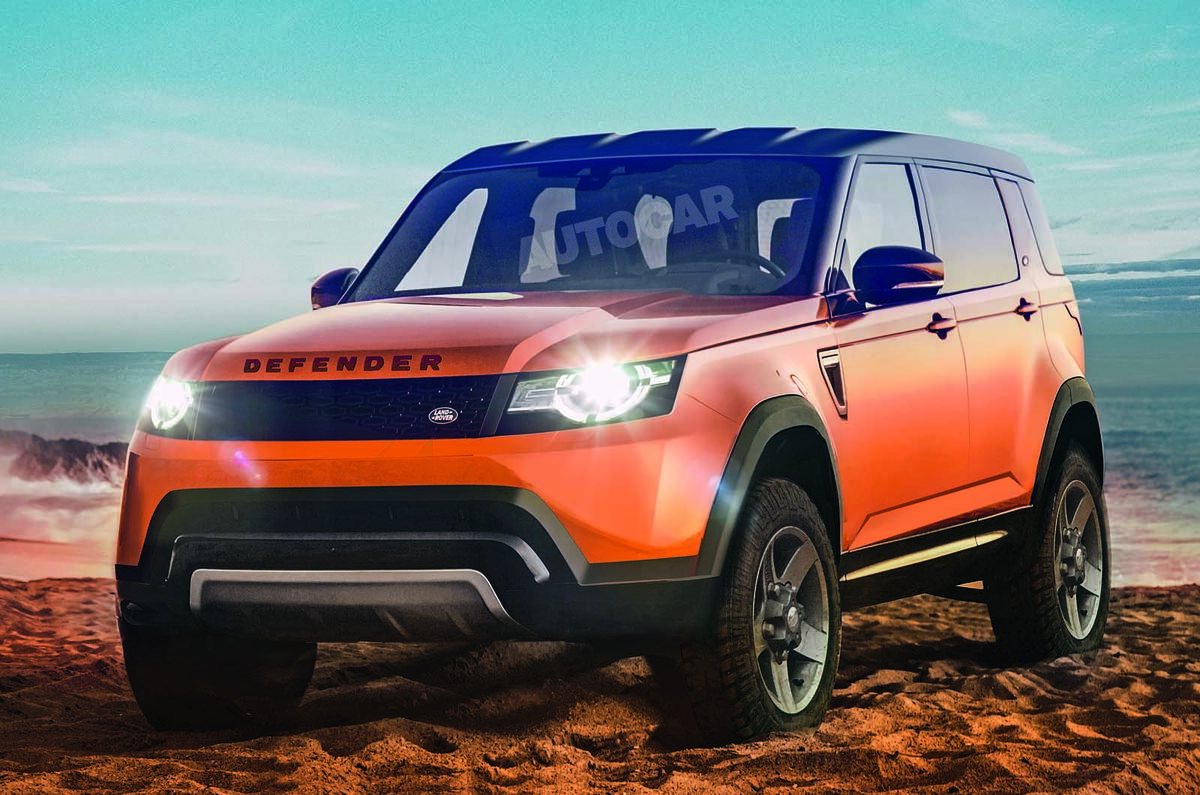
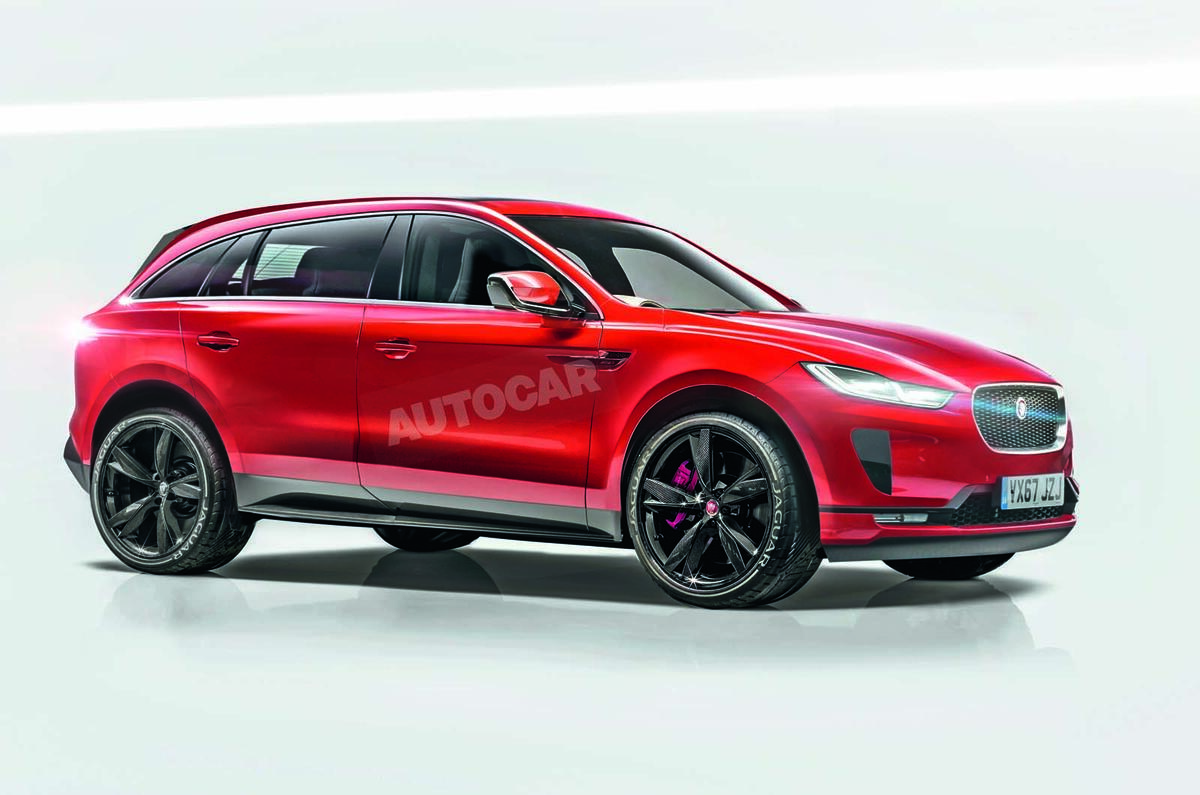
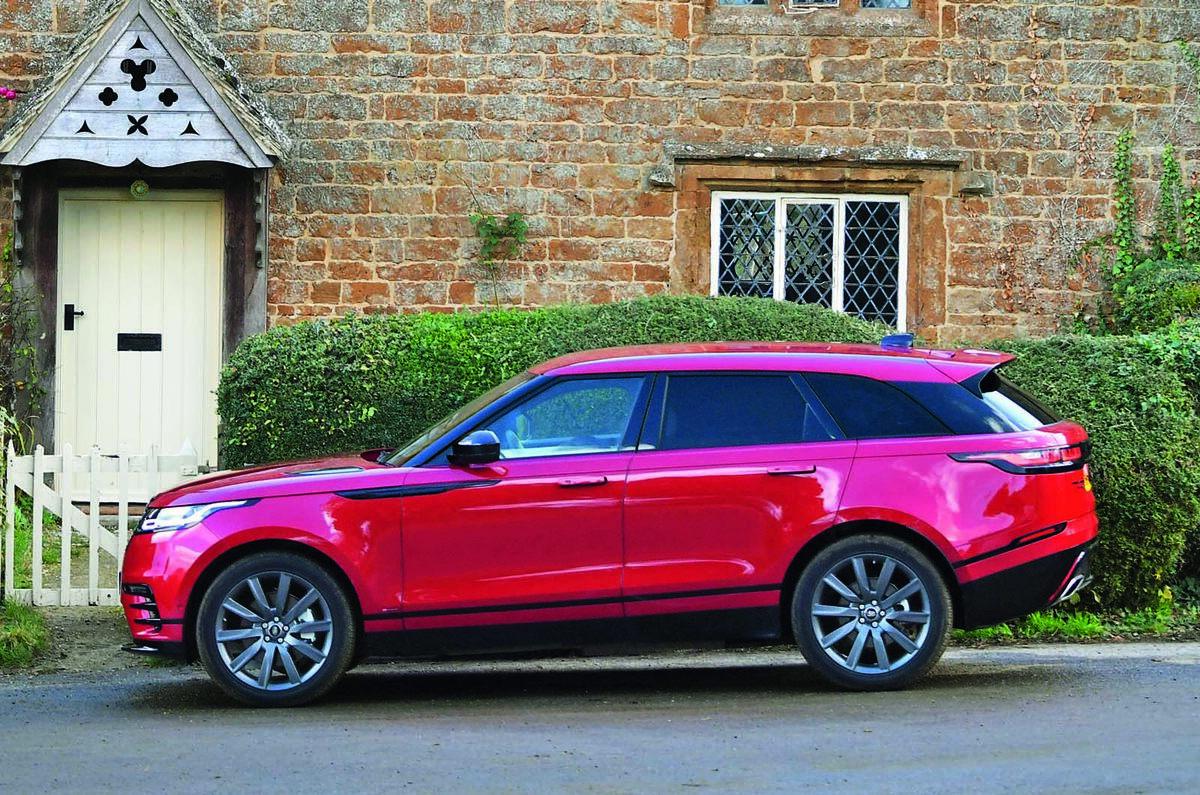
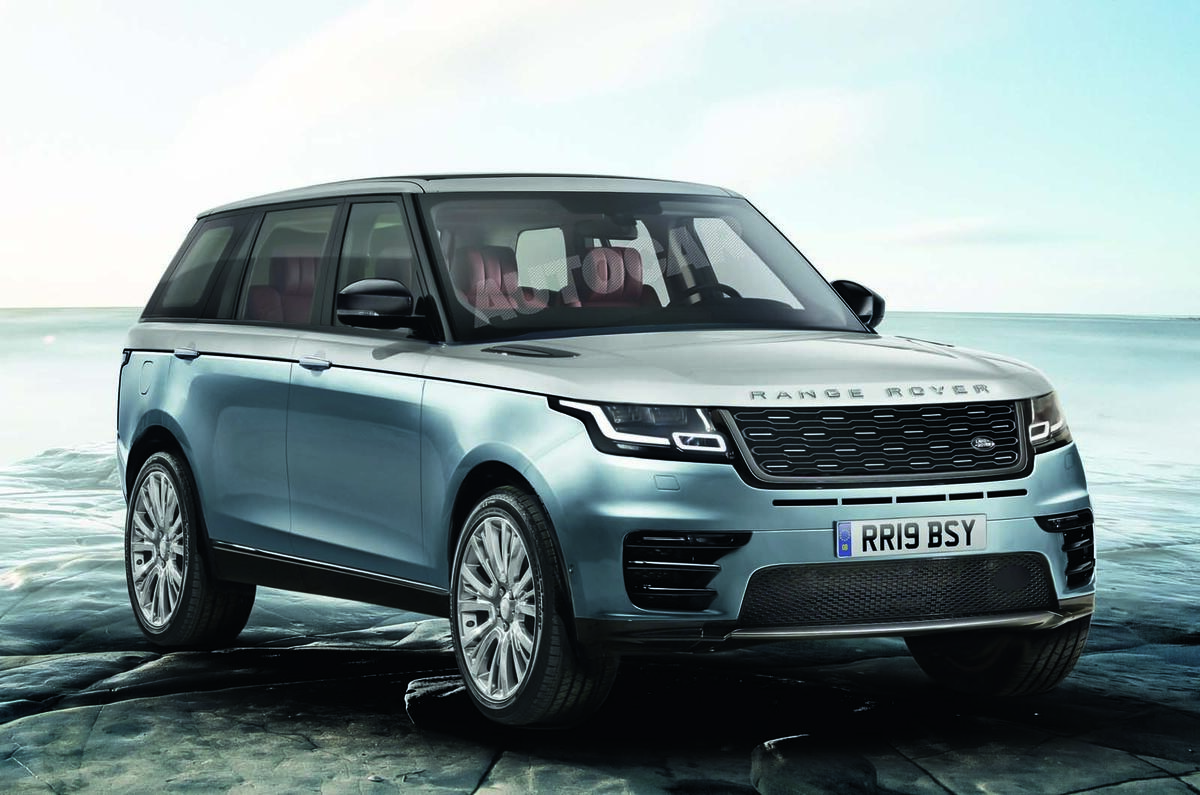
As well as the Jaguar I-Pace, JLR will roll out the all-new Defender, the super-luxury Jaguar J-Pace SUV and a more road-biased Range Rover ‘Allroad’ EV as the four new models.
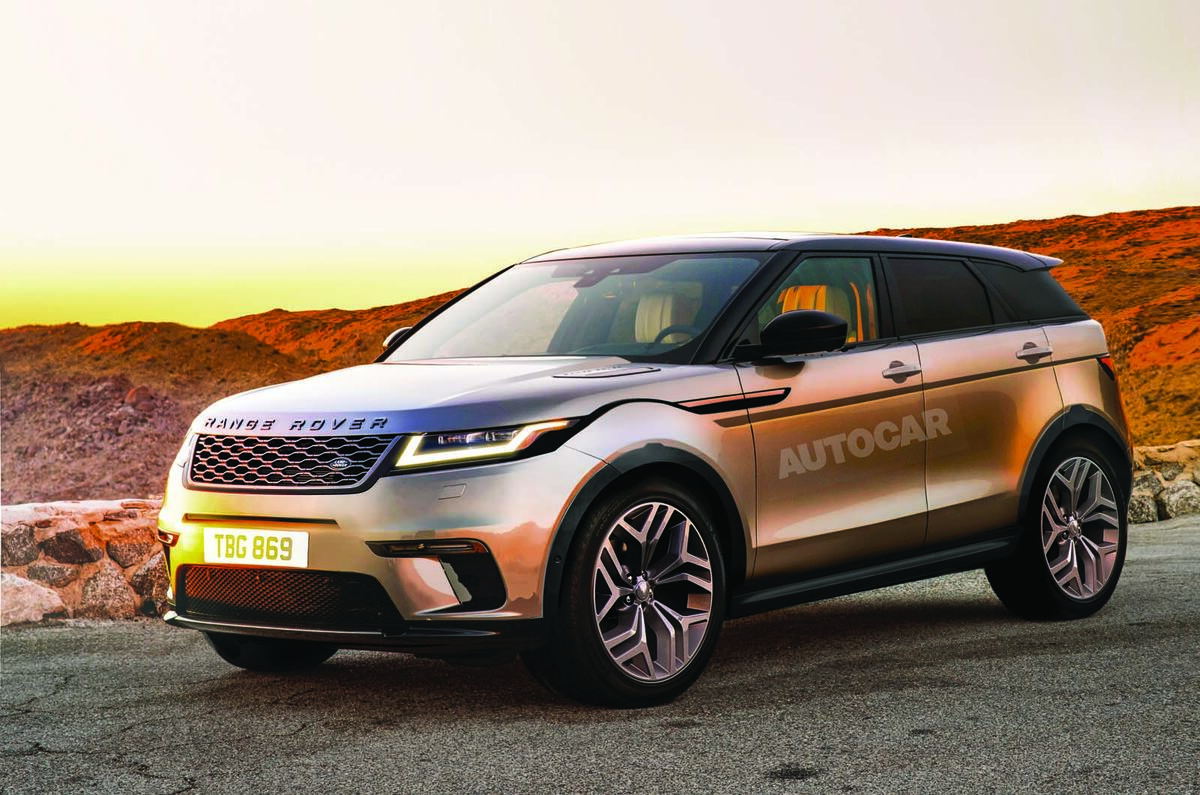
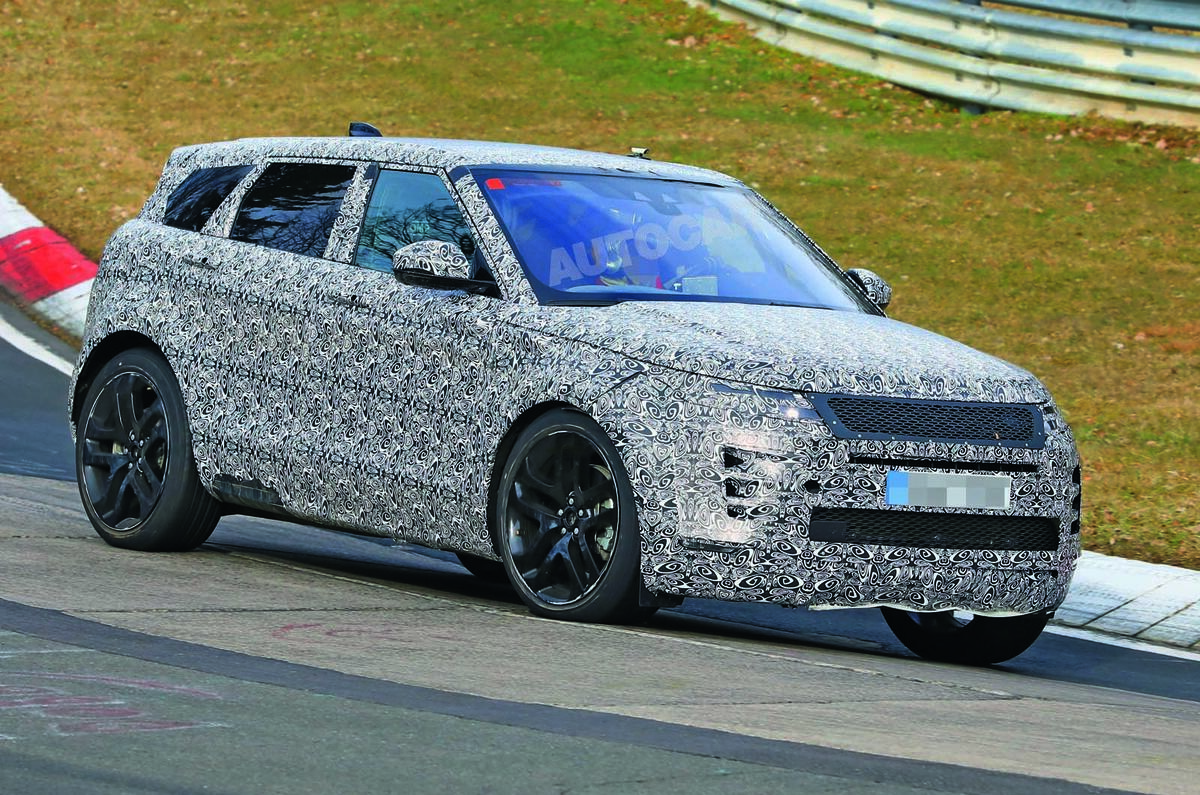
First out of the blocks in this new era for JLR will be next year’s all-new Range Rover Evoque, which will include in its line-up a highly economical plug-in hybrid version with a CO2 rating of just 45g/km.
Exclusive: every new Range Rover coming until 2023
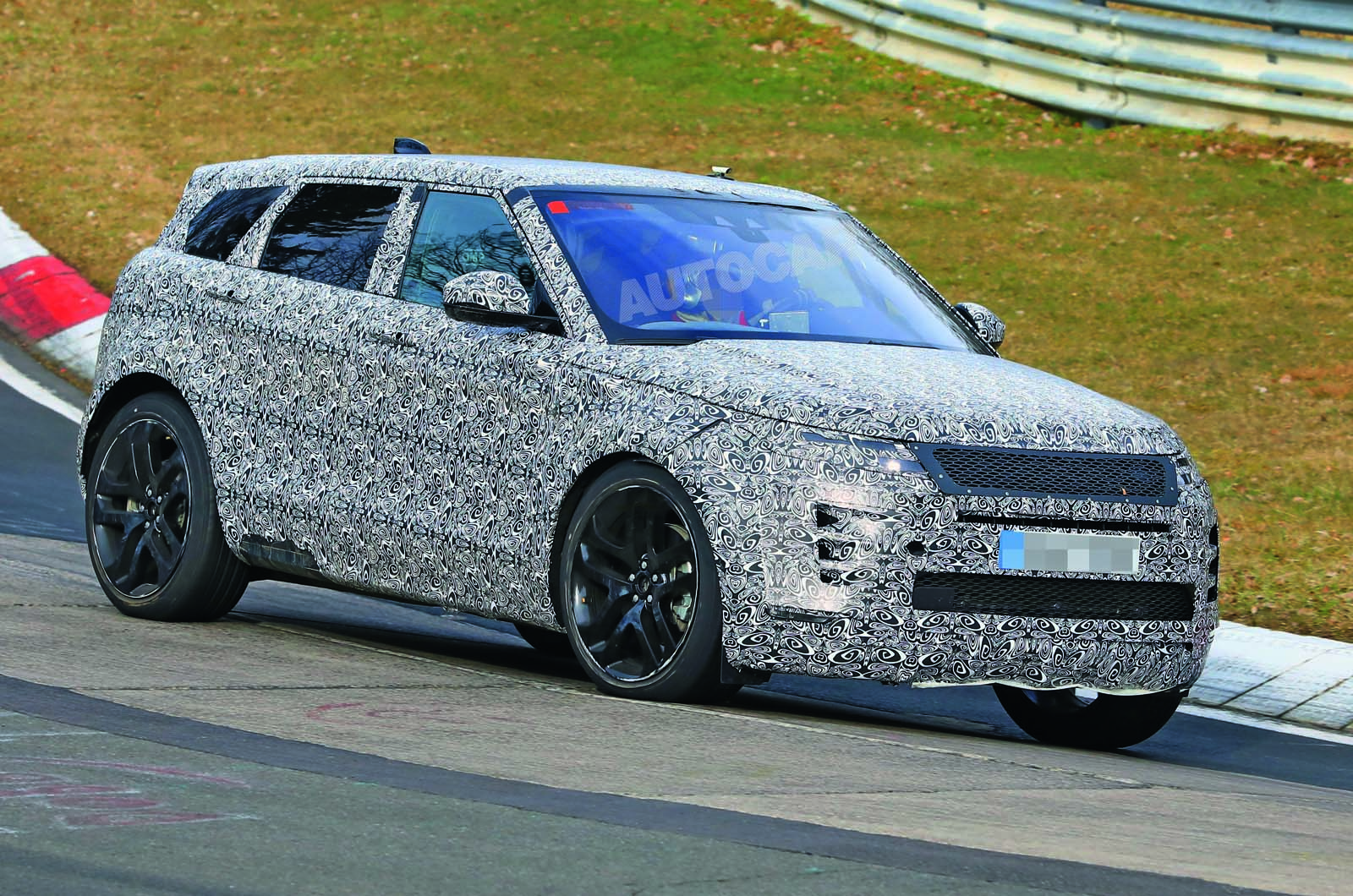
The new Evoque sits on a heavily modified version of the current steel platform, but the new strategy should eventually see future all-new JLR models based on the same aluminium platform, know as the MLA (Modular Longitudinal Architecture).
This new rear- and all-wheel-drive architecture will allow vehicles to be offered with petrol and diesel mild-hybrid engines, plug-in hybrid tech and a pure battery electric set-up.
JLR is also addressing the issue of diesel pollution with a new generation of Ingenium diesel engines that convert up to 98% of NOx emissions into harmless gases and are much cleaner than new pollution regulations require. All new models will be powered by one of three base Ingenium engines, including a new three-pot unit and a new straight six.
Electrically powered turbochargers (which improve both economy and throttle response) will be standard on future petrol and diesel engines, allowing a downsizing of JLR’s engine range. V8 engines will be dropped and replaced by high- performance versions of the new Ingenium straight six. JLR management is also investing significant effort into connectivity. All future vehicles will be connected to the web 24/7, allowing updated engine software to be automatically downloaded and JLR to monitor vehicle performance and send owners information on unscheduled servicing.