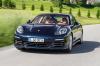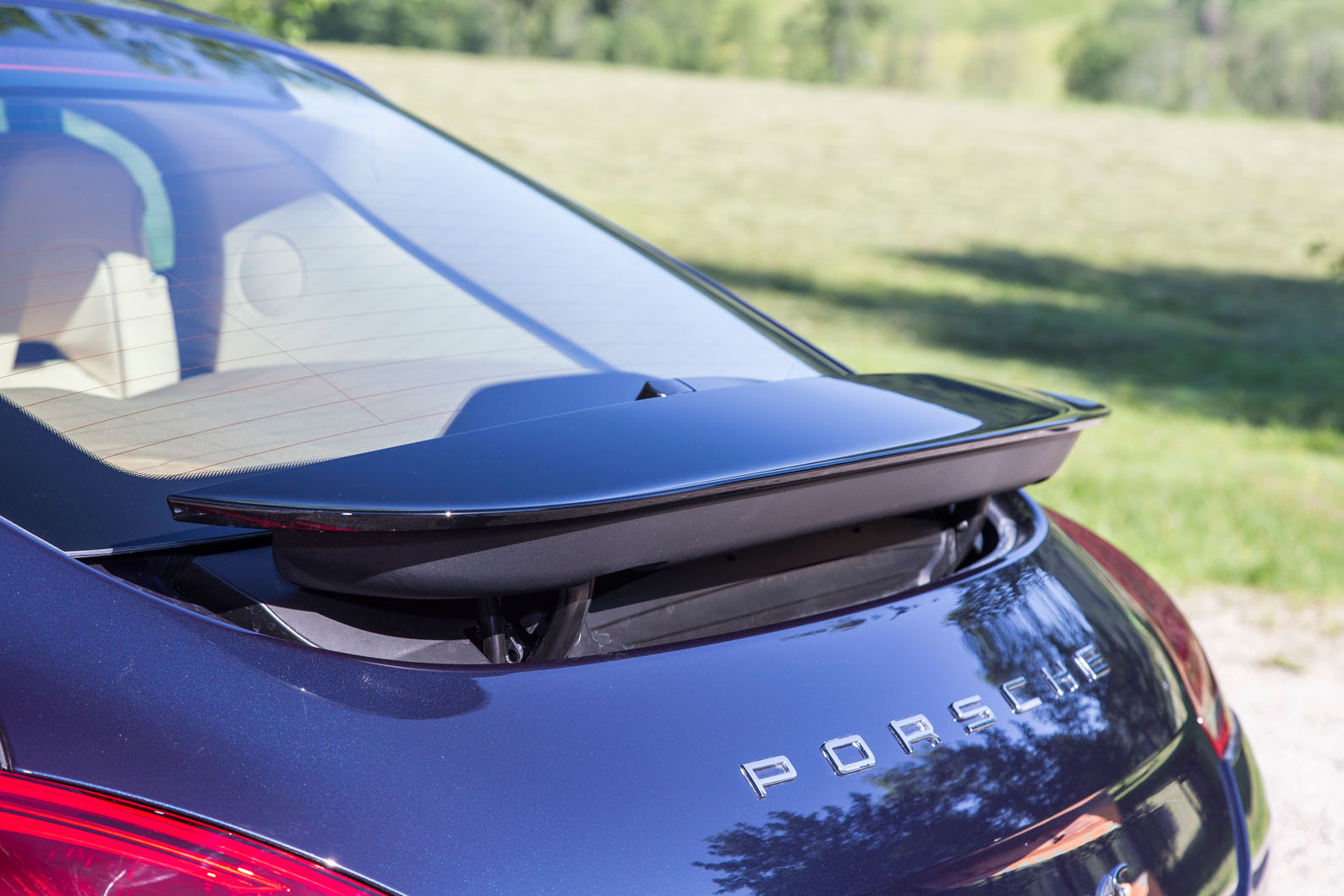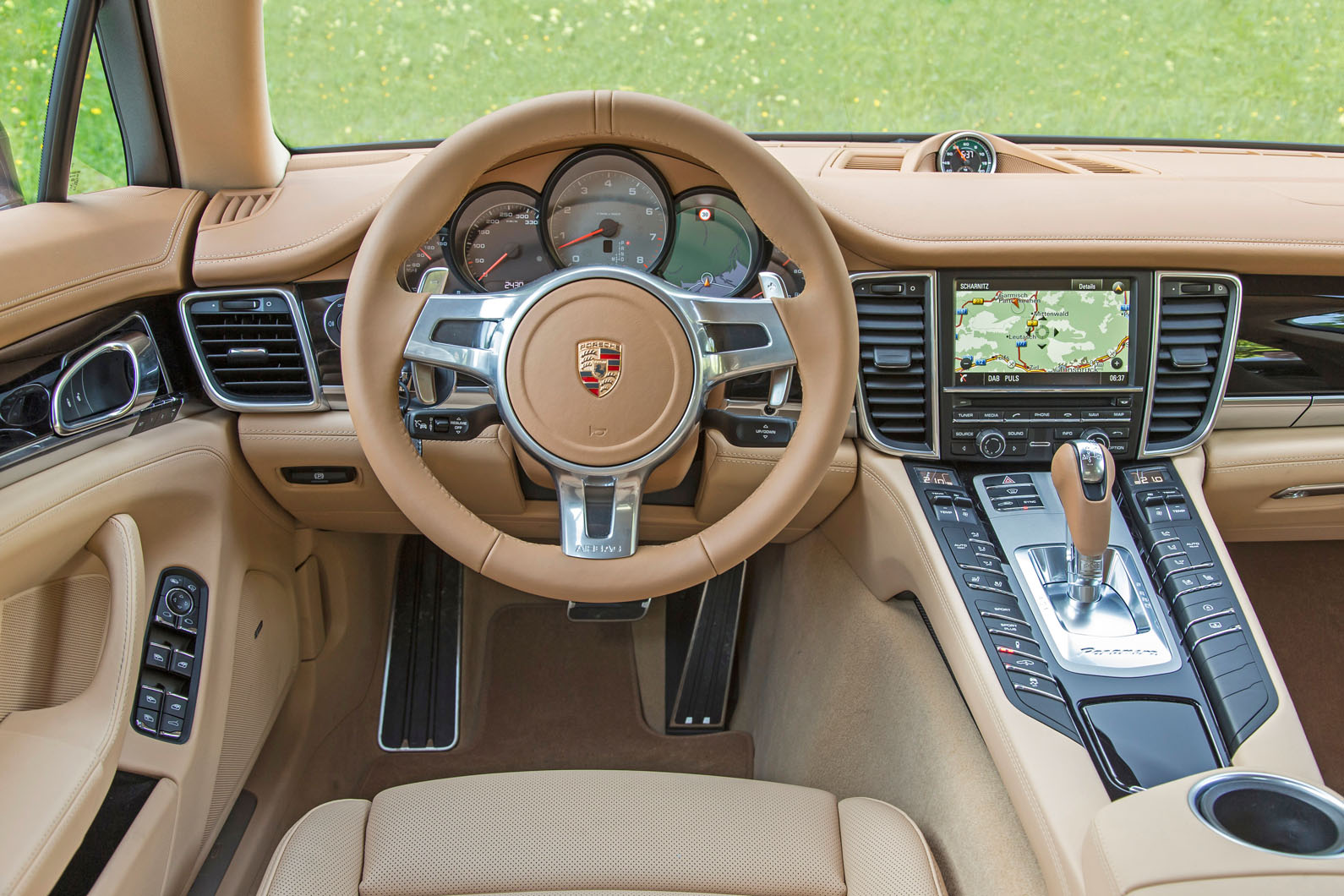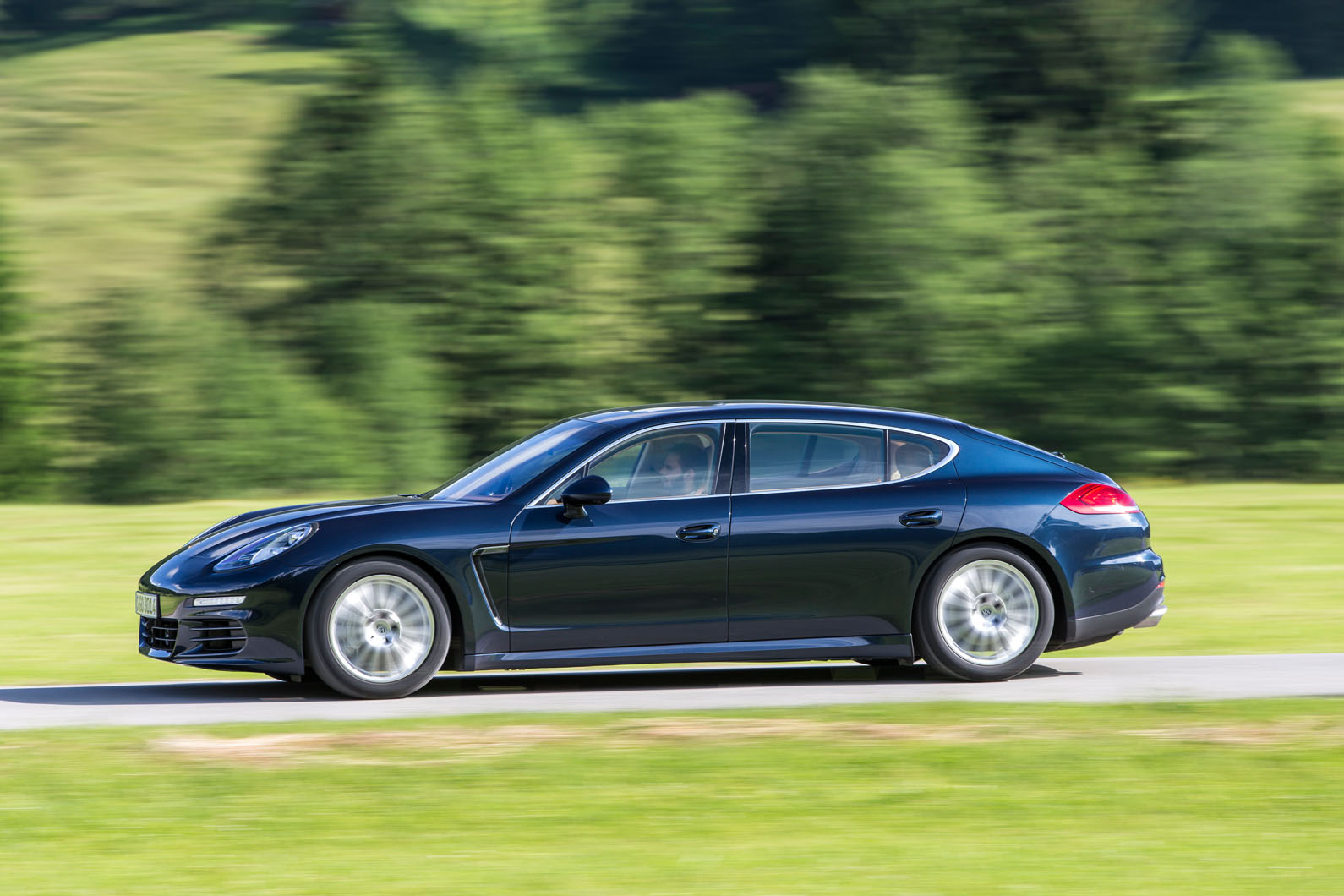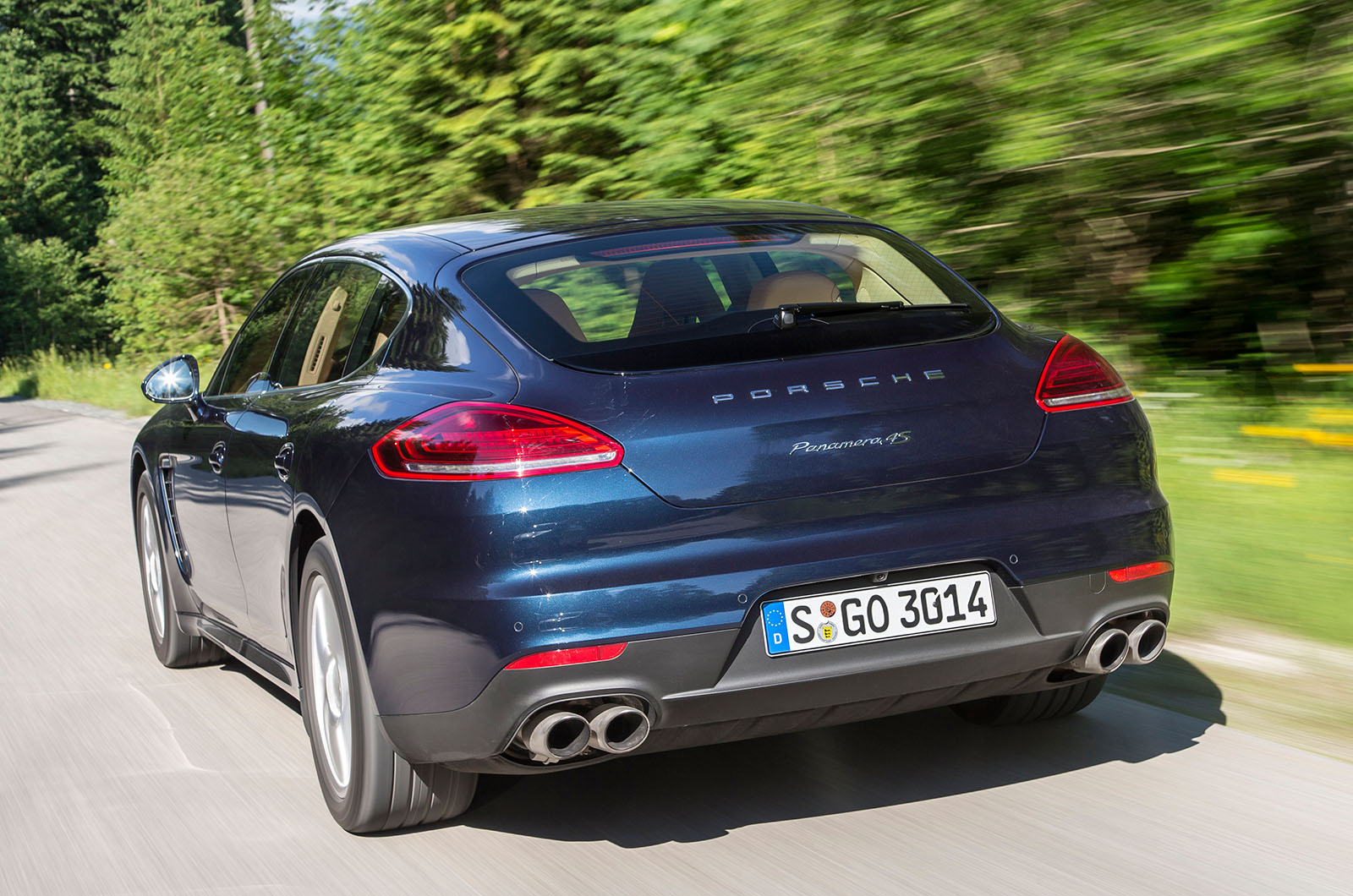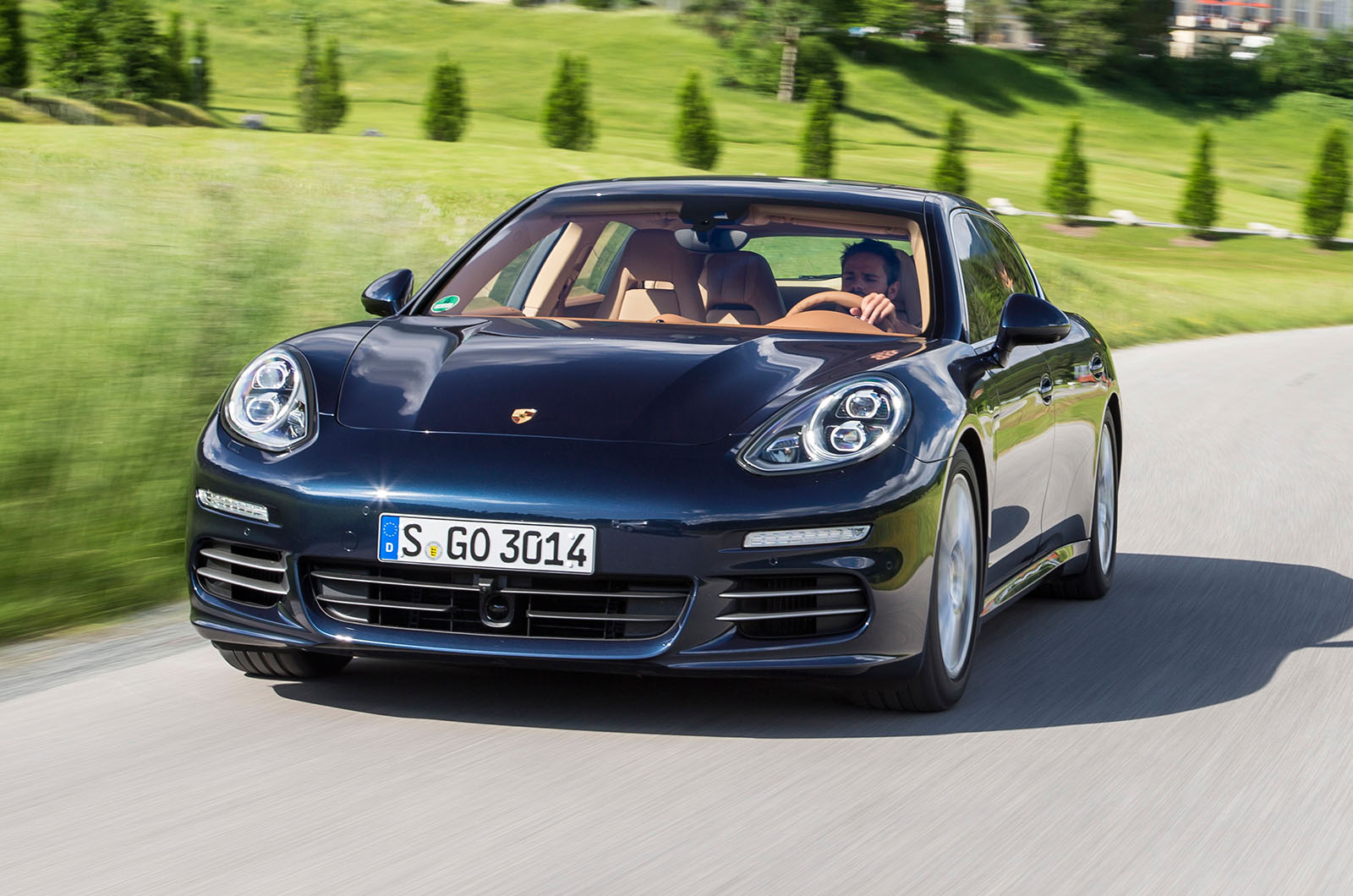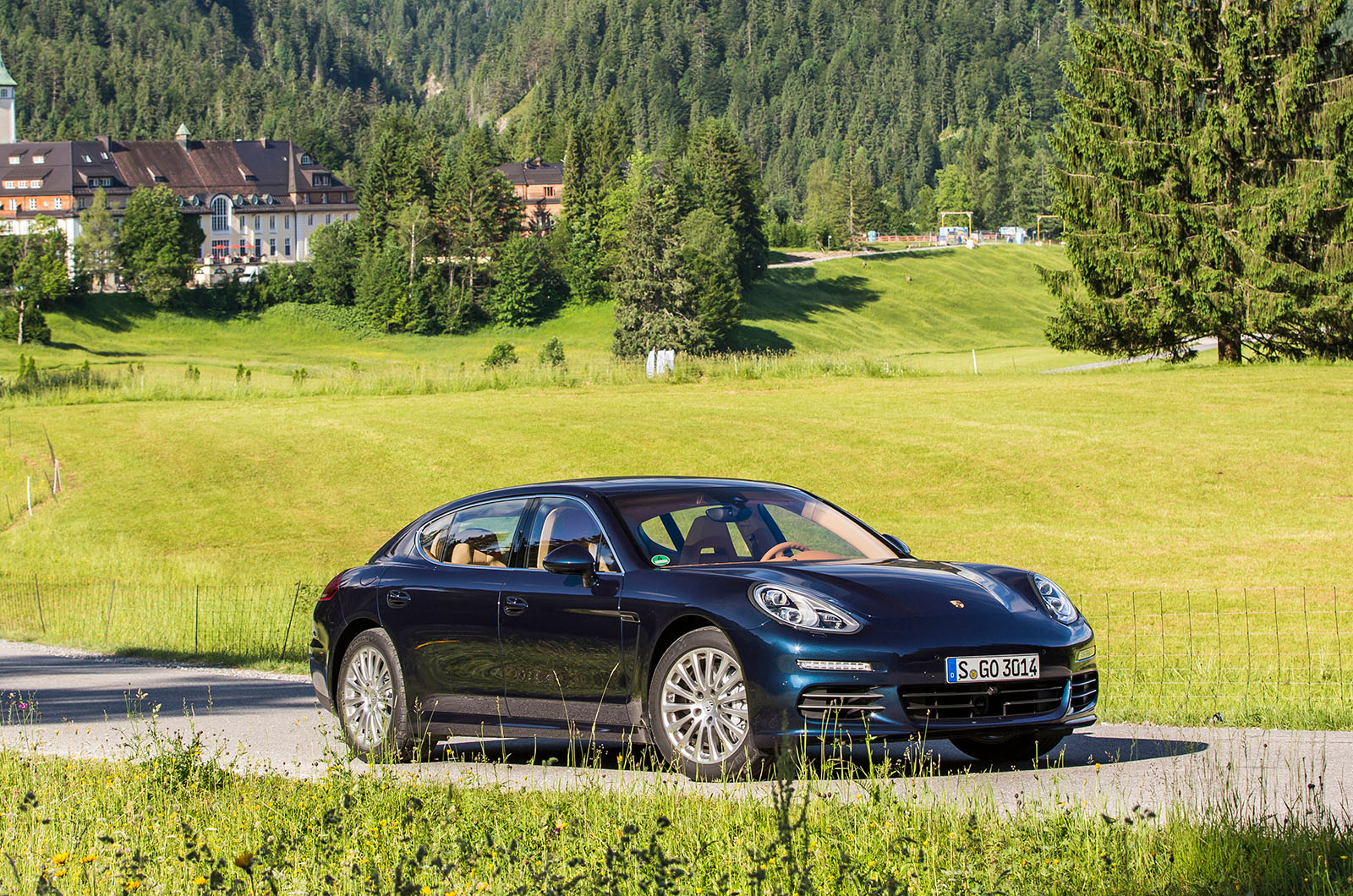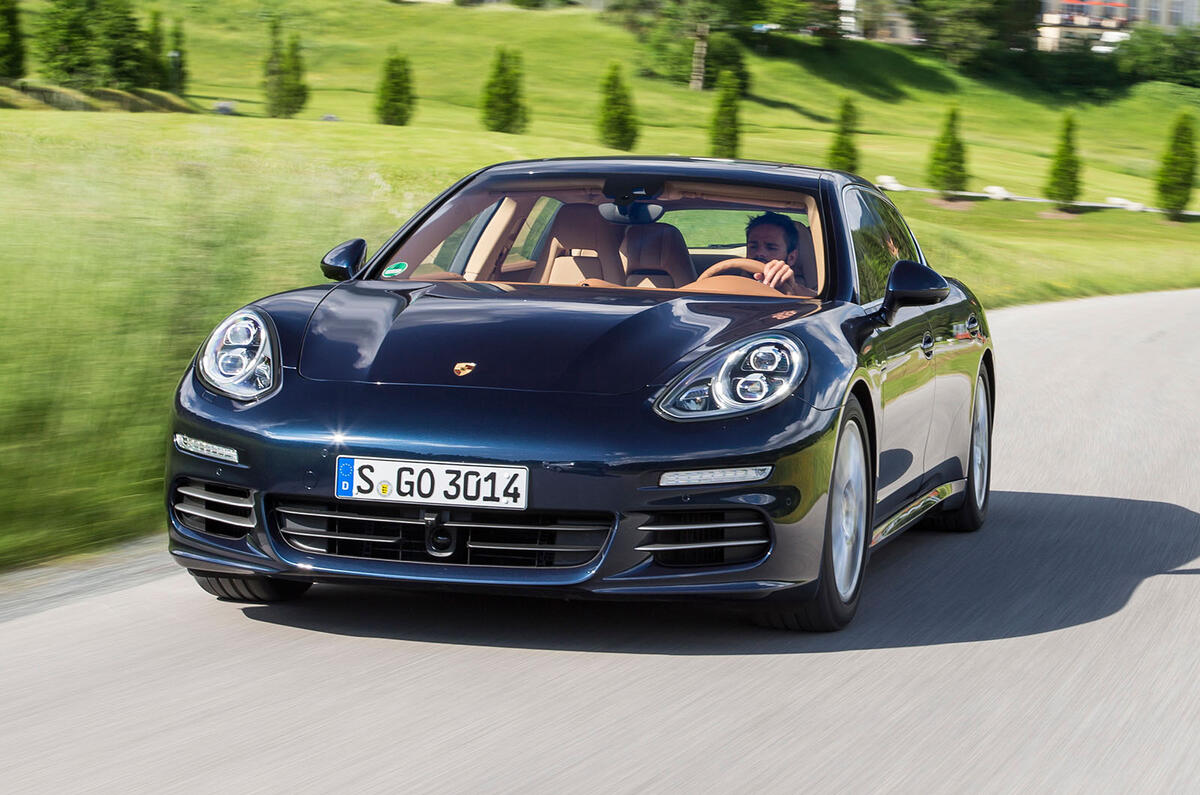
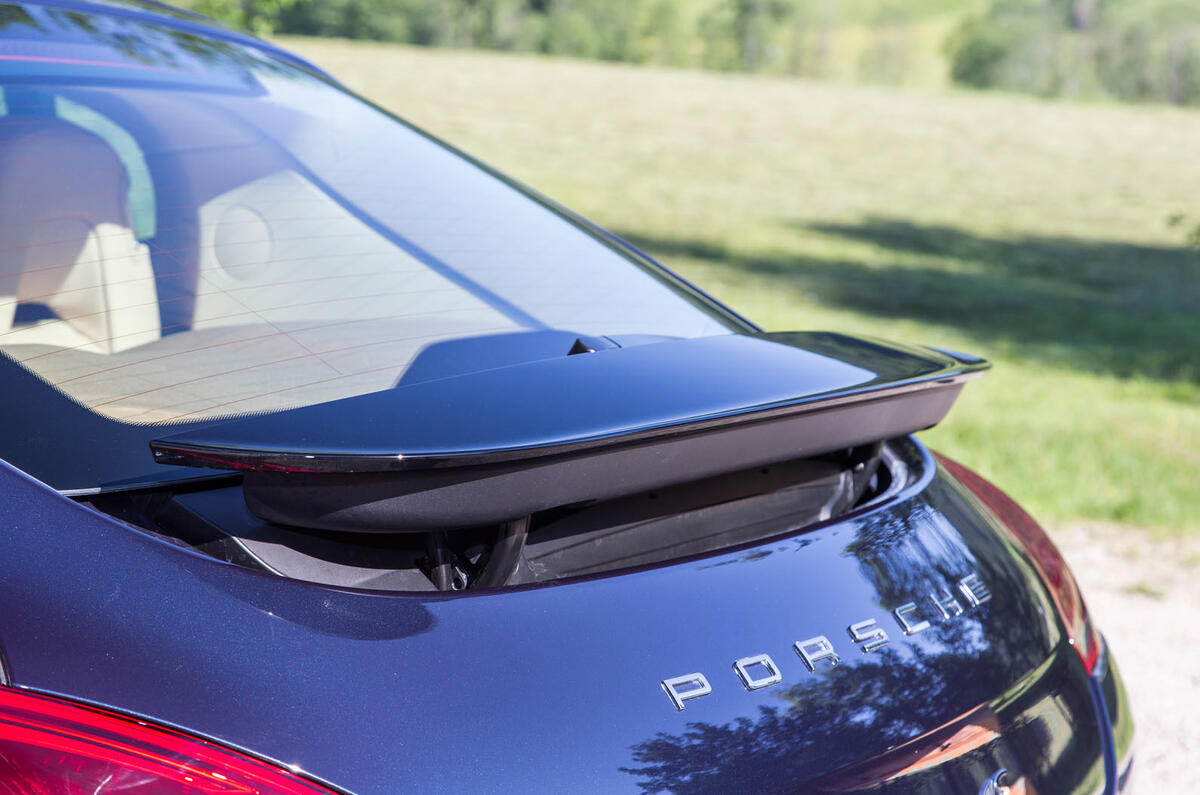


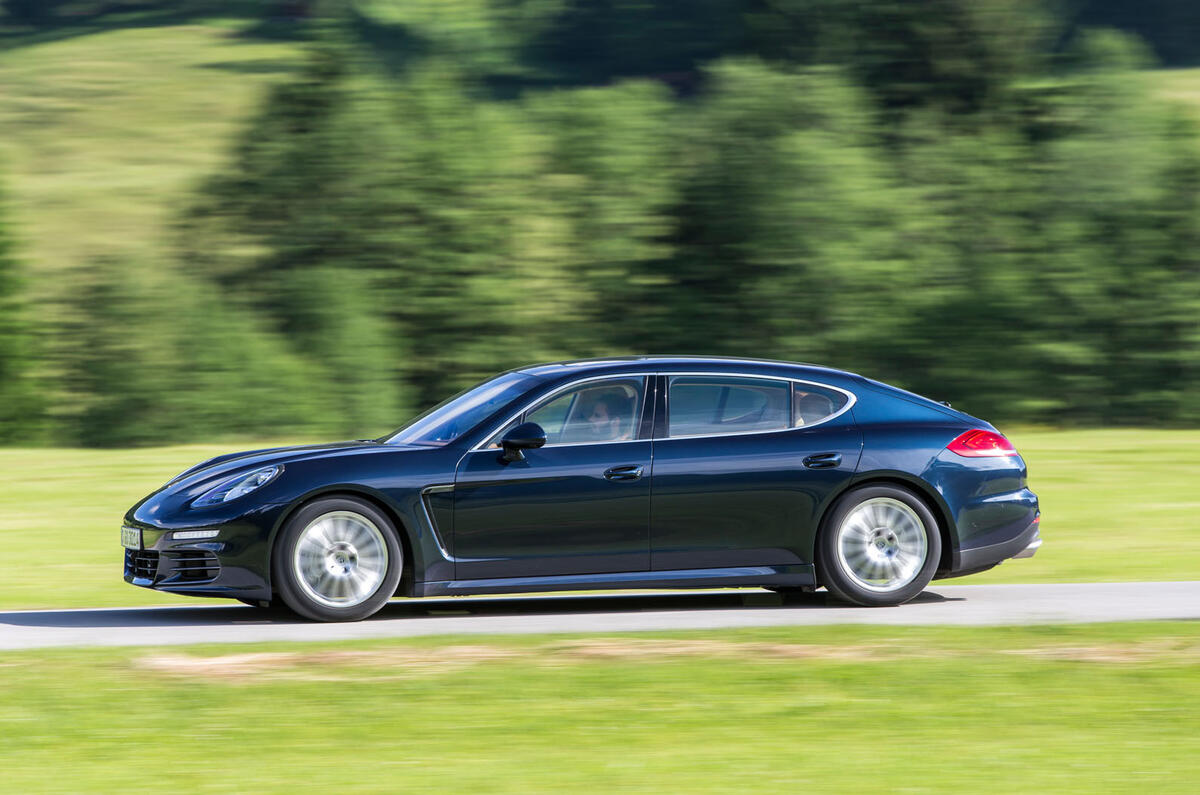


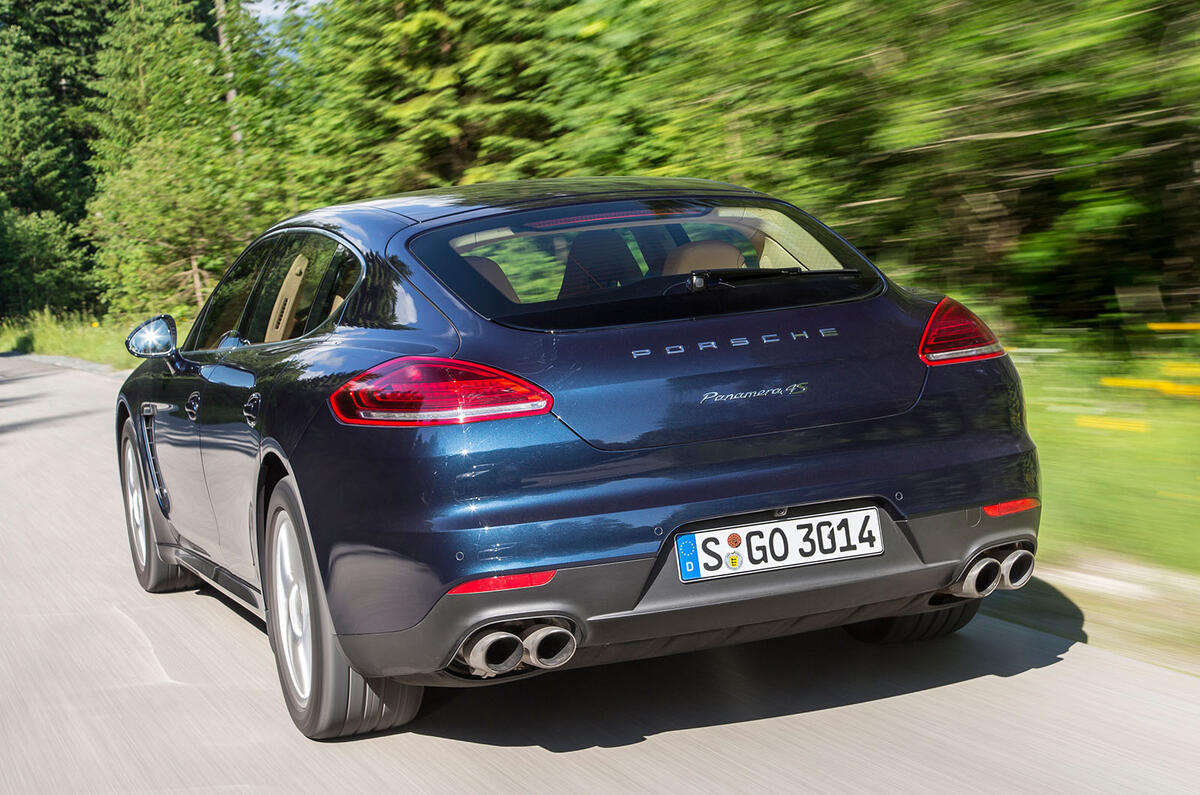



Porsche claims that producing a four-door GT, such as the Porsche Panamera is, was a dream of company founder Ferdinand Porsche, although until 2009 they have been the preserve of independent tuning firms and determined individuals outside of the company.
That said, Porsche did flirt with the idea itself in 1998, when then Porsche engineer Ulrich Bez was tasked with preparing a prototype four-door GT to build on the success of the 928. It became the 989, a front-engined, rear-drive saloon with the general shape of a stretched Porsche 911. It never reached production, but some of its details made their way onto the 993-series Porsche 911.
Porsche arrived at the Panamera project determined to ensure its official take on the four-door GT did not dilute the brand's reputation for sportiness. It delivered on that promise, producing a four-seat, four-door car which, although not immediately endearing itself completely to either Porsche’s customer base or the luxury segment, took both to places they’d never been to before.
Its maker claims the model wildly succeeded its own expectations, with the facelift in 2013 designed to keep the sales chart ticking over especially in America and China, the latter now the biggest market for the Panamera.
The headline addition to the line-up is intended to make an impact stateside. The E-Hybrid is now a petrol-electric plug-in model capable of around 20 miles on electric power alone thanks to a newly developed battery. Twinned with the same supercharged 3.0-litre V6 from the previous car, Porsche claims a total output 410bhp and a somewhat fanciful 91.1mpg with CO2 emissions of just 71g/km from the high-tech, 2095kg saloon.