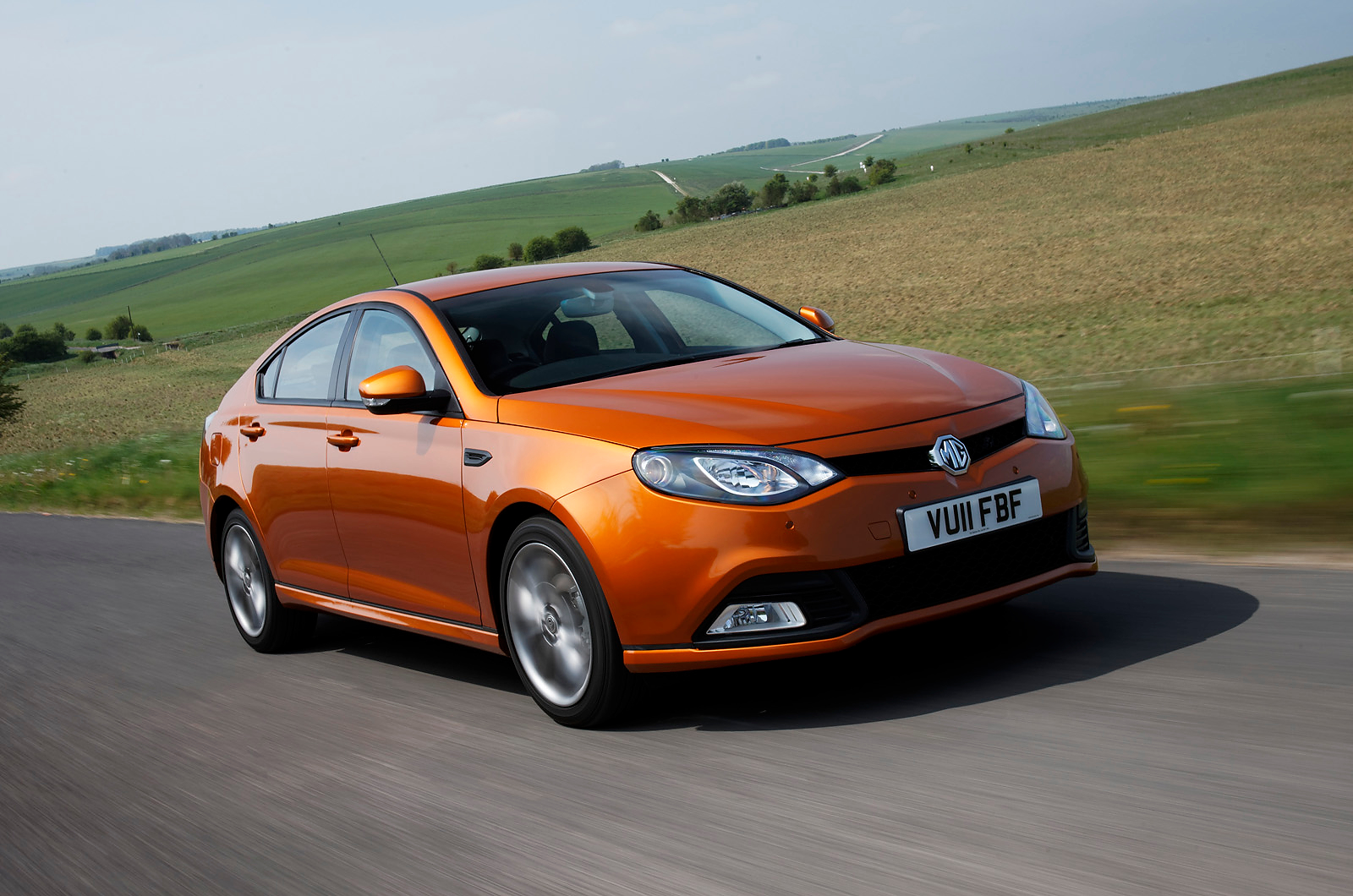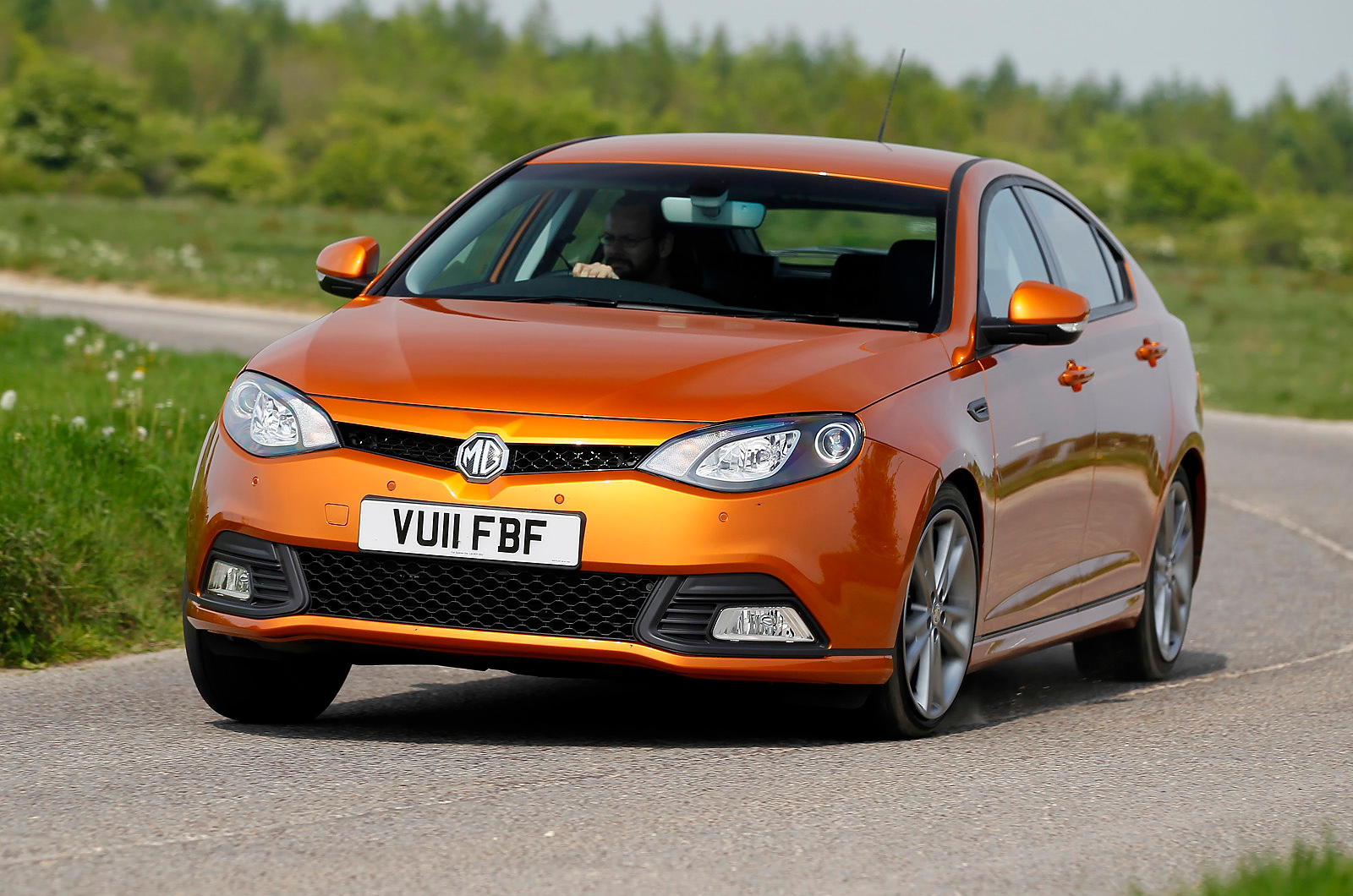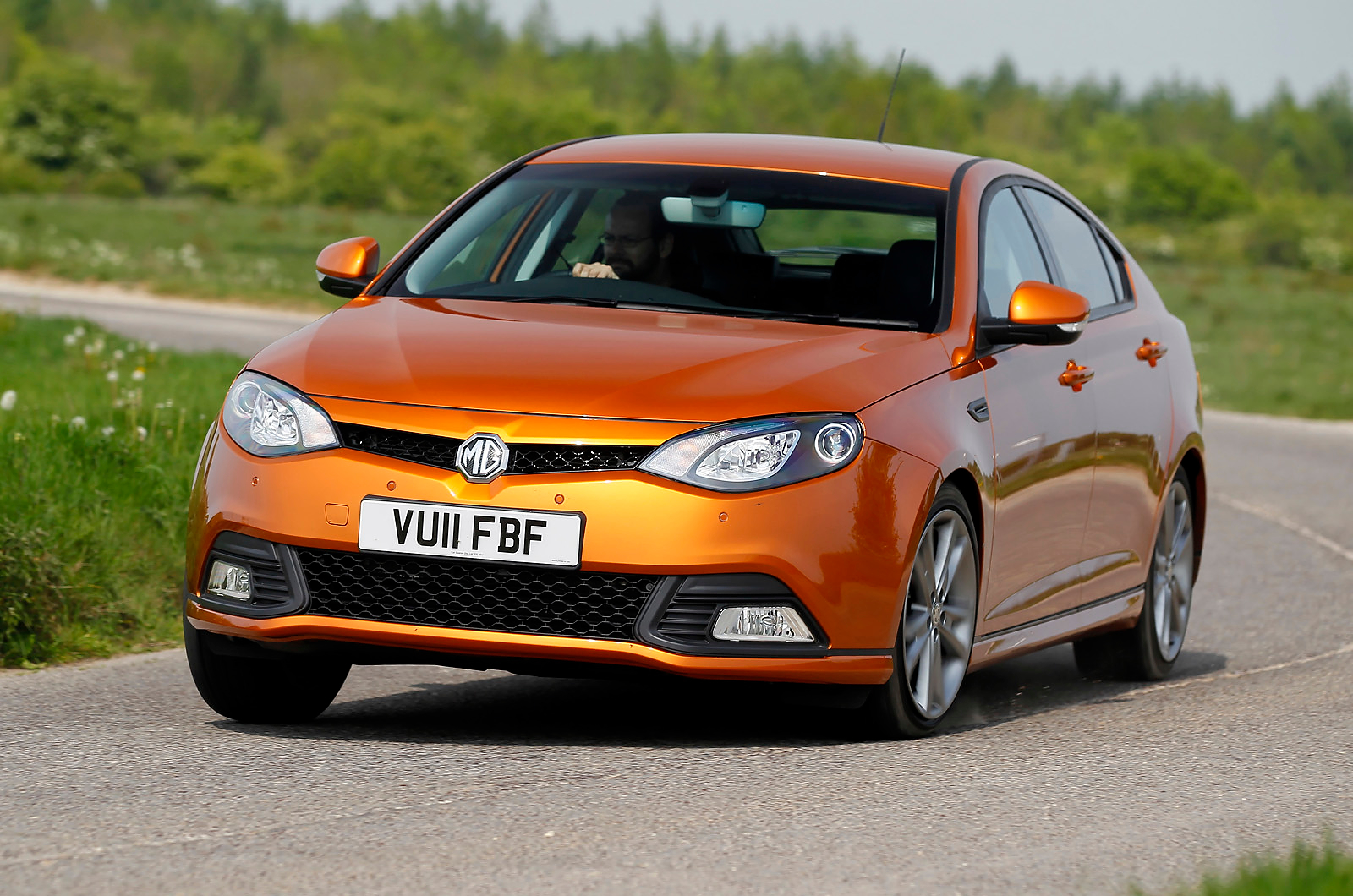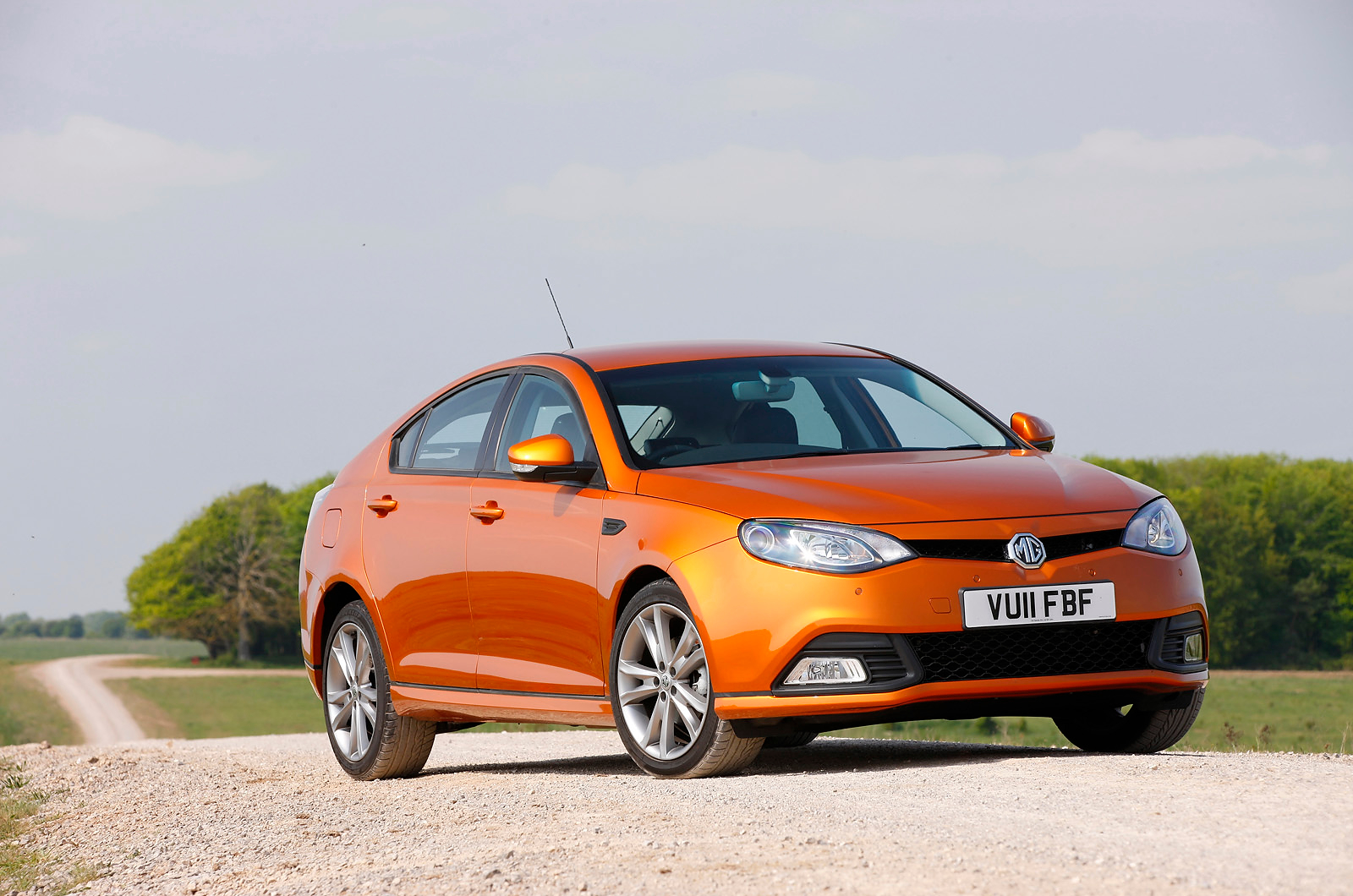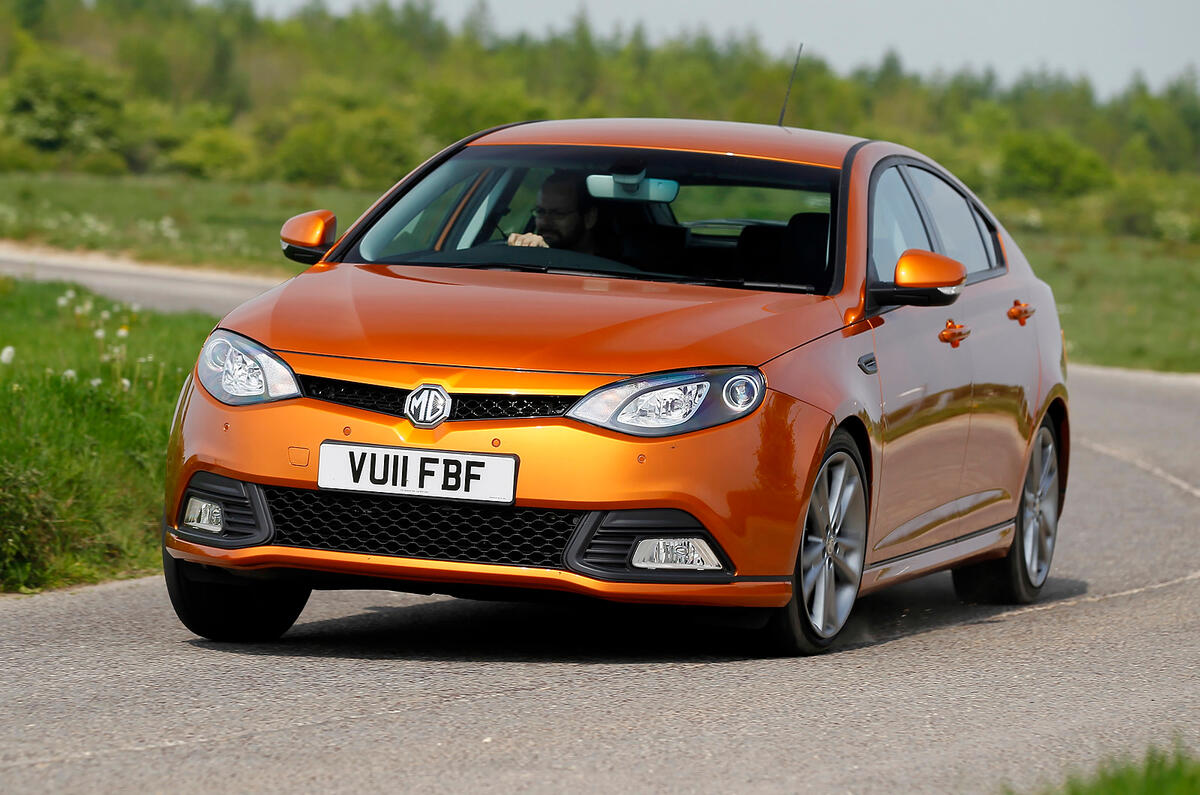






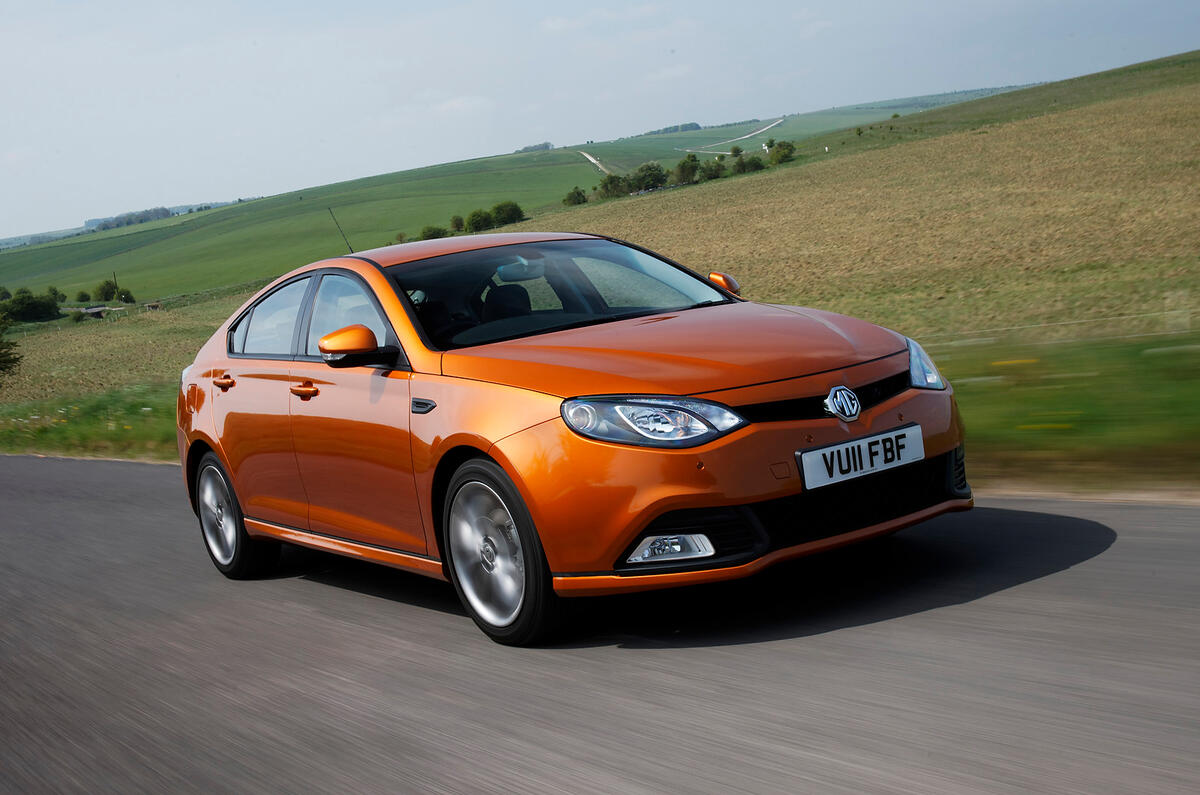

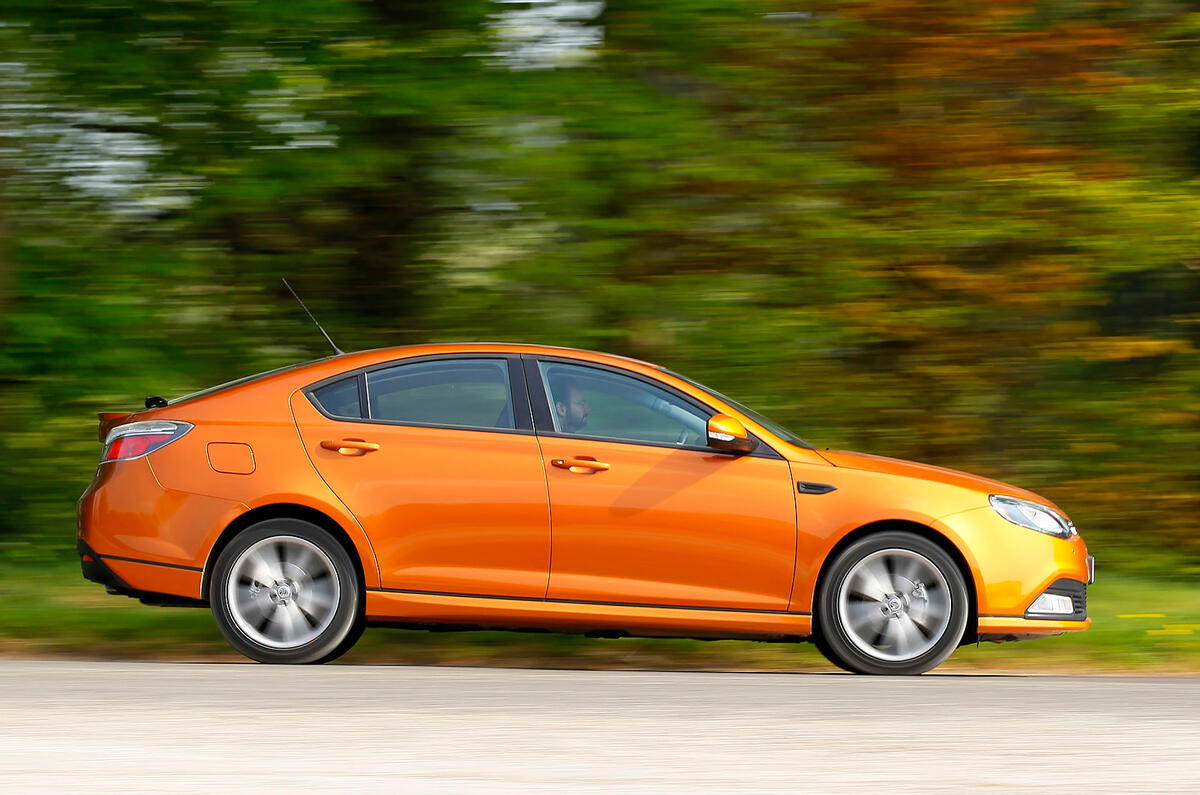


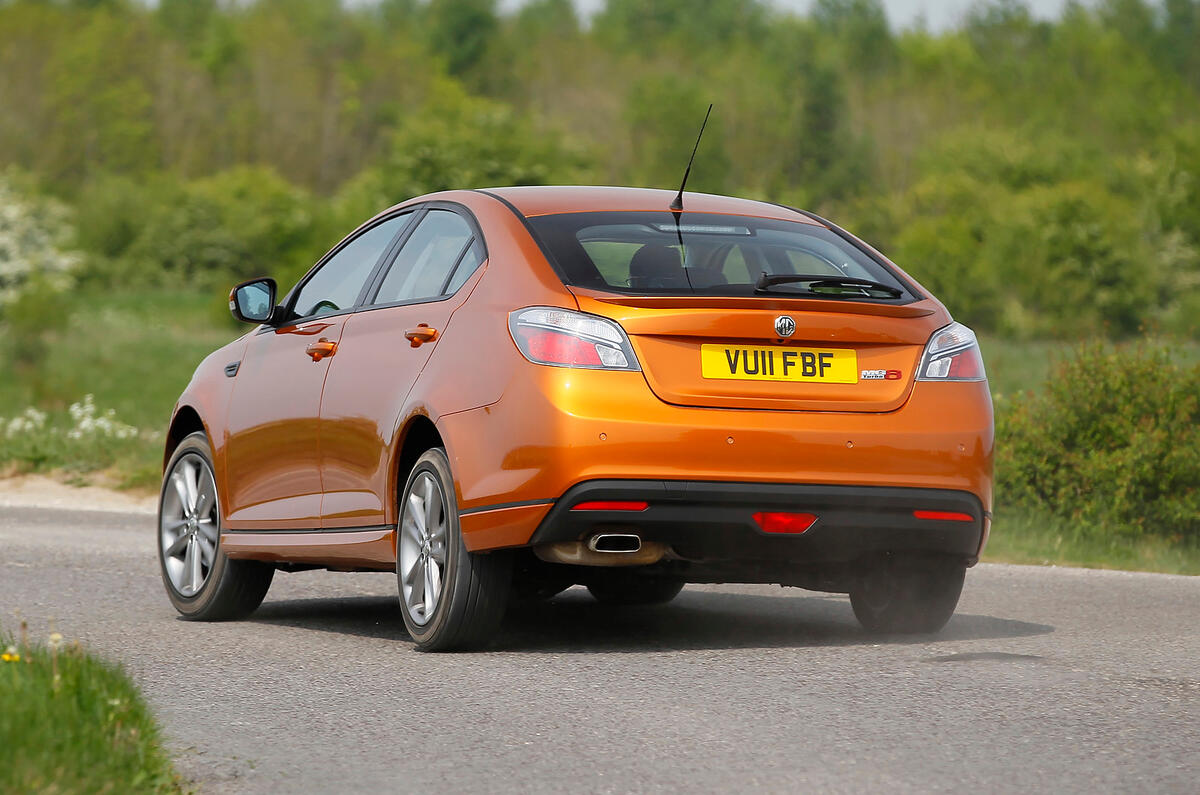
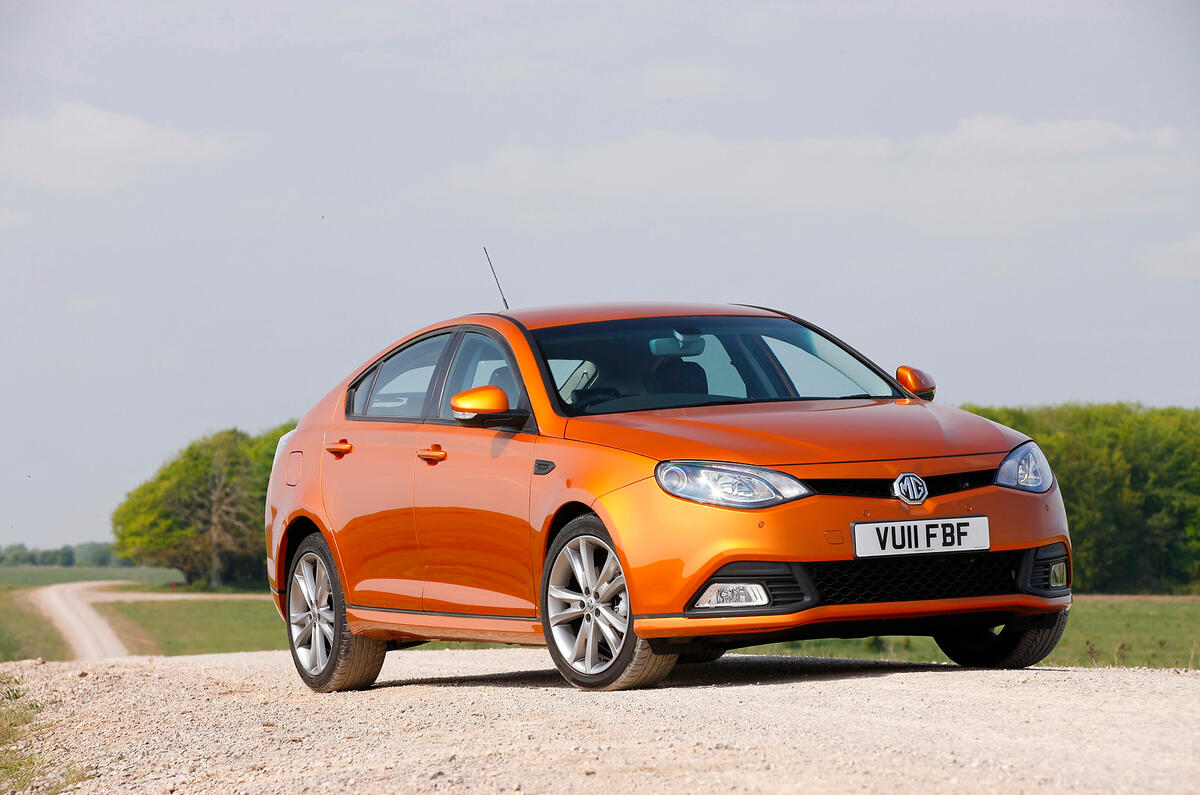


This MG 6 is the first real attempt that Shanghai Automotive-owned MG has made to become a known quantity. It is a far more significant car than the (very lightly) modernised TF roadster because this is the first all-new model to wear the badge since the collapsed company was bought.
But its Chinese ownership and many years away from the market mean that, despite previous familiarity, MG is now an unknown quantity in every significant way. How will the new MG fare i Britain?
Its sister models sell very well in China, but in the UK the MG 6’s on-paper figures do not inspire confidence. The marketing blurb calls the 5dr a “sports-fastback” while the saloon is badged Magnette. Both are, in effect, a rival for the Ford Focus and its ilk and yet it is only available currently with a turbocharged 1.8-litre petrol engine and a five-speed manual gearbox.
Even the £19k required for a top-spec TSE doesn’t go far towards justifying the figures elsewhere. But many cars deliver rewards that aren’t written in numbers, and we’re here to find out if this package adds up.