Slide of
The car world is full of commonly held beliefs that seem too good to be true.
Let’s sort fact from fiction:
Slide of
The speed camera was invented to help drivers go faster - FACT
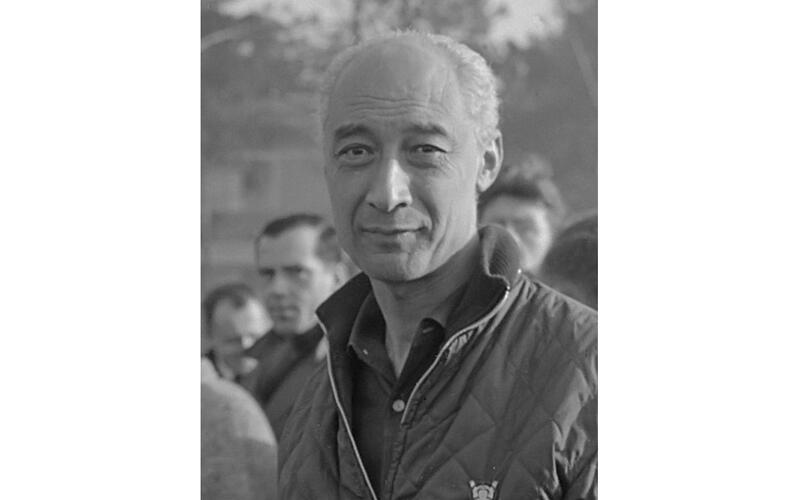
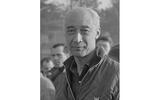
Maurice Gatsonides was a successful rally driver (he won the 1953 Monte Carlo Rally in a Ford Zephyr), but his lasting automotive legacy can be seen on motorways and A-roads all over the country, much to the chagrin of millions of motorists.
Because Gatsonides invented the speed camera. Gatsonides, a handy inventor when he wasn't rallying, in fact didn't set out to encourage drivers to go slower; he actually devised the speed camera trying to find a way to teach himself to go faster. In 1958, he founded the Gatso company and launched the first speed measuring device for vehicles.
Slide of
THE LAW
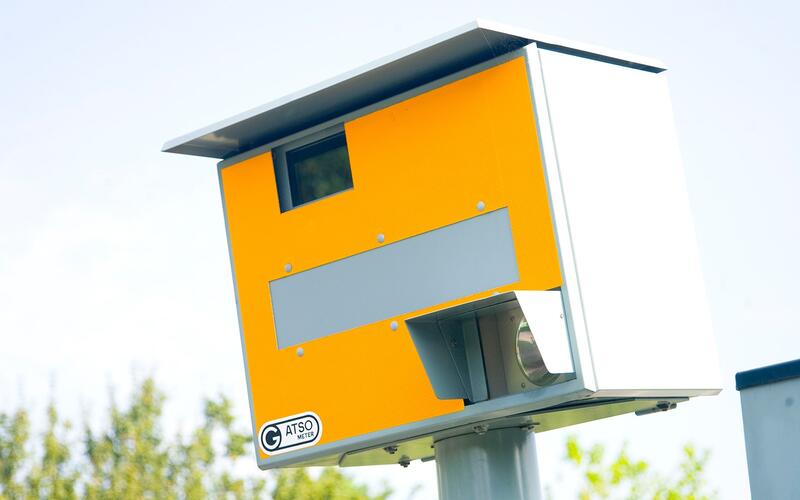
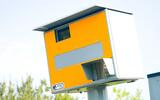
By painting lines on the road ahead of a fixed camera that was set off when a vehicle passed it at speed, Gatsonides was able to record how fast he was going incredibly accurately, allowing him to work out where time could be found. It didn't take long to work out that a device that accurately measured how fast a car was going would be very interesting to law enforcement, who rather took to the Gatso cameras, mounted in the UK in those big yellow boxes.
Still, if you've been caught by a Gatso camera (or, more likely these days, ANPR average-speed cameras), you're not alone. Gatsonides admitted that he was fined several times after being caught by his own invention "because I love speeding".
Slide of
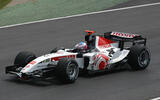
Tyrrell Racing still competes in Formula 1 - FACT
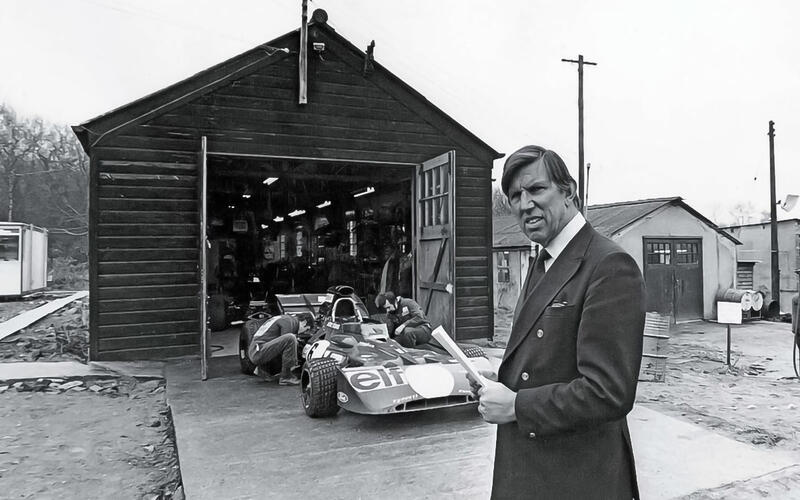
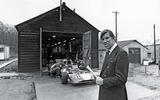
Ken Tyrrell started his own racing team in 1958, and it contested its first Formula 1 grand prix in 1966. Initially using customer Matra chassis, Tyrrell Racing eventually became a constructor in its own right and, with the brilliant Jackie Stewart driving, claimed three drivers' titles and one constructors' title between 1969 and 1973.
The Surrey-based team became known for both technical innovation, such as the P34 six-wheeler of 1976, and creative interpretation of the rules: the team was disqualified from the entire 1984 season after it was found to be running its cars underweight, then topping up their brake cooling systems with water containing lead.
Slide of
EXIT
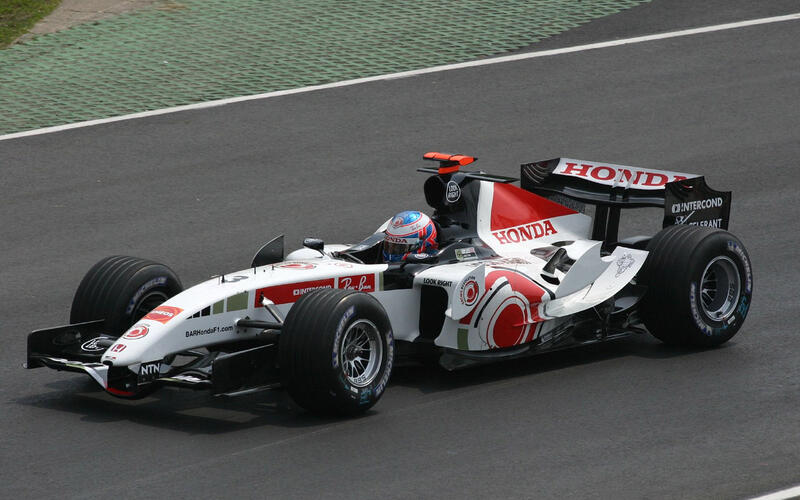
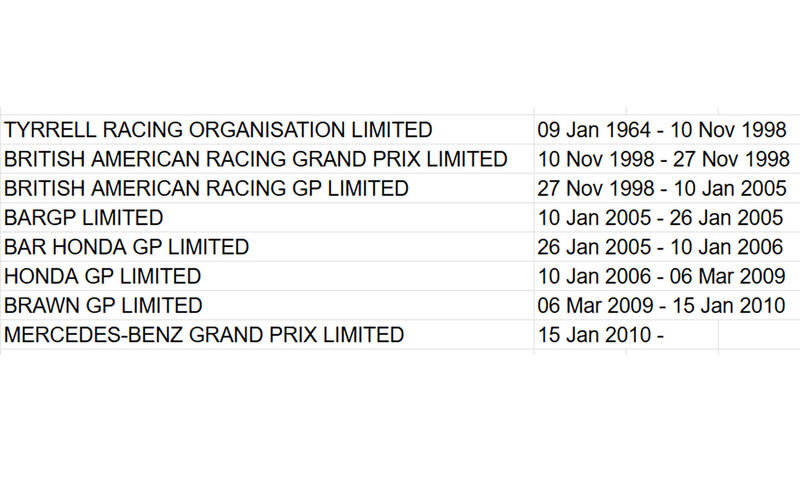
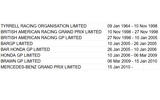
As F1 budgets ramped up, Tyrrell slipped down the grid, and in 1997 Ken felt compelled to sell up to British American Tobacco. After one final season, the Tyrrell name vanished from the grid. While its new owners used the entry, the new BAR squad was an entirely different entity, based in Brackley, Northamptonshire.
BAR was eventually sold to Honda, and when the Japanese manufacturer quit Fl ahead of the 2009 season, it became Brawn GP - which was promptly snapped up by Mercedes-AMG to become today's multi-title-winning outfit.
Slide of
ALIVE – SORT OF
It's unrecognisable from anything that Ken would have knocked up in his shed, but there is still a link, because Mercedes-Benz Grand Prix Limited is registered in the UK by Companies House with the company number 00787446. And through multiple changes of ownership, that's the same company incorporated on 9 January 1964 by one Robert Kenneth Tyrrell.
Slide of
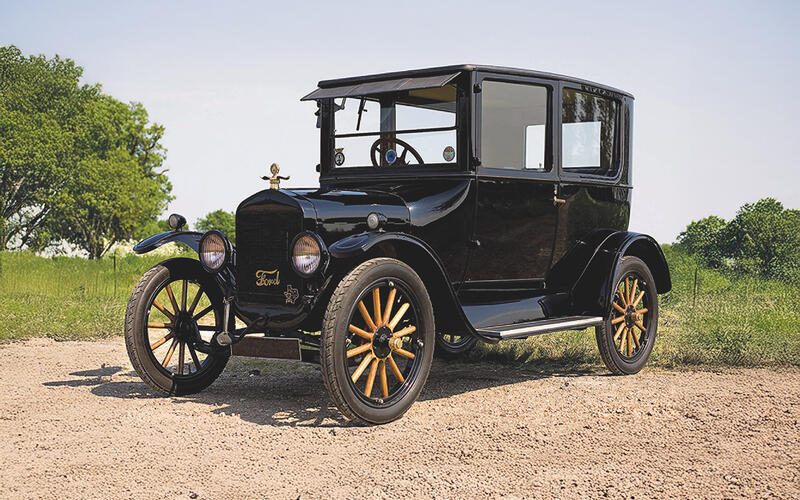
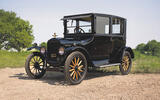
The Ford Model T was offered only in black - FICTION
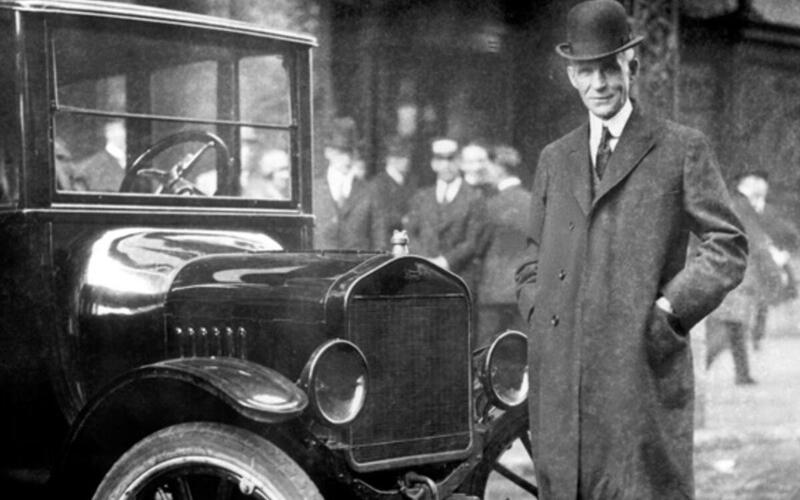
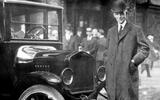
There are few quotes more famous in motoring than Henry Ford describing the styling options for the Model T: "Any customer can have a car painted any colour that he wants so long as it is black." But that's not strictly true, or at least it wasn't when Ford said it to HIS company's management team in 1909, because it wasn't a statement of fact - it was a request.
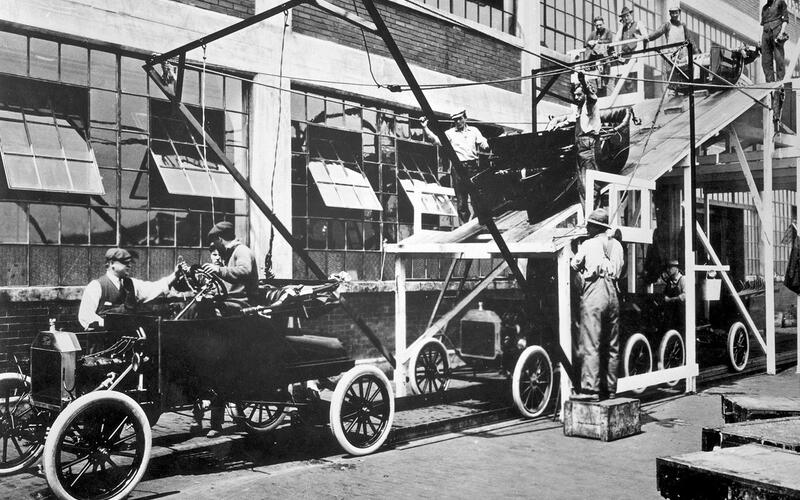
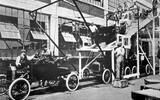
At that stage, the Model T was offered in four different hues, none of which was black. From 1908 until 1911, different variants of the car were available in grey, green, red and blue. In 1912, all cars were painted a dark blue with black bumpers, before the all-black Model T arrived in 1914-which was then made the only option for the next 11 years.
Slide of
Why black?
Why black? That's not entirely clear, but the common theory is that Ford felt it was cheaper, more durable and dried faster than other colours - although there's no evidence for that final part. Another fun fact: there wasn't actually a singular black.
More than 30 different formulations of black paint were applied to Model Ts during its famous production run.
Slide of
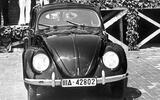
The Volkswagen Beetle wasn't originally called the Beetle - FACT
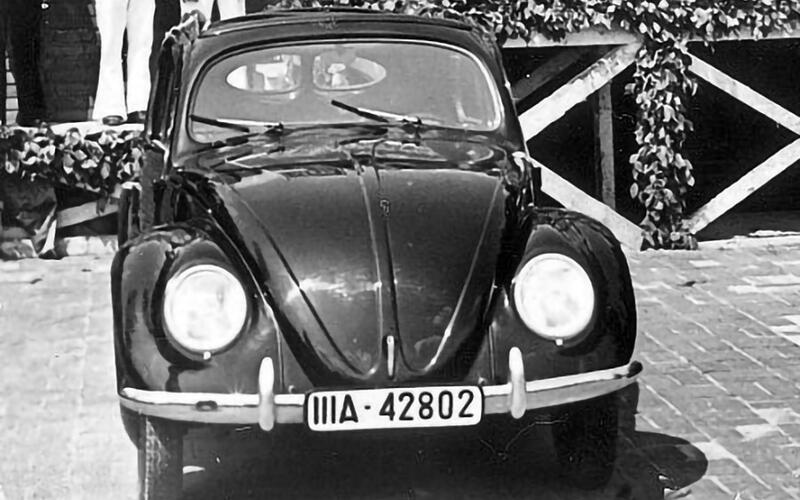
The original people's car, the Volkswagen Beetle, is an incredible success story. It was launched in 1938 yet the last example wasn't made until 2003 - a 65-year run that is the record for a single generation of automobile. Needless to say, the total of 21.5 million sold is also a record.
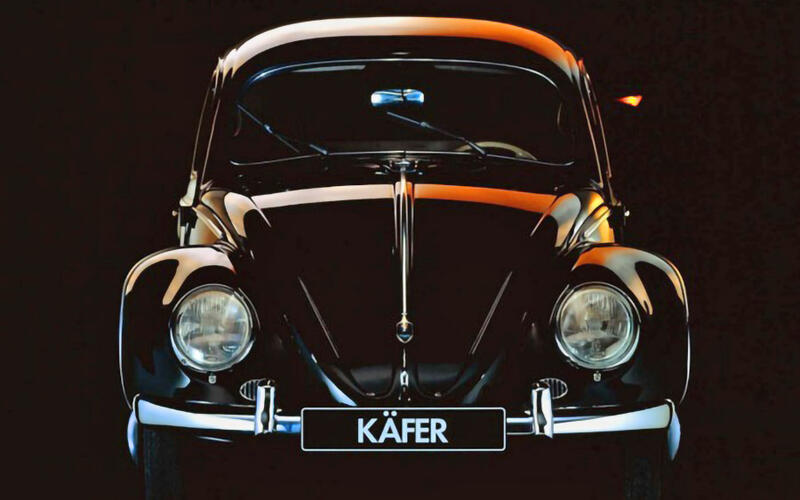
There is a bit of a catch, though: the first time you could actually walk into a dealership and buy a car called the Beetle was 1968. It was initially developed as the Porsche Type 60 and then the KdF-Wagen, before it became the Volkswagen Type 1.
Slide of
1968
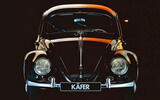
The name Käfer-German for beetle - quickly became a common colloquial term for it, but it wasn't until 1968 that it was officially adopted by Volkswagen. Notably, the Beetle goes by various names - some official, some not-in different parts of the world. In France it's the Coccinelle (ladybird).
Indonesia it's the Kodok (frog) and in Malta it's the Banju Maqlub (upside-down bathtub). The car's original designation leads us to another Volkswagen naming oddity. Wolfsburg's second product was the Type 2, now known as the Transporter. The first three generations all carried the Type 2 designation but have now been retconned into the T1, T2 and T3. Now known as the Multivan, it's in its seventh (T7) generation.
Slide of
Carlos Ghosn escaped Japan in a cello case - FICTION
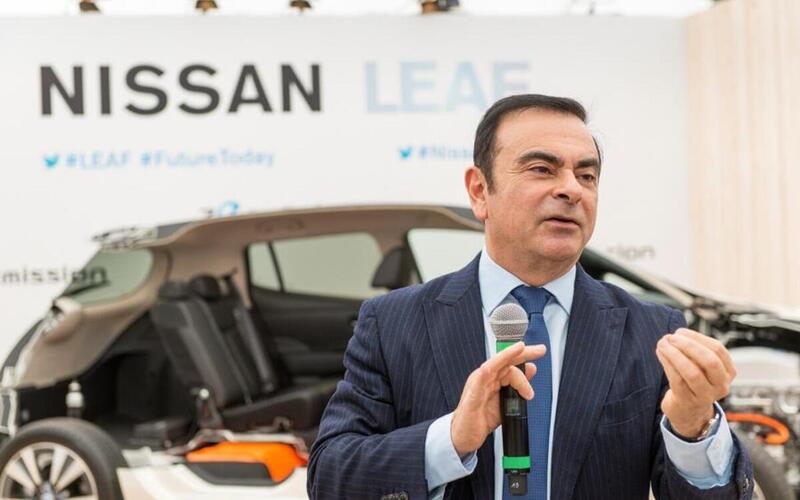
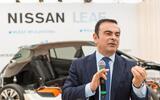
It wasn't a cello case; it was a generic music equipment box generally used for storing guitars. Apart from that minor detail, though, the improbable tale of ex-Nissan boss Carlos Ghosn's escape from house arrest in Japan in 2019 is almost entirely true, and too good not to relive.
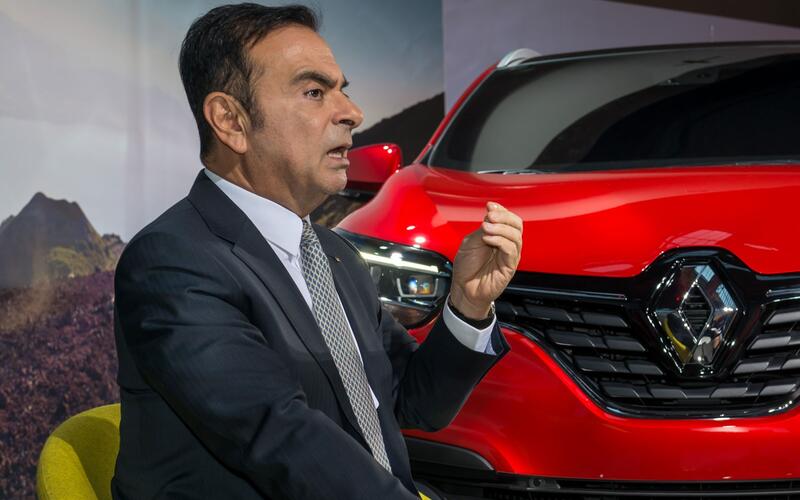
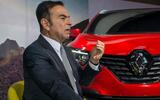
A reminder: Ghosn was the all-powerful head of both Renault and Nissan until he was dramatically arrested in Japan in 2018, on suspicion of misusing company funds. Ghosn denied the charges, instead alleging a coup to oust him before he could further tighten the Renault-Nissan-Mitsubishi Alliance. But with Japan's corporate conviction rate being above 99%, he decided his best chance of freedom was escape.
Slide of
ESCAPE
His audacious plan involved recruiting a former US special forces officer to smuggle him out of the country. Mike Taylor and his son Peter would enter Japan, pretending to be musicians (specifically violinists, despite not having a violin in sight), with a specially engineered music box featuring air vents for 65-year-old Ghosn to hide in.
On 29 December, Ghosn went to a hotel, where he was allowed to go for lunch, but instead sneaked upstairs to meet Taylor. With him wearing a surgical mask (common in Japan even before Covid), they caught a bullet train to Osaka, where Ghosn hid in the box until it was wheeled - unchecked - onto a private plane. As part of the disguise, Taylor rested a guitar on top of the box while going through customs, but there wasn't a cello in sight. "The 30 minutes waiting in the box on the plane, waiting for it to take off, was probably the longest wait I've ever experienced in my life," Ghosn would later tell the BBC. He remains in Lebanon, which doesn't have an extradition agreement with Japan. The US does, though, so the Taylors were arrested and sent to Tokyo, where they were sentenced to two years and 20 months in prison respectively.

Slide of
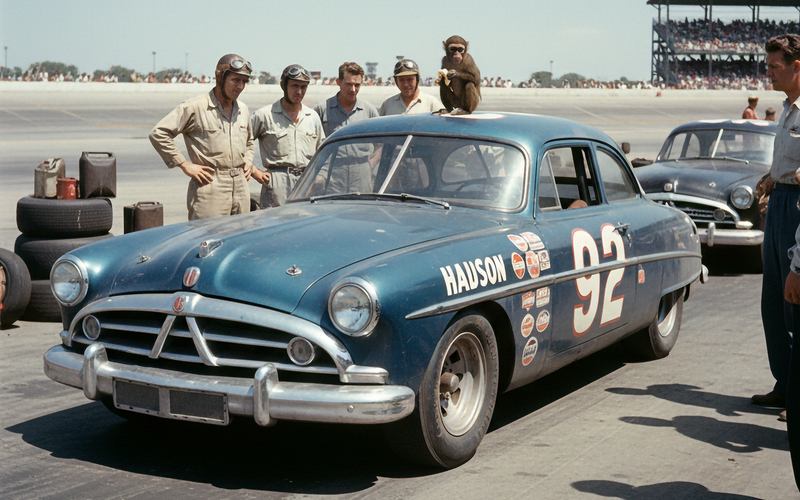
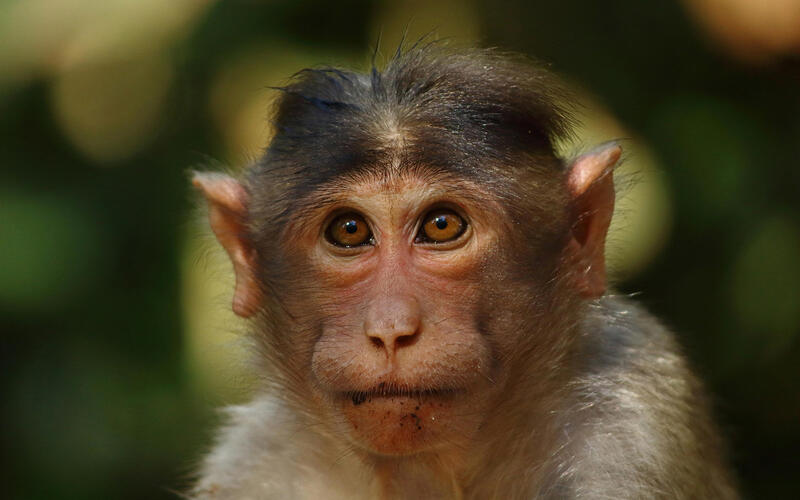
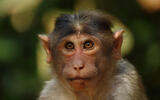
A monkey once won a Nascar race - FACT
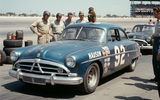
Tim Flock was an early star of Nascar racing, winning the first of two Grand National titles in 1952 driving a Hudson Hornet run by Ted Chester. Early the following year, Chester was in a pet shop when he spotted a rhesus monkey who, according to a tag on his cage, was named Jocko.
The PR-savvy Chester spotted an opportunity, and a few weeks later Flock gained a co-driver: the newly renamed Jocko Flocko, who sat in a special seat, mounted high in the car, wearing a race suit and helmet. And this wasn't just a one-off gimmick: Jocko Flocko took part in eight races alongside Tim, including a dominant victory at Hickory Speedway in North Carolina.
Slide of
RACING
But a few races later he escaped his cage mid-race and, panicked, ended up jumping on Flock and scratching him, prompting an extra pit stop that cost the pair a second-place finish. "I had to pit to get that monkey off my back," recounted Flock-perhaps the only time that phrase has been used entirely literally. Jocko Flocko never raced again.
Slide of
The first Indianapolis 500 winner invented the rear-view mirror - FICTION
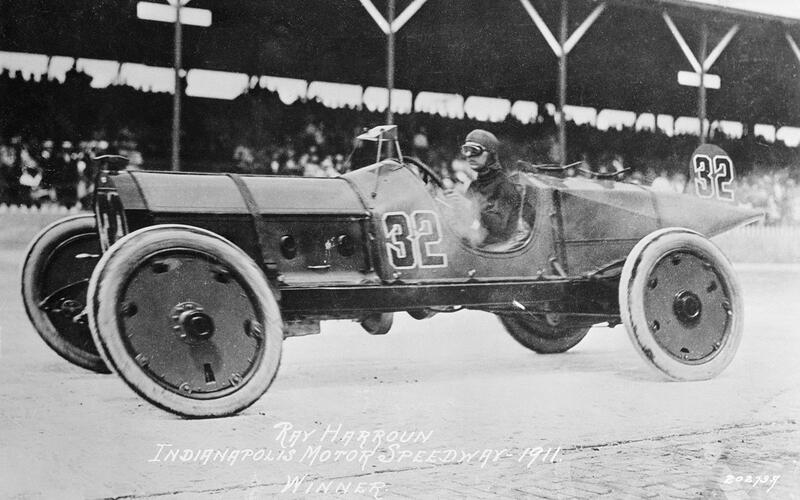
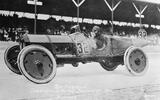
One of the stars of early American motorsport, Ray Harroun was nicknamed the Little Professor for his ingenuity in helping develop the Marmon Wasp single-seater that he raced in the inaugural Indianapolis 500-Mile Sweepstakes in 1911.
The original rules stipulated that cars had to carry a ride-on mechanic - in part to keep an eye on any rivals coming up from behind. Harroun didn't want to carry the extra weight, so his solution was to fix a mirror to his car and then convince officials that he should be allowed to race without a mechanic. They eventually agreed and Harroun took victory - and is now often credited with inventing the rear-view mirror.
Slide of
THE MYTH
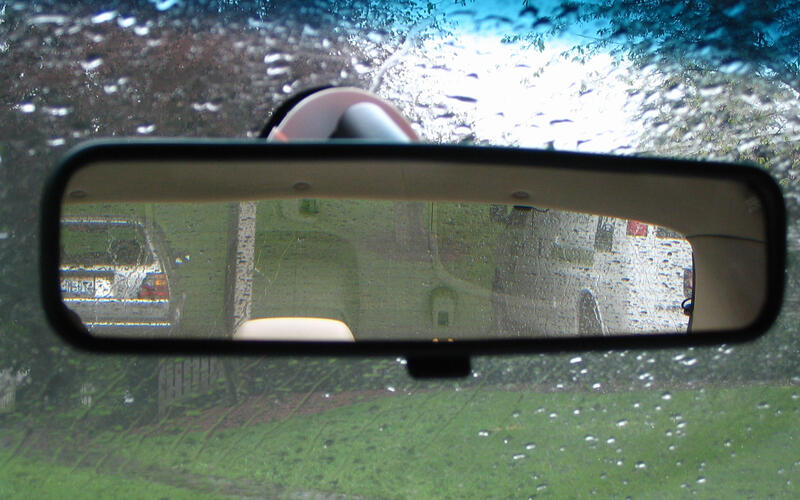
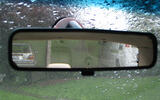
Except he didn't. You can find references to attachable mirrors being offered in the UK in Autocar magazine from as early as 1906, and there are similar examples from the era in the US, France and elsewhere. Elmer Berger is sometimes credited with inventing the rear-view mirror, but he was merely the first to patent it, in 1921. And the name he chose suggests it was intended for a specific purpose: it was called the Cop-Spotter.
Access control:
Open
Include in Apple News: