

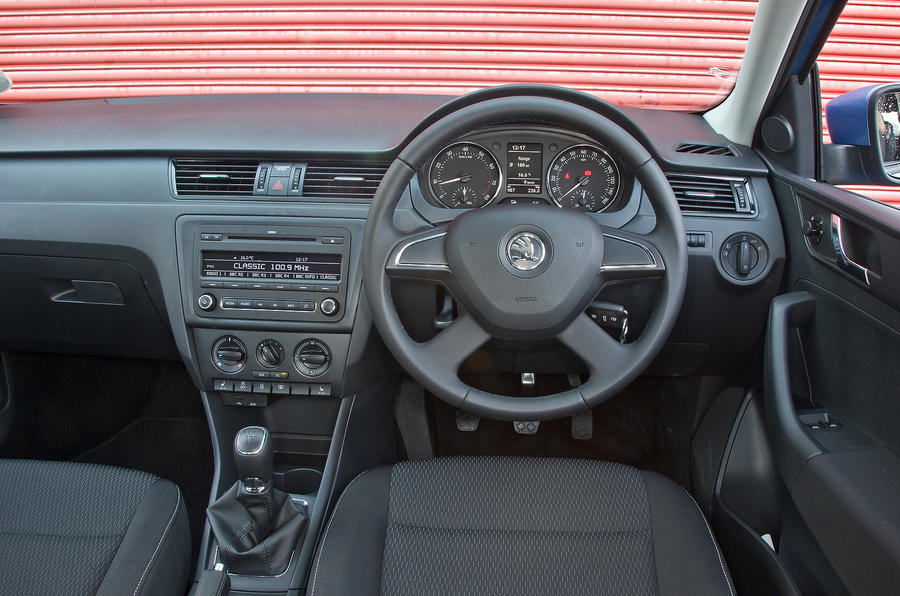





Skoda is going places. So much so that it might need to revise its production targets upwards, even from a stated goal of making 1.8 million cars per year by 2018.
Globally, Skoda has hit a chord with the buying public. Its products mean the same thing everywhere: they’re good value, they’re more spacious than you’d expect and they’re adorned simply inside. It is an image that has resonated in a crisis-ridden world.
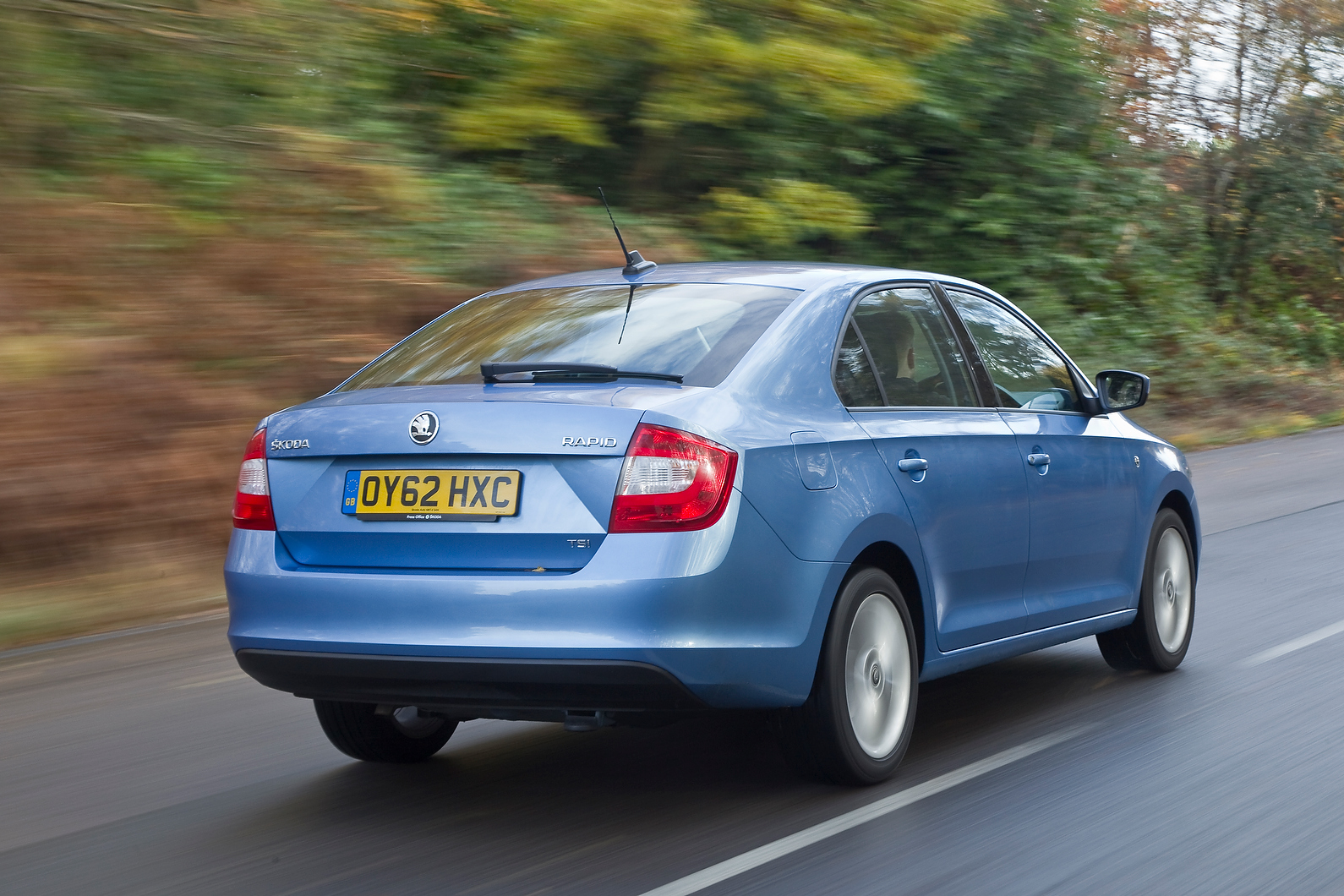
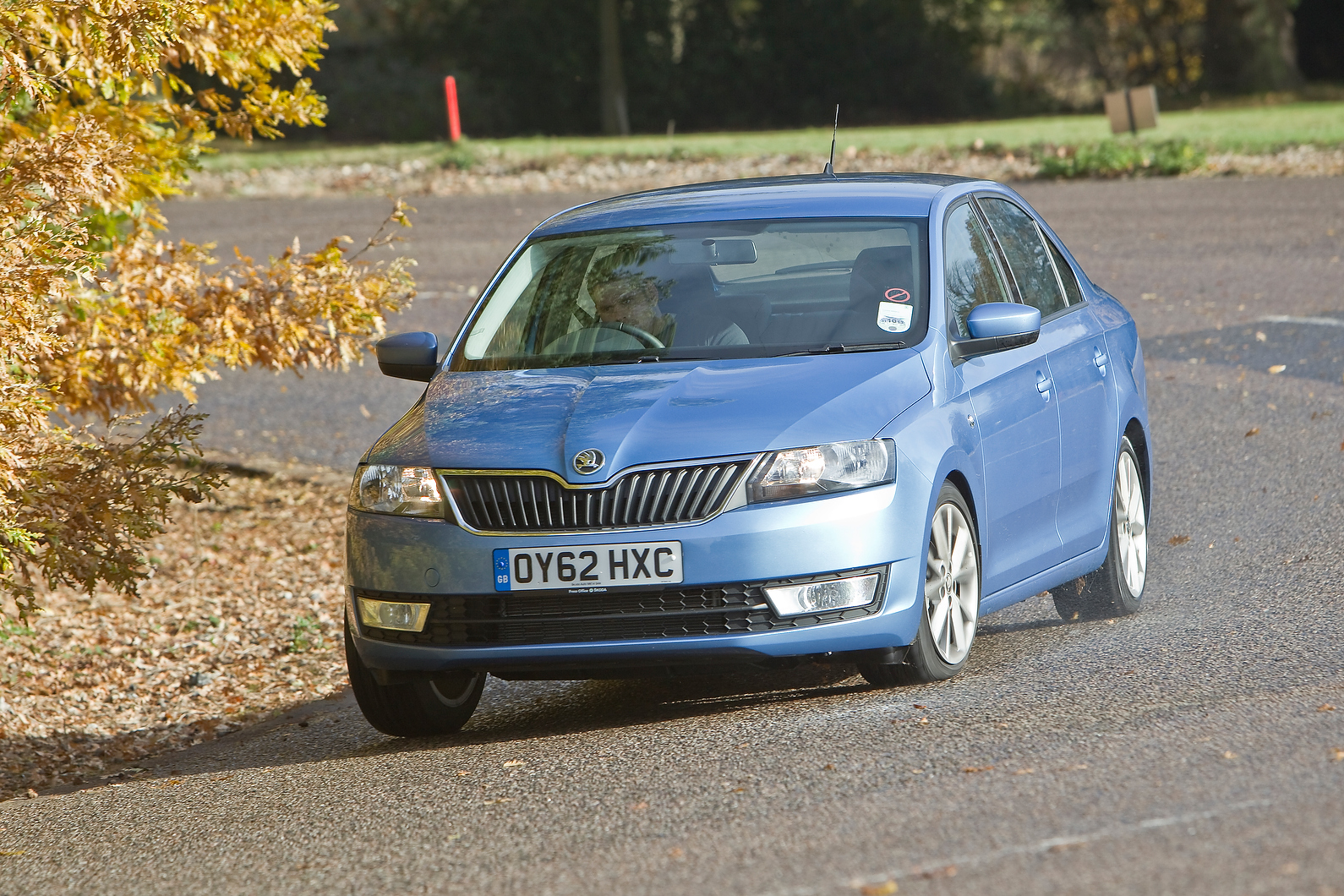
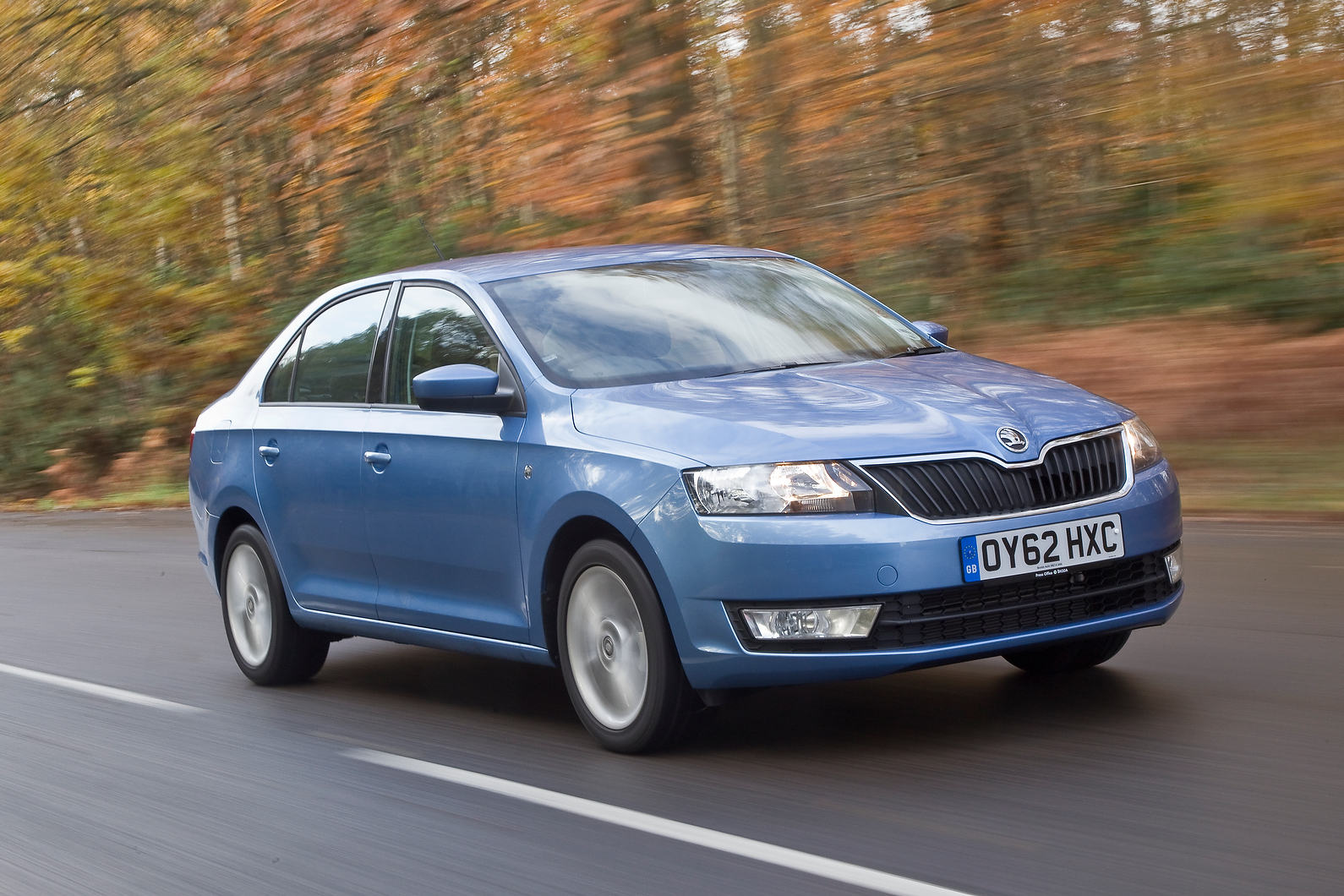
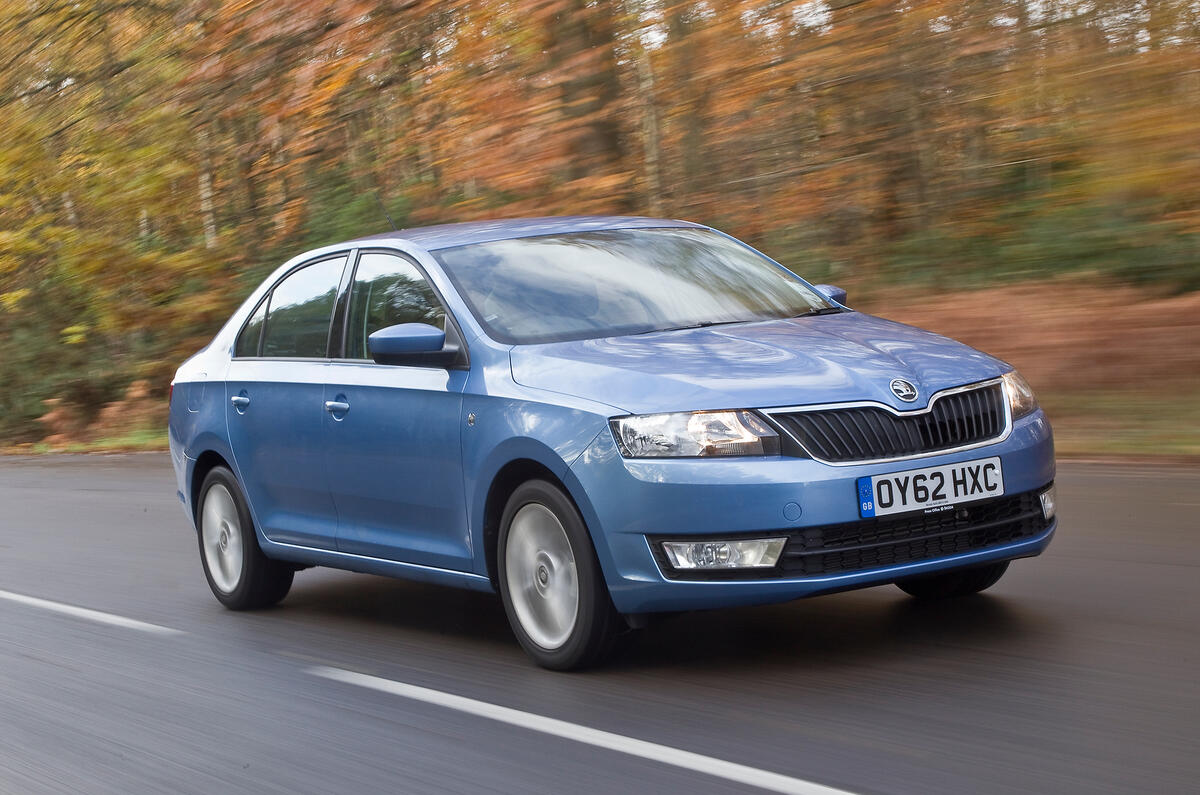
The Rapid kicked off a latest production expansion that was followed by the current Skoda Octavia range, new Skoda Fabia, new Skoda Superb and, a first for Skoda, the Skoda Kodiaq SUV. That pace of change means that in summer 2017 it’s the Rapid’s turn for a facelift.
It’s the Rapid that brings some balance to the line-up, sitting as it does in the gap between the Fabia, which we’ll now think of as a conventional supermini, and the Octavia, which has hitherto been small for a Ford Mondeo-segment car, or large for a Ford Focus-sized one.
Skoda Scala 2018 prototype review
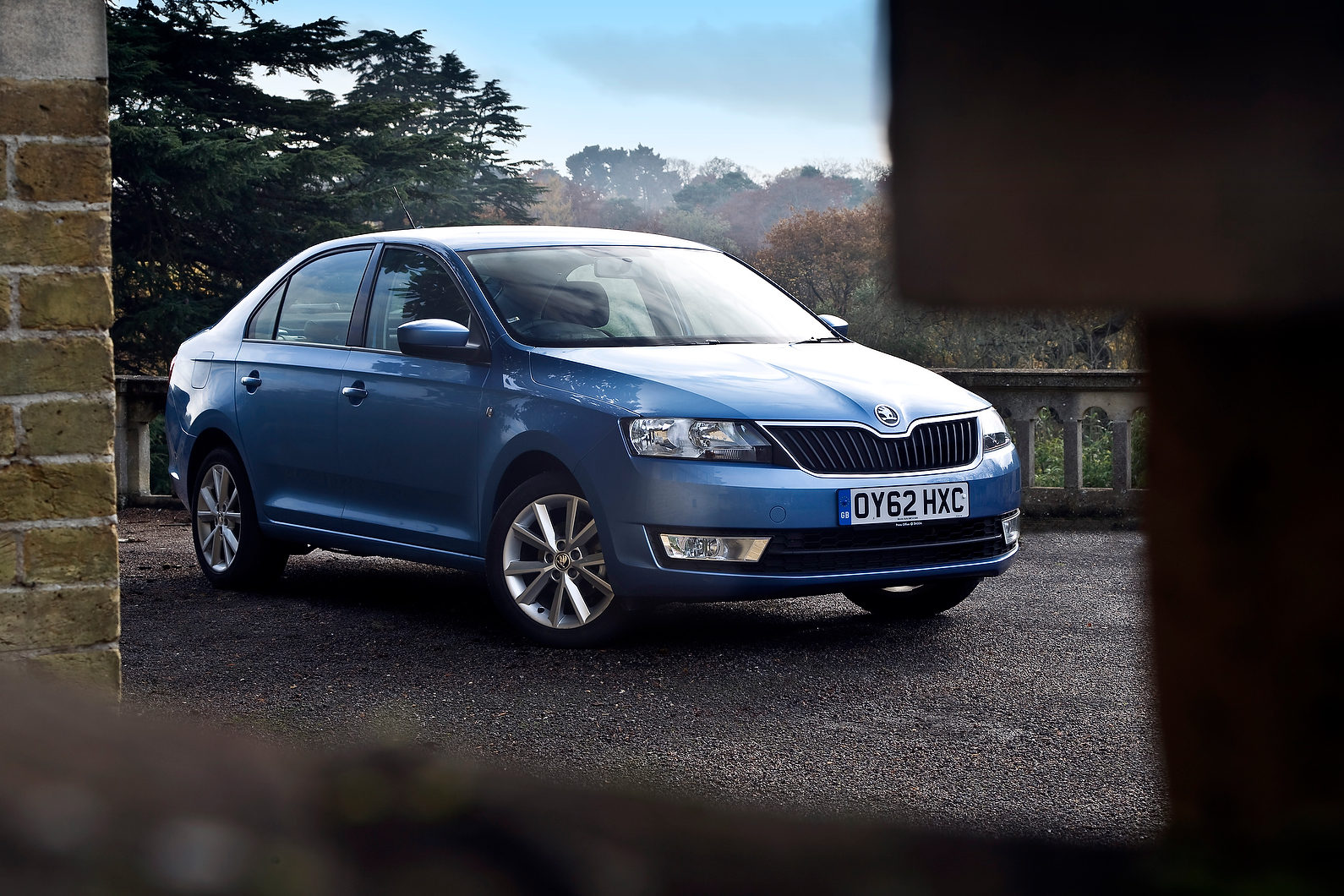
Skoda's Rapid – a straightforward, spacious, good value C-segment competitor – will occupy the ‘small family’ ground and push the Octavia up into fleet territory.
To that end, it’s average-sized, of average weight and wears the kind of keen price sticker you’d expect to find on a car that is aimed mainly at private buyers.