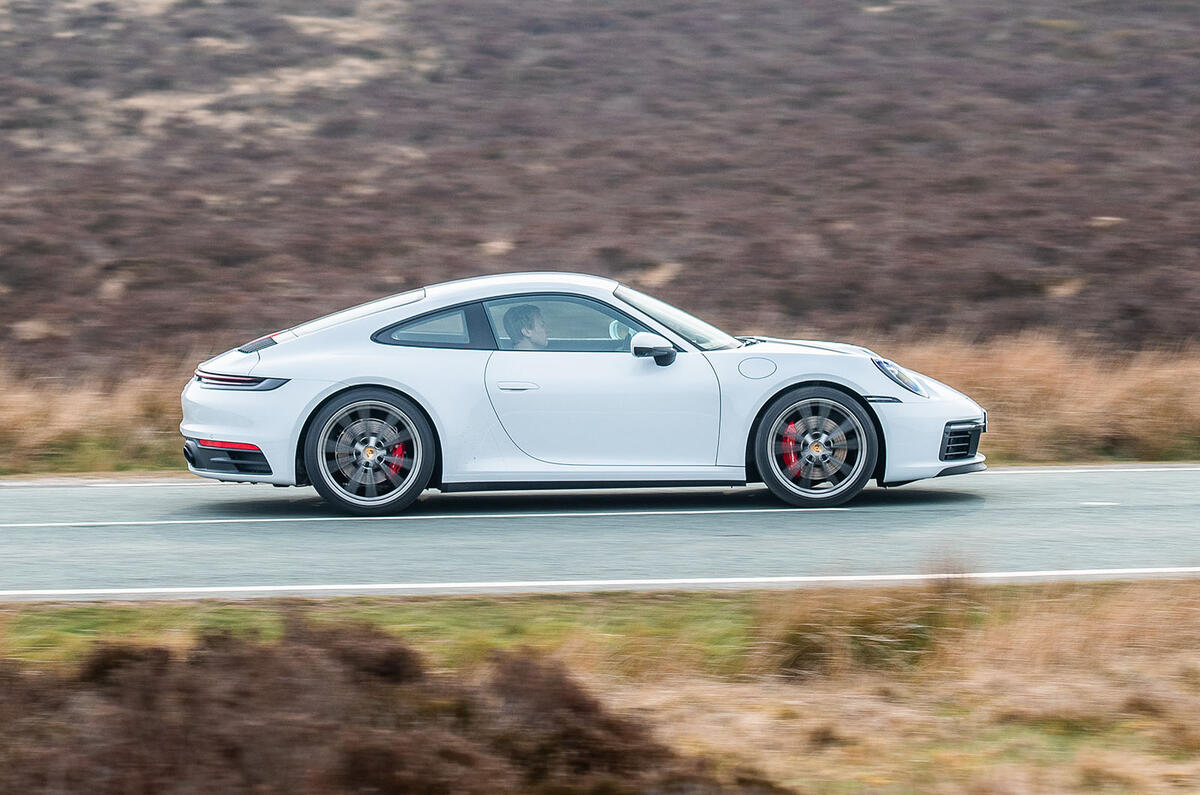
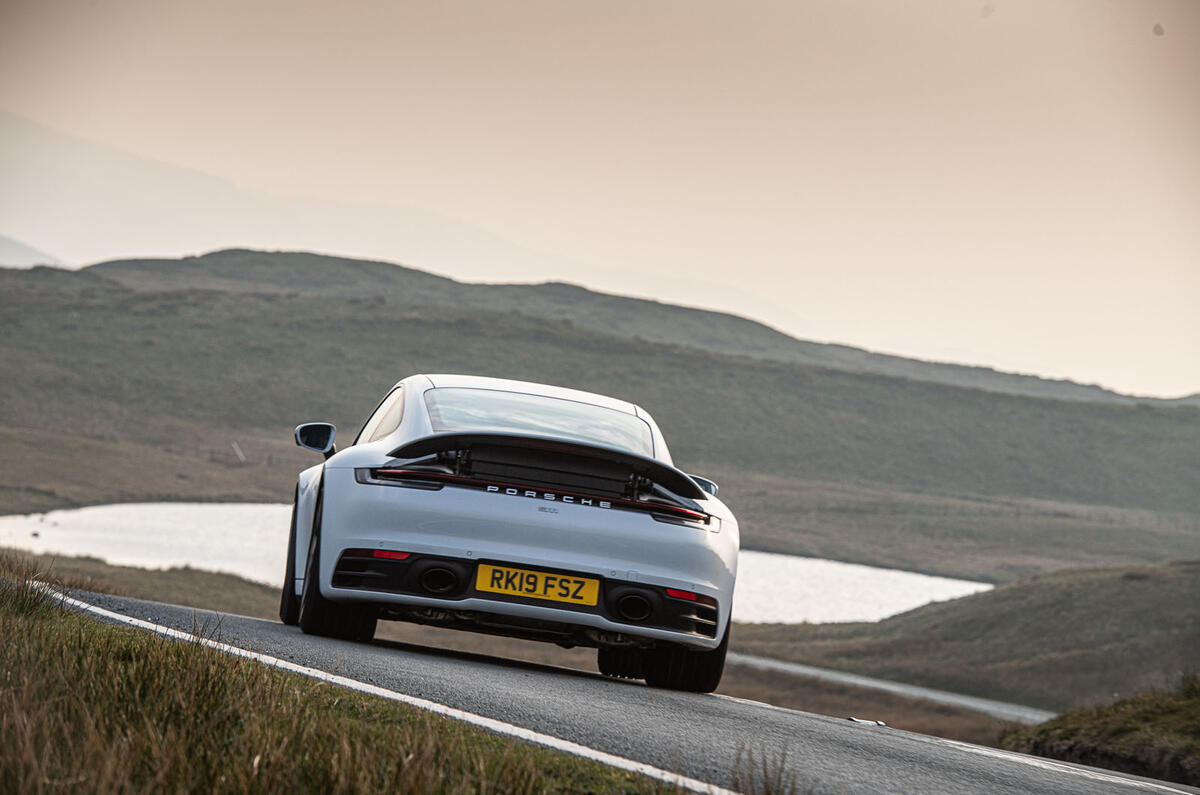

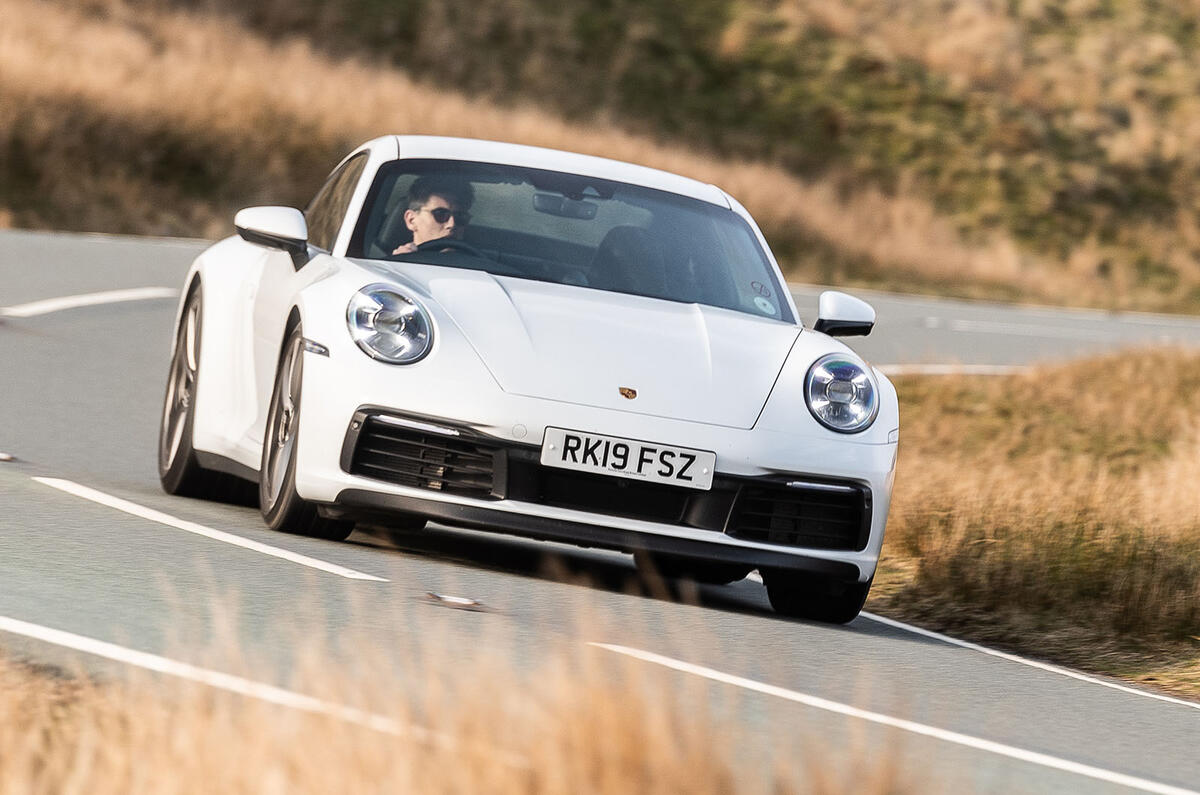
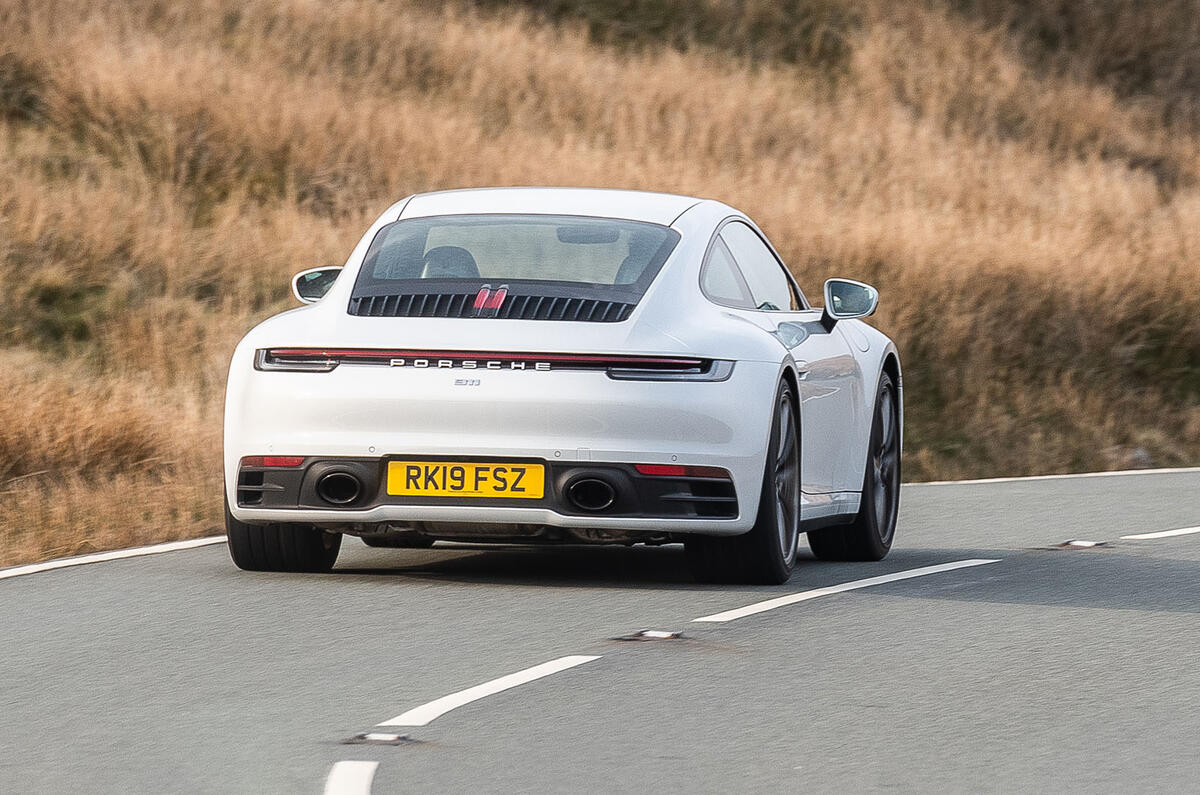
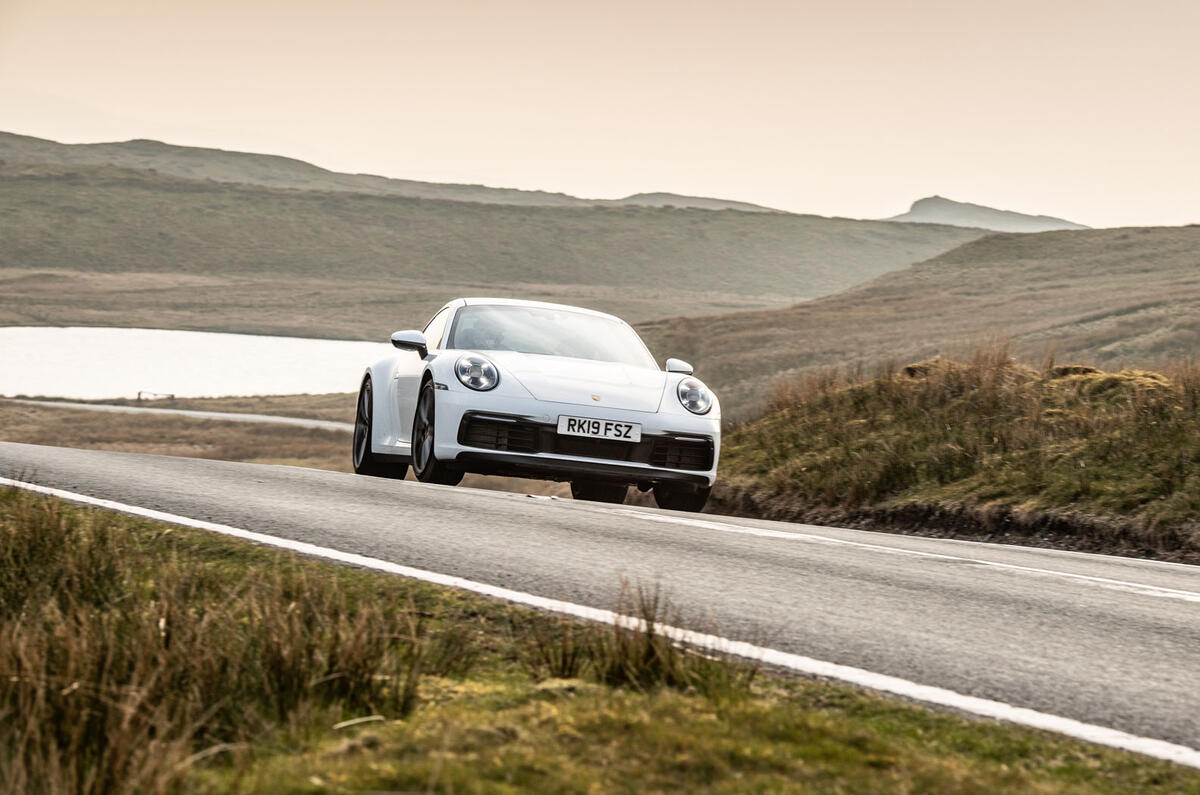
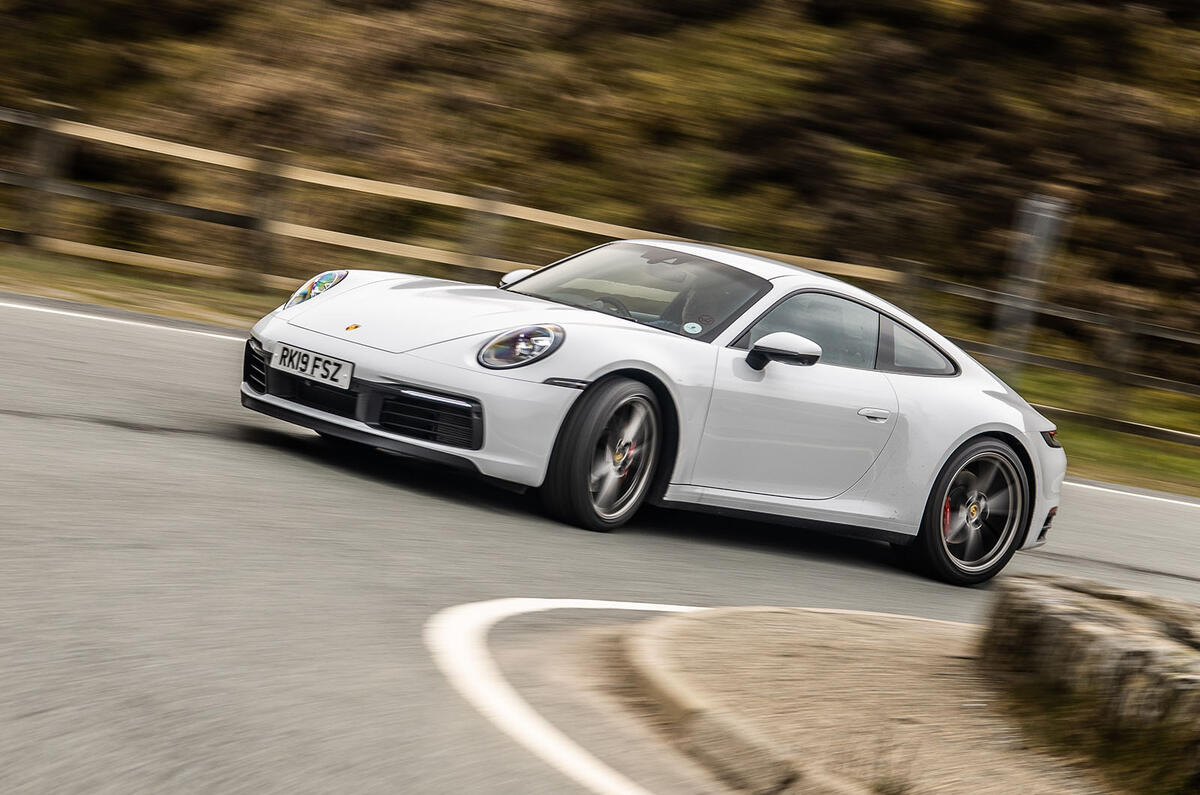
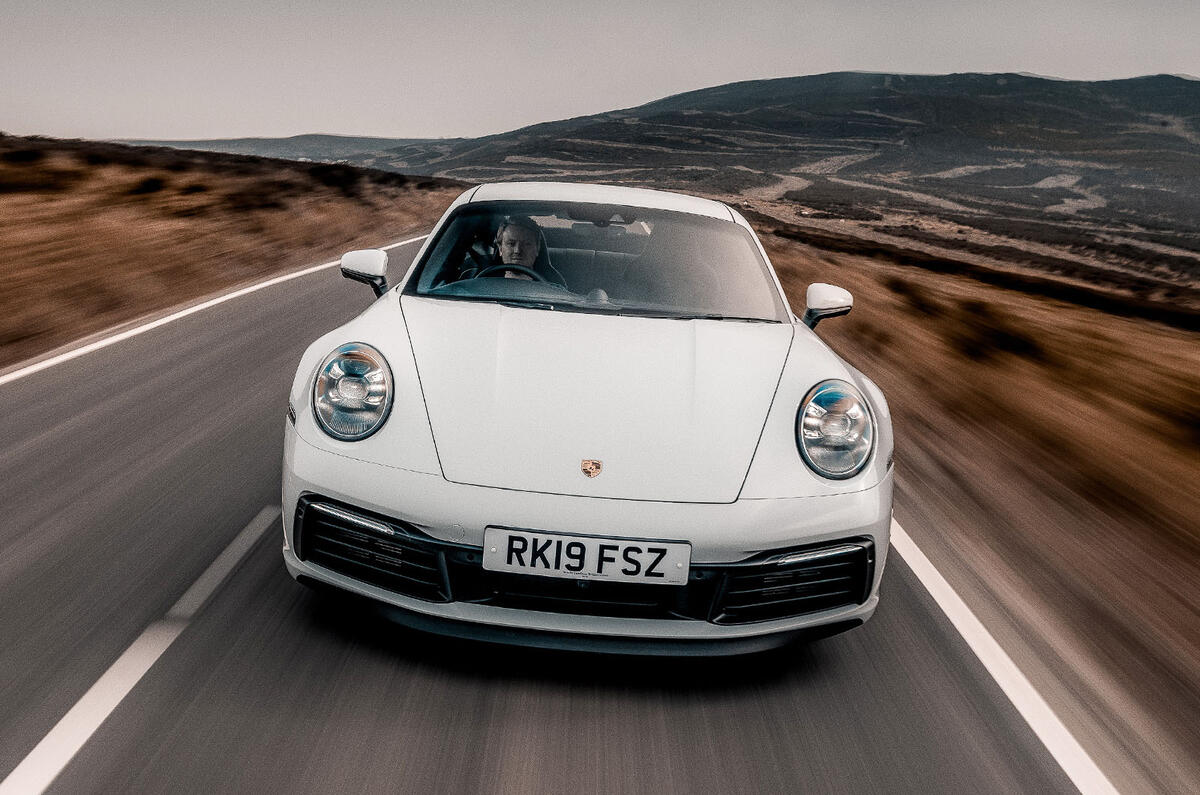
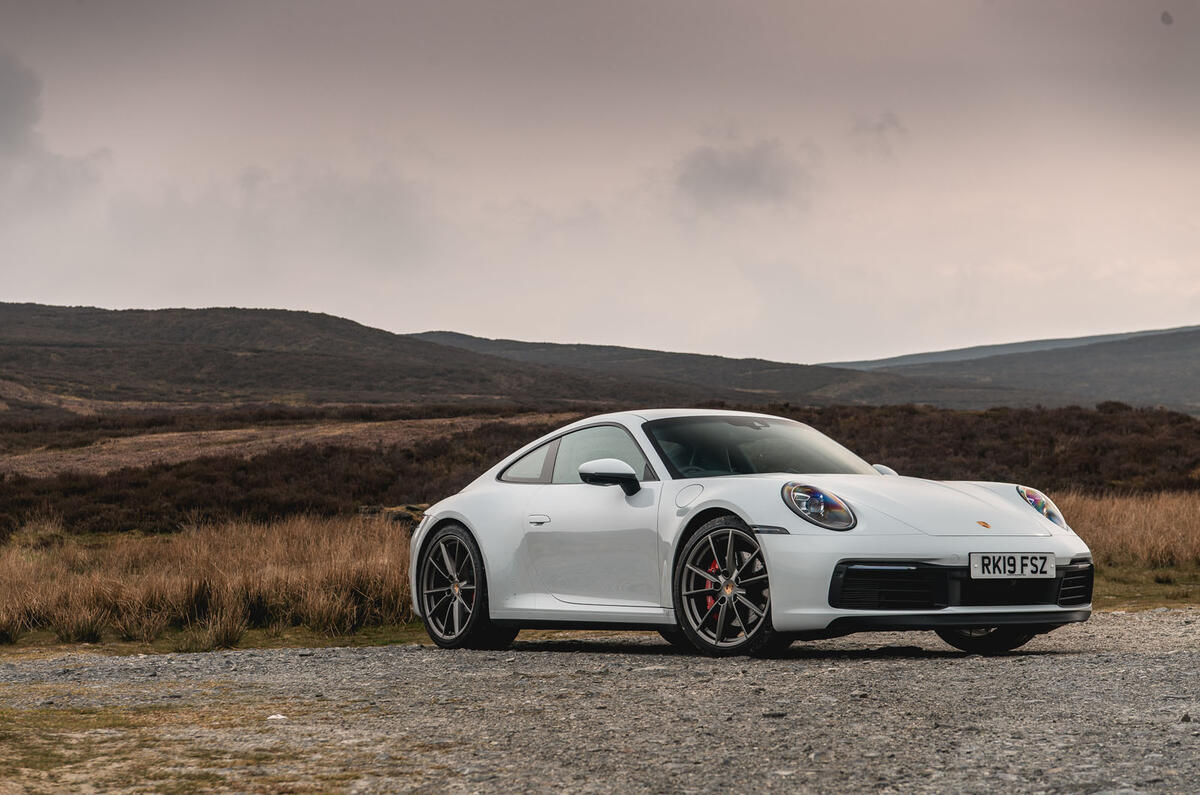
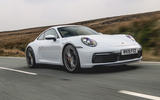
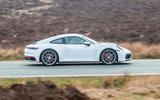
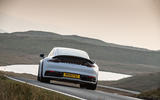
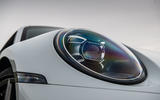




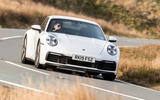

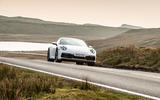
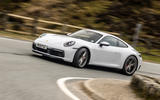
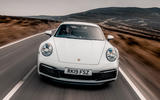
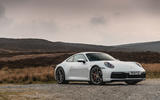


The much-celebrated, world-renowned Porsche 911, now 56 years and eight full model generations old, remains a shining beacon to the rest of the car business.
It offers a salutary lesson to other car makers: manage your icon carefully and preserve what’s unique and distinctive about it, while updating what’s old and flawed; listen to what people love about it; and keep it relevant, modern and competitive without making it any less special. By sticking to these principles, you can make enduringly profitable success out of sports car making. What’s more, you can do it in a way unlike anyone else in the industry.
It may not always have been the case, but this car remains great business for Porsche. It’s often said that Stuttgart’s SUVs make the money that it can, in turn, invest in its world-class driver’s cars – but that does a gross injustice to the cash-generating capacities of the 911.
The Porsche Macan and Porsche Cayenne have turned Porsche into a 250,000-unit car maker, it’s true. But since the mid-1990s, when the firm introduced the first Boxster and rationalised its sports car platforms, the 911 has been in a league of its own as a business proposition among sports cars of its price. And only cars as successful as that get to flourish for as long as this one has.
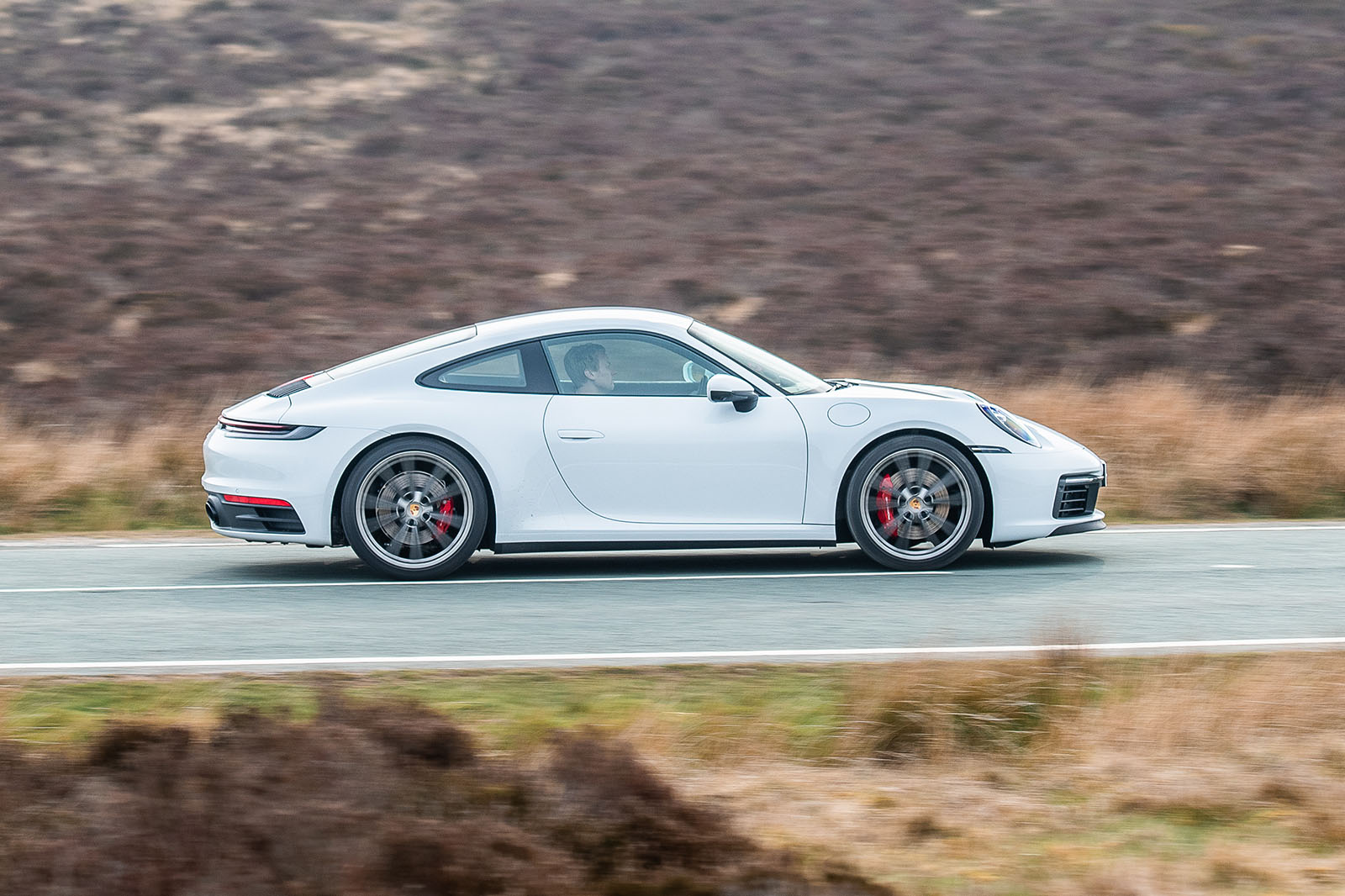
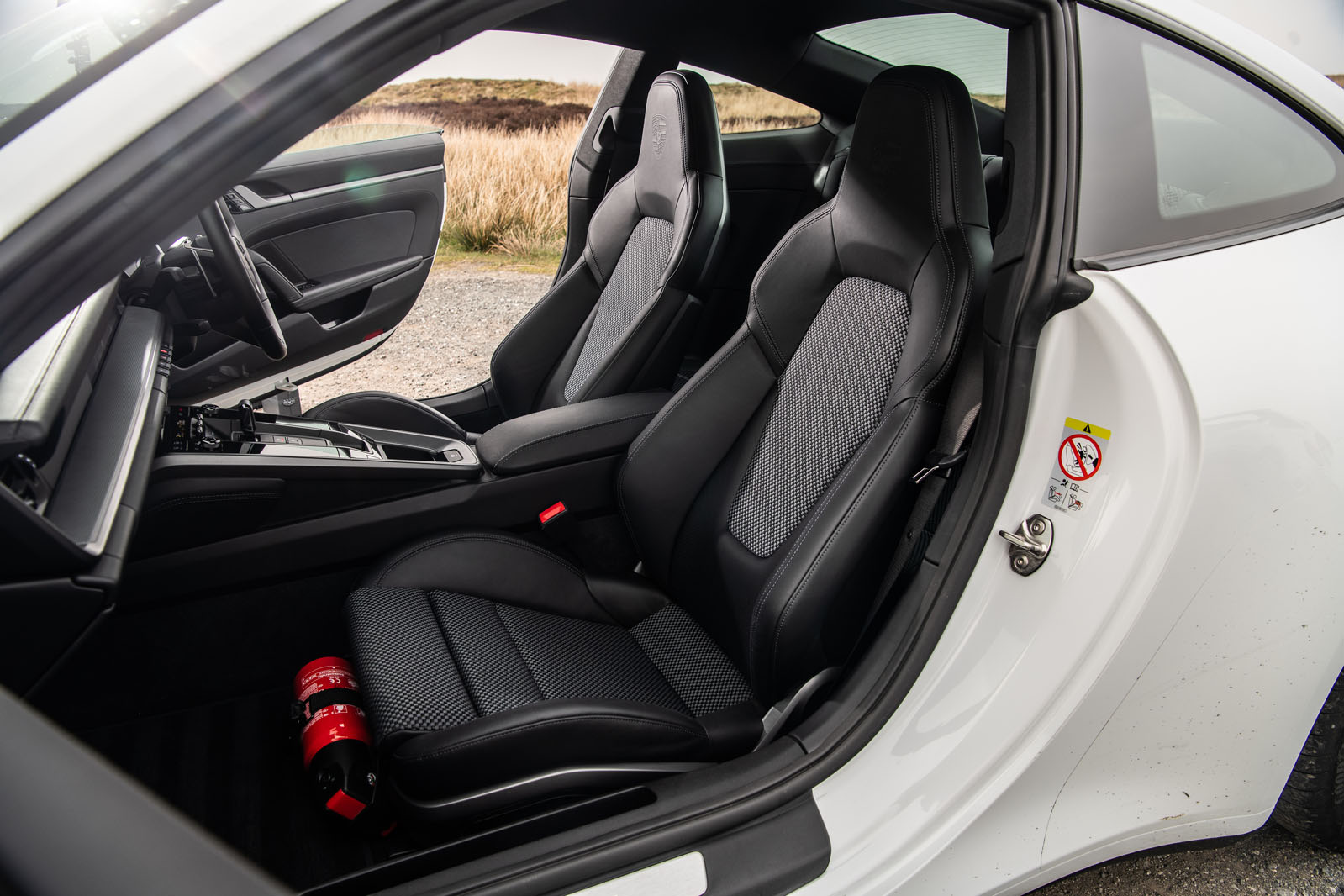
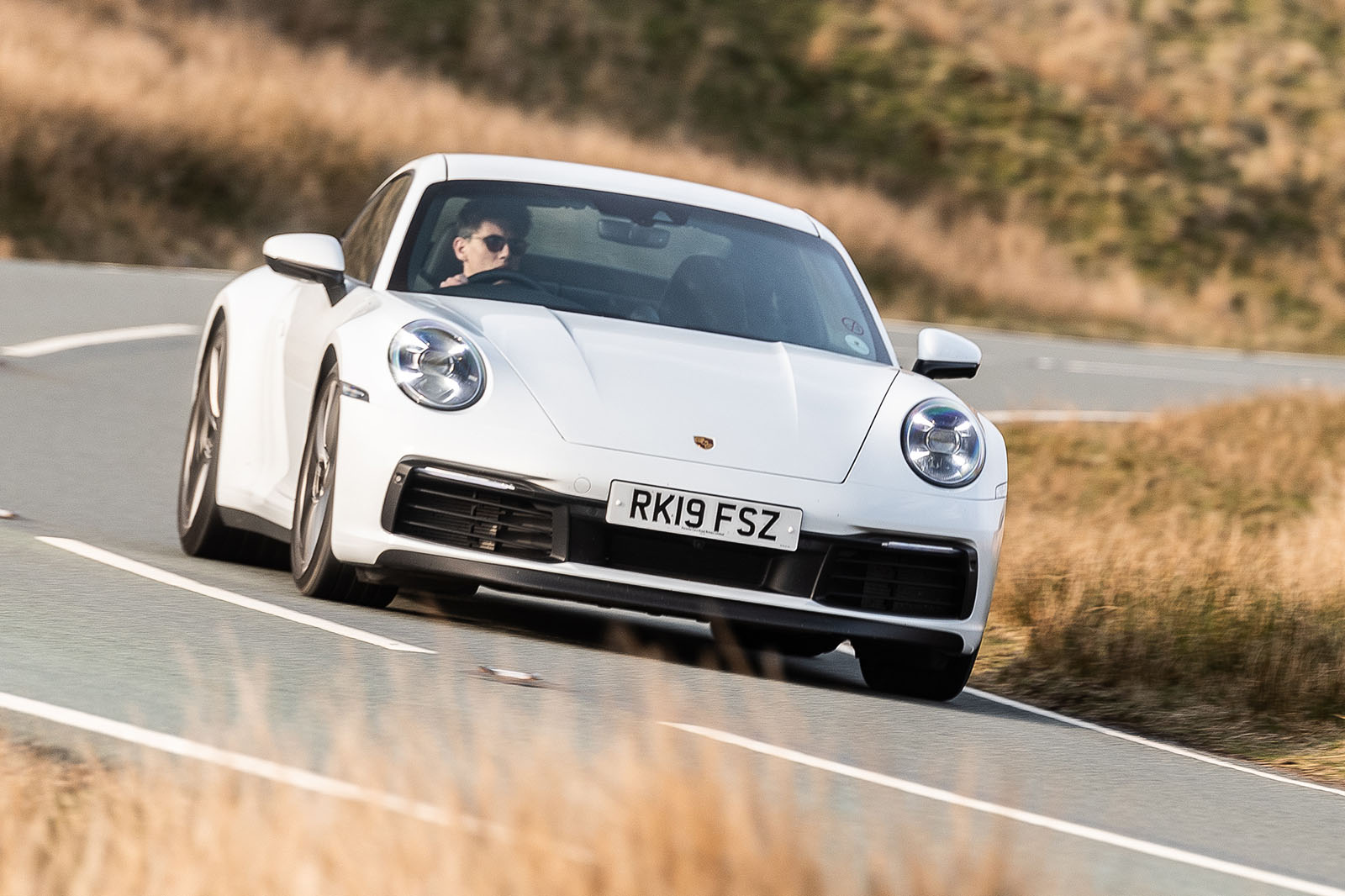
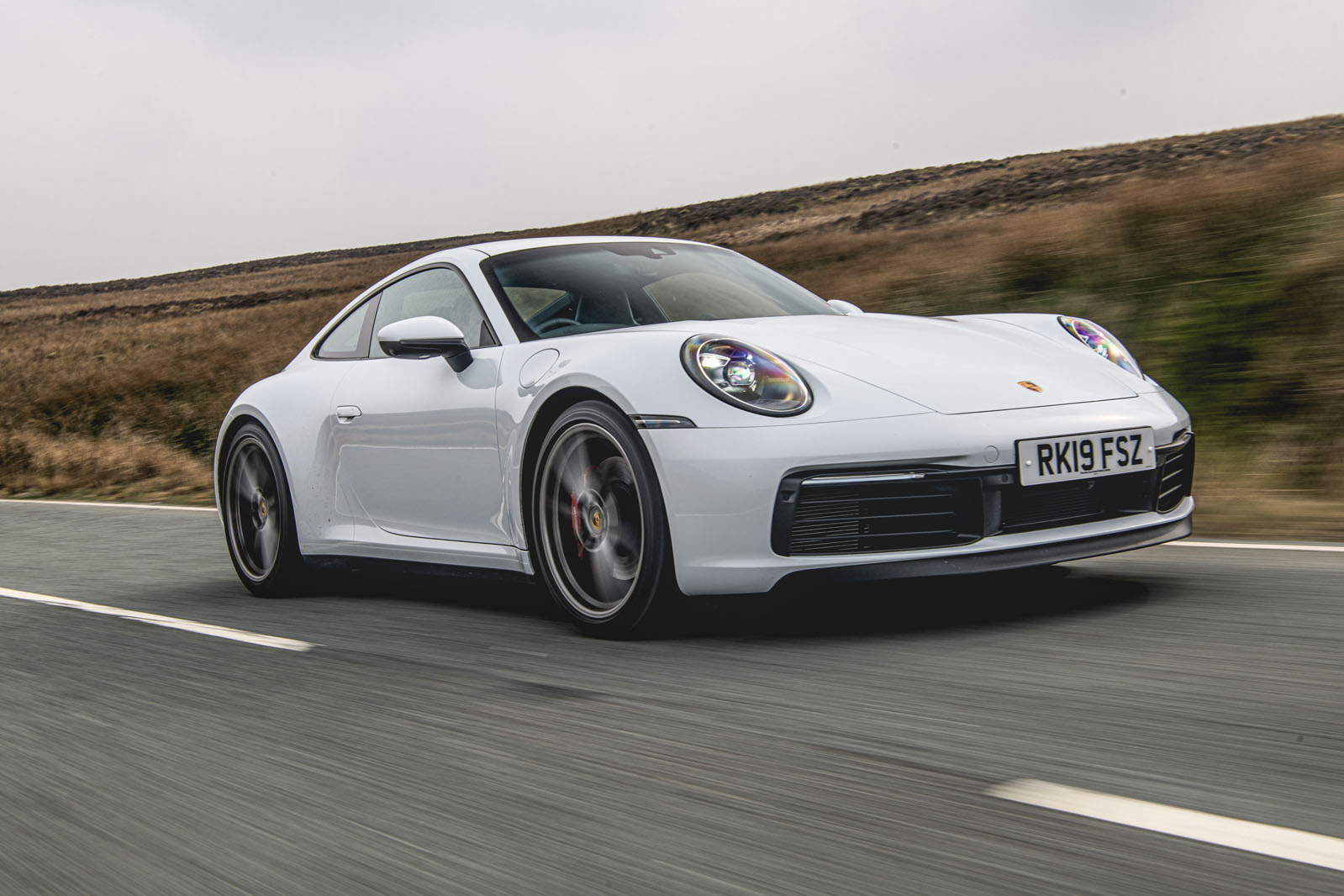
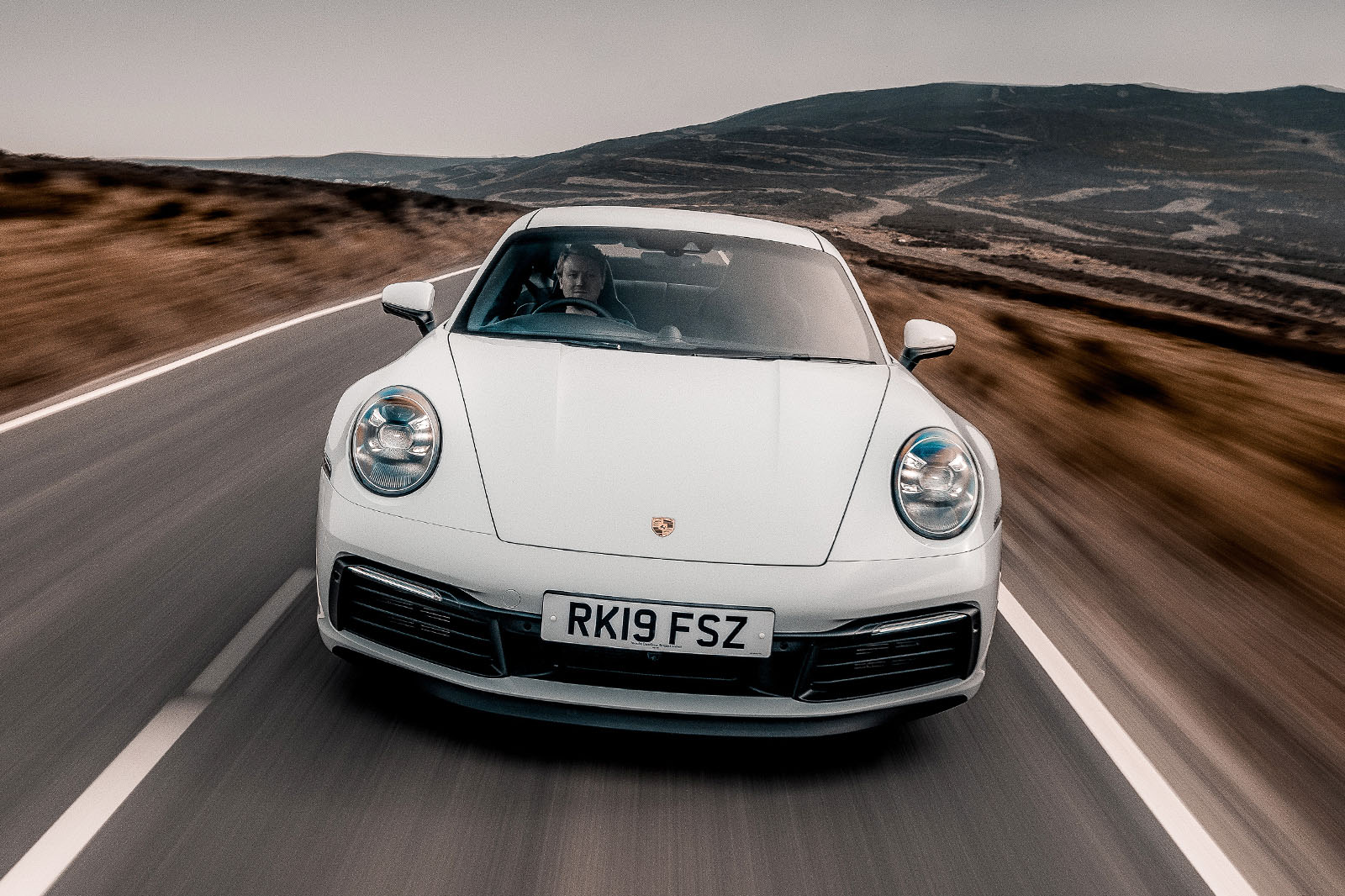
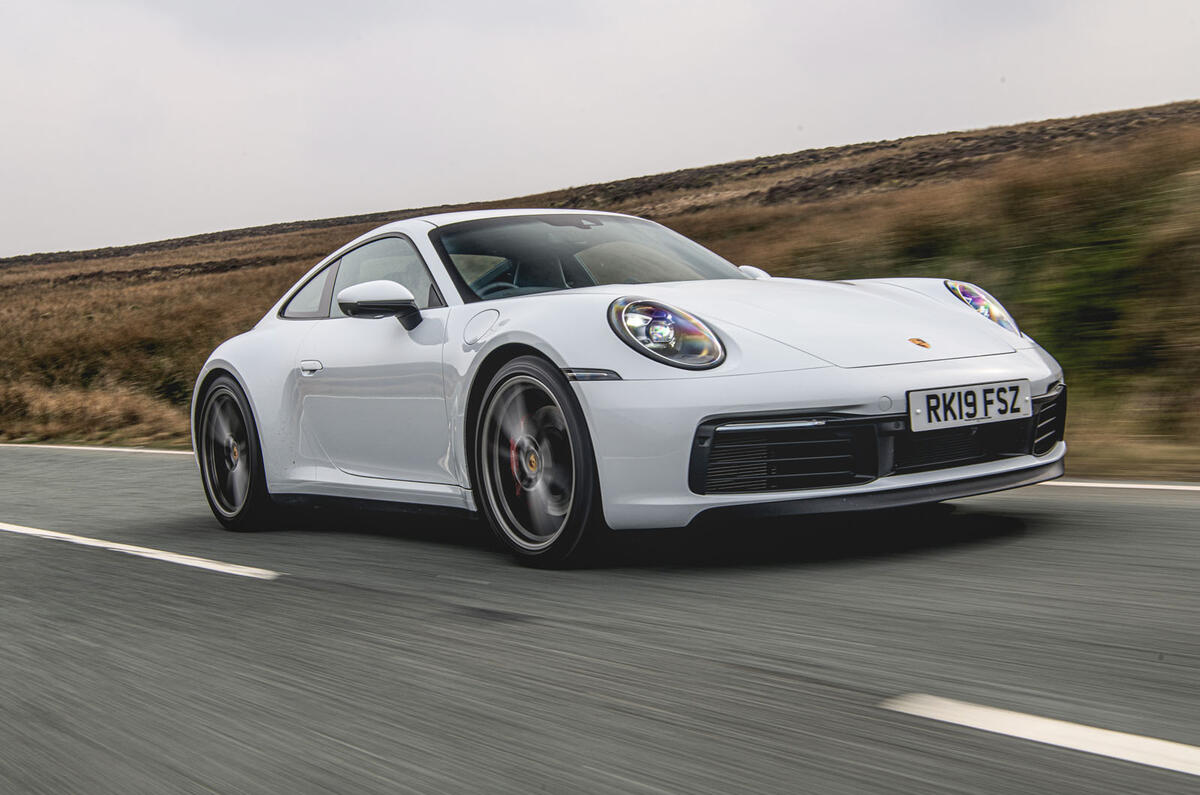
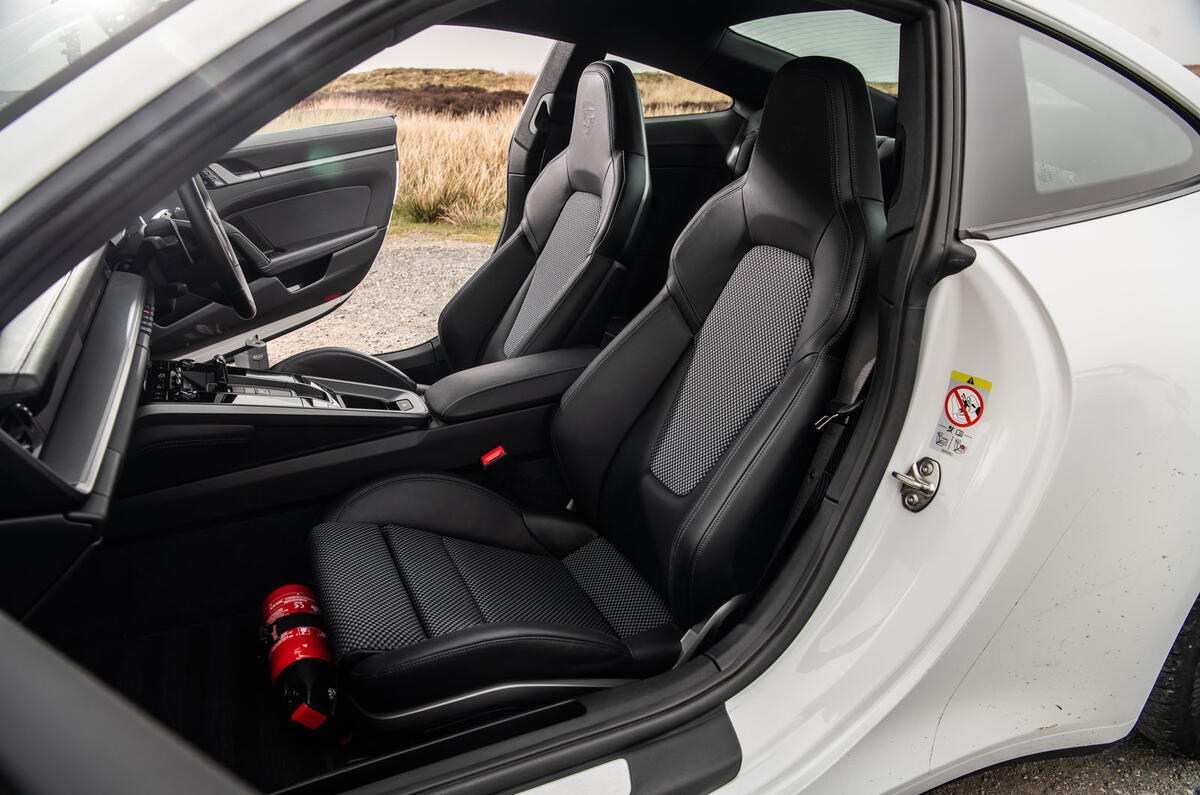
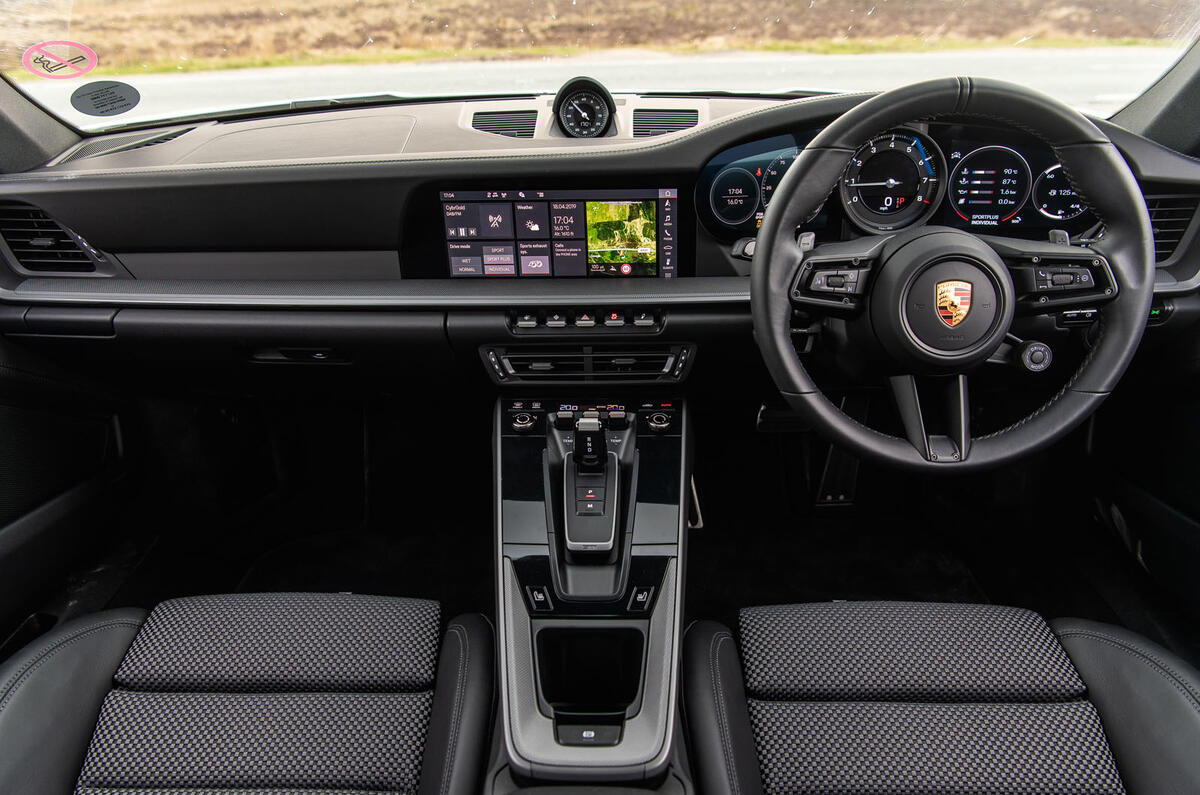
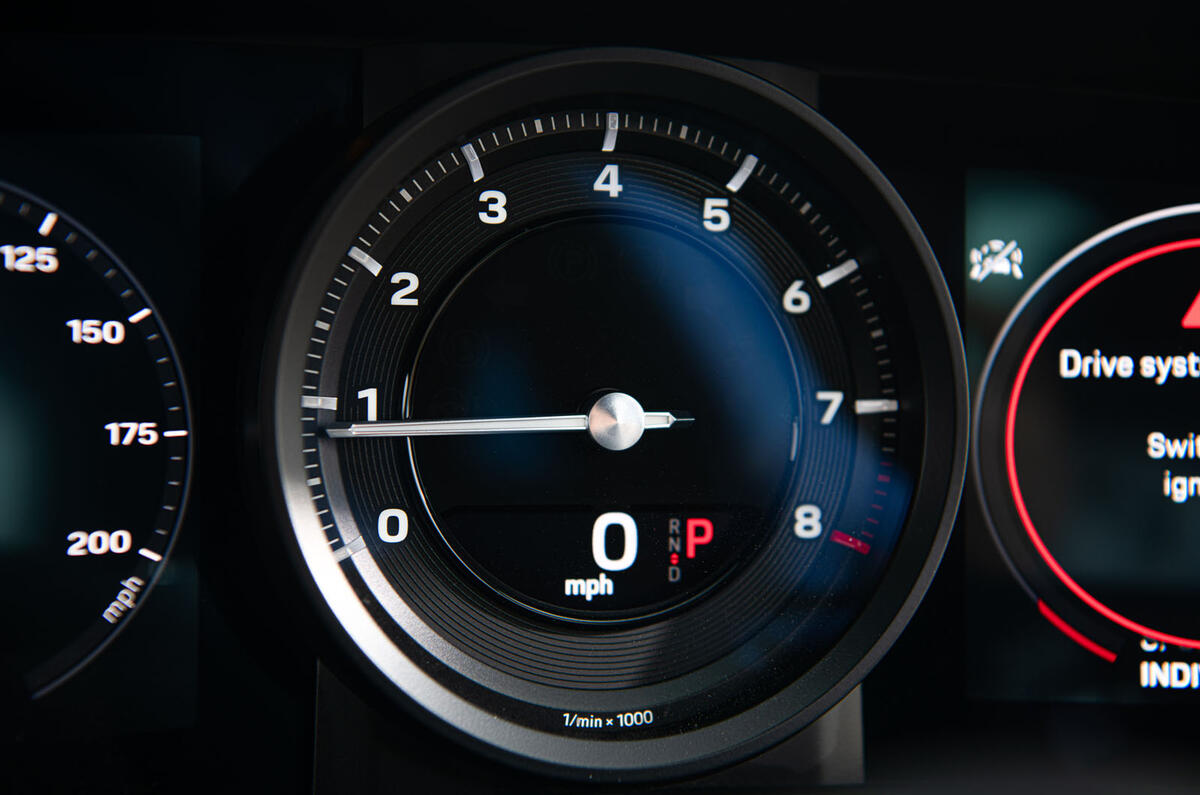
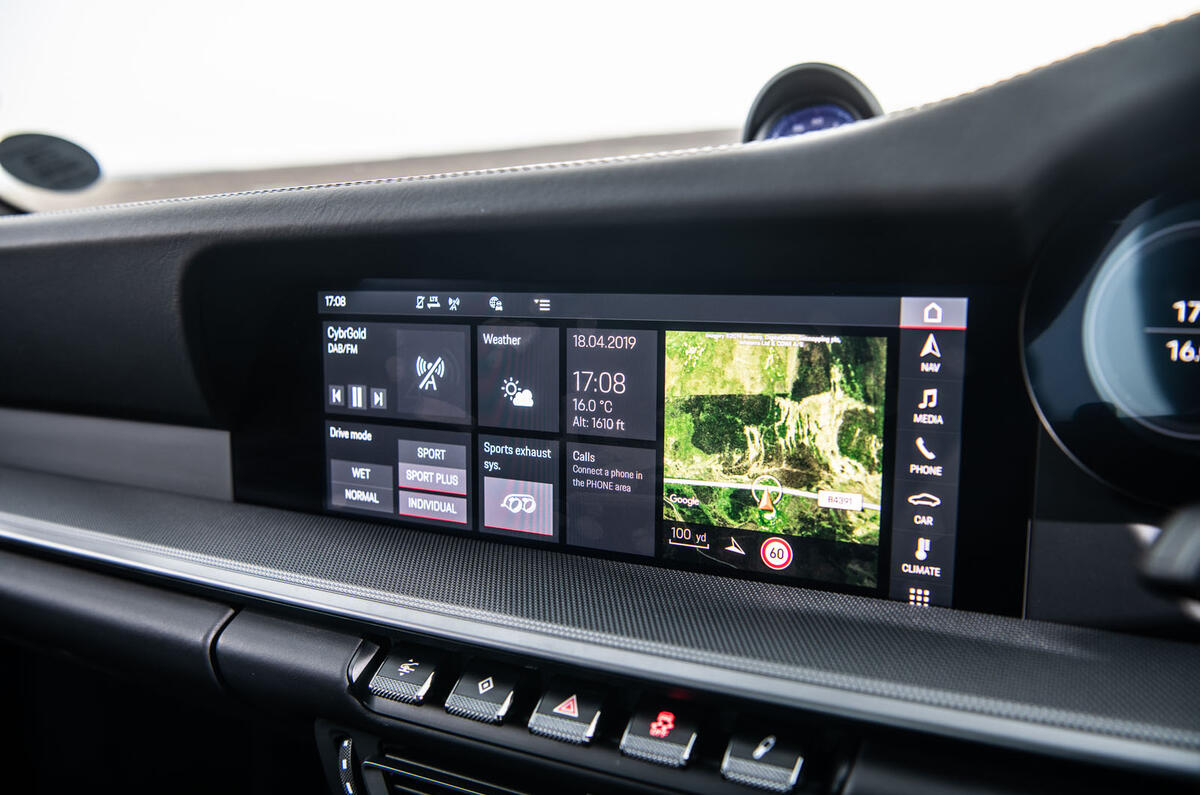
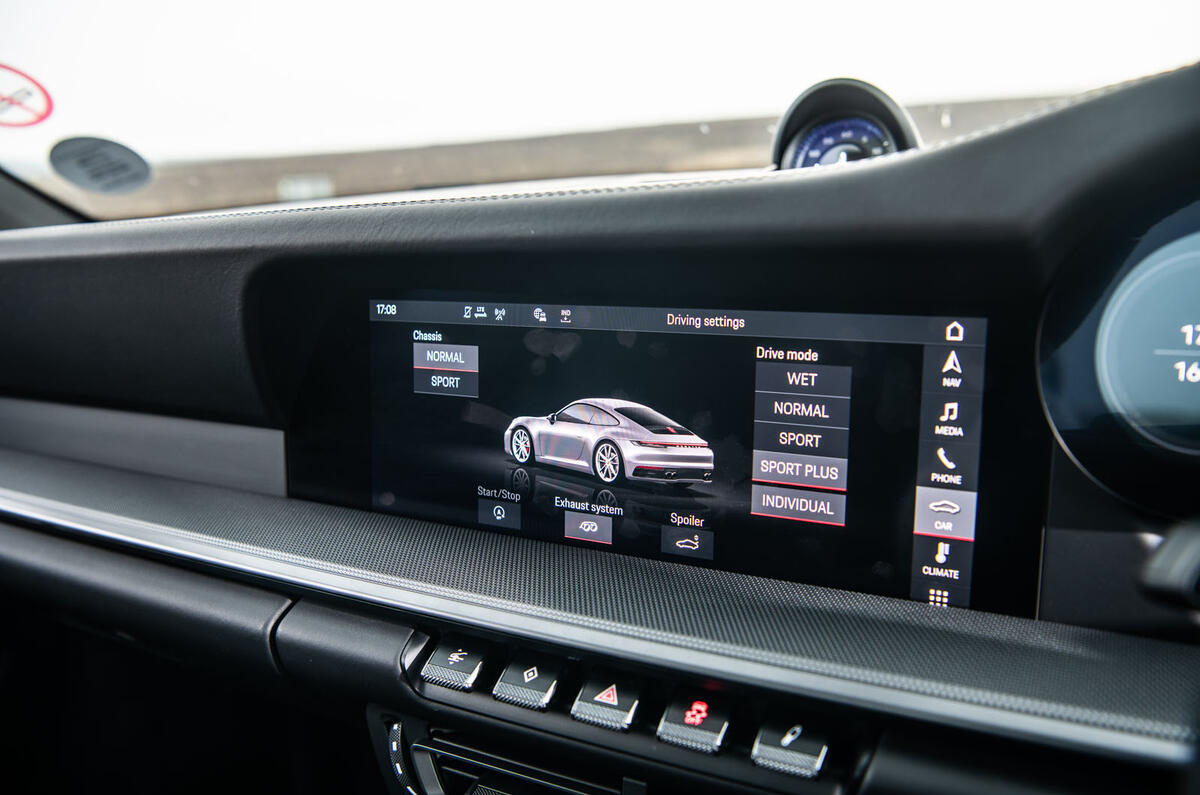
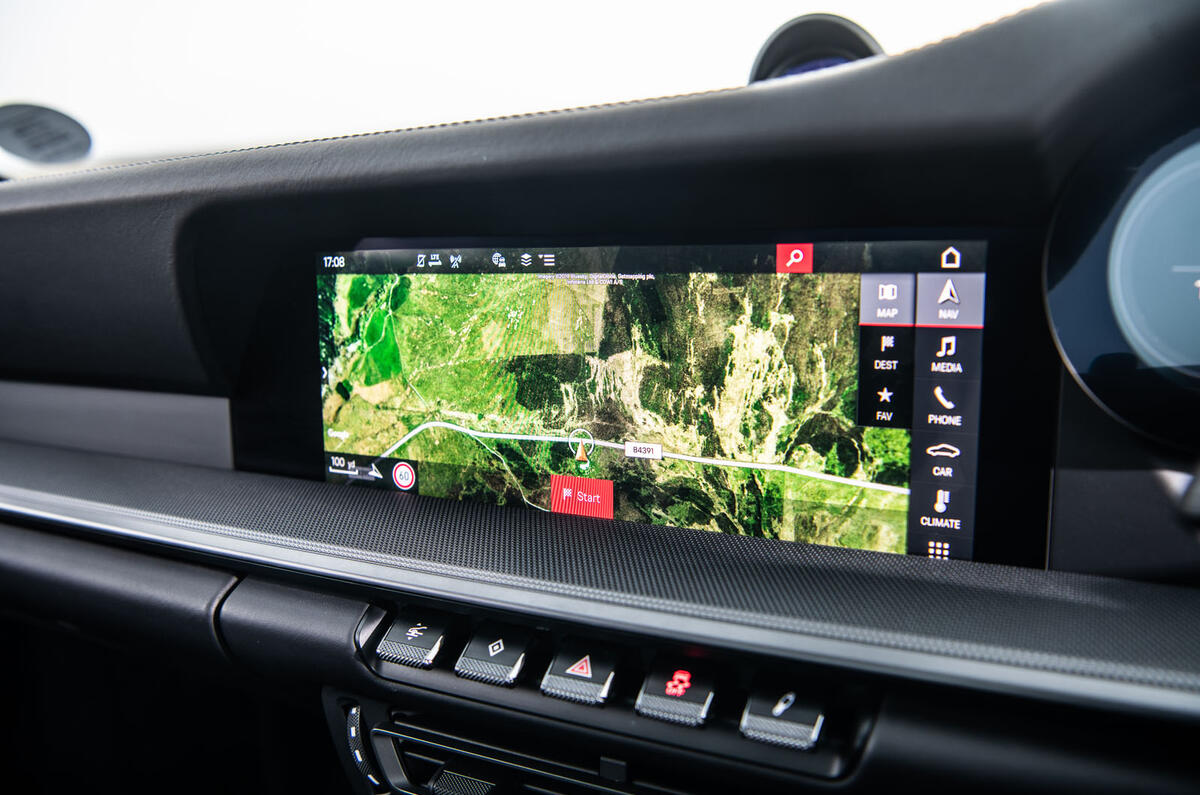
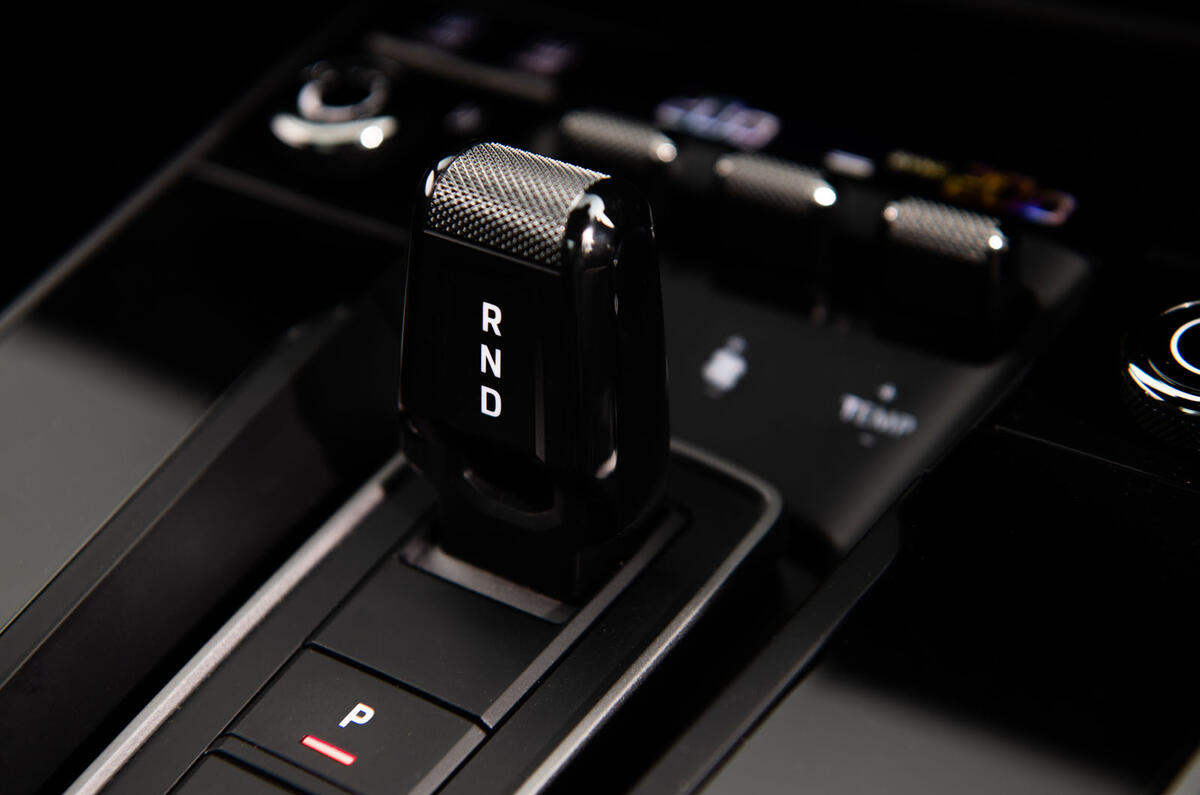
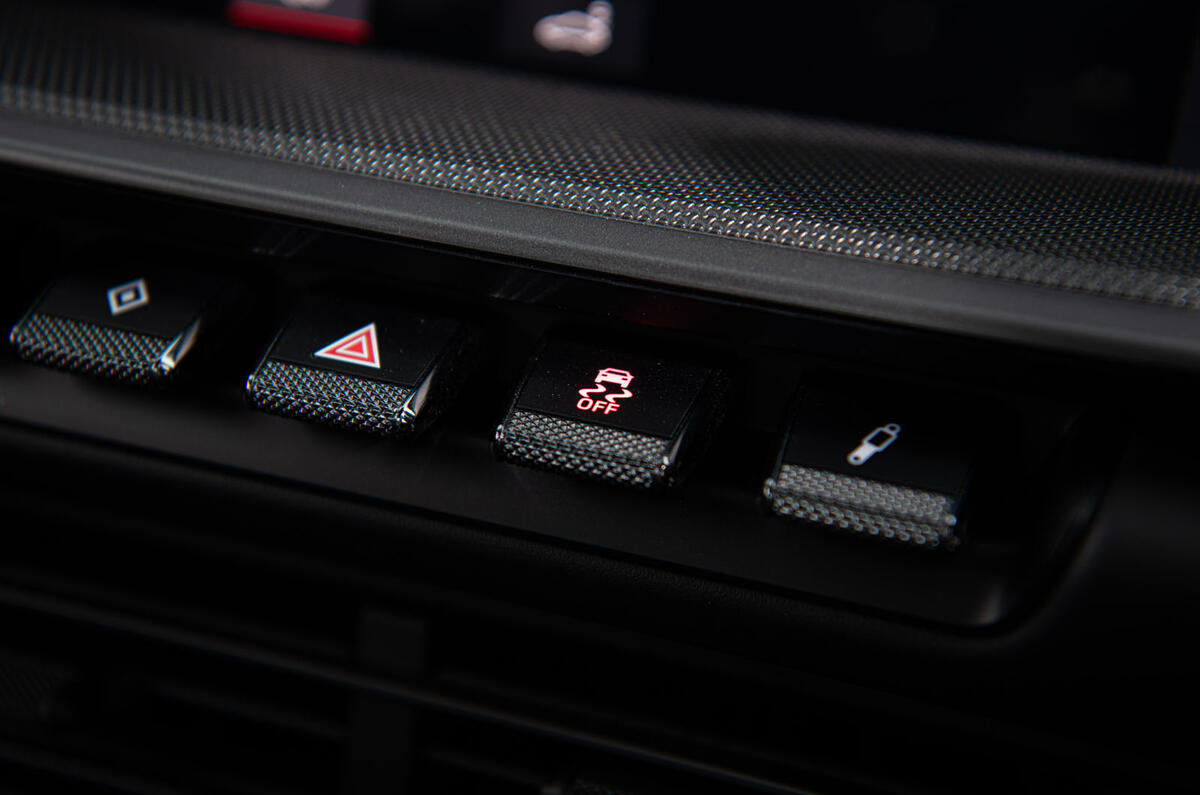
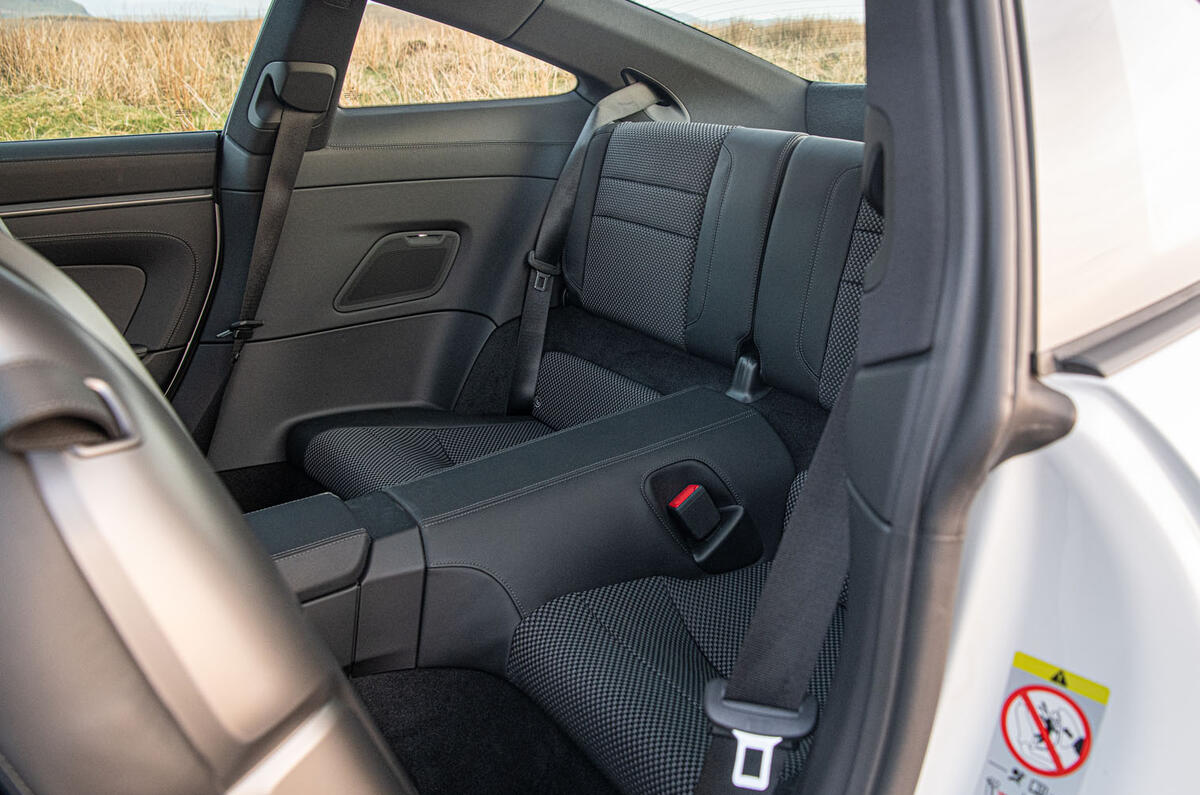
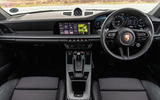
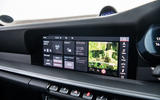
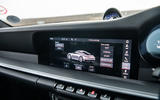
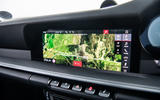
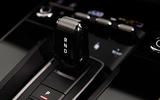
As you may have already read, this latest-generation 911 counts as more of a revision than a thorough technical reboot. The ‘992’ sticks with updated versions of the turbocharged flat-six engines of the facelifted ‘991’, has become very slightly larger and stiffer in its underbody construction and, unlike any 911 before it, has all-aluminium bodywork. There is also new suspension tuning and a new gearbox, while an all-new interior brings the 911 right up to date.