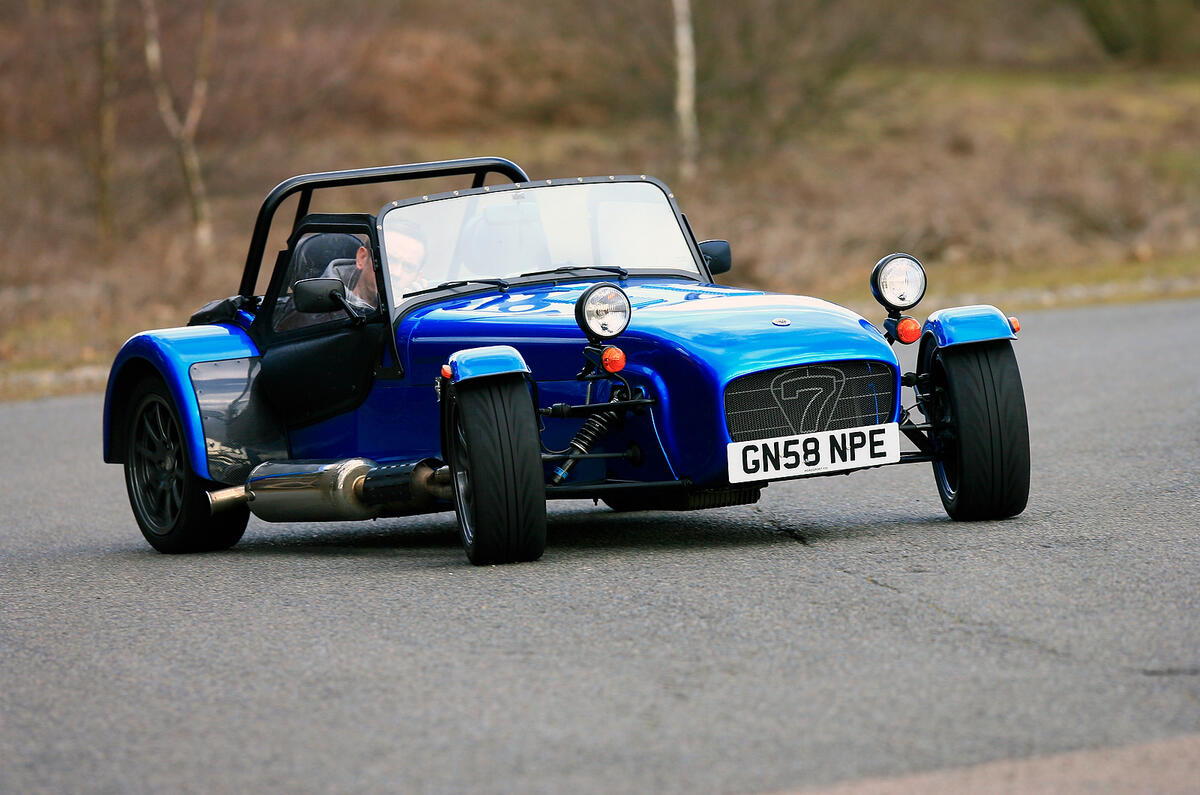
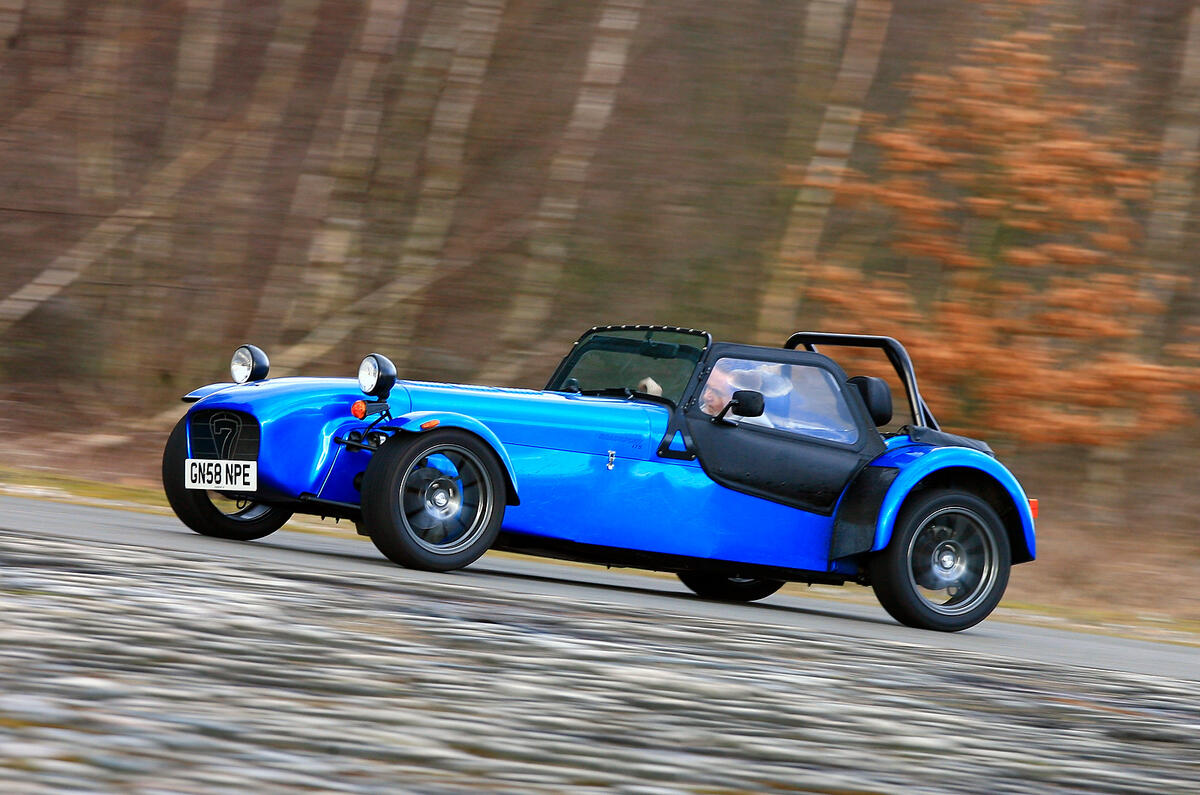
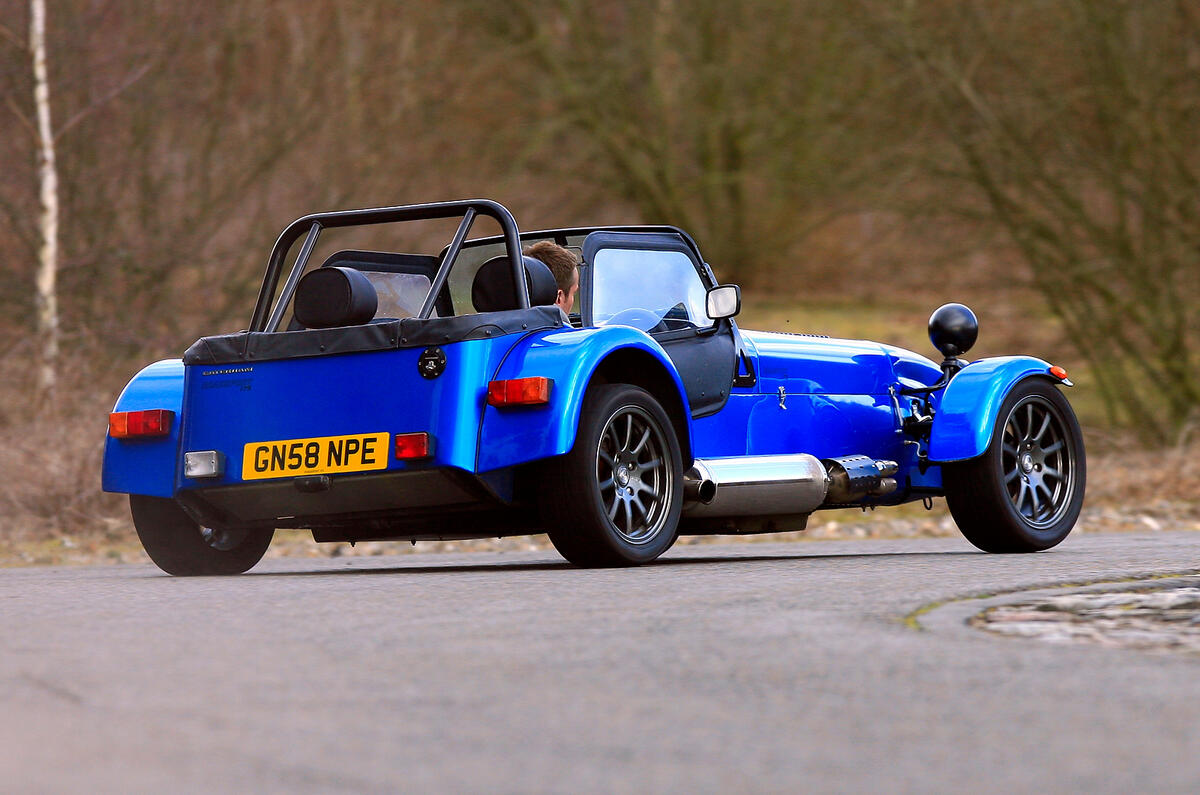
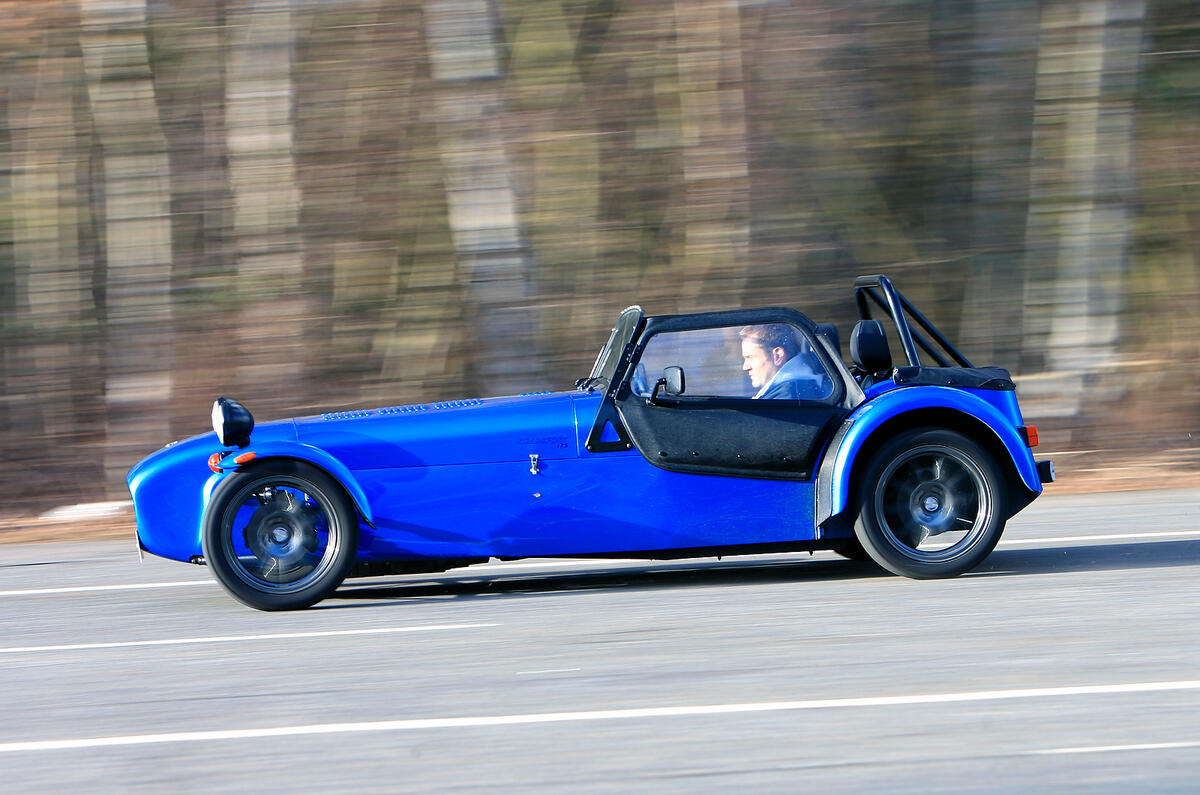
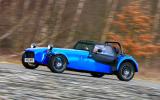
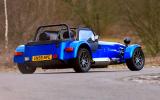
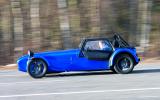


The Caterham Seven is almost the default choice for drivers looking for trackday thrills or a back road blast on a Sunday morning. The appeal is in the Seven’s simplicity, lightweight and communicative chassis. That, and wonderfully rapid acceleration.
The Caterham Seven 160 or 165 is perhaps the entry-point into Caterham’s range of back-to-basic open-top machines for those looking to get their pure driving thrills predominantly on the road rather than on the track.
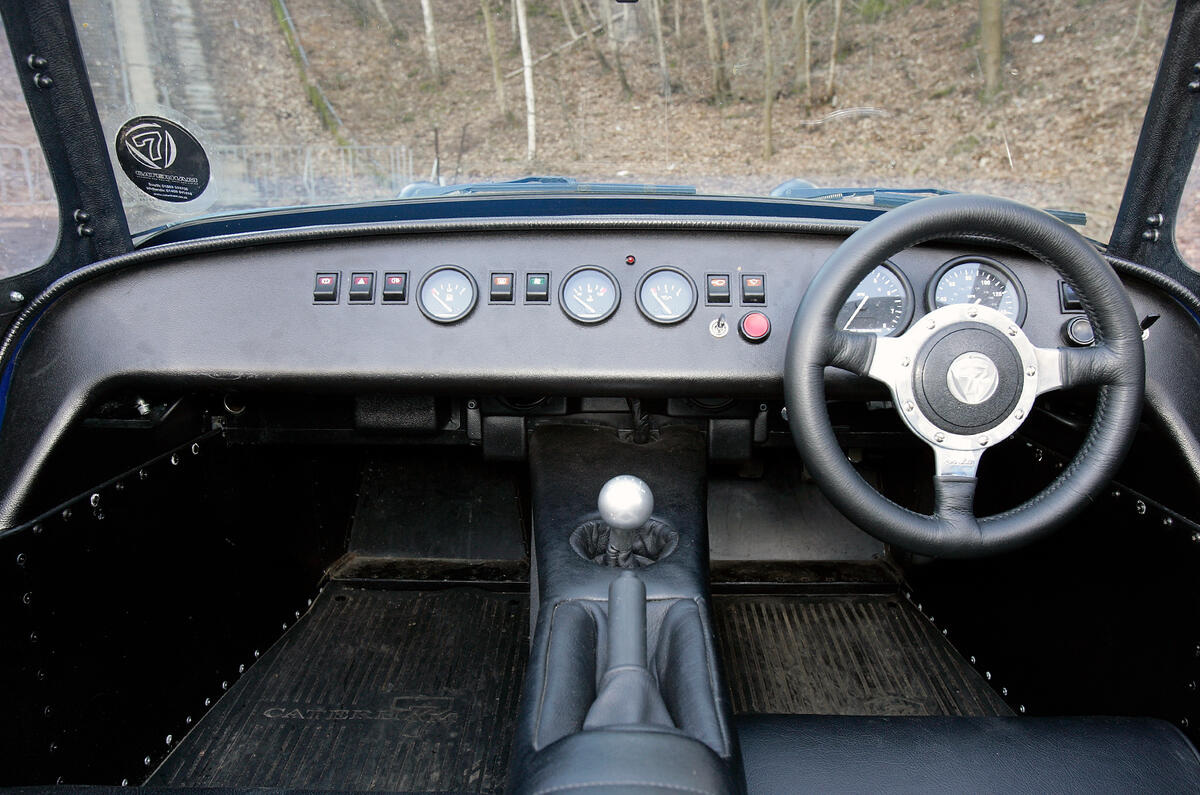
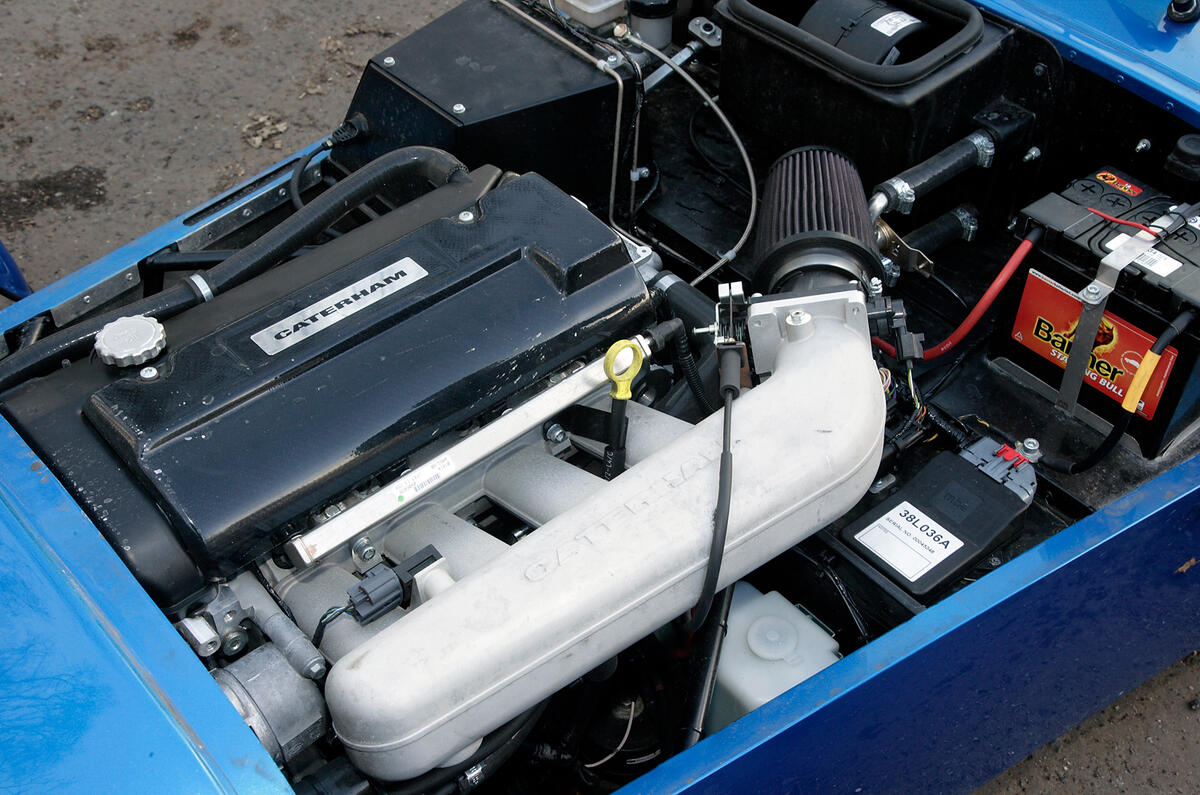
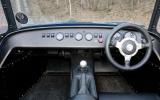
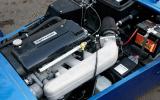
Entry-level Seven 160 models are as stripped out as one could ever expect, with the standard cars coming fitted with an 80bhp turbocharged three-cylinder Suzuki engine, a five speed manual gearbox, a live rear axle, a road-tuned suspension set-up, steel wheels and a composite aeroscreen on the outside, while inside there is rubber floor mats and a black vinyl roof. Want luxuries such as a heater, a 12V socket, leather seats and a proper windscreen, windows and hood then you will need to opt for Caterham's S pack and part with an additional £2995 for the privilege. The 165 can't be had with the S pack as of yet.
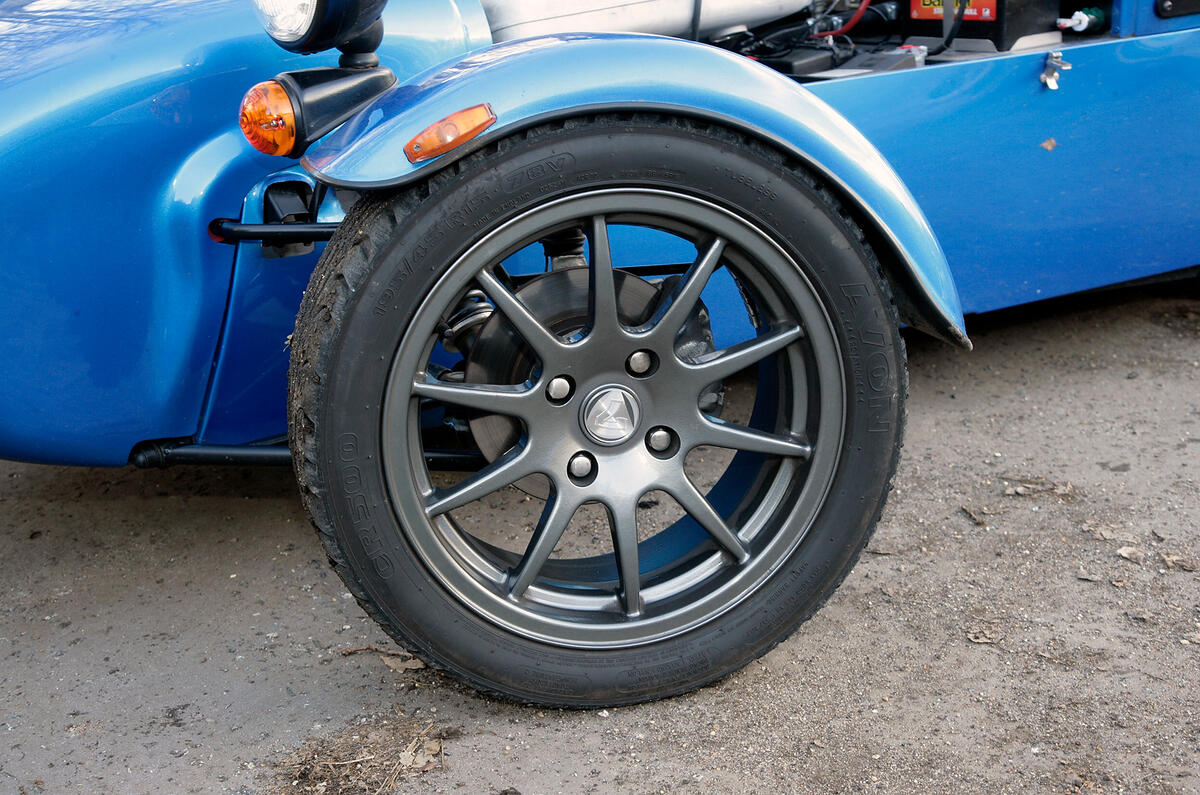
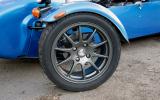
Upgrade to the either the 270, 310, 360 or 420 and you get a choice of three trims. The standard Seven gets a five-speed manual gearbox, a road-tuned suspension set-up, 14in alloy wheels, cloth seats and rubber floor mats, while paying an additional £2995 for the S pack adorns the Caterham with carpets, a full windscreen and side windows, a heater, 12V socket, leather seats and a Momo steering wheel. The R pack available for £1000 more gives the Sevens a limited slip differential, a lightweight flywheel, sports suspension set-up, racing harnesses and an uprated brake master cylinder.