Currently reading: Gov mulls new tests for elderly drivers and lower drink drive limit

Road Safety Strategy proposals bring together what could become the biggest shake-up of road laws in a generation

Back to top

The UK government is proposing the biggest road safety shake-up in a generation as part of an effort to cut road deaths by at least 65% by 2035.

Called the Road Safety Strategy, Labour’s plans include new measures such as cognitive and sight tests for the elderly, minimum hour rules for learner drivers and the lowering of drink driving limits – which have remained unchanged since 1967.

The documents are broken up into five separate consultations that cover everything from speed limits and driving offences and even what safety technology must legally be fitted to new vehicles.

“Every life lost on our roads is a tragedy that devastates families and communities,” said transport secretary Heidi Alexander. “For too long, progress on road safety has stalled. This strategy marks a turning point.

"We are taking decisive action to make our roads safer for everyone, from new drivers taking their first lessons to older motorists wanting to maintain their independence.

"The measures we are announcing today will save thousands of lives over the coming decade." 

Drink driving

Chief among the proposed initiatives in the government's strategy to cut road deaths is a revamp of the UK's drink driving rules.

Official figures show that a sixth of road fatalities in 2023 involved drink driving.
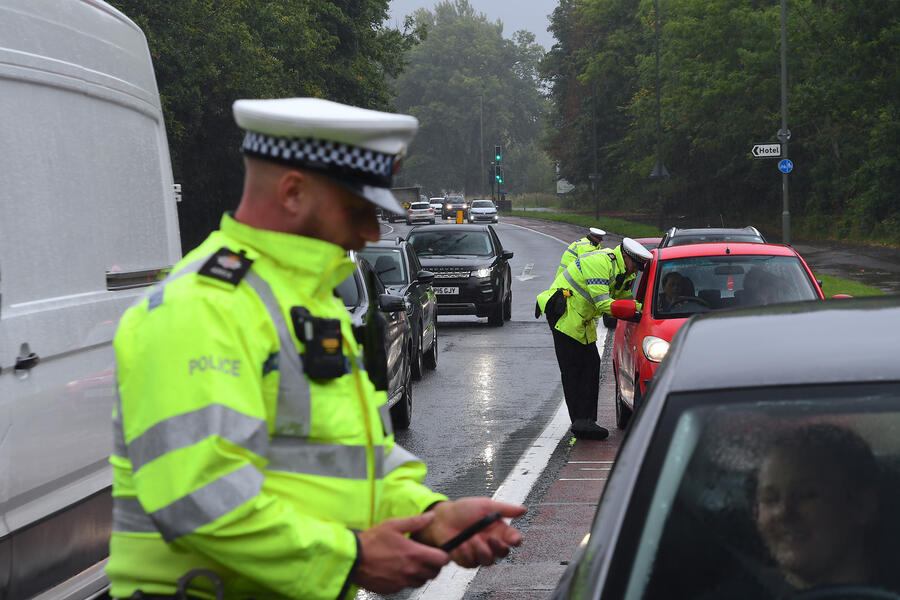
The legal limit for alcohol in drivers is currently higher in Wales and England than anywhere else in Europe, a threshold of 80mg per 100ml of blood having been set in 1967 and unchanged since.

The Department for Transport (DfT) will now consult on lowering the limit, with a target to match Scotland’s stricter cap of 50mg of alcohol per 100ml of blood. For newly qualified drivers the cap would be 0mg, but how such a driver is defined hasn't yet been confirmed.

Currently, the possible penalties for "being in charge of a vehicle while over the limit" include three months imprisonment, a driving ban and a fine of up to £2500. Actually driving or attempting to drive while over the limit can double that jail time, and there is no limit on the fine imposed.

Also on the cards in the DfT's consultation is the use of new "preventative technology" to stop drink driving, which includes alcohol interlocks to stop a vehicle starting if the driver is over the limit.

Some convicted drink drivers could be required to have such a device fitted to their car before being allowed back on the road. This tactic is currently used in some European countries.

In a survey late last year, the RAC found that 82% of drivers supported the roll-out of tougher drink driving measures, after government figures showed that road deaths due to alcohol had risen 7% over the previous decade.

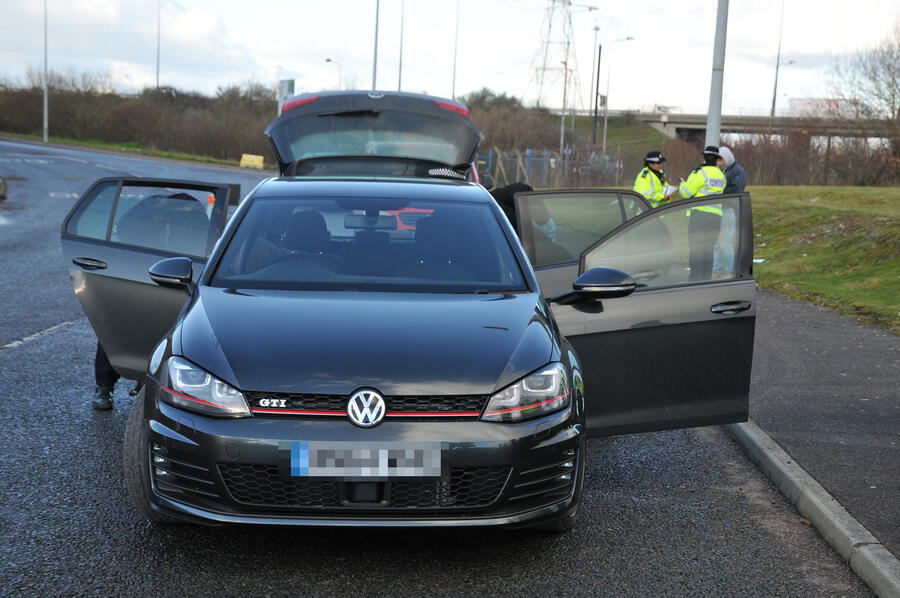
The government will explore the possibility of giving authorities "new powers to suspend driving licences for those suspected of drink or drug driving offences". The documents suggest these could include licence suspensions prior to a court trial.

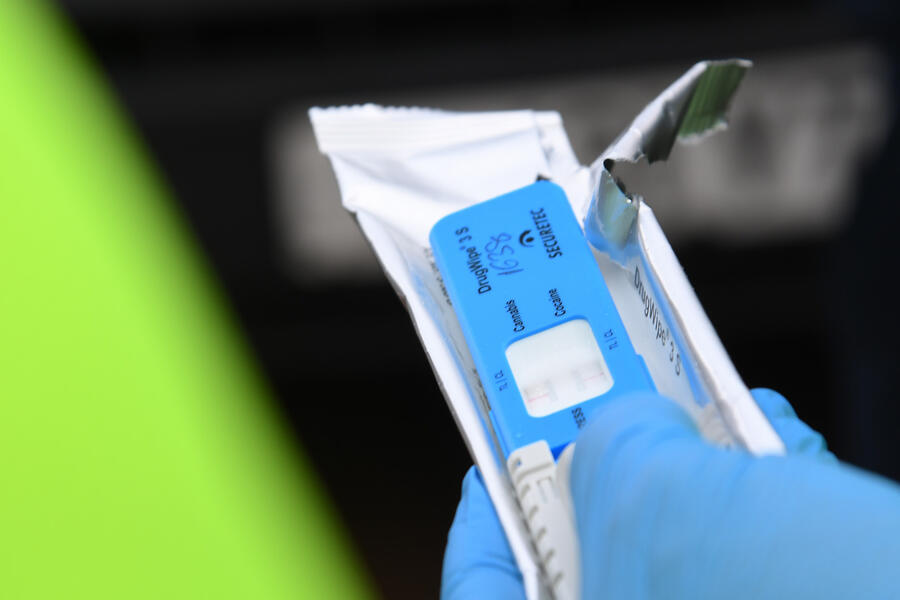
Courts could also be given more power over how evidence is collected for drug drivers. Currently, those found over the limit via a saliva test at the roadside must be taken to a police station to undergo a blood test – but this can be found to sometimes be ineffective, due to inability to retrieve a blood sample or issues with lab backlogs. Instead, officers would be allowed to submit the initial saliva test in evidence or carry out a second saliva test instead of a blood test.

Learner drivers and education

The government is mulling measures to address the standard of driving by both young and old drivers.

For those aged between 17 and 24, a group that comprises 24% of all road deaths and serious collisions, it will consult on a mandatory three- or six-month learning period before a driver is allowed to undertake their driving test. 

This is intended to help novices gain experience in a range of conditions, such as in wet or cold weather and at night.

Such a period is effectively already in force, owing to long waits for driving test slots in much of the nation. The average backlog for a practical test across Britain currently stands at 22 weeks.

However, the AA has told Autocar that a long-called-for policy to prevent new drivers from driving with a passenger, possibly for six months, “is a missed opportunity to save more lives”.

What’s more, the government wants to continue a driver’s education throughout their lifetime – and the proposals suggest they could bring this learning into the national curriculum as early as primary school.

The government also wants to bring in a 'National Work-Related Road Safety Charter'. Covering road users from cyclists to HGV drivers, it would “reduce work-related road risk by promoting good practice, accountability and compliance with existing legislation”. This is expected to take the form of some kind of formal education, most likely an online course.

Elderly drivers

Drivers over 70, who also comprise almost a quarter of the nation’s road deaths, could face a mandatory eye test every three years.

This marks a move away from the previous system, whereby drivers were asked to report themselves for a loss of vision – something disincentivised by the loss of personal freedom that could come as a result.

The government is also seeking guidance through the proposals on whether a cognitive test – which would assess mental skills like attention, memory and problem-solving – should also be implemented for older road users.

Harsher punishments

The government also wants to increase the punishments for those who break some of the most common road laws.

For example, those caught not wearing a seatbelt would be hit with penalty points as well as a fine. Currently just a £100 fine is given.

What’s more, points would also be given to the driver for those within the car not wearing a seatbelt, meaning that a driver could effectively be banned if all passengers are unbelted.

Those who drive uninsured are also being targeted by the proposals. Currently those caught are given three points and a £300 fine – but under the proposals, this would be doubled.

Penalties could also be brought in for those who make and use so-called ghost numberplates – designed to be invisible or unreadable to speed cameras.

Speed limits

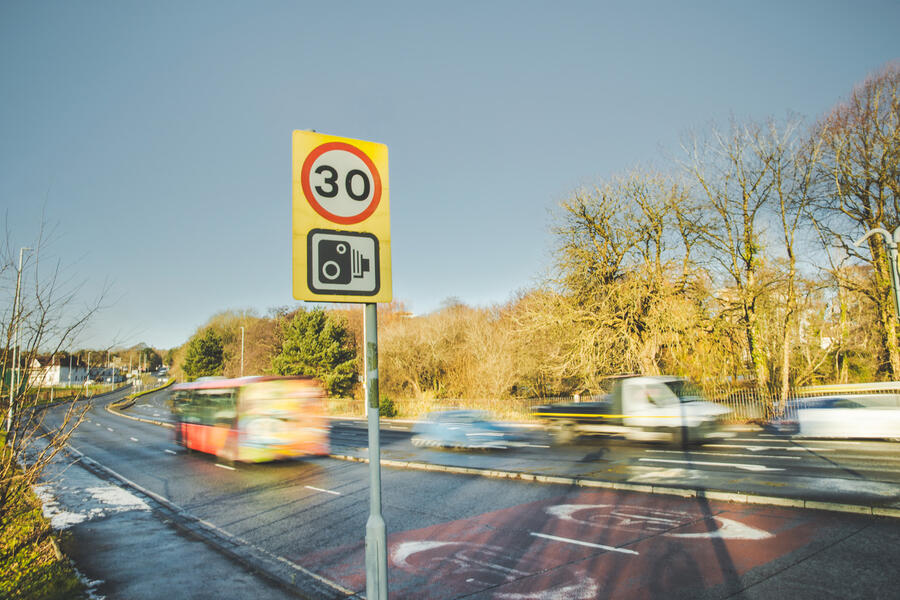
The documents include a proposal for local governments to be given more power to lower speed limits in their jurisdictions.

Currently, evidence is needed as to why a limit should be reduced, normally resulting from a serious injury or a death occurring. But if the new laws come into force, councils could drop speed limits more easily.

The same red tape would be removed around the installation of cameras that spot drivers who jump red lights.

Future proofing

As part of the proposals, the government wants to create a new body named the Road Safety Investigations Branch. This would identify and analyse the key causes of collisions on UK roads and “inform prevention strategies”.

While the proposal is quite vague, the government suggested the findings from the new body would influence road designs, enforcement, education work and vehicle safety.

On the latter, the government wants to adopt the European Union’s much-bemoaned GSR2 laws, which mandate that a certain number of specific safety tech is fitted to a car, such as autonomous emergency braking and lane keeping assistance.

Will Rimell

Will Rimell Autocar
Title: News editor

Will is Autocar's news editor.​ His focus is on setting Autocar's news agenda, interviewing top executives, reporting from car launches, and unearthing exclusives.

As part of his role, he also manages Autocar Business – the brand's B2B platform – and Haymarket's aftermarket publication CAT.

Charlie Martin

Charlie Martin Autocar
Title: Staff Writer

As part of Autocar’s news desk, Charlie plays a key role in the title’s coverage of new car launches and industry events. He’s also a regular contributor to its social media channels, creating content for Instagram, Tiktok, Facebook and Twitter.

Charlie joined Autocar in July 2022 after a nine-month stint as an apprentice with sister publication What Car?, during which he acquired his gold-standard NCTJ diploma with the Press Association.

He is the proud owner of a Mk4 Mazda MX-5 but still feels pangs of guilt over selling his first car, a Fiat Panda 100HP.

Felix Page

Felix Page
Title: Deputy editor

Felix is Autocar's deputy editor, responsible for leading the brand's agenda-shaping coverage across all facets of the global automotive industry - both in print and online.

He has interviewed the most powerful and widely respected people in motoring, covered the reveals and launches of today's most important cars, and broken some of the biggest automotive stories of the last few years. 

Join the debate

Comments
7
Add a comment…
Peter Cavellini 7 January 2026

Maybe an Alcolock fitted as standard would stop some trying to drive while over the limit,and this could cover everyone in the car not just the person in the driving seat, teaching primary age kids should be looked at the earlier you can get over the message the better, and as for closing Pubs,well, some customers are over the limit when leave the house to go to the Pub,and why should drink be the catalyst for a good night out with whoever?, and especially now with household finances getting stretched more daily who has the money to go out at the weekends?


Stroudley 7 January 2026

Any plans to sort out accident blackspots and dangerous junctions? 

Any plans to remove distracting screens and confusing software from cars?

How many deaths and injuries are caused by alcohol levels between 50 to 80mg, as that's the only people it will affect.

There is some good stuff here, but if these actions reduce deaths by 65% I'll be VERY impressed.

Will86 7 January 2026

I don't see the benefit in having a mandated 6 month learning period for new drivers. That doesn't mean they'll spend longer learning, particularly those having to pay for lessons rather than learning with a friend or relative. Plus I don't think the issue is how long people are learning for, it's what they do after they've passed. I would therefore support the principle of a graduated licence after passing so it's disappointing that's not included. Limiting passenger numbers would be an obvious option, say for the first 6 or 12 months after passing, though I wouldn't support preventing driving late at night as that could penalise shift workers. As for the other proposals, more mandatory eye tests seem sensible, but a shame there is nothing about wider refresher courses for all drivers given the standard of driving I suspect we all see regularly.