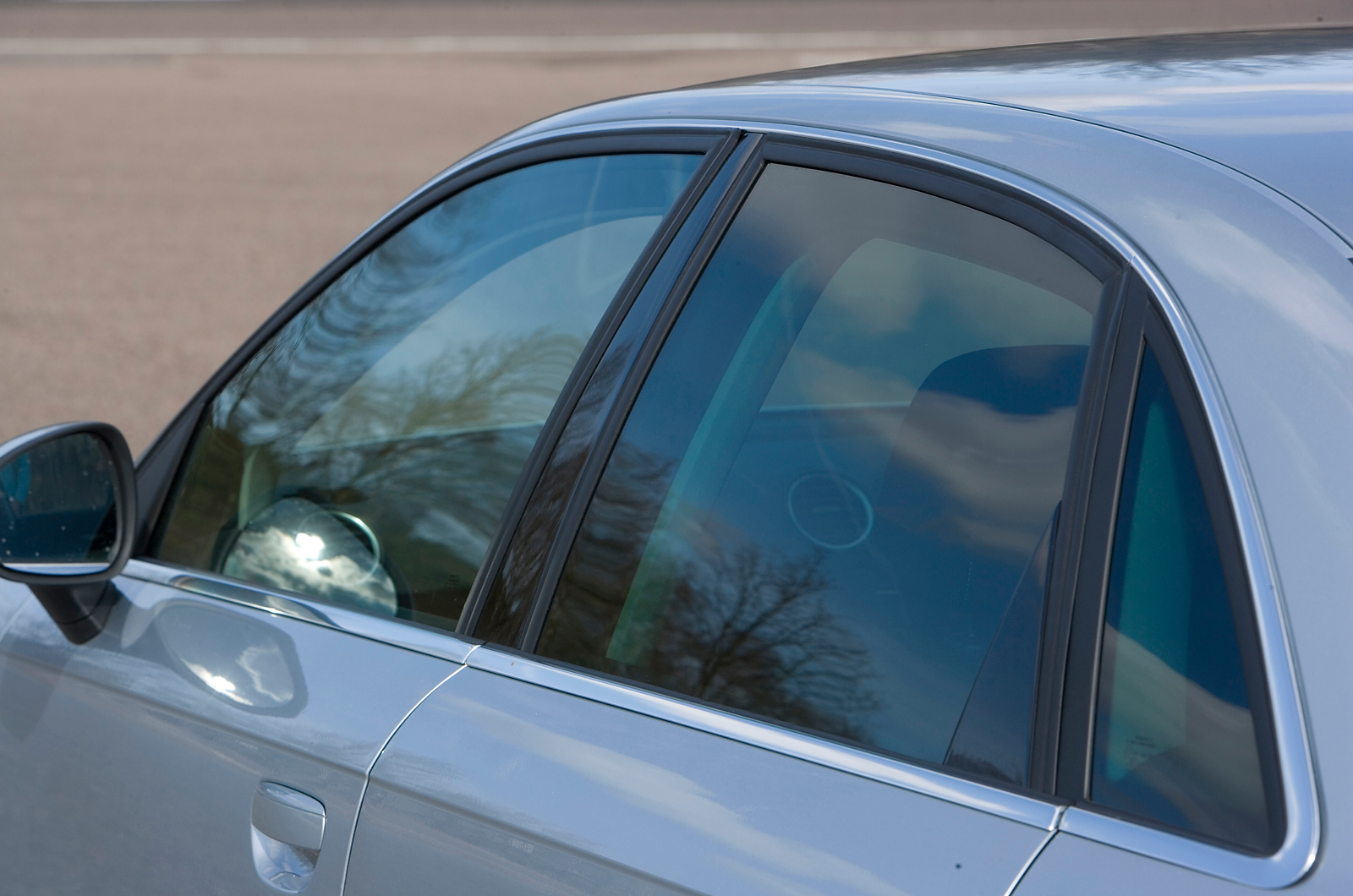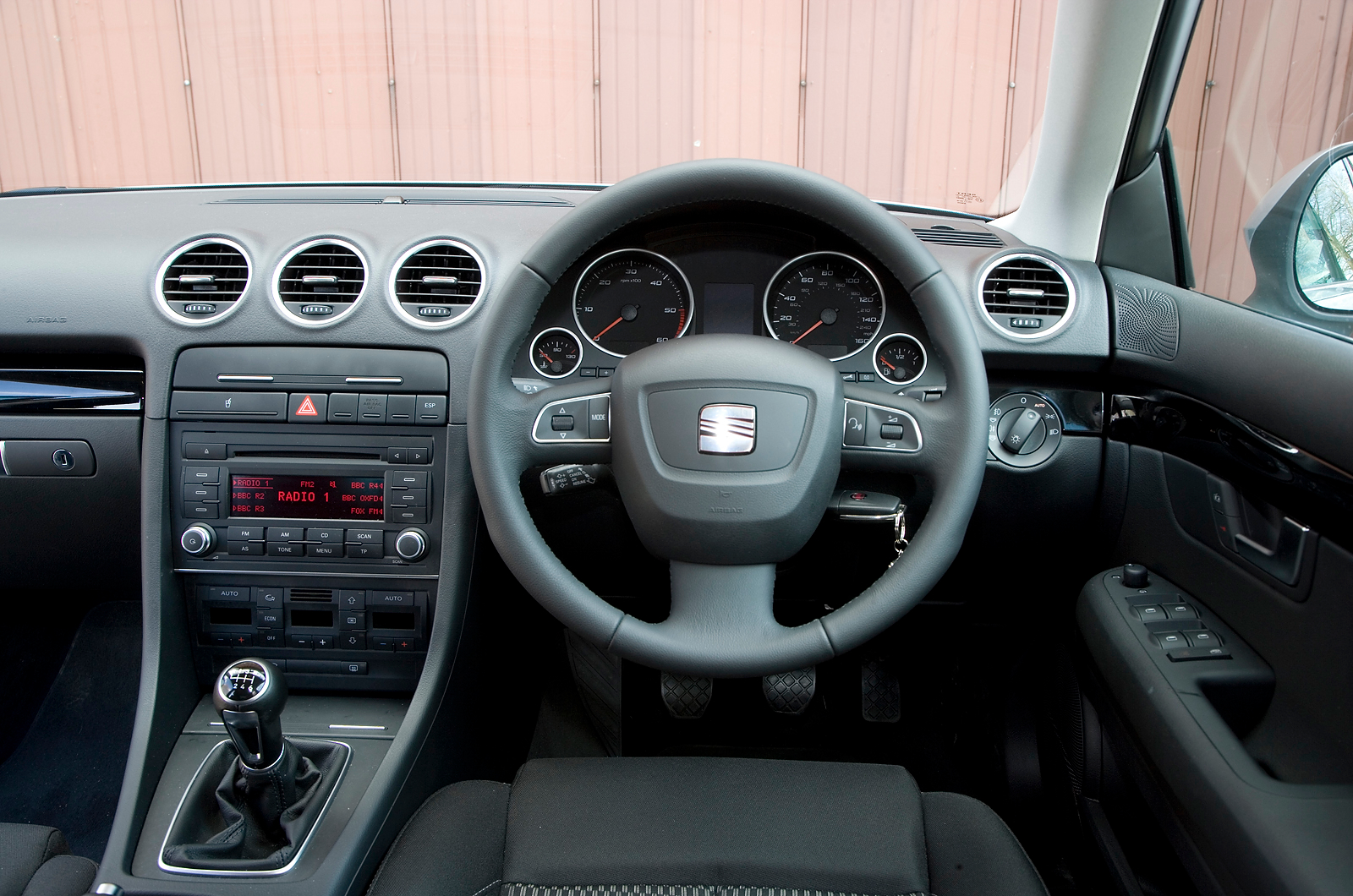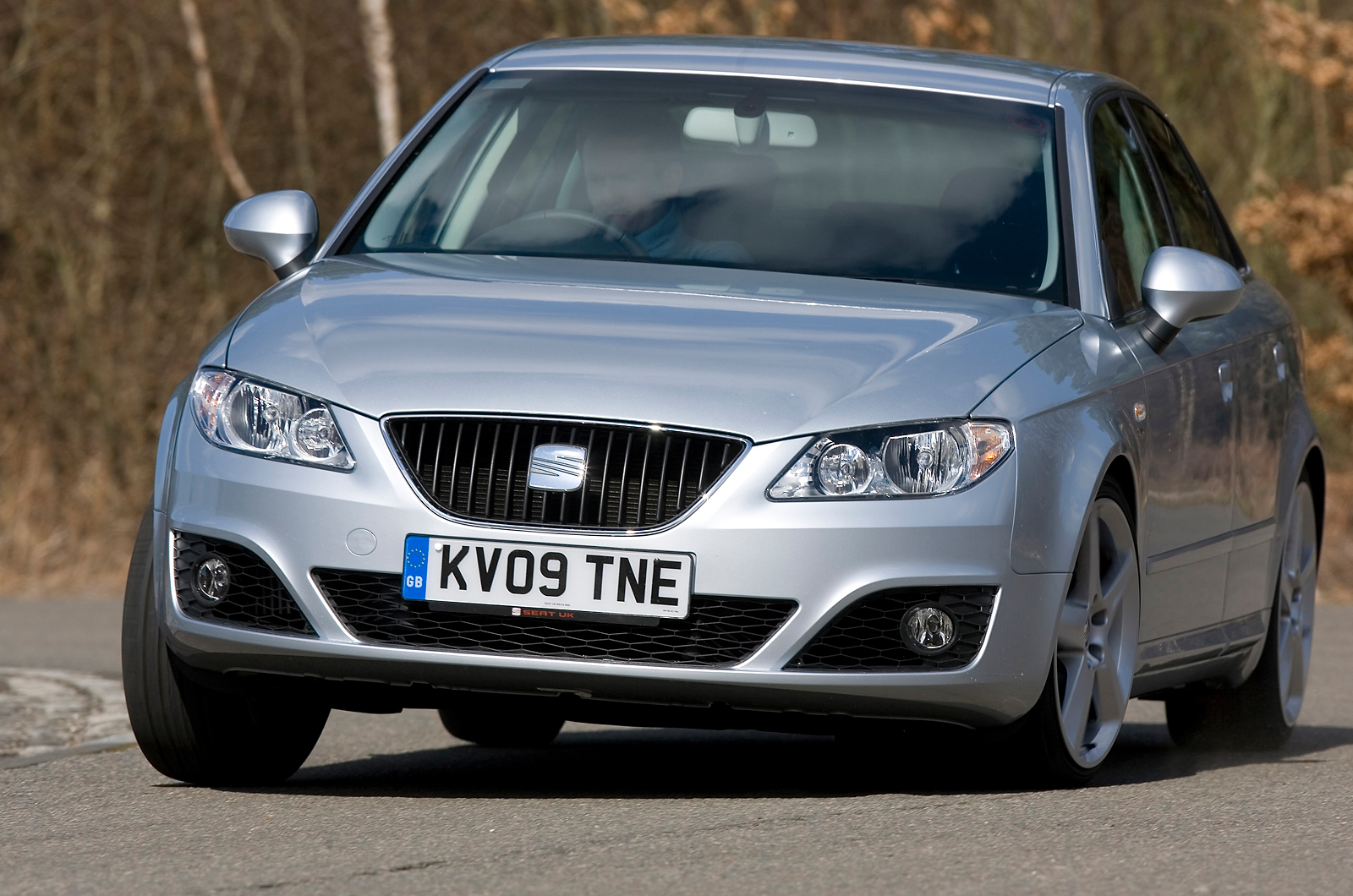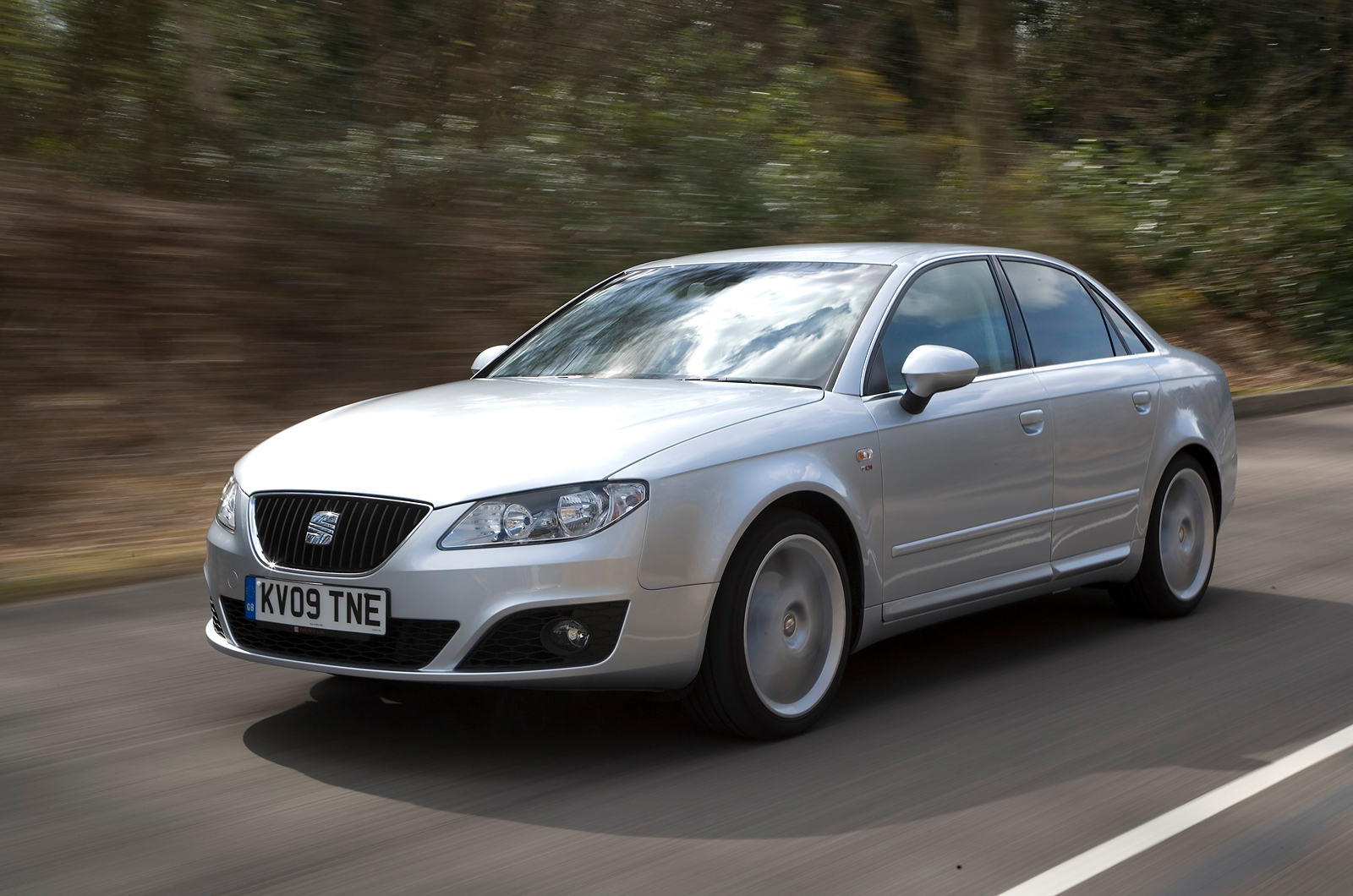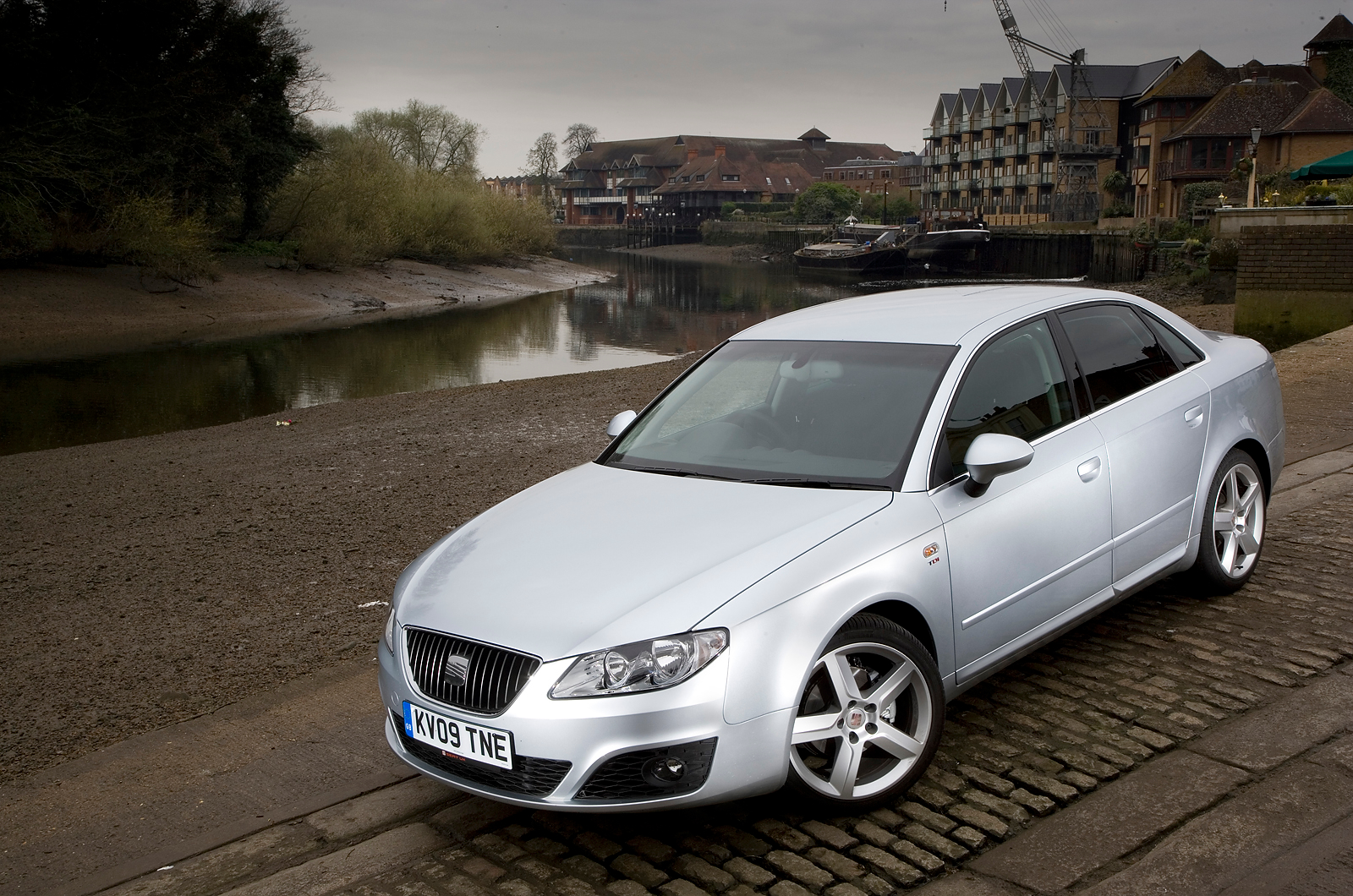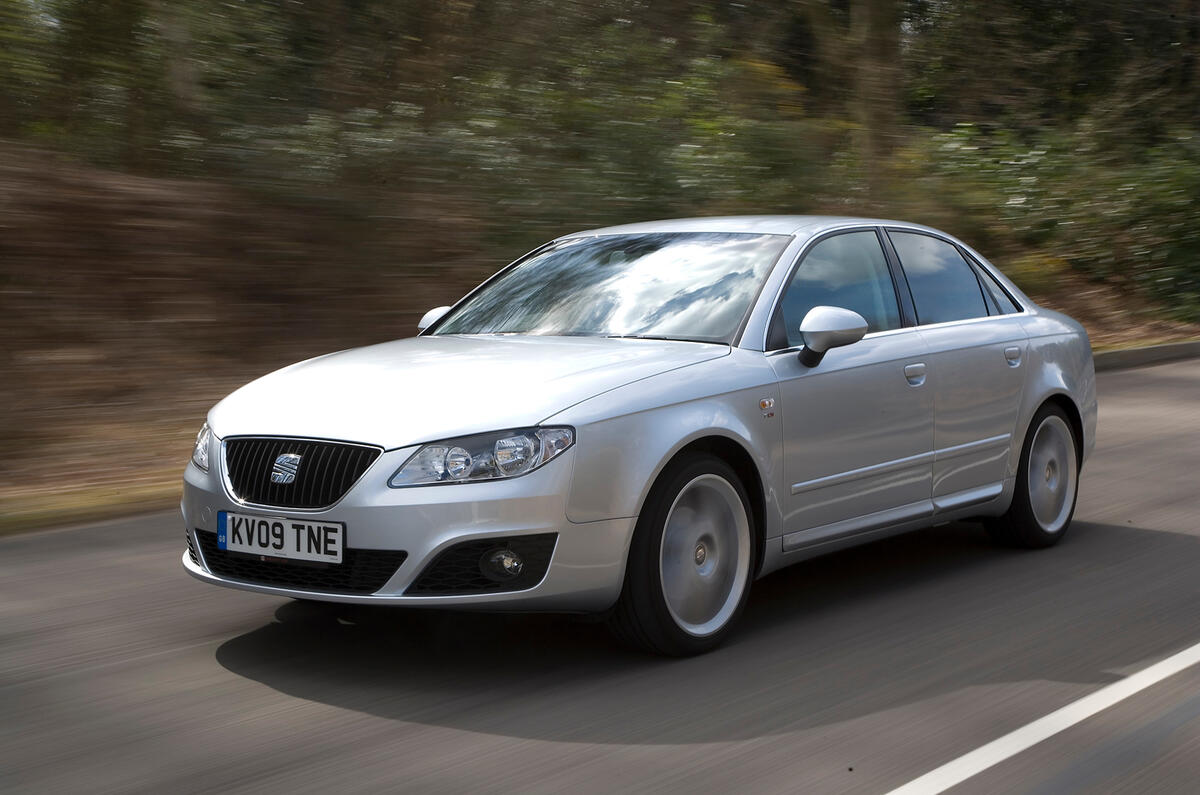


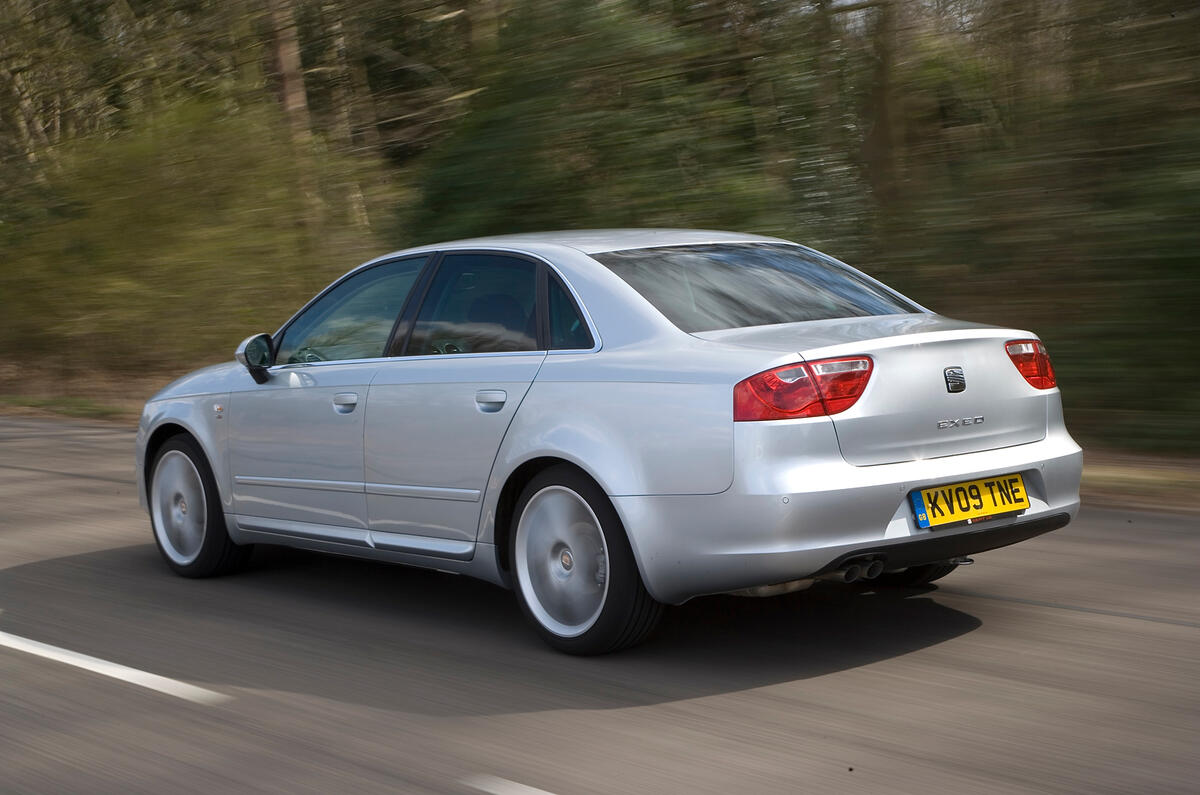
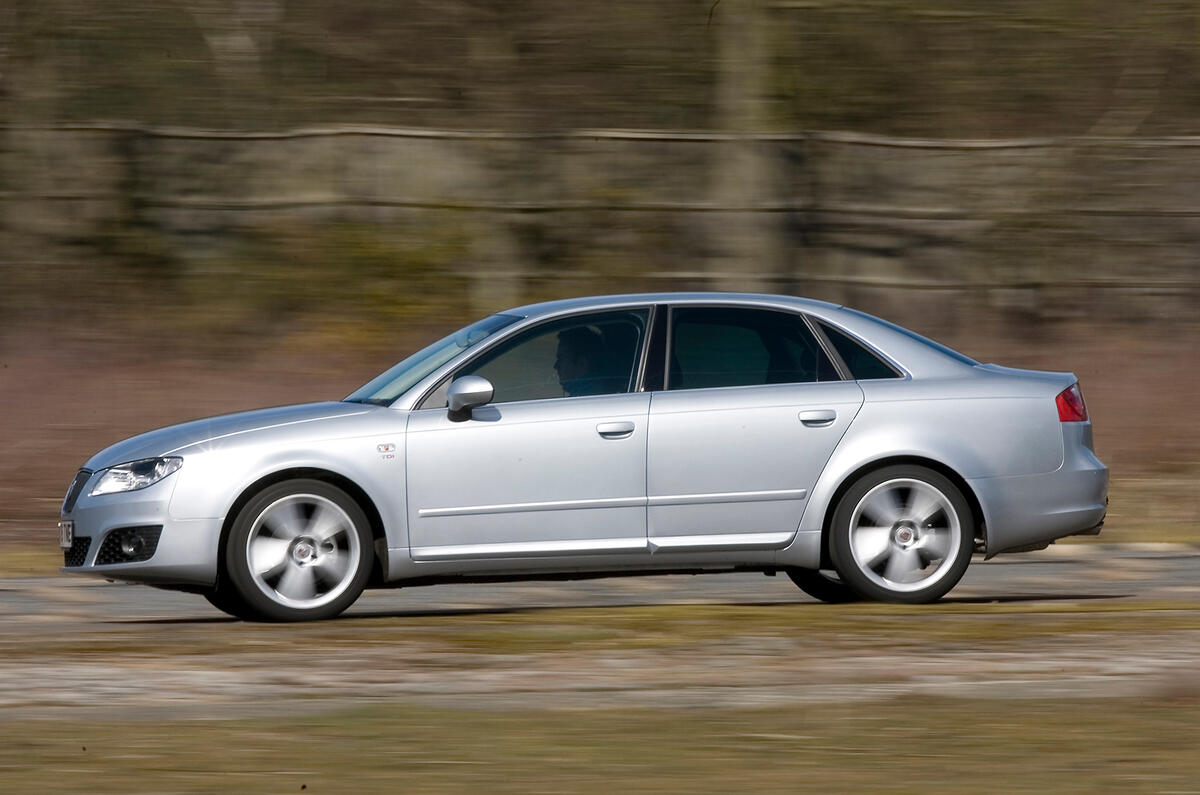
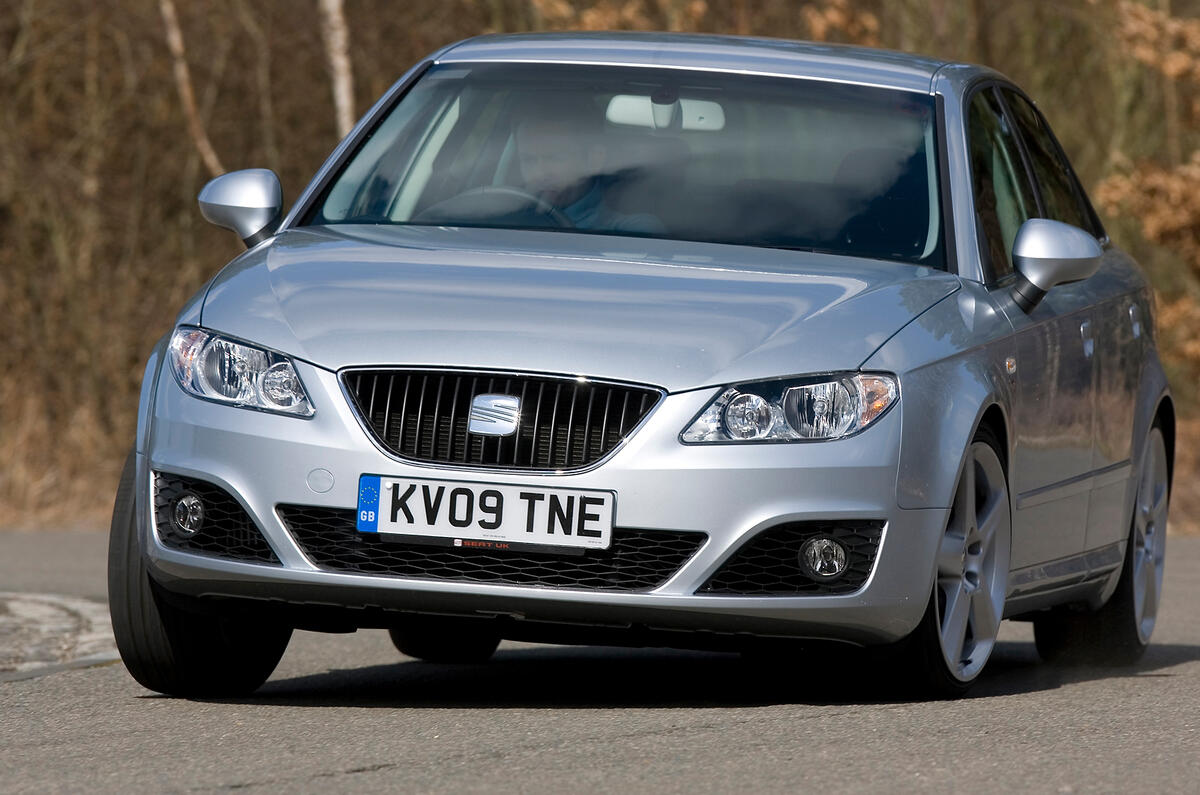
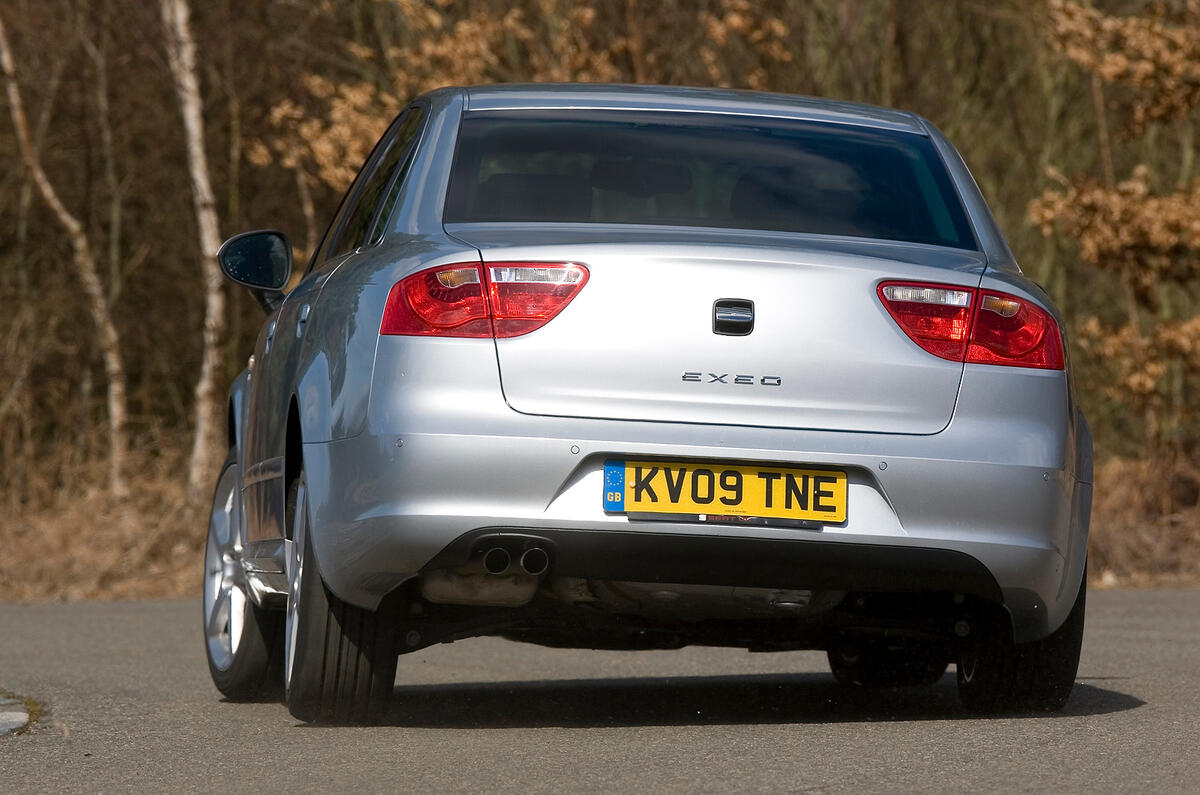








When is a new car not new? When it comes as the result of a piece of platform recycling. The Exeo might be Seat’s first foray into the mid-size D-segment, but it has had more than a helping hand in the process from its German in-laws Audi. Under the Seat badges and Seat Ibiza-esque nose, the Exeo is a reworking of the previous A4.
Given this, you may well question our decision to give it a full road test, but there is more to the Exeo than a simple change of name, partly in the technical alterations, but also because as a Seat the Exeo has a different role to play than in its A4 days. At prices a good £6000 or more below a current A4's, the Exeo represents refreshingly good value.
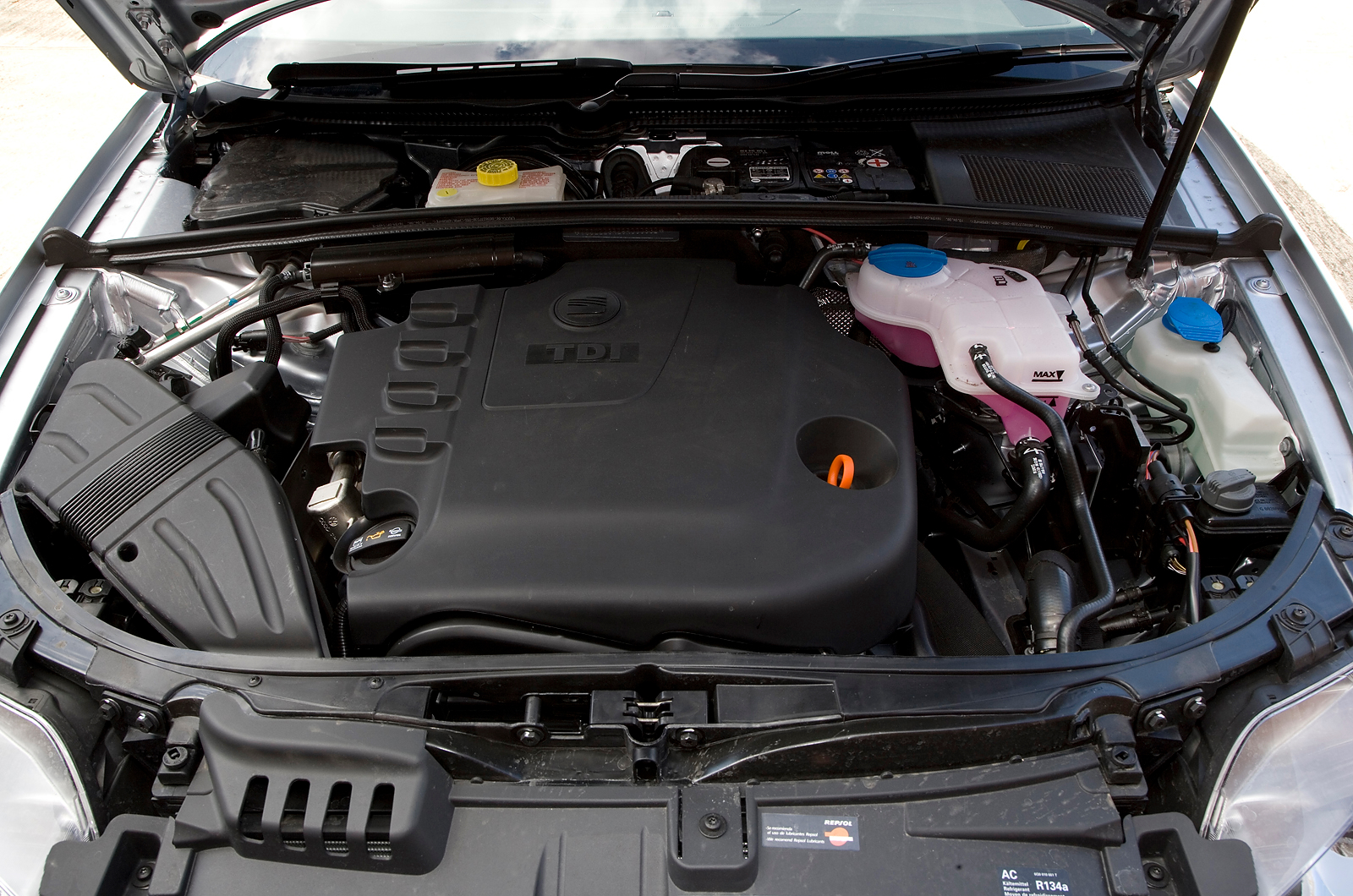
Given the current economic climate, this could well be its most persuasive asset. Seat has kept the Exeo line-up simple, with a 2.0-litre turbodiesel engine in three states of tune (118, 141 and 168bhp) and one petrol (a 2.0 TSI with 197bhp). Saloons and ST-badge estates are on offer. Trim levels are S, SE, SE Tech, Sport and Sport Tech. Saloons and ST-badge estates are on offer, as are S, SE and Sport trim levels. On test here is the mid-power 2.0 TDI 143 saloon (the number relates to the metric hp) in Sport trim.