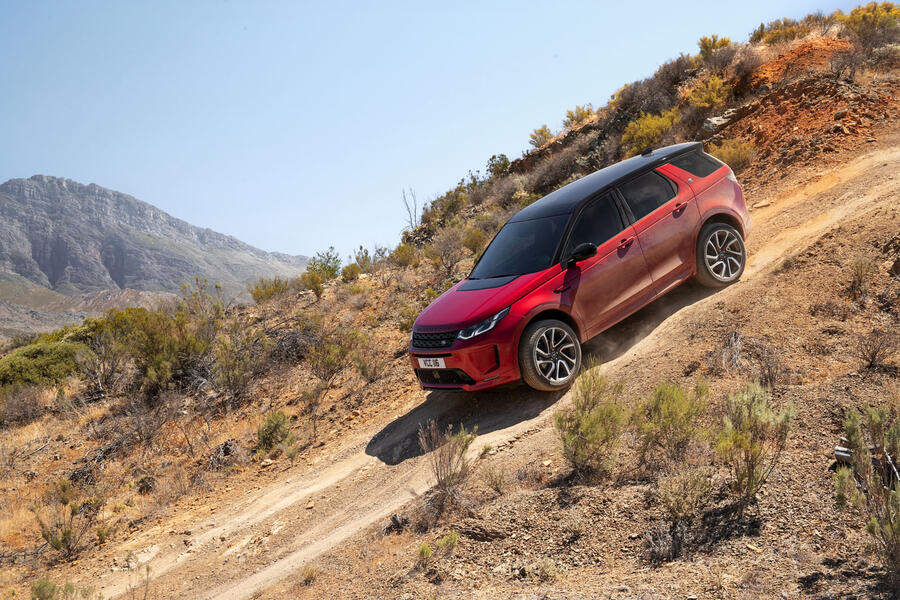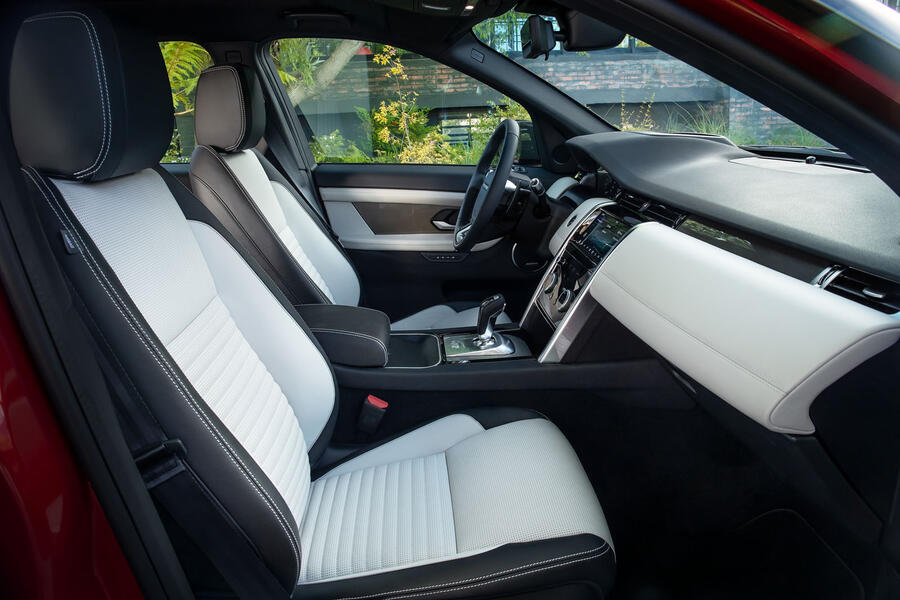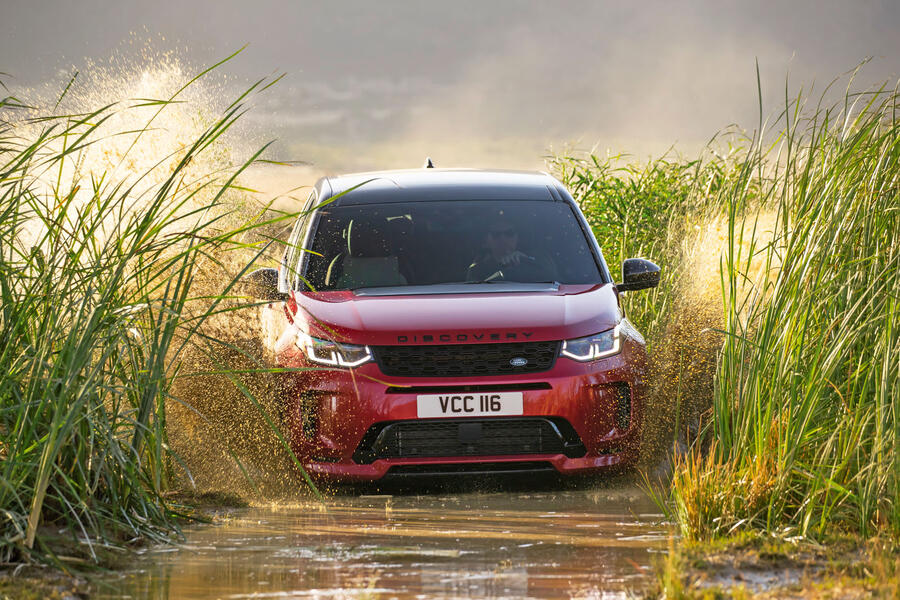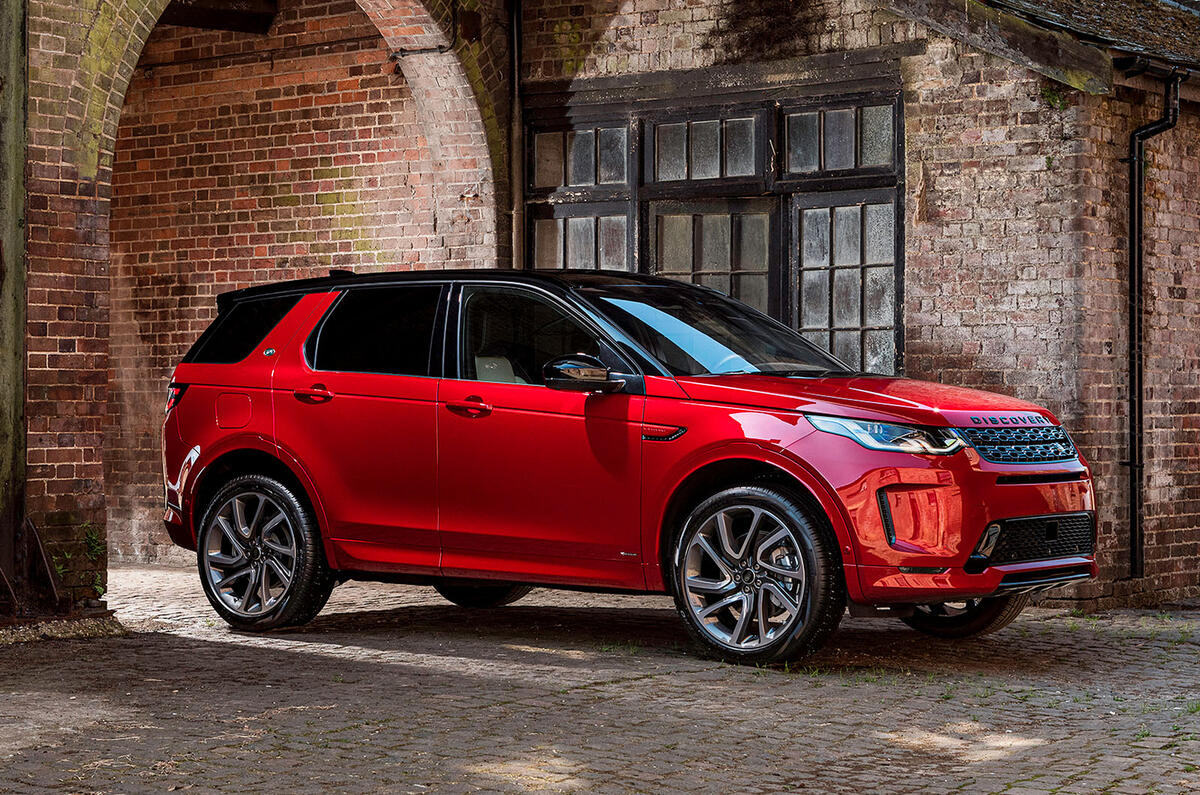
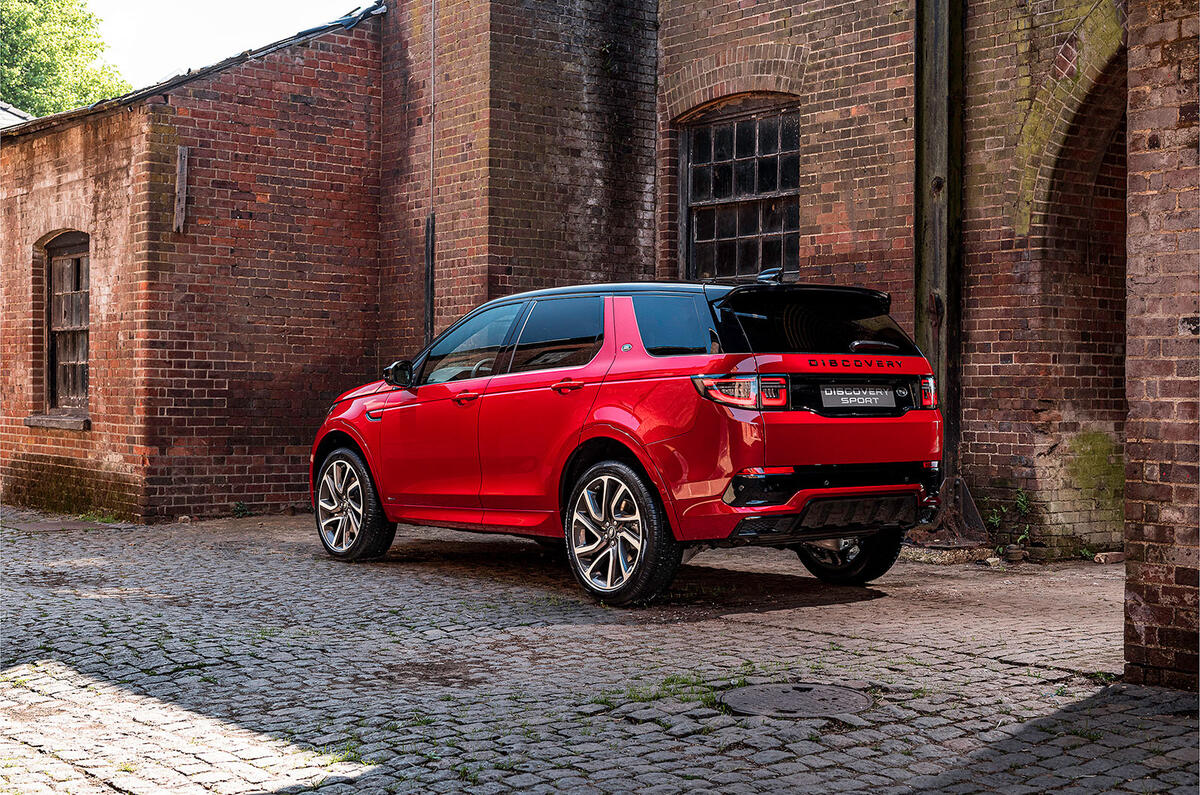
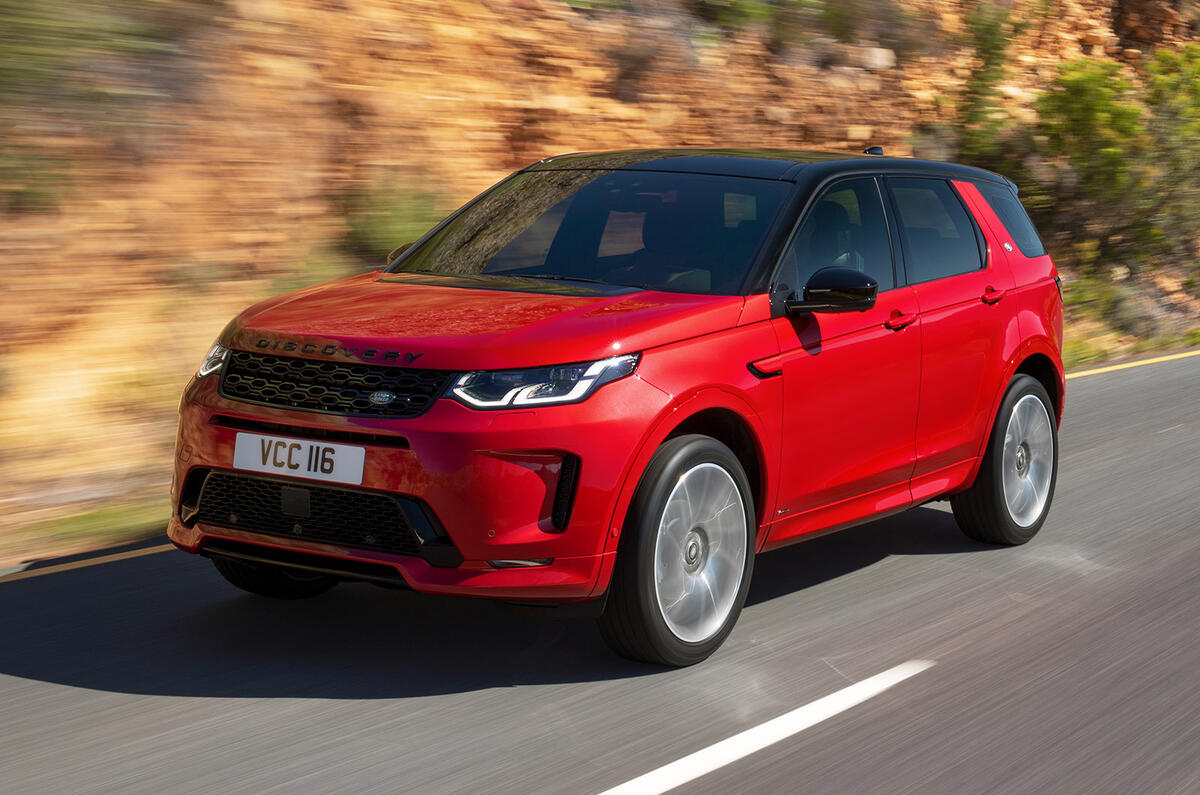
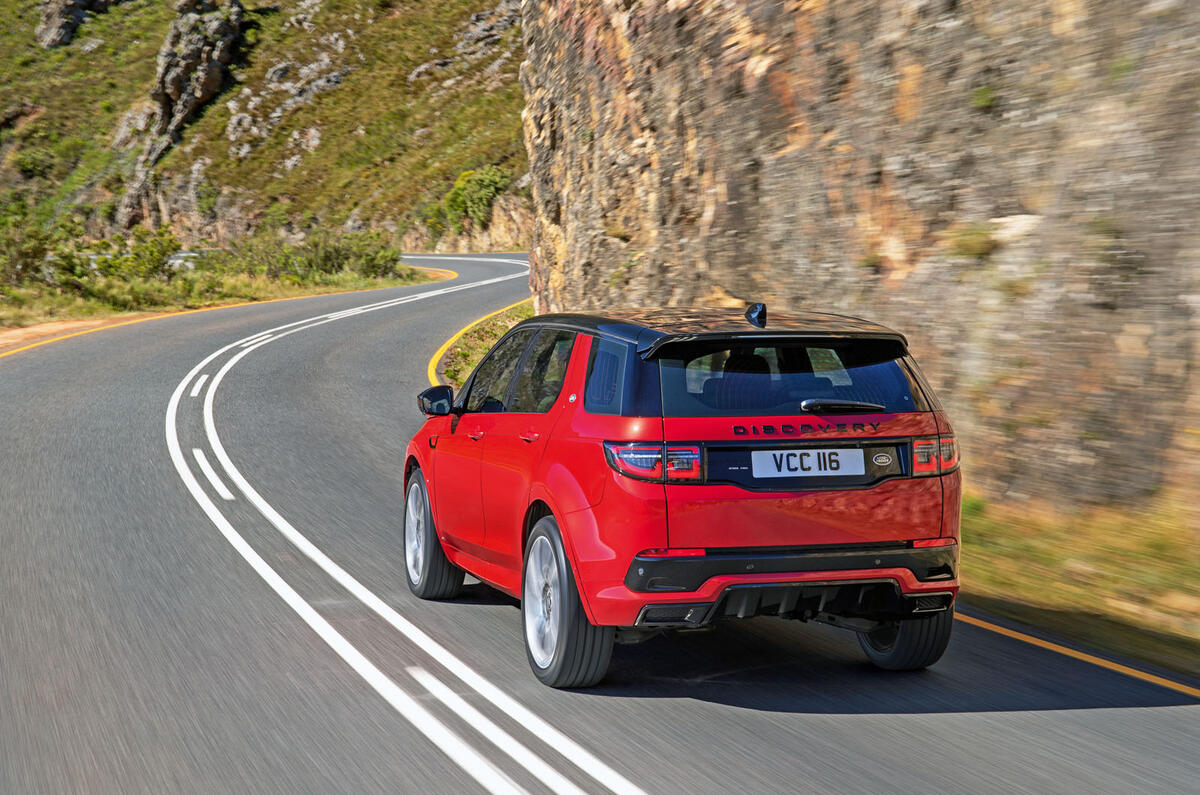
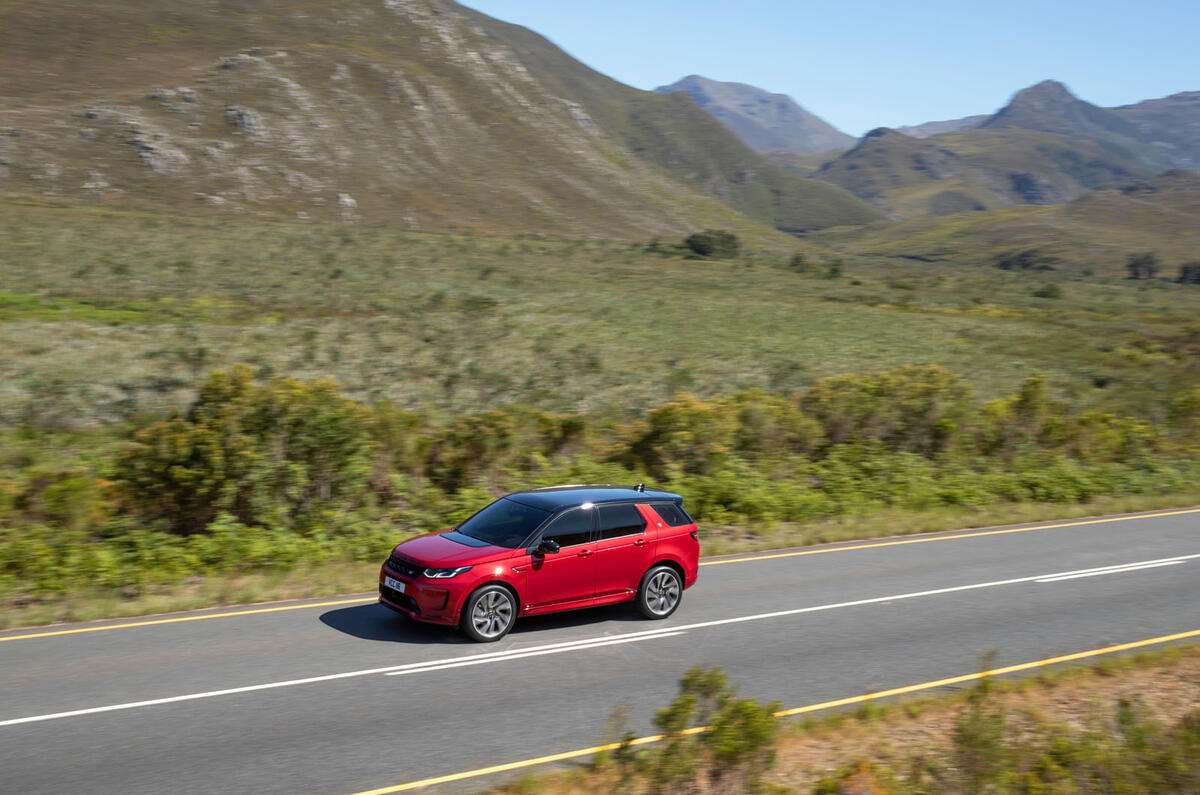
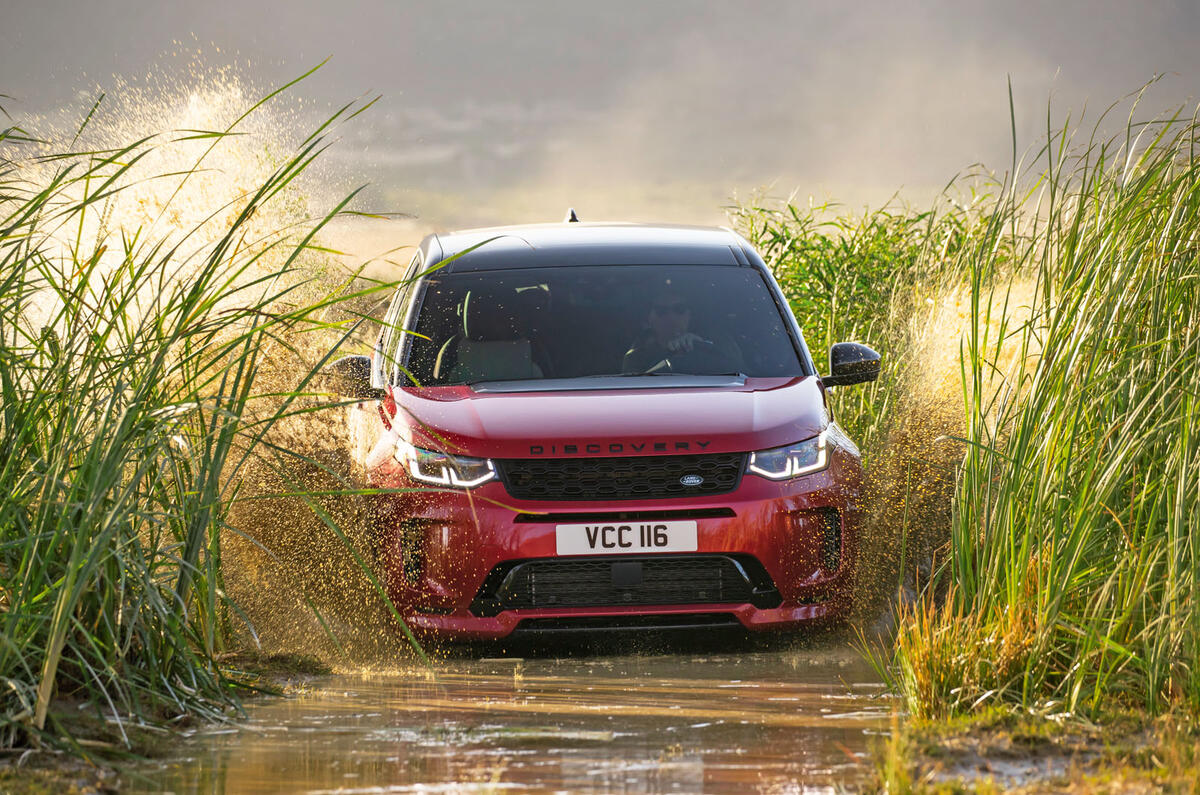
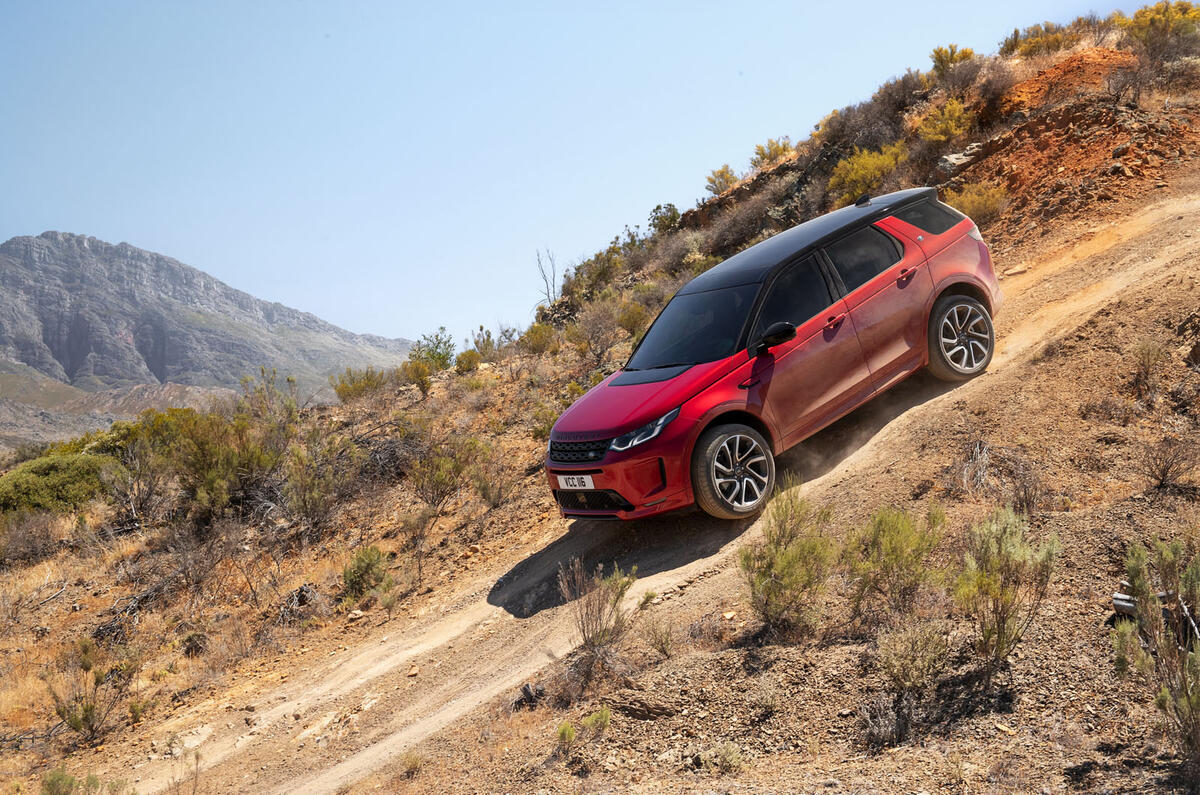
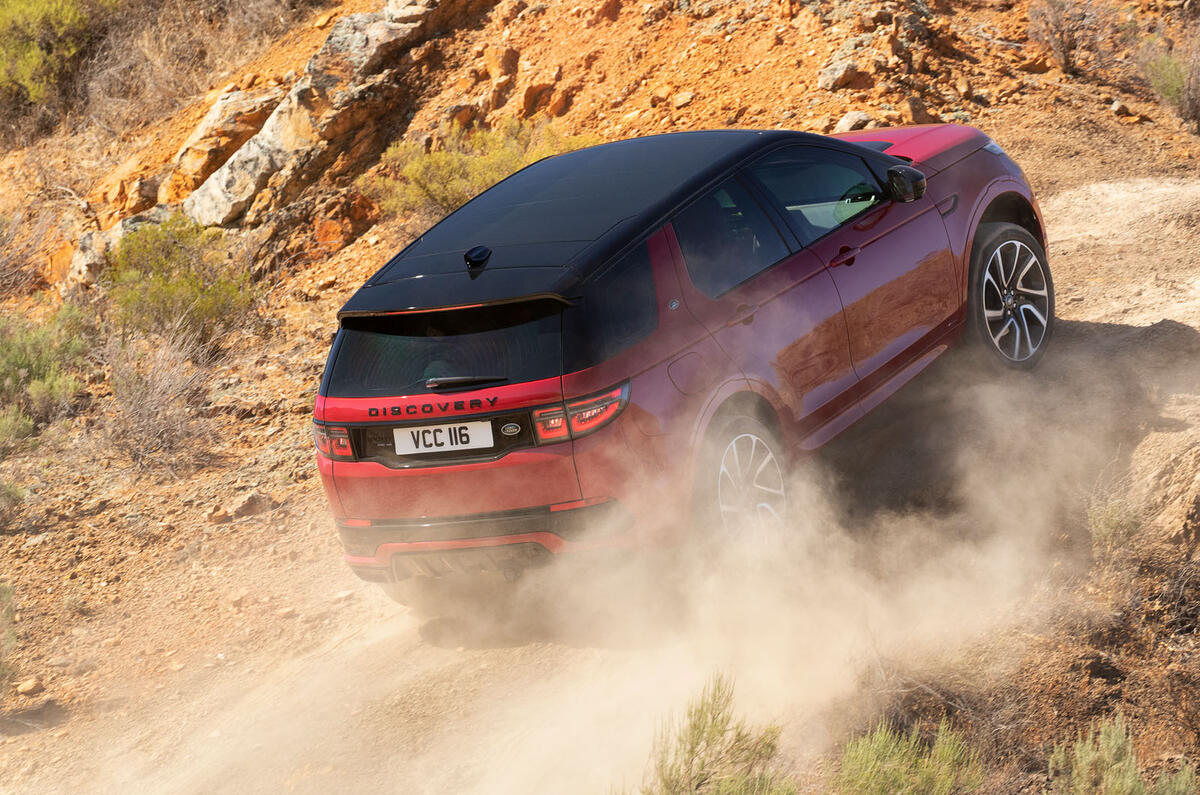
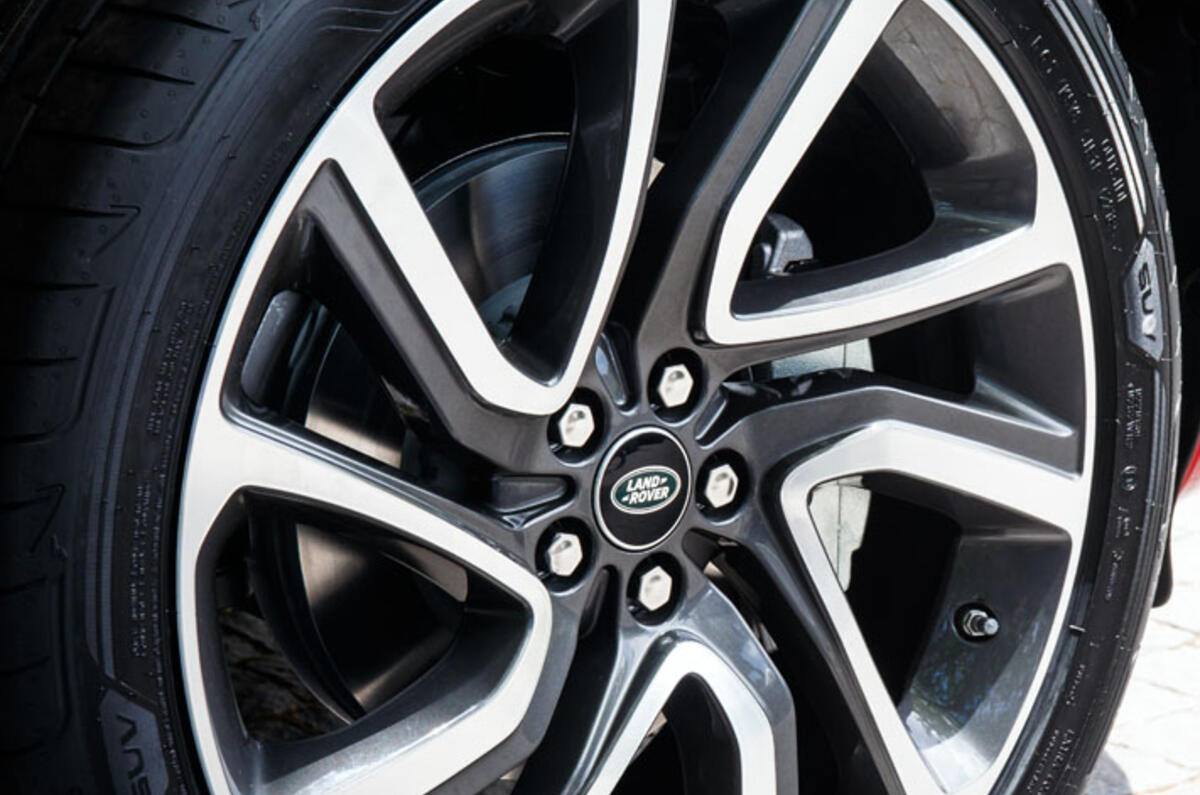
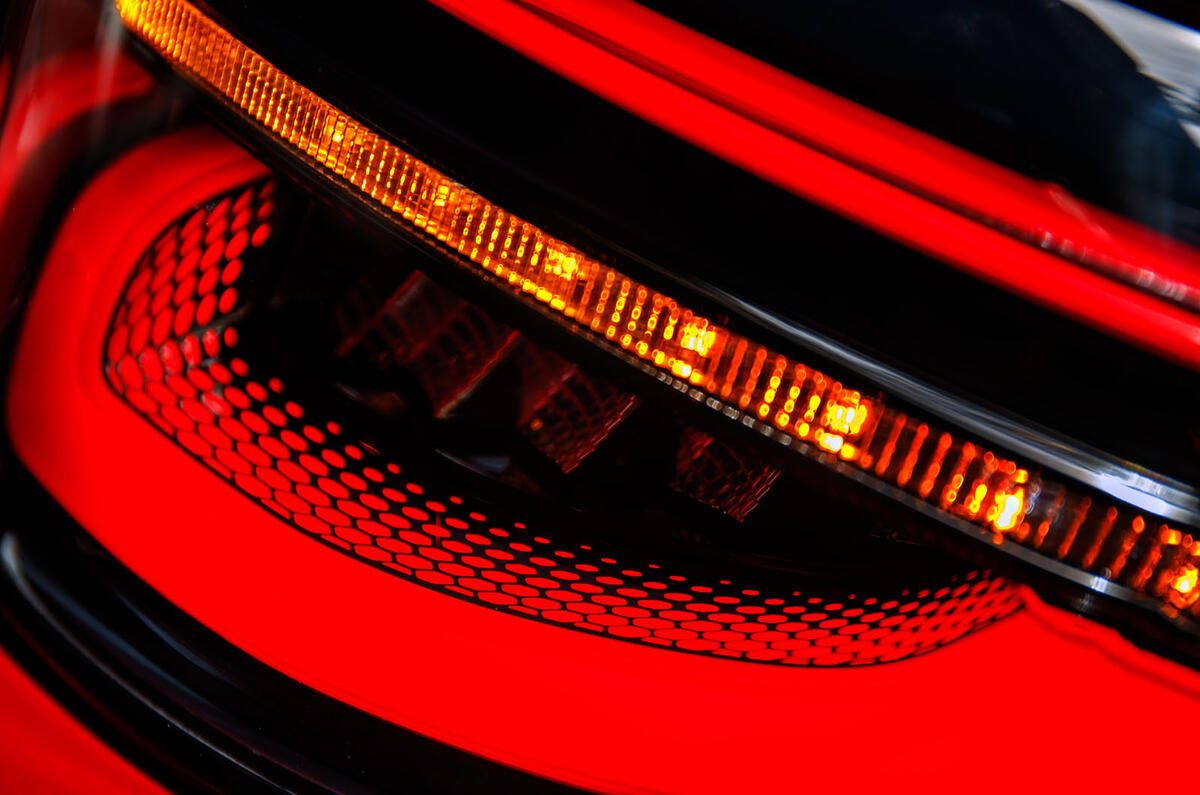
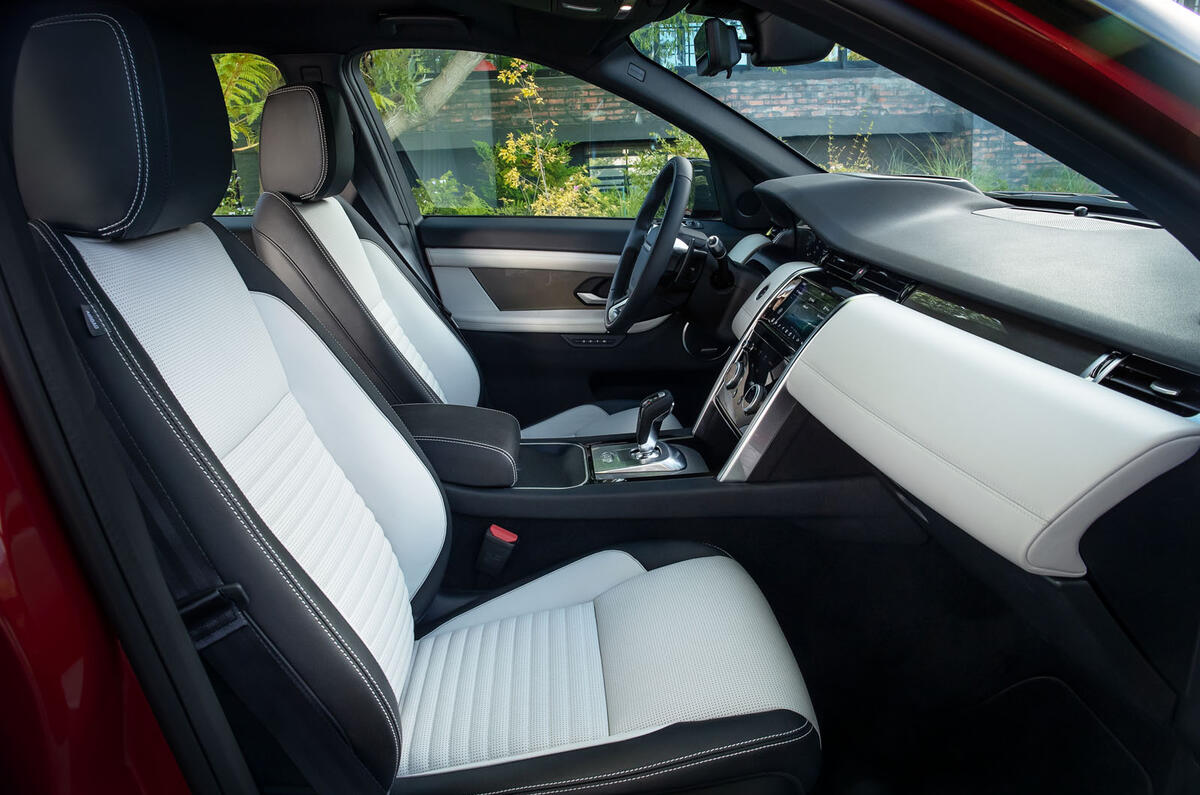
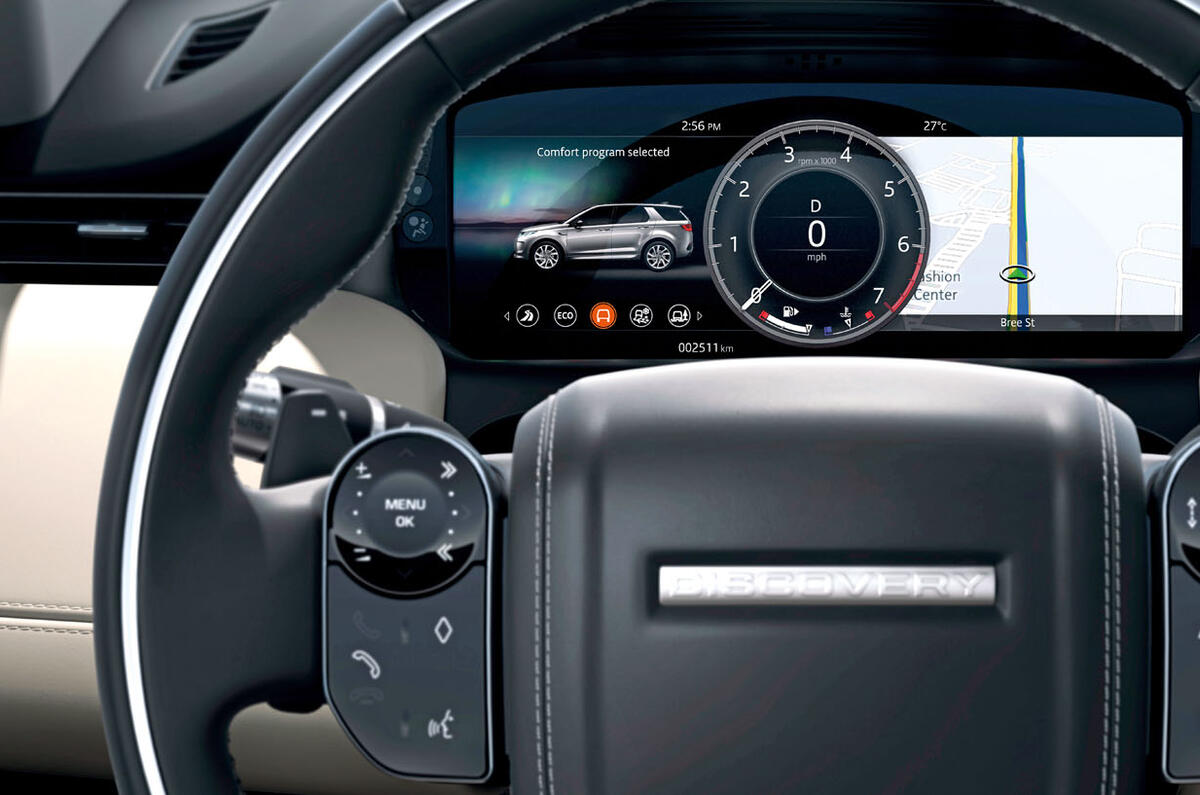
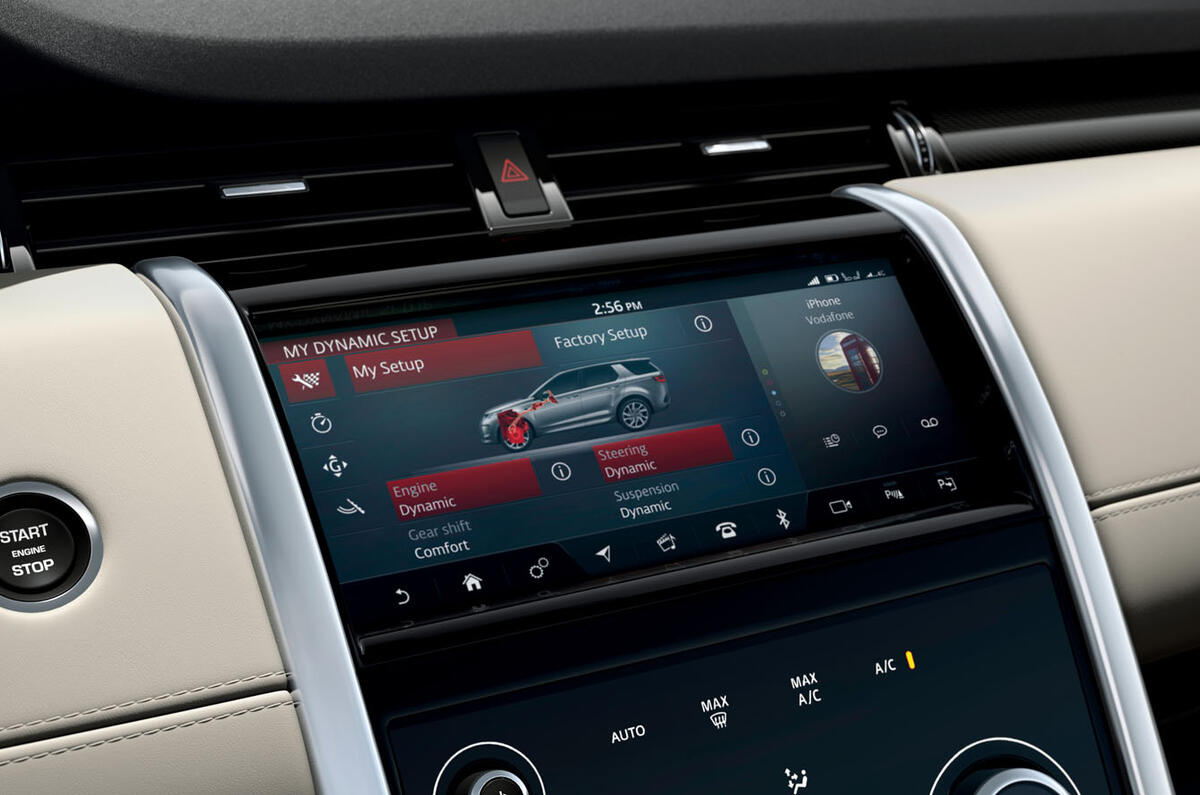
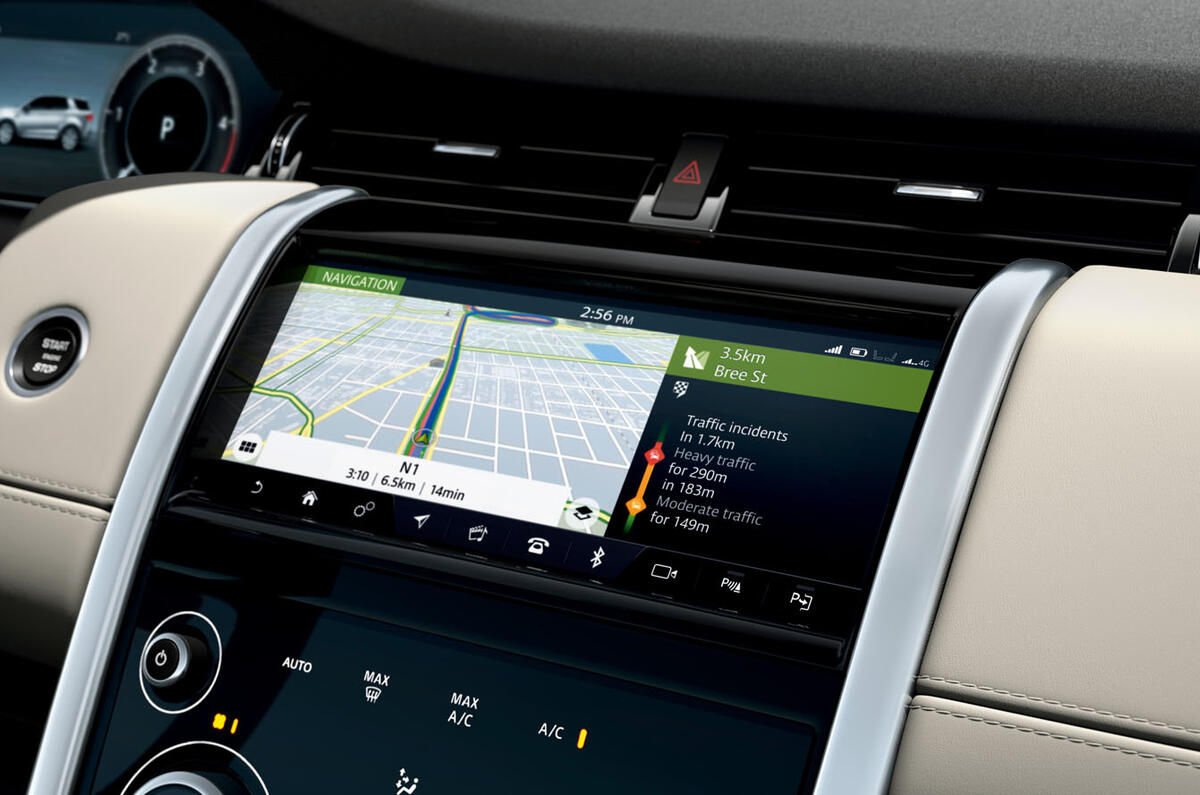
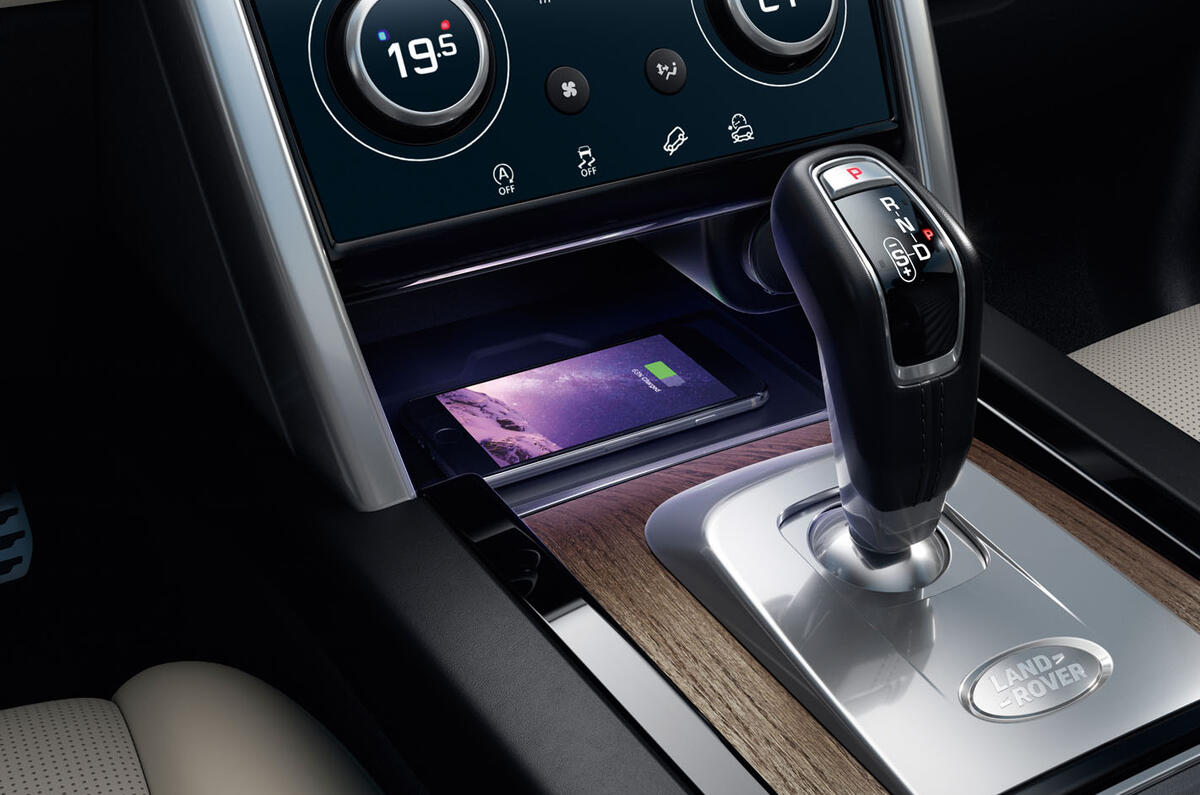
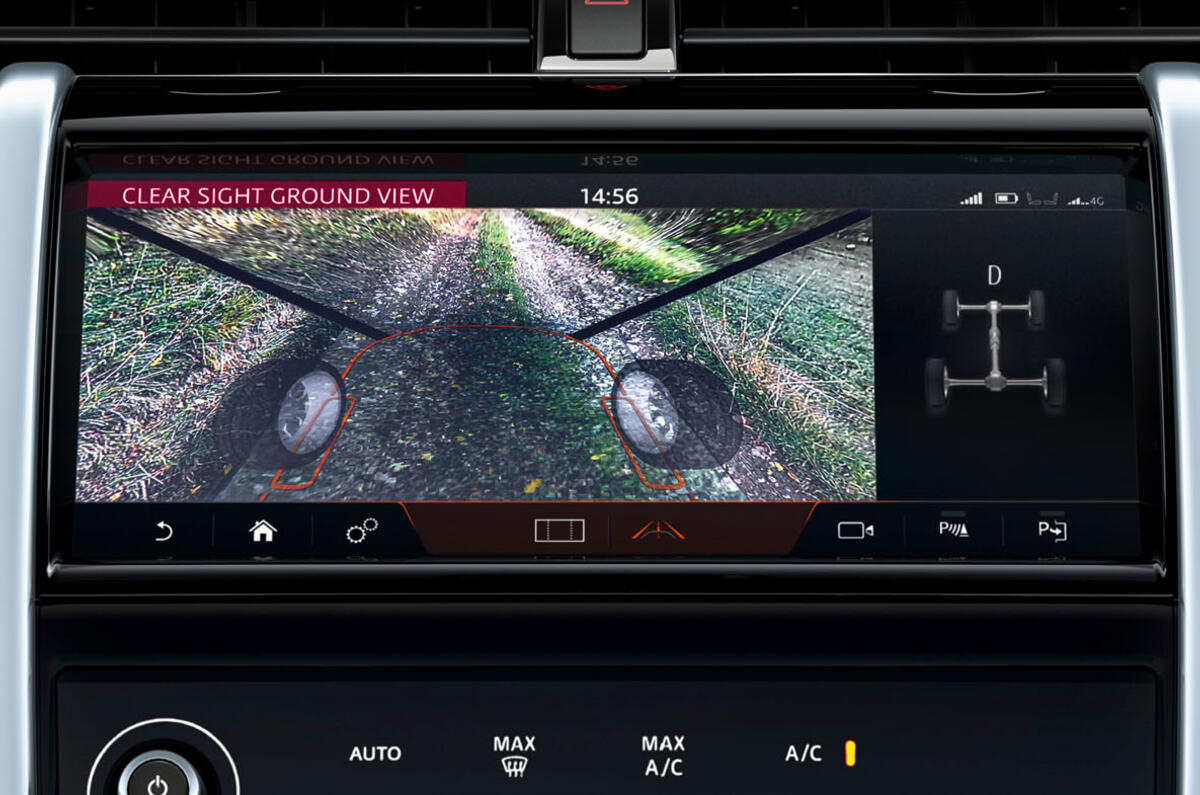
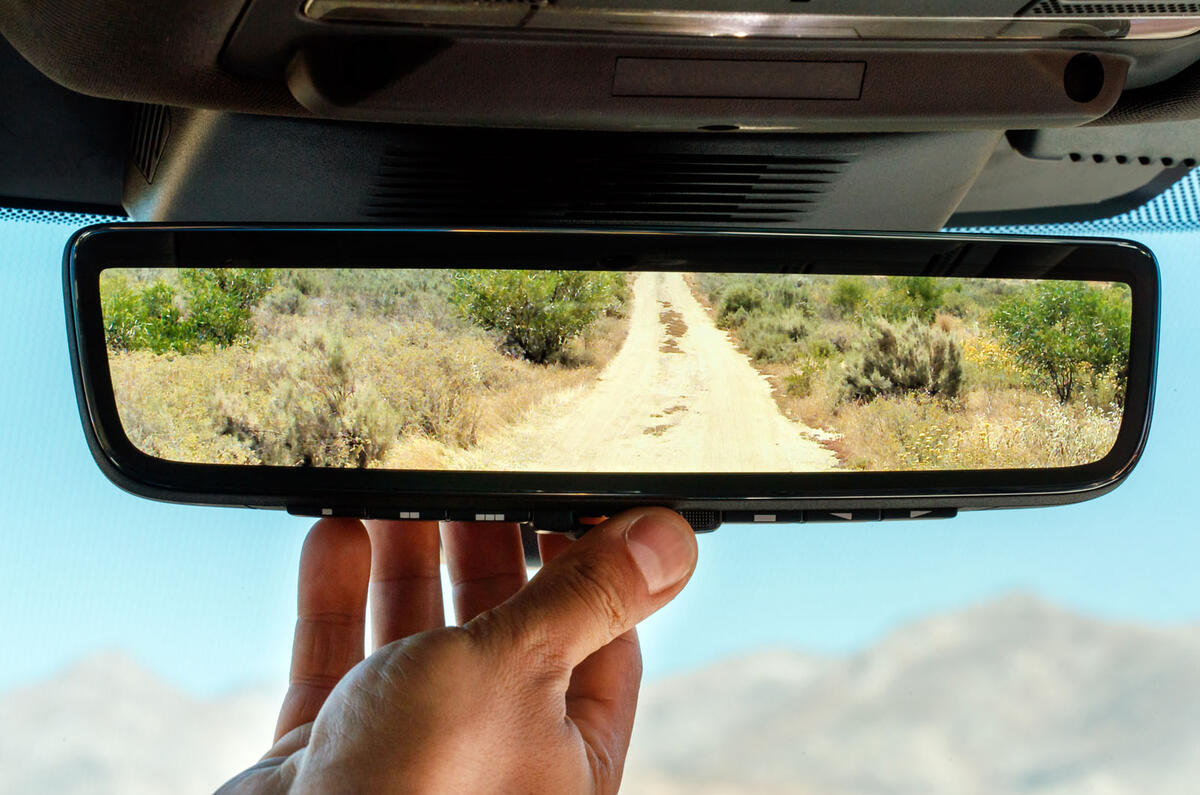

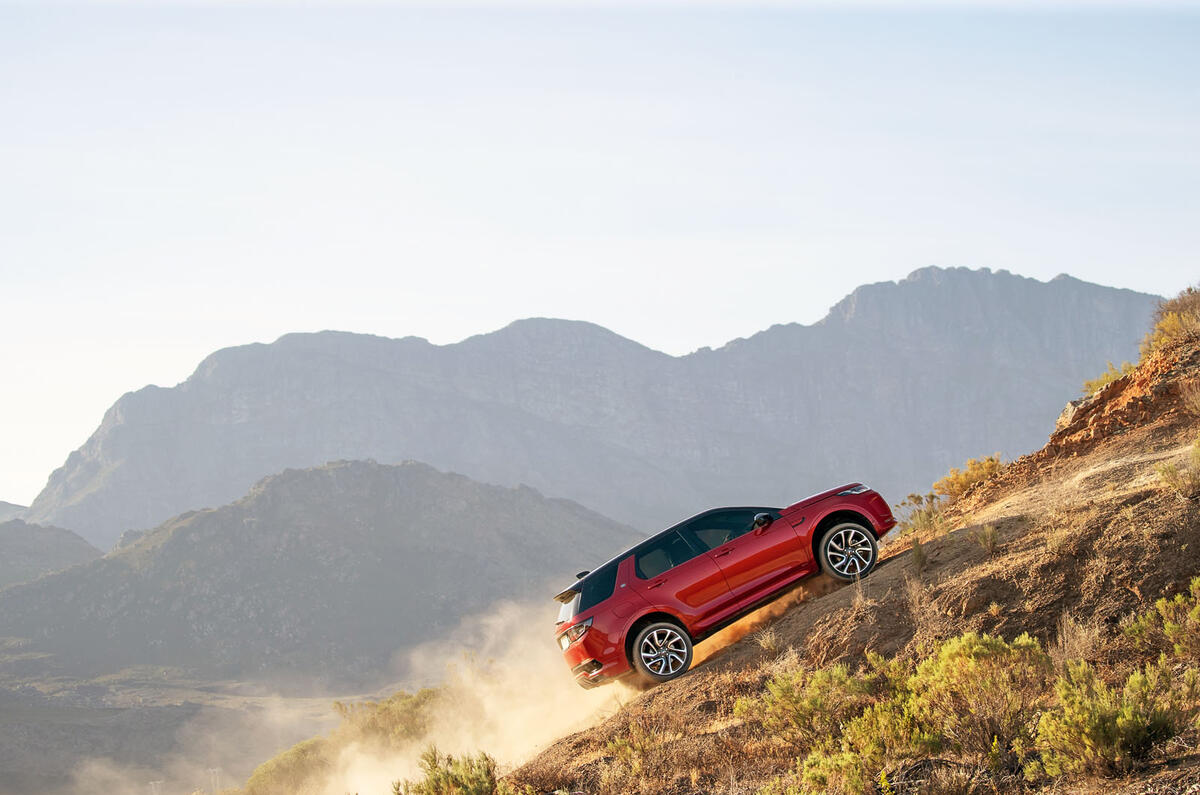
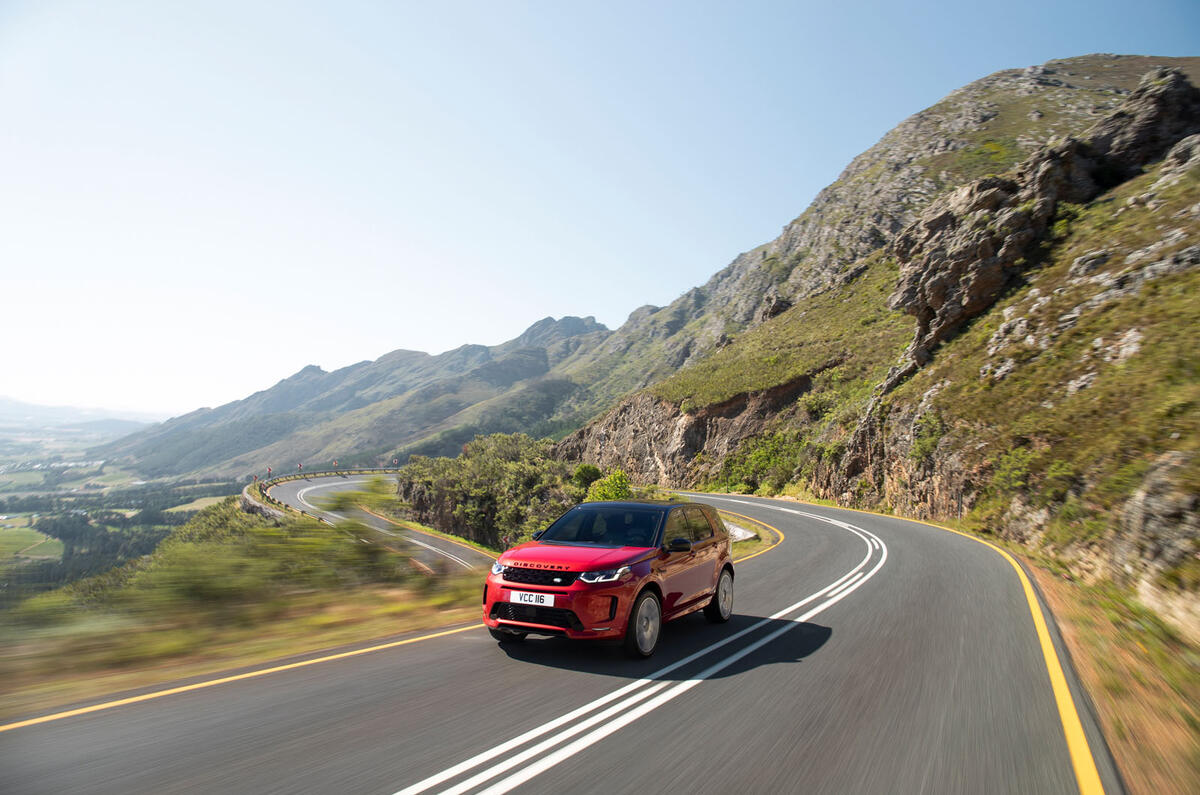
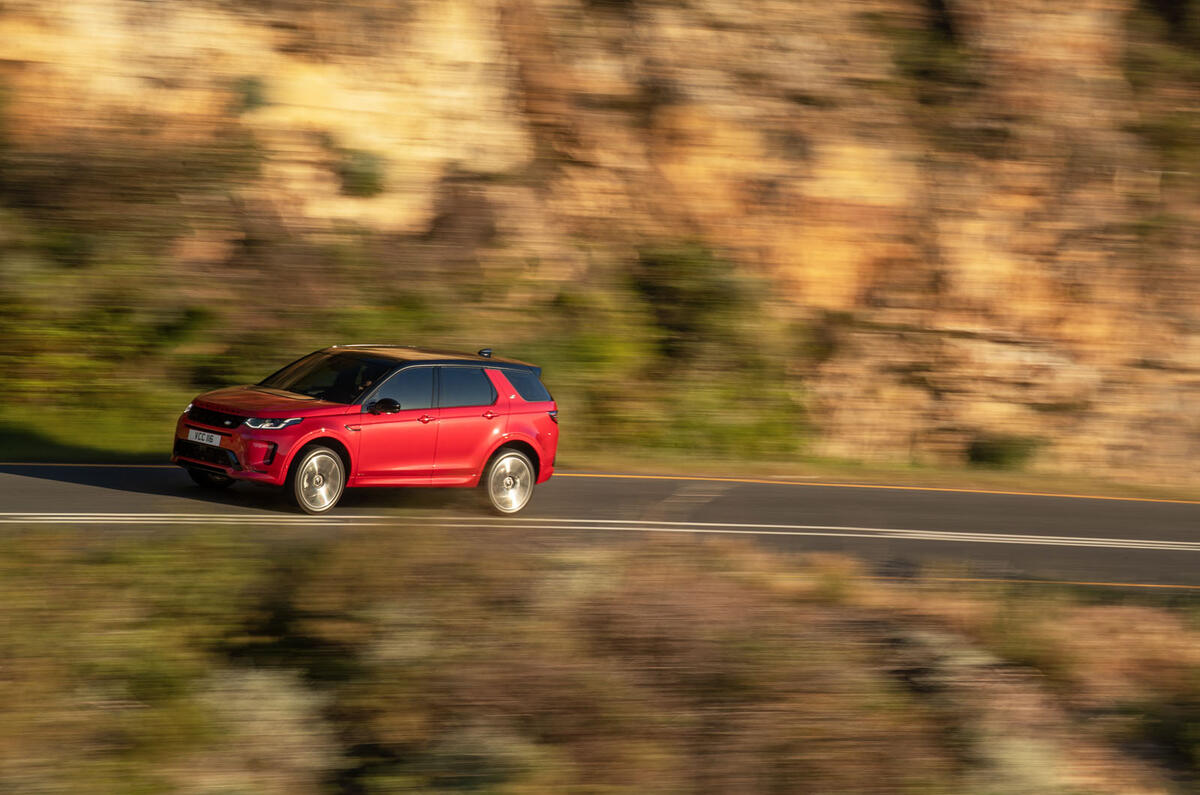
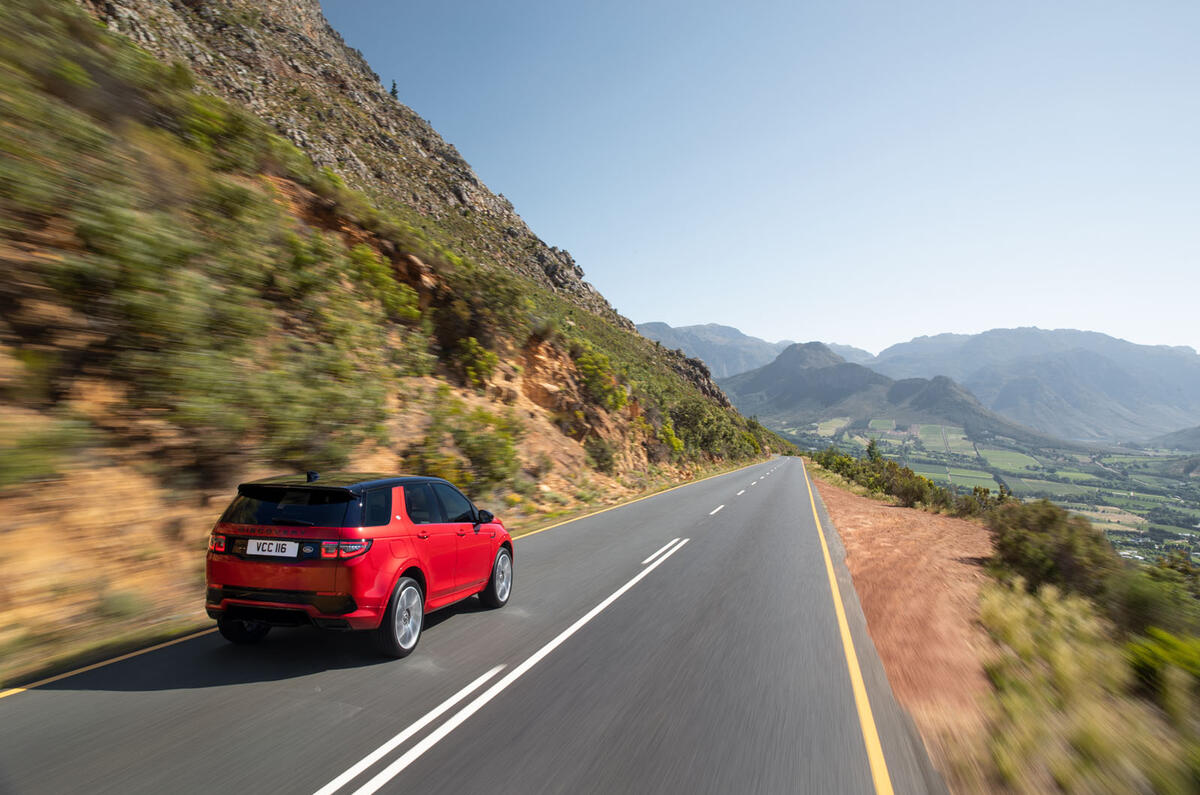
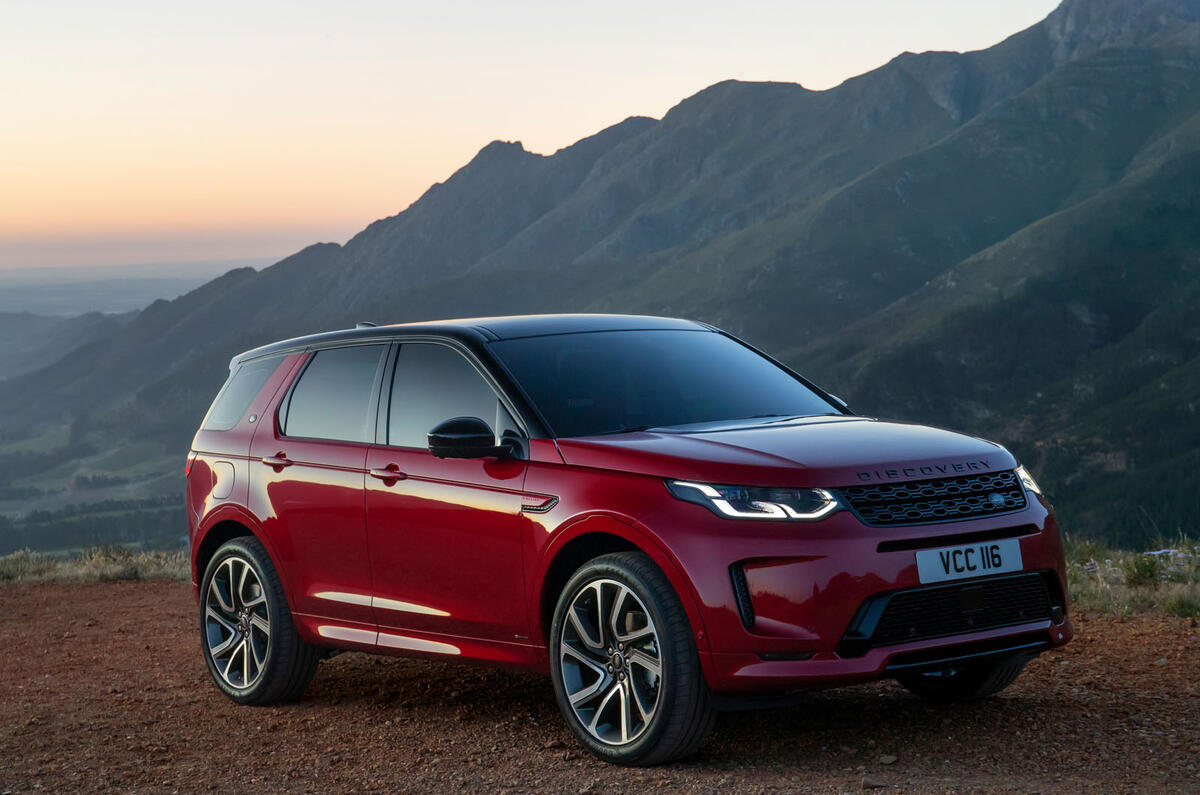
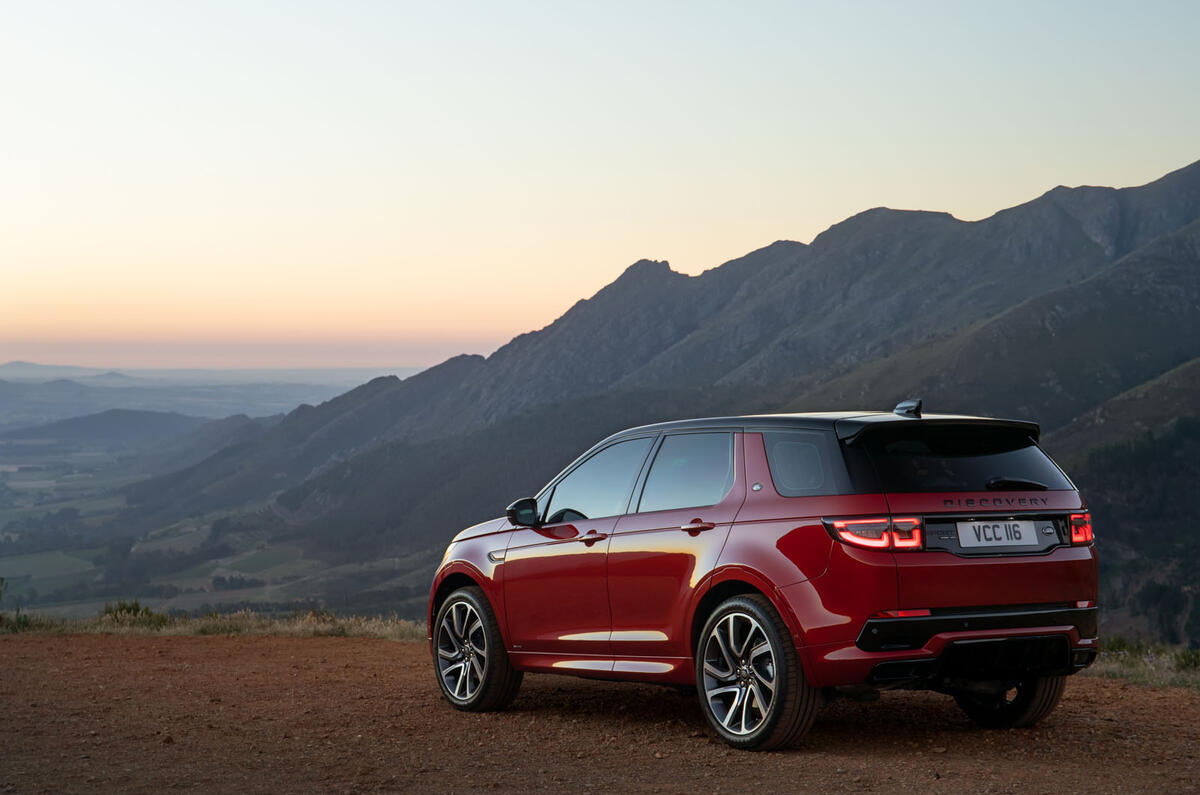
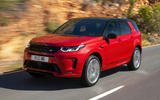
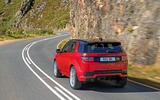
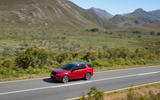

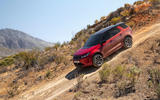
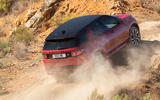
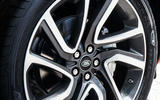

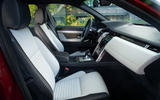
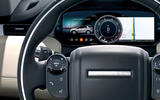
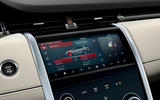
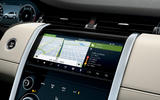
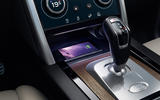
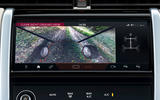


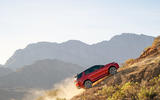
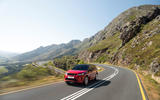
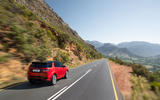
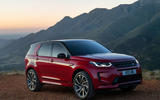
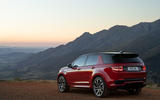

Land Rover has heavily updated its Discovery Sport best-seller with a range of new electrified engines, a new platform and a major interior upgrade to take on premium rivals such as the Volvo XC60 and Audi Q5.
Launched in 2014, the Discovery Sport remains Land Rover’s top-selling model. The firm sold nearly 100,000 examples worldwide last year – almost a quarter of its total sales.
Despite that, sales have tailed off as the Sport has lost ground to a fresher set of rivals, so this new version will be crucial in attempts to turn around the struggling fortunes of Jaguar Land Rover (JLR).
The five- and seven-seat model switches from Land Rover’s D8 platform to the new Premium Transverse Architecture used by the second-generation Range Rover Evoque, which is also built at the firm’s Halewood plant. This new platform allows for the adoption of electrified powertrains and the 48V mild-hybrid system introduced on the Evoque features on the bulk of the Discovery Sport’s launch powertrain line-up.
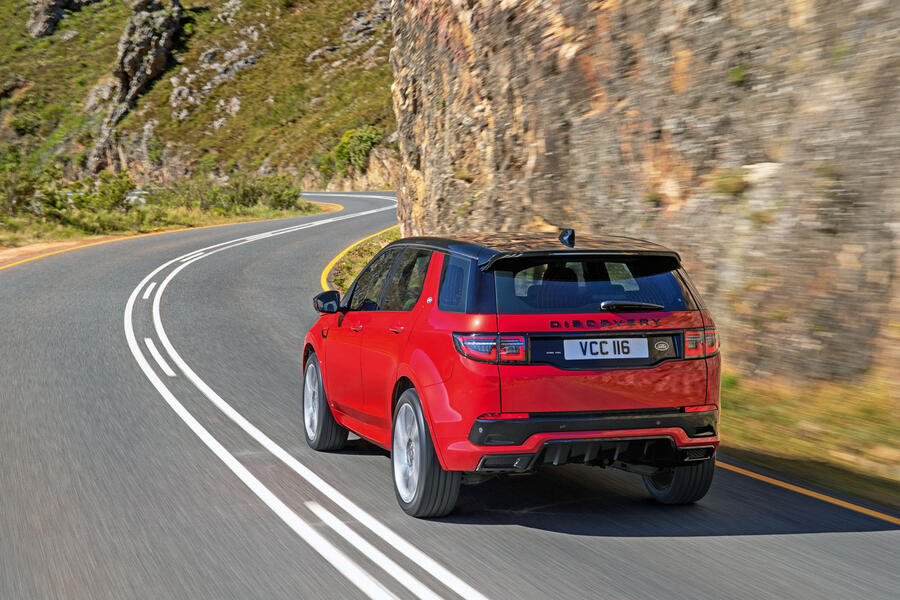
The system, which uses an engine-mounted belt-integrated starter/generator mated to an underfloor battery, means that the Discovery Sport offers fuel consumption from 40.9mpg, with CO2 emissions from 144g/km (NEDC equivalent figure converted from WLTP). A full plug-in hybrid version will follow later this year.
The entry-level model – and only non-mild hybrid – will be the front-wheel-drive version of the D150 diesel, offered with a six-speed manual and providing 148bhp and 280lb ft of torque. All other versions feature all-wheel drive and use a nine-speed ZF automatic gearbox, which has been updated to improve fuel economy on its own by 2%.
The highest-performing launch version will be the P250 MHEV, which features 246bhp, 269lb ft and a 0-60mph time of 7.1sec. Other engine options will be 178bhp and 237bhp diesels and a 197bhp petrol. As with the Evoque, the all-wheel-drive system features the latest version of Land Rover’s Terrain Response 2 system, with four drive modes to adjust the all-terrain technology as well as an auto option that detects and adjusts for the conditions itself. It also offers Driveline Disconnect, which sends power to only the front wheels during steady cruising to further increase efficiency.