









Quite a few all-new cars from all-new car makers enjoyed road test scrutiny last year, so let’s start the new year with something very much the opposite: that old executive stager, the Mercedes E-Class.
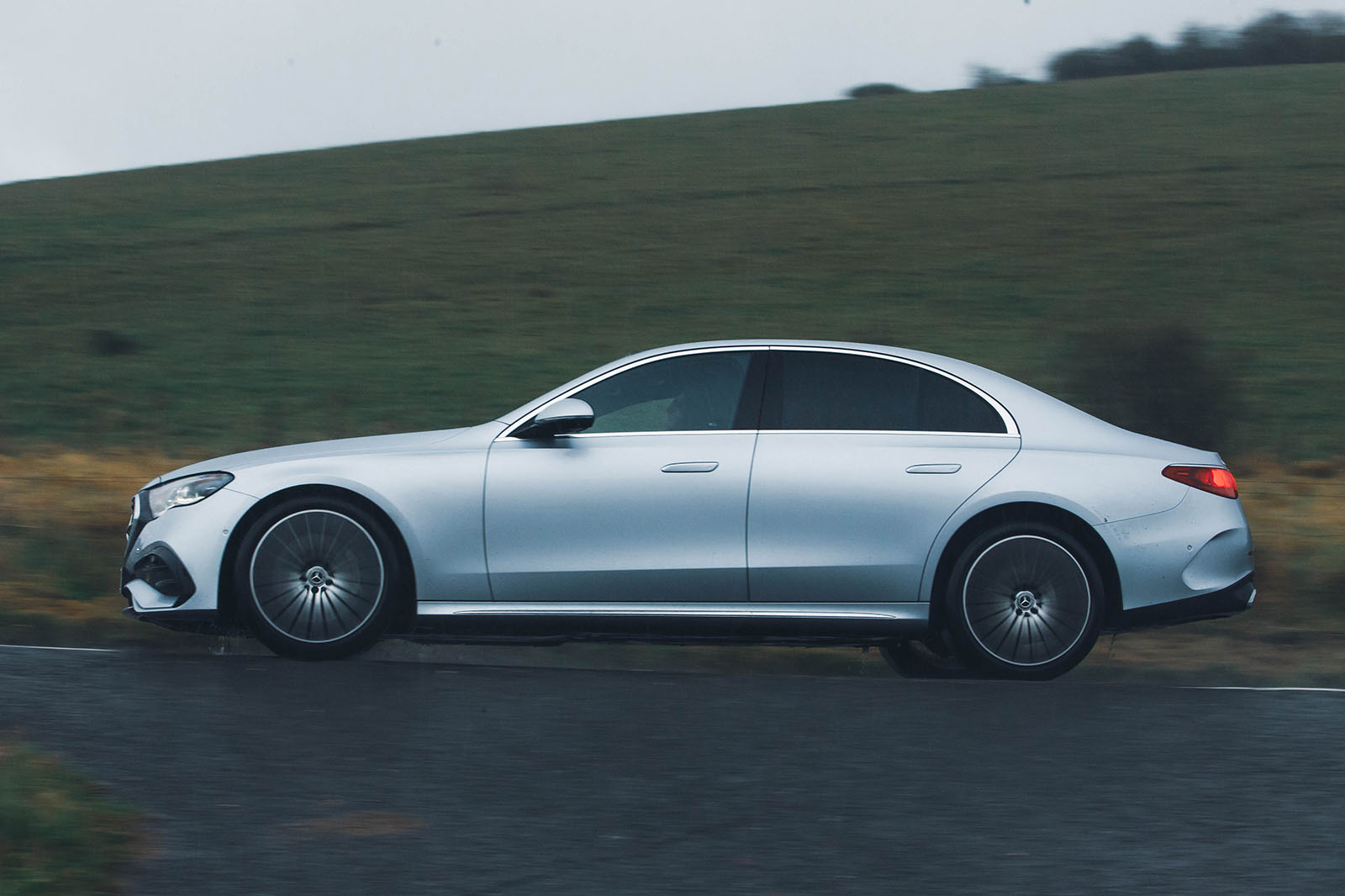
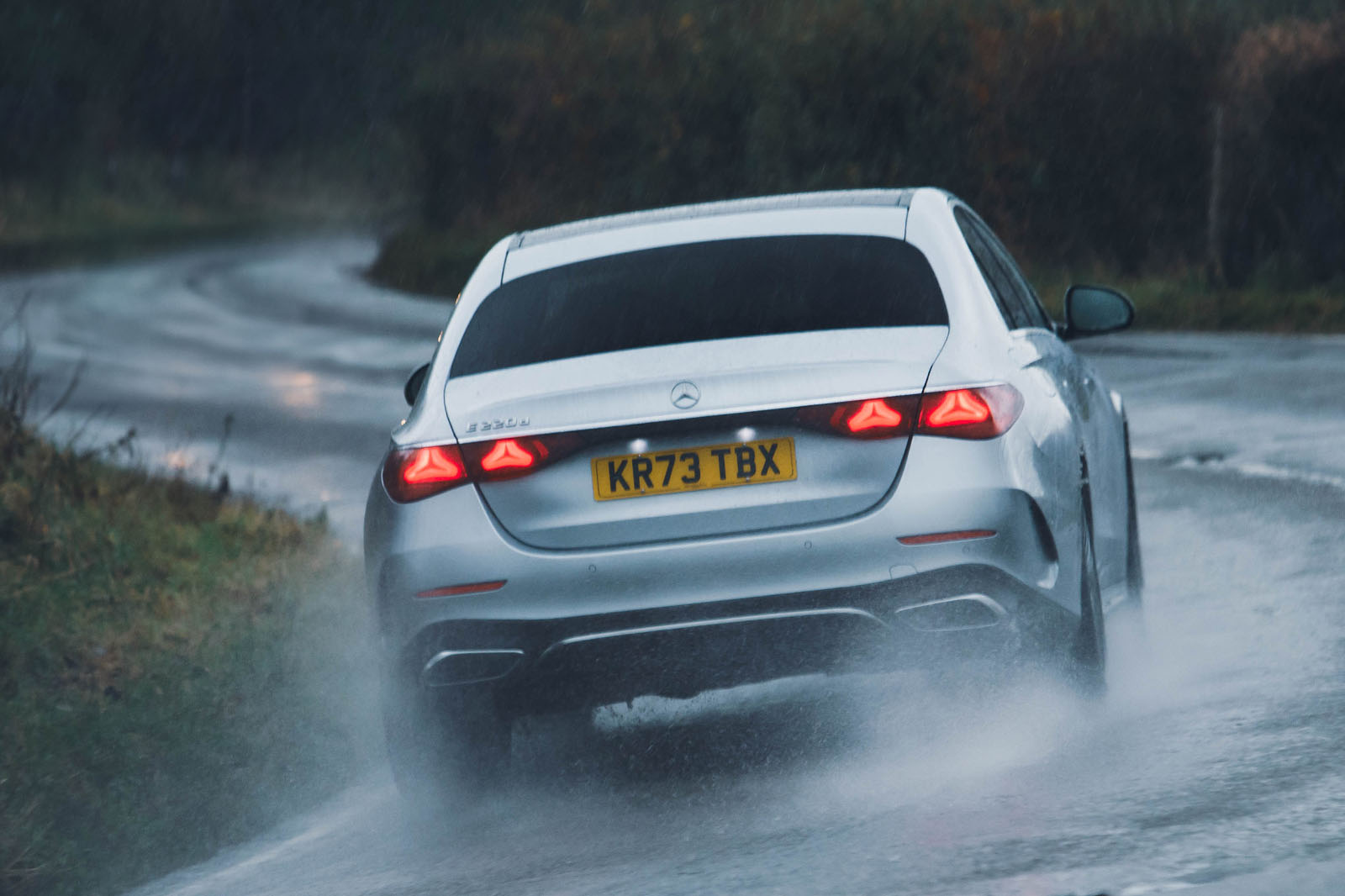
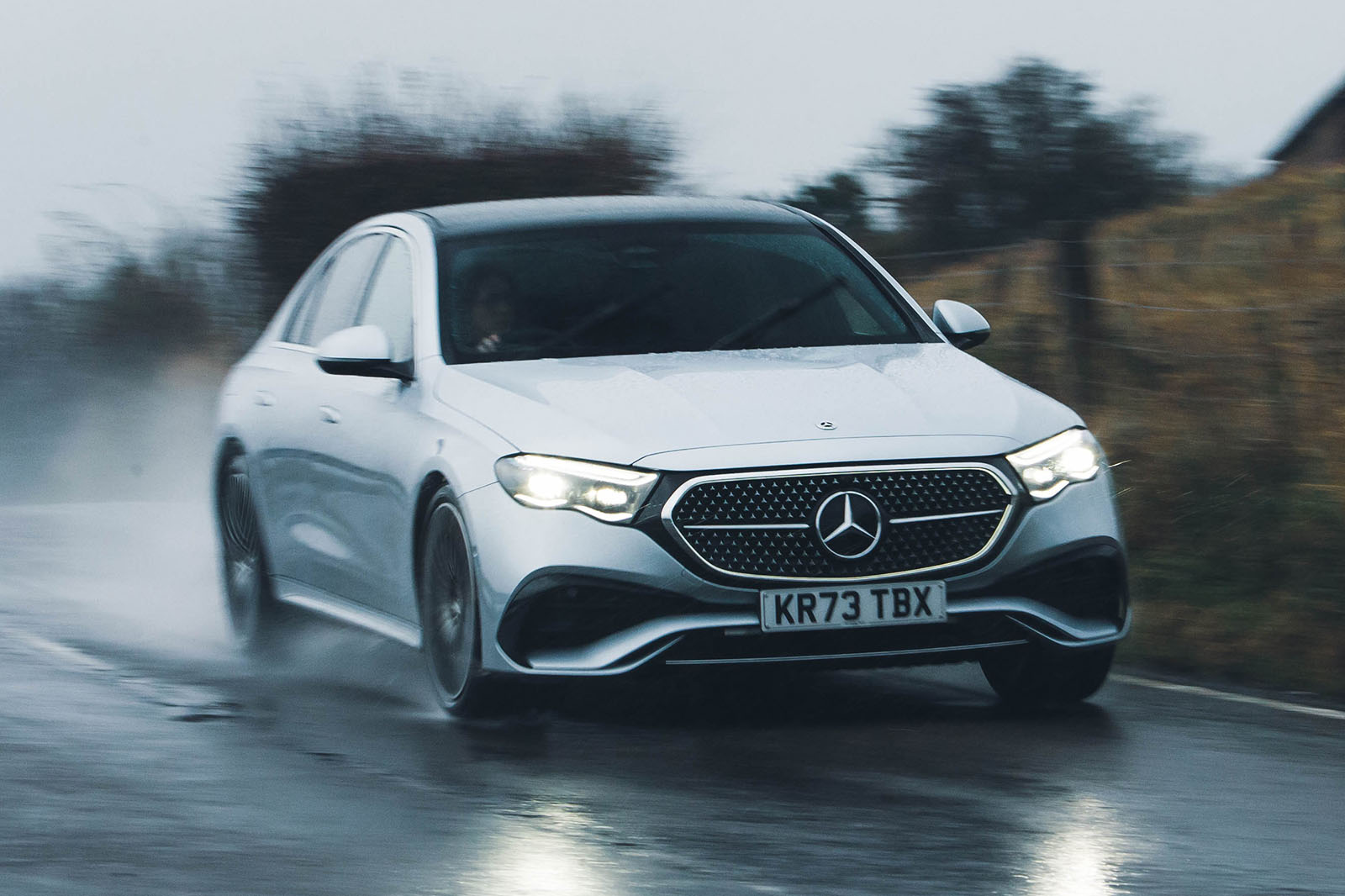
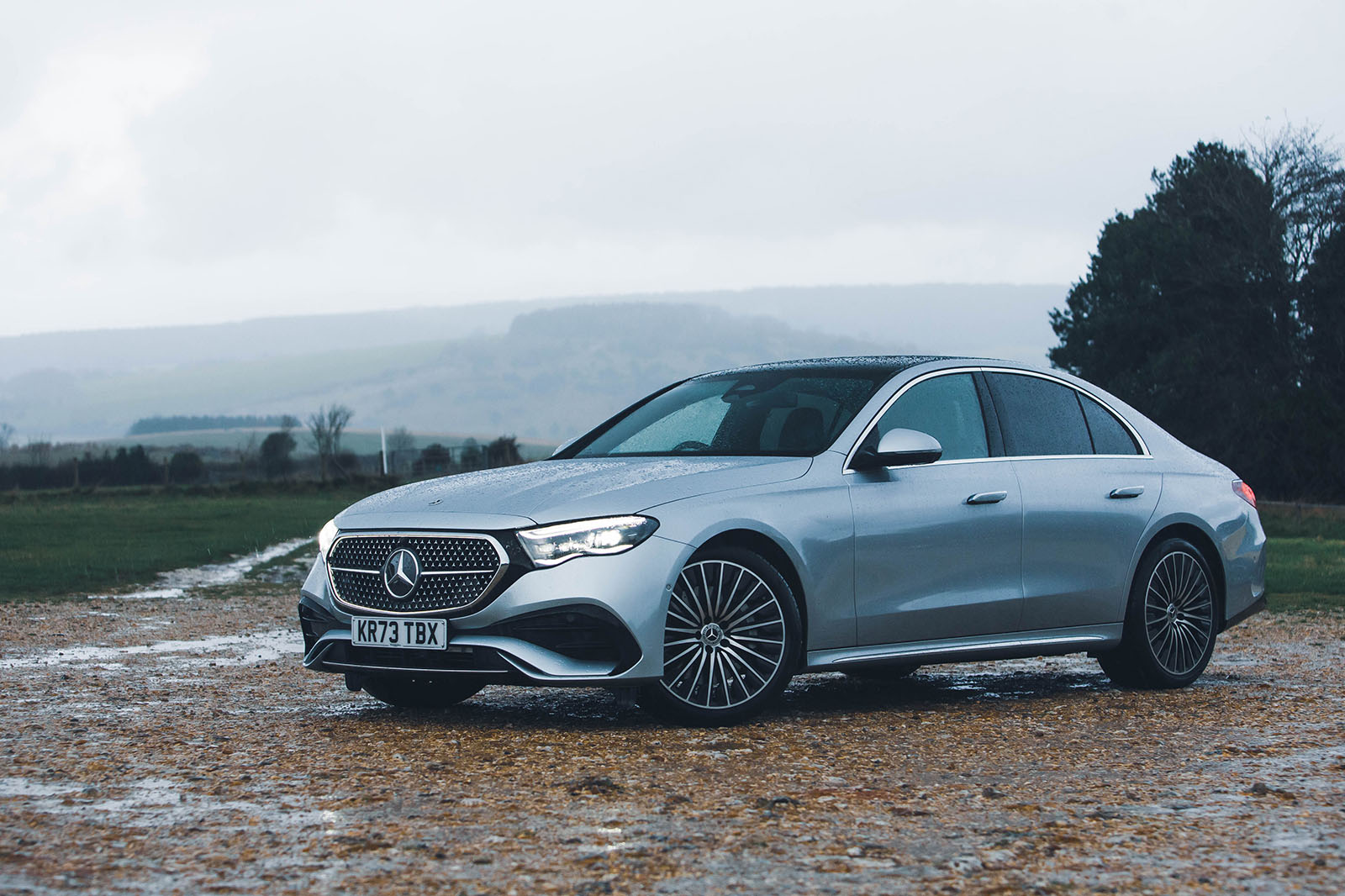
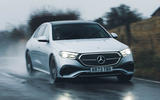
This is new ‘W214’ E-Class, which is the latest iteration of one of the oldest model lines from one of the oldest car manufacturers. By Mercedes-Benz’s own count, it is the 10th generation of a largely unbroken lineage going back to 1947.
Despite being very keen to refer to its heritage (and why wouldn’t it be?), Mercedes isn’t a particularly nostalgic company. It has come up with radical designs, such as the original A-Class and Smart City Coupé, while its electric cars are really exploiting the aerodynamics and design possibilities that an EV offers.
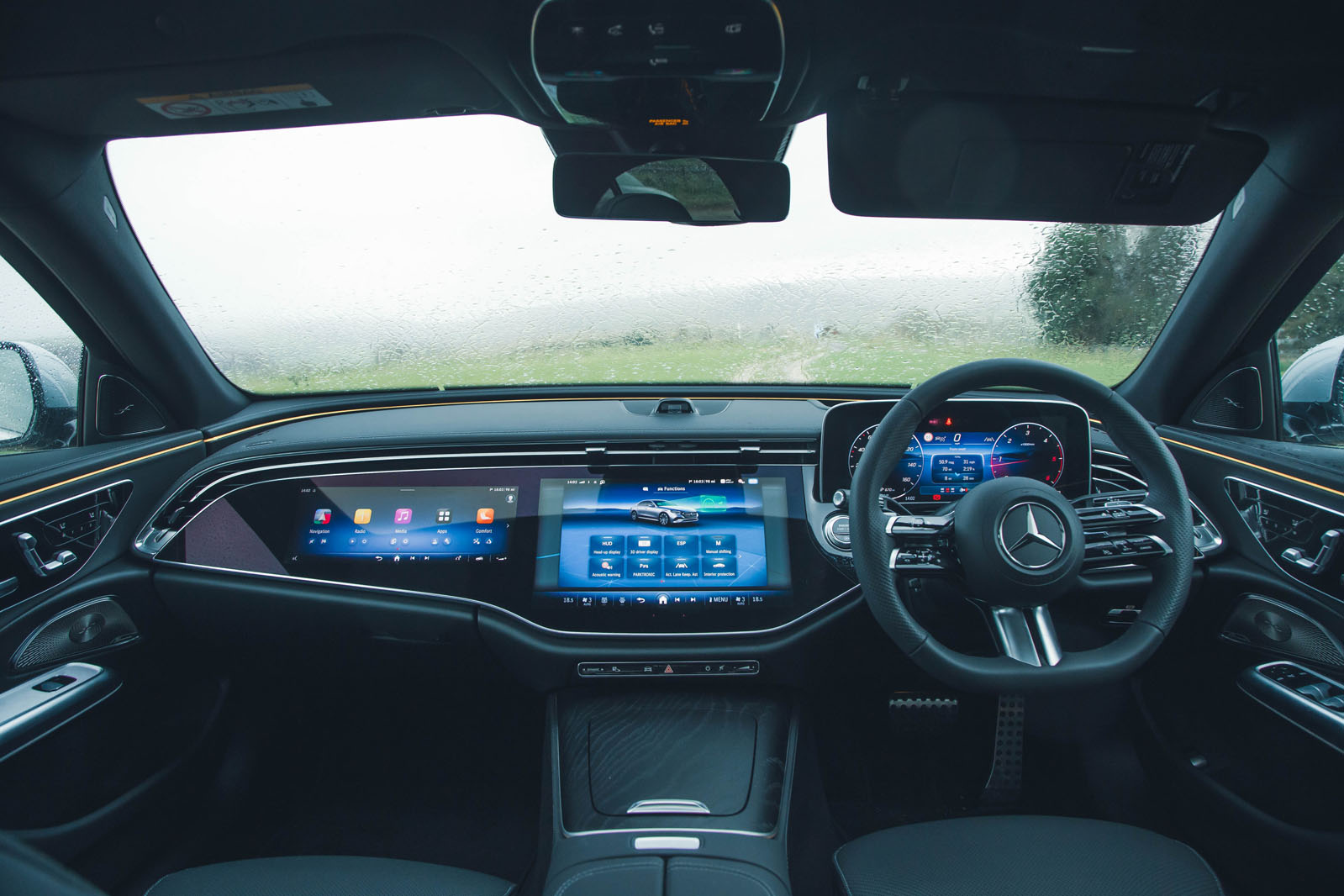
Unlike with the BMW i5 and 5 Series, Mercedes is choosing to keep the electric Mercedes EQE and combustion-engined E-Class apart. According to the literature, the new E-Class needs to balance tradition with modernity and ‘build a bridge’ between traditional exec saloons and the tech-filled EVs of the future.
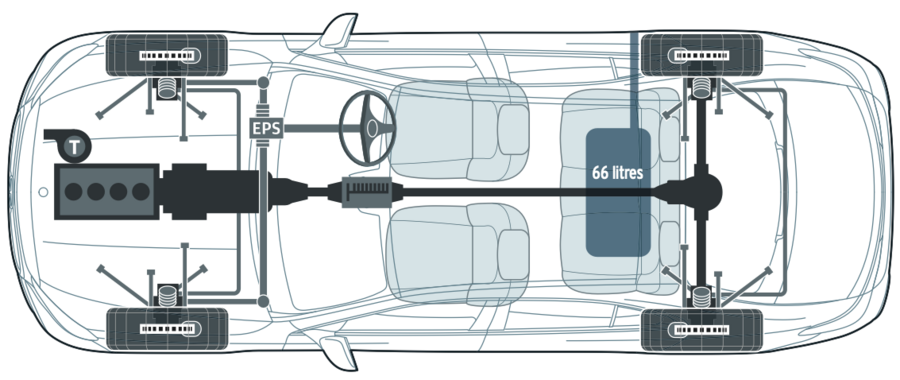
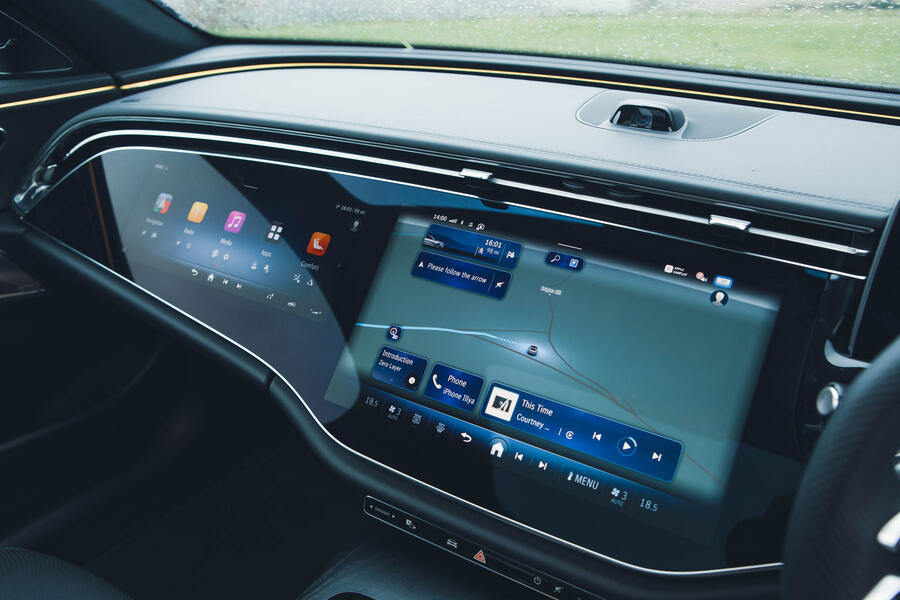
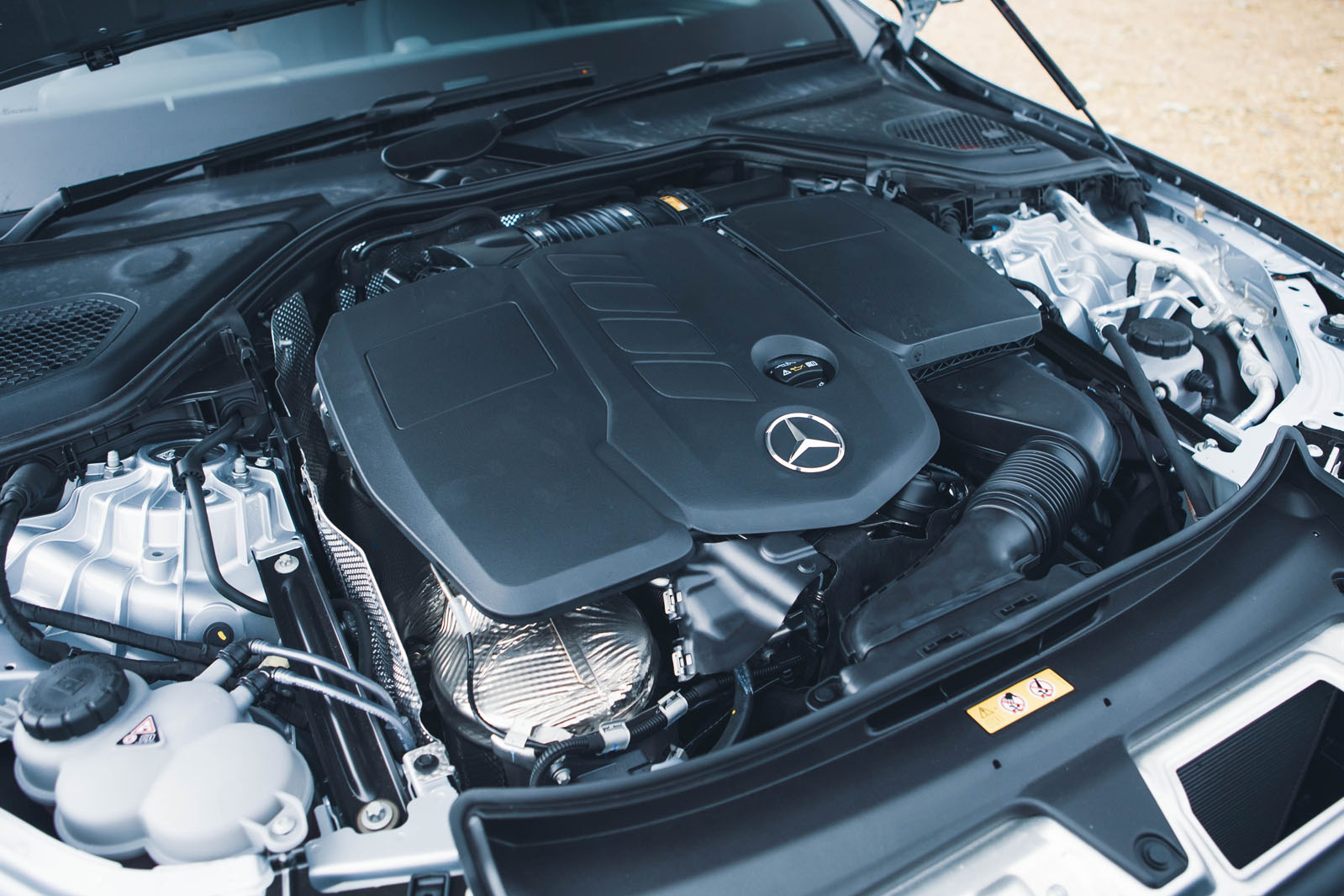
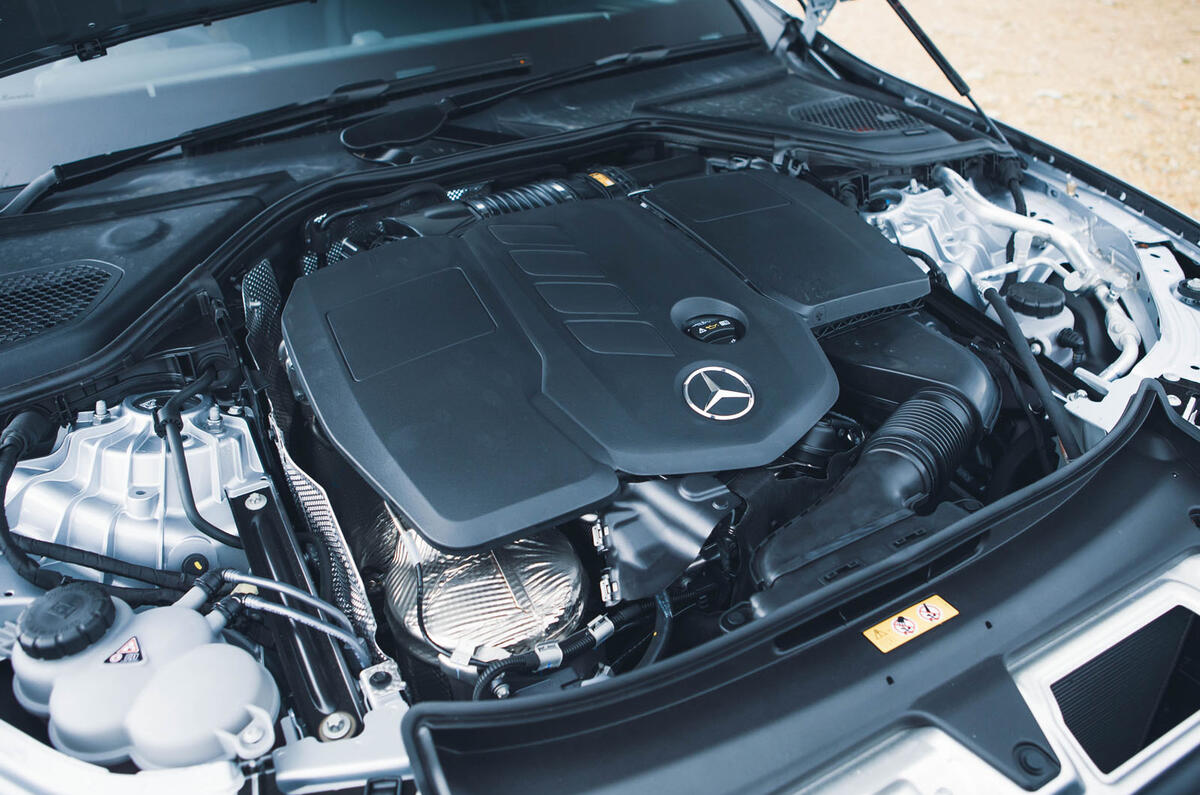
Plenty of buyers are not ready for their car to be a smartphone on wheels, so that mission could well strike a chord. To find out whether the E-Class might succeed, we have one with all the toys but probably the most traditional powertrain available: a 2.0-litre diesel engine.
The range at a glance
| Models | Power | From |
|---|---|---|
| E200 | 201bhp | £55,290 |
| E220d | 194bhp | £56,925 |
| E330e Advanced | 308bhp | £68,020 |
| E450d 4Matic Premium | 362bhp | £80,640 |
The E-Class launches in the UK with a relatively compact range of engines: a four-cylinder petrol, diesel and plug-in hybrid, and one six-cylinder diesel with four-wheel drive.