European drives of the 208 have suggested that the biggest gains relative to the 207 have been made on desirability, quality and driving dynamics. The car is certainly a much more attractive prospect than both the 207 and 206. On this evidence, though, all those dynamic comparisons with the excellent 205, and suggestions that Peugeot has created a class-leading hatchback here, may both have been premature.
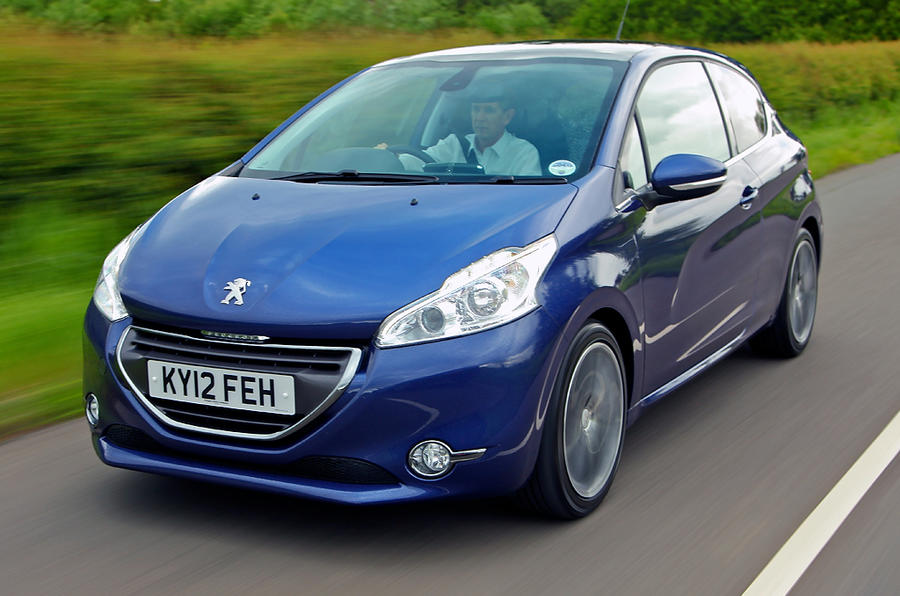
Our ‘Allure’ spec test car looked handsome, and does justice to Peugeot’s status as a maker of mature and sophisticated European cars much better than the 207 ever did. Loaded with satin-finished brightwork inside and out and, for the most part, well finished, the 208 is a car you could really want.
But on close inspection, it doesn’t match the material quality standards of the best superminis on the block. You won’t find hard, rough cabin plastics like those on the Peugeot’s interior door cards, around its steering column and at the foot of its centre console in the likes of the VW Polo or Honda Jazz. Still, if you can forgive that much, the car’s cabin is very pleasant. Its instruments, aligned to be viewed over the top of the steering wheel, didn’t cause a problem for this tester.
During typical town motoring, there’s a similar story to tell: the 208 is good, but not without fault. High, upright pedals, a baggy gearshift and a slightly troublesome clutch don’t instantly make driving the car a pleasure, while a power steering setup that can feel sticky at the straight ahead, and overly elastic off centre, doesn’t at first inspire much fun.
But handling is taut, grip is well balanced, and our test car’s engine was at once punchy, refined and economical, returning better than 55mpg in urban use. The 208’s ride lacks the absorbency to deal with medium-sized bumps in the road with as much class as the very best compact hatchbacks, but its ride is generally quiet and liveable, and its handling more involving than some.










Join the debate
Add your comment
Brilliant all rounder
Different strokes for different folks I guess but I bought a 208 & couldn't be happier. Can't comment on the diesels but the 1.2 petrol is a gem, easy revving and nippy in the urban jungle. Actually the biggest surprise is how refined and quiet it is on the motorway. The interior is a pleasant and comfortable place to be, helped by the touchscreen which really declutters the dash. Much has been made of the steering wheel, but live with it for a short time and it feels very natural. Makes the steering wheel on other cars feel giant and like driving a bus. I have. The 5 door and it's very spacious and practical for a supermini. The boot is very practical shape and size, I can fit a giant hockey goalkeeping kit bag in with the parcel shelf in position. Although still early days I'm getting over 47 mpg from what is mostly rush hour urbancommuting, so pretty good going. I have the Active spec, which gives me the kit I want - blue tooth, ipod connectivity, cruise control, air con. Overall I think it offers very good value in comparison with the competition.
Saw one for the first time yesterday
Not surprisingly to me the front end treatment lacks the flair which, like it or dislike it, makes its vampish cousin, the DS3, stand out. How important flair is and how little of it there is at the moment!
Curiouser and Curioser
Peculiar inconsistency here beween the same reviewer's comments on the diesel version and the petrol one. I think he must have forgotten what he wrote previously!