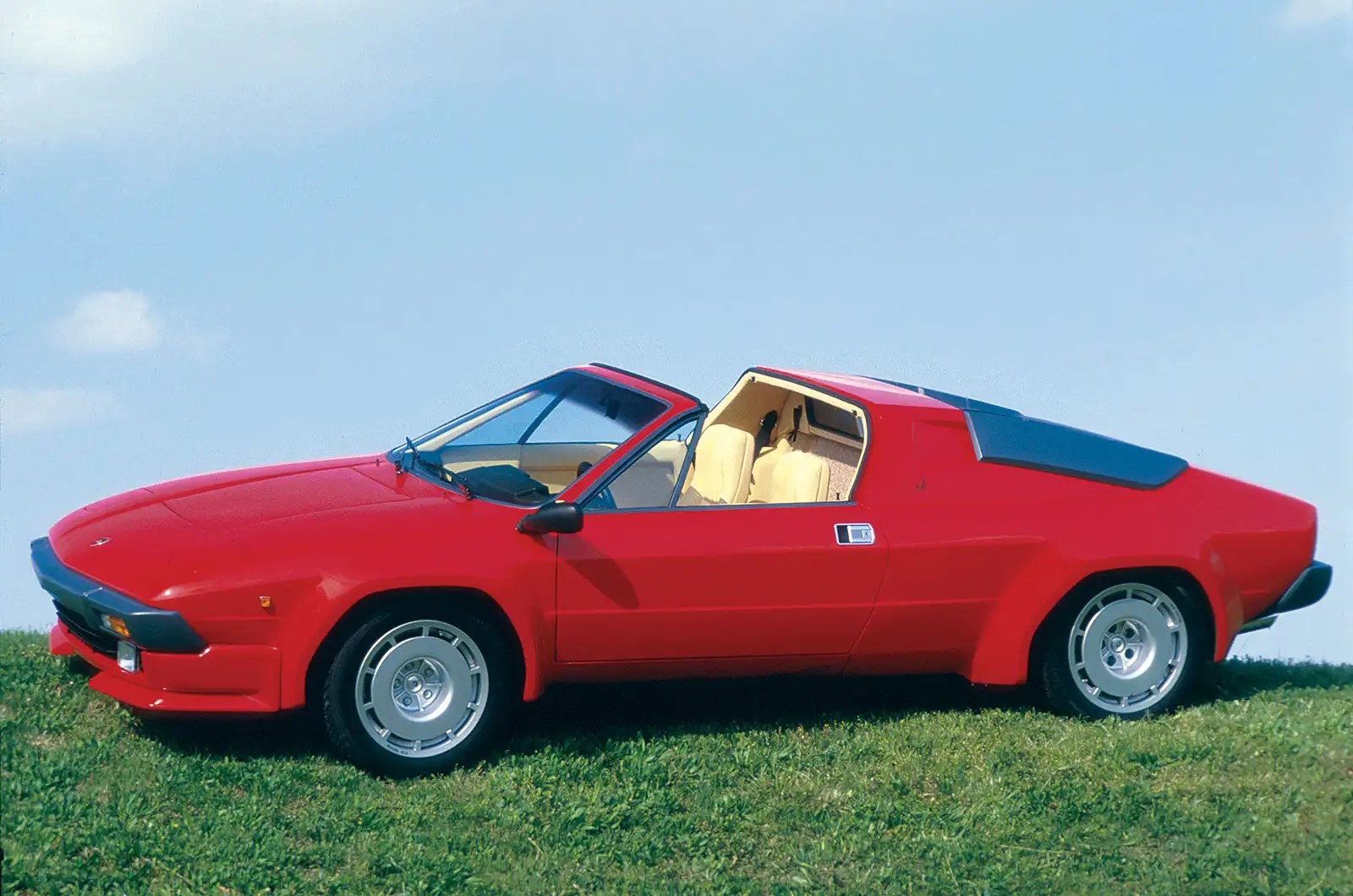
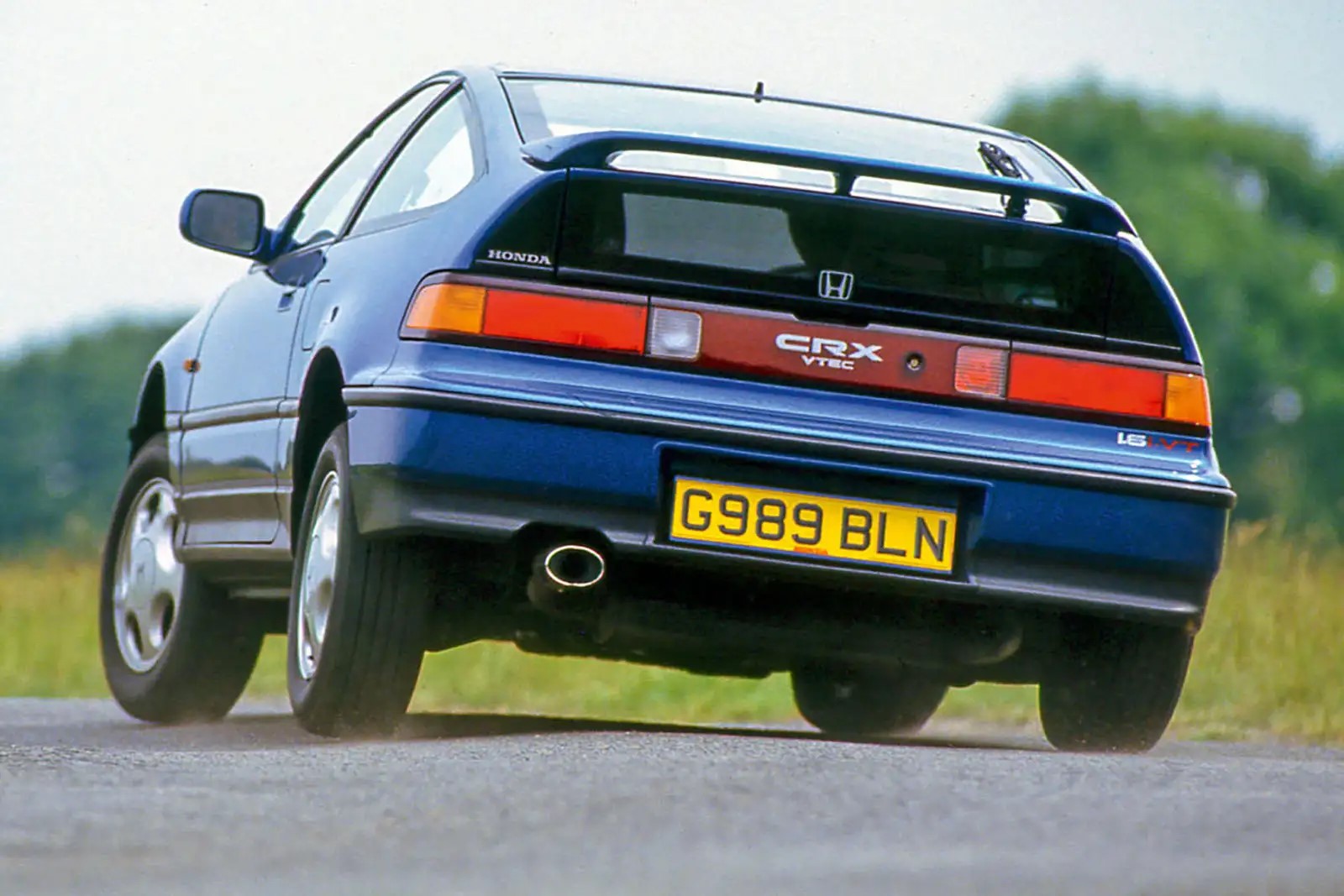
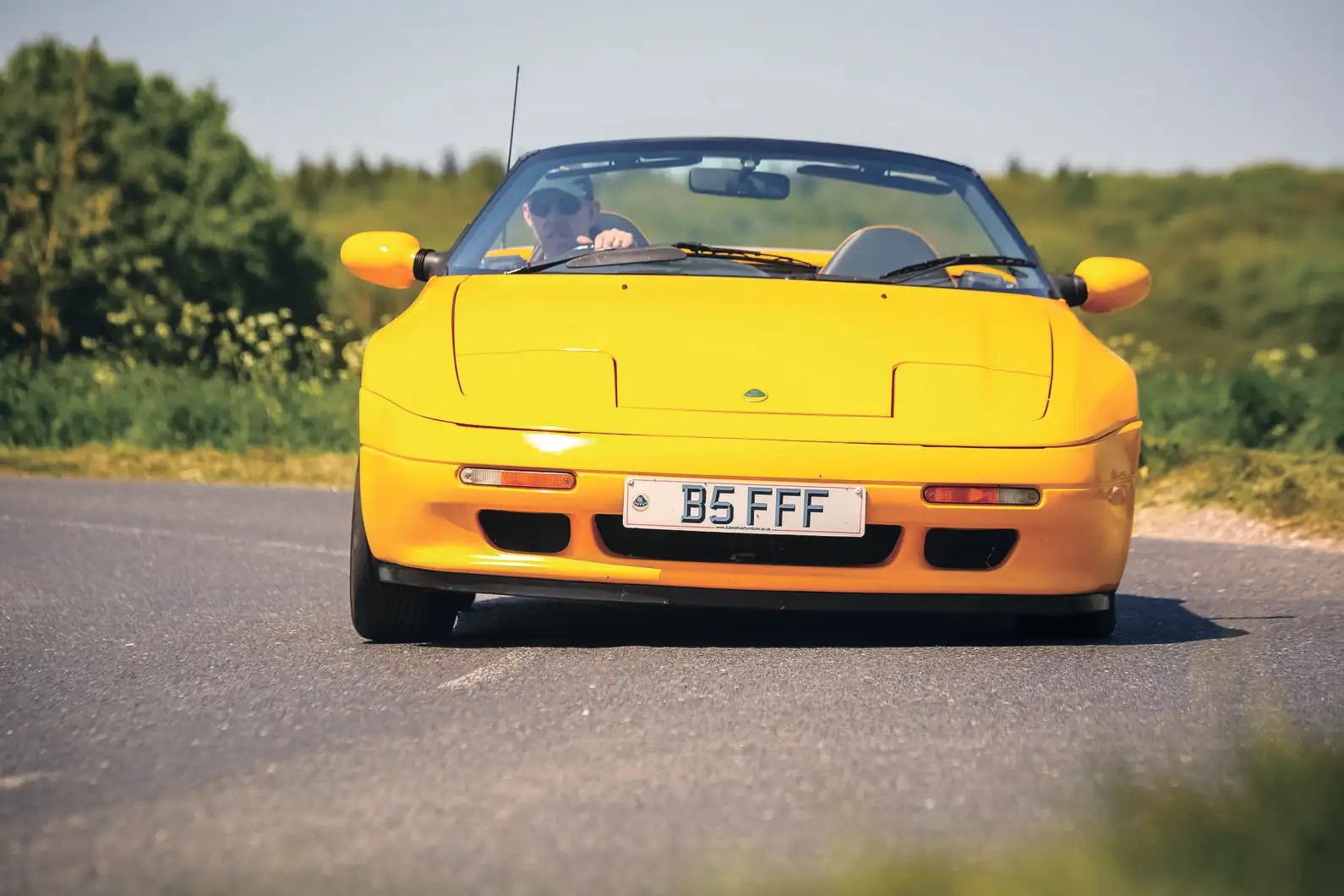
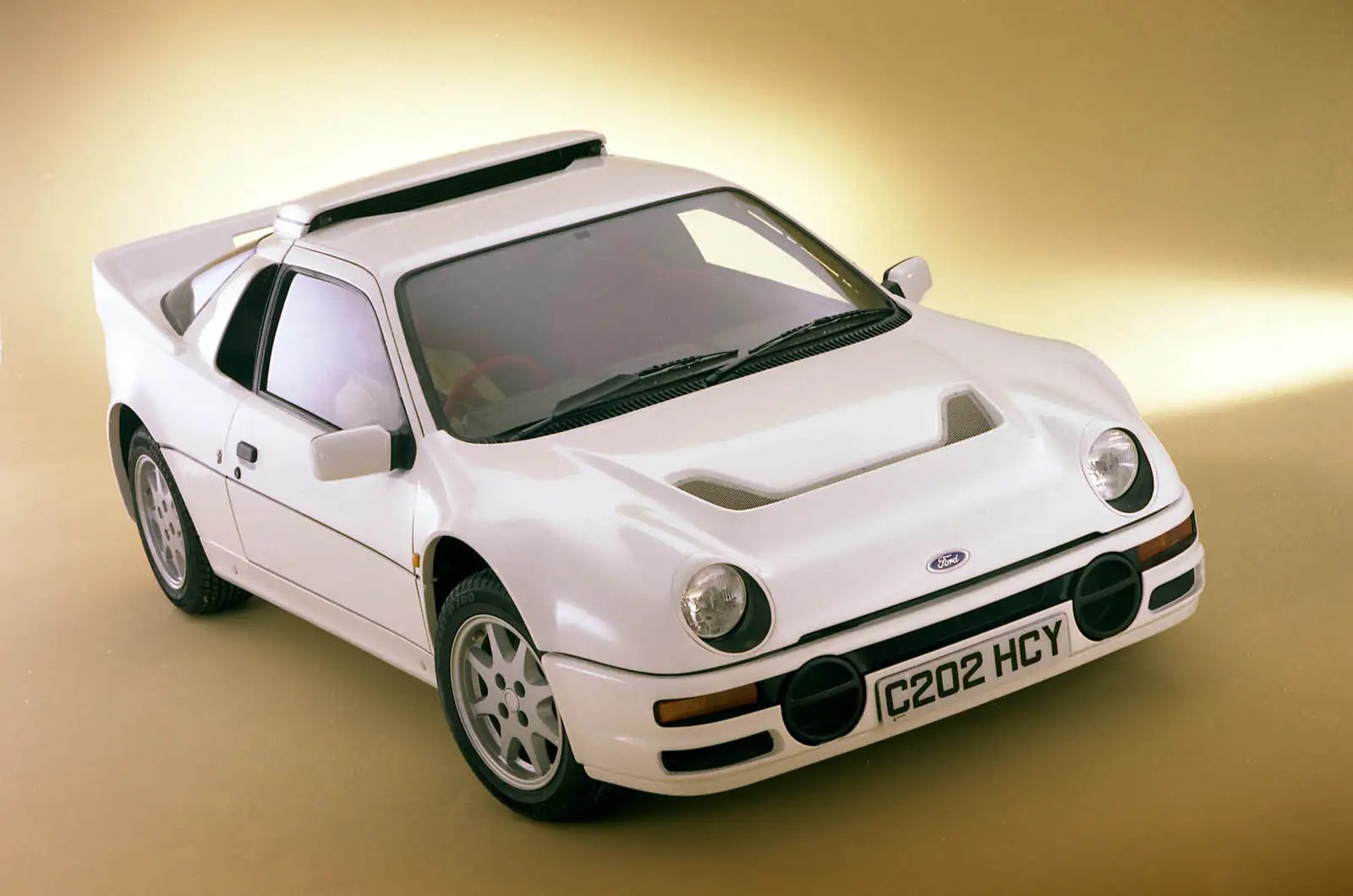
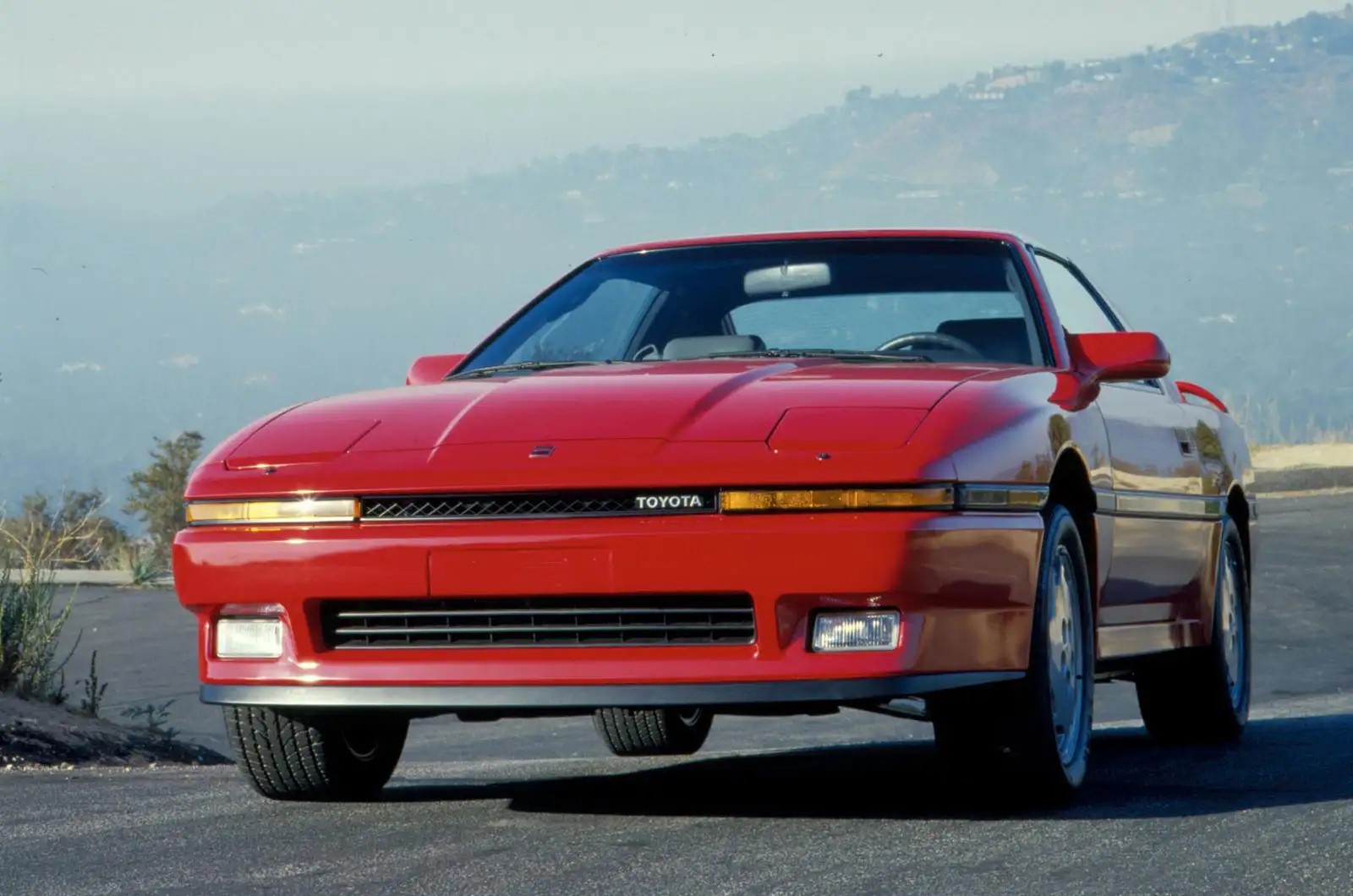
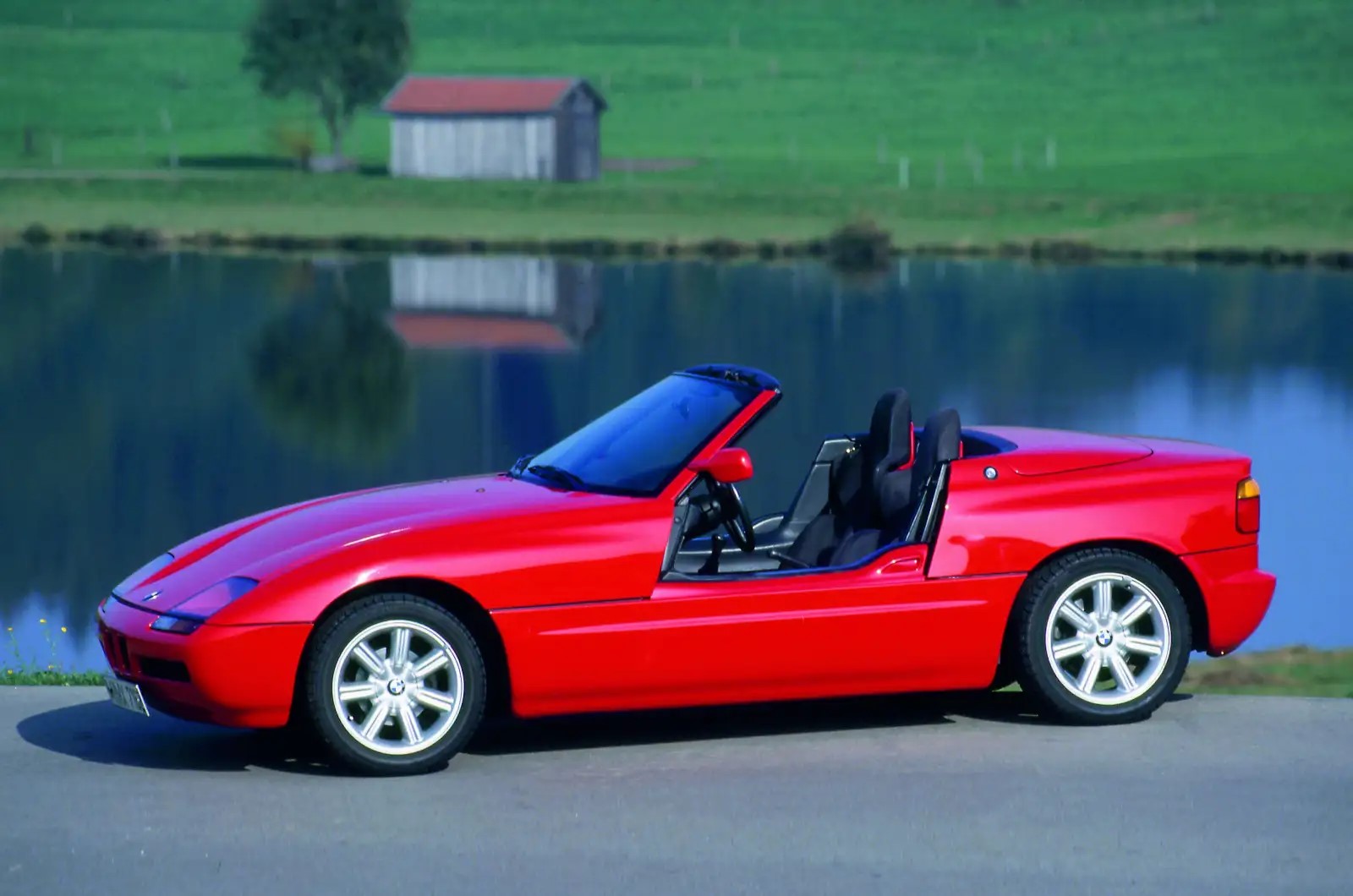
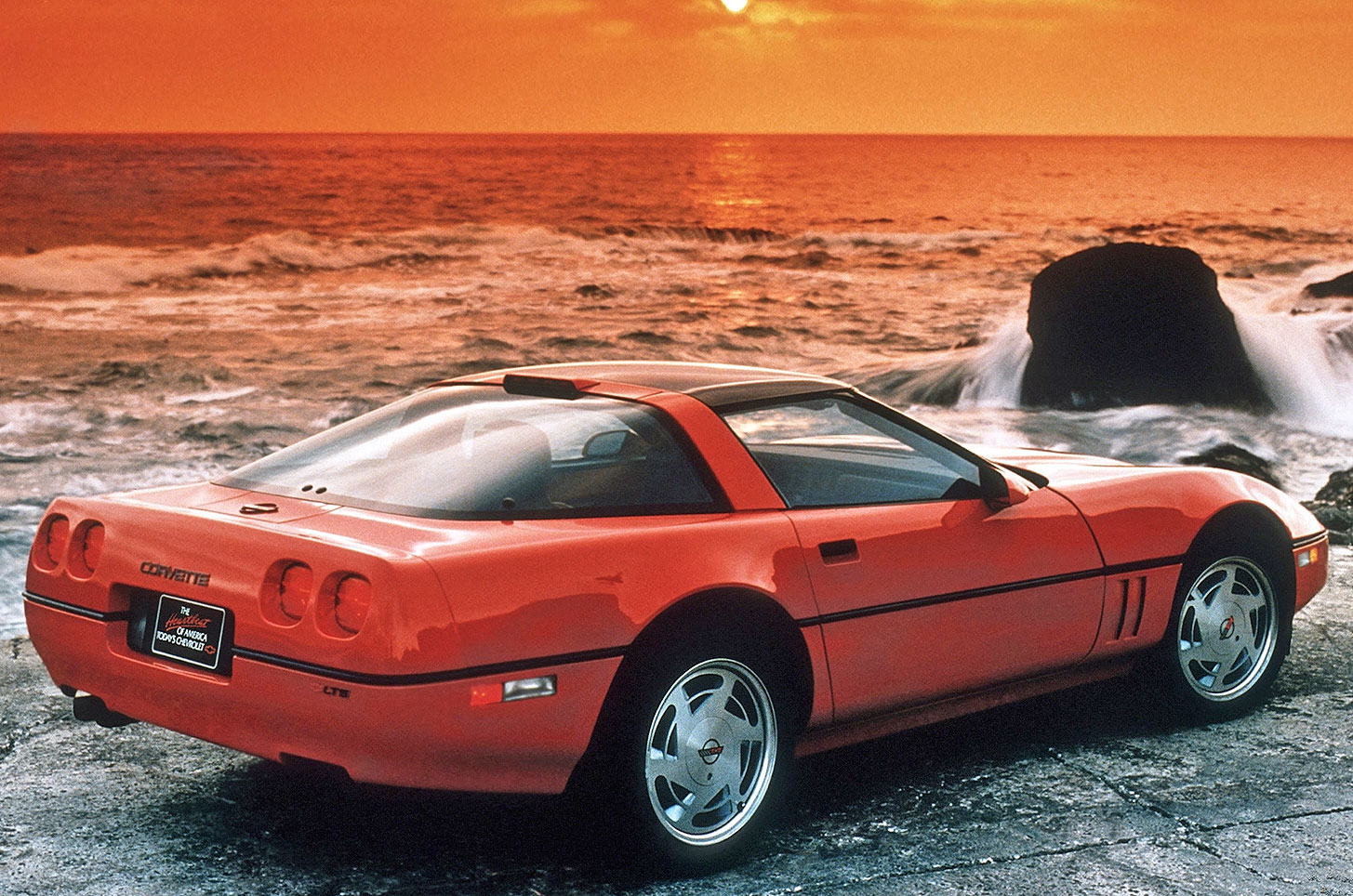
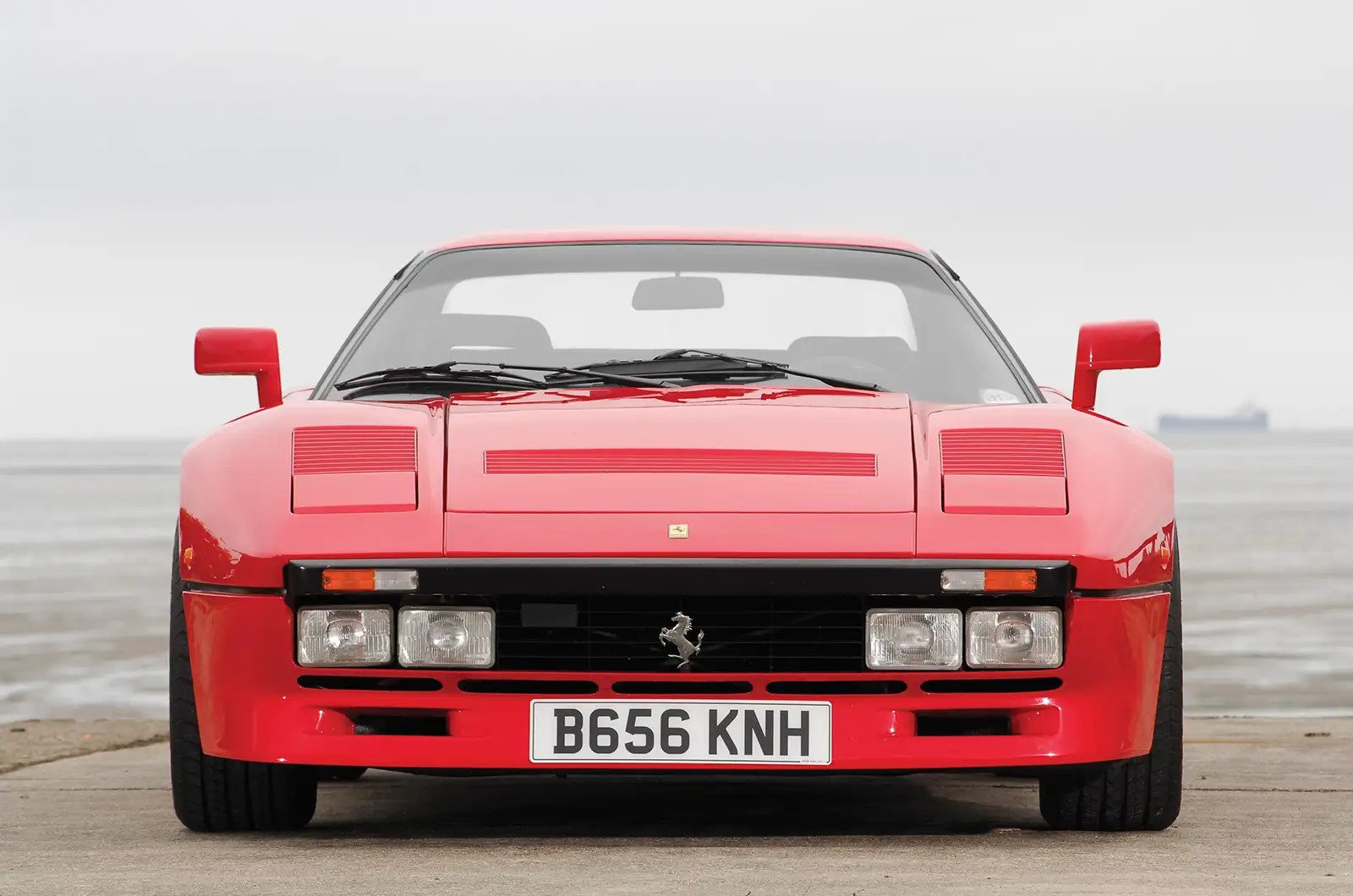
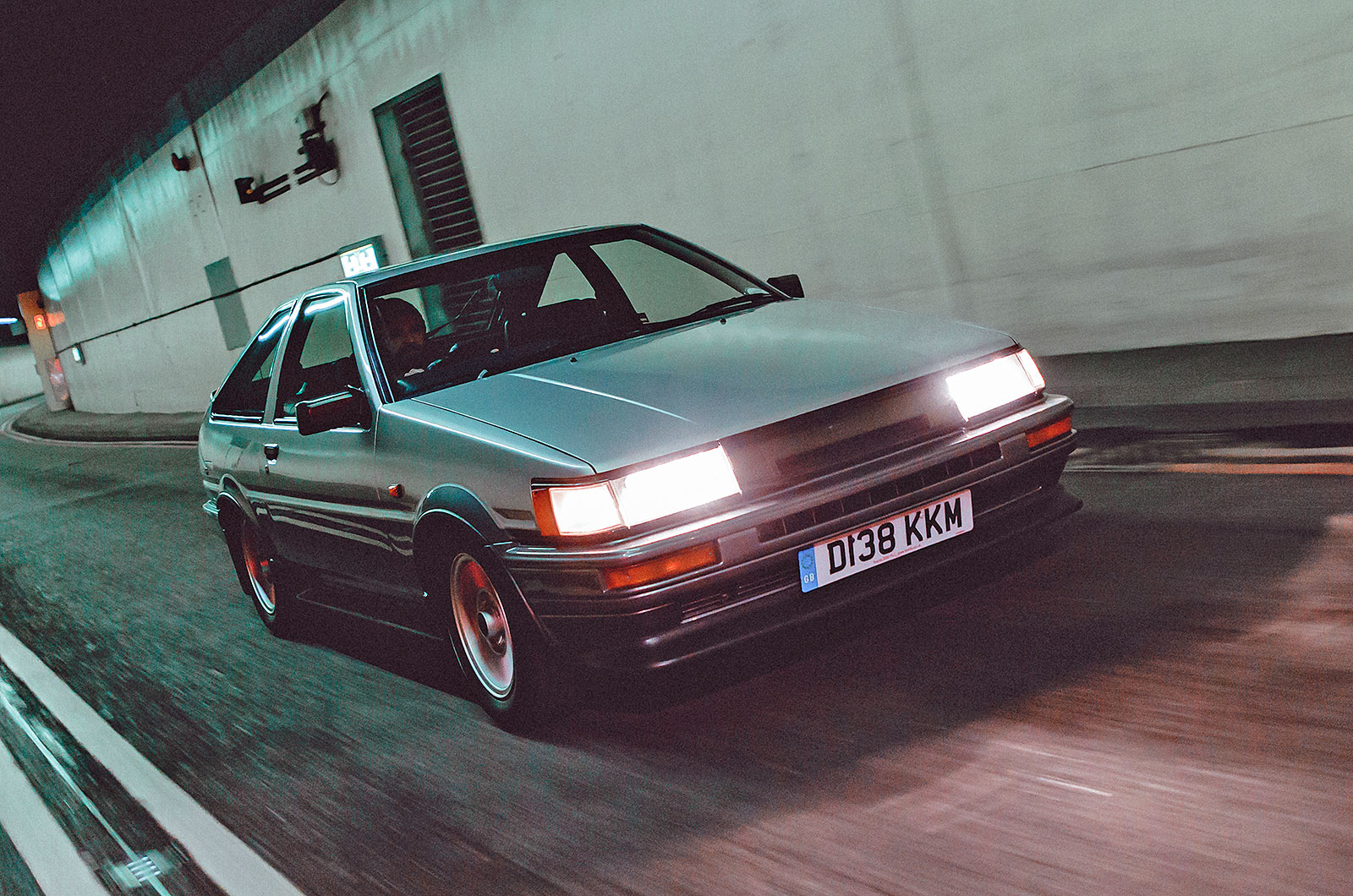
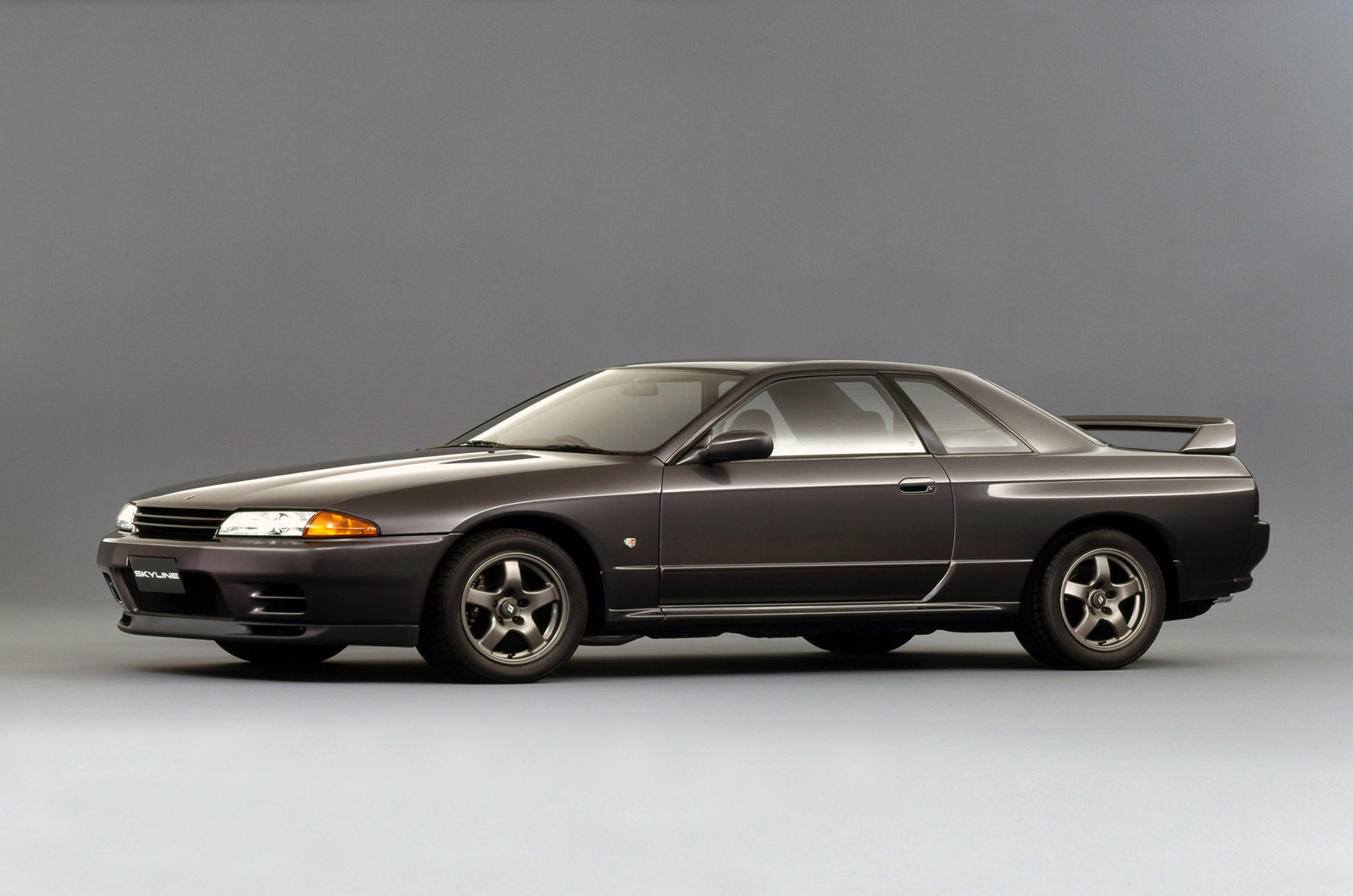
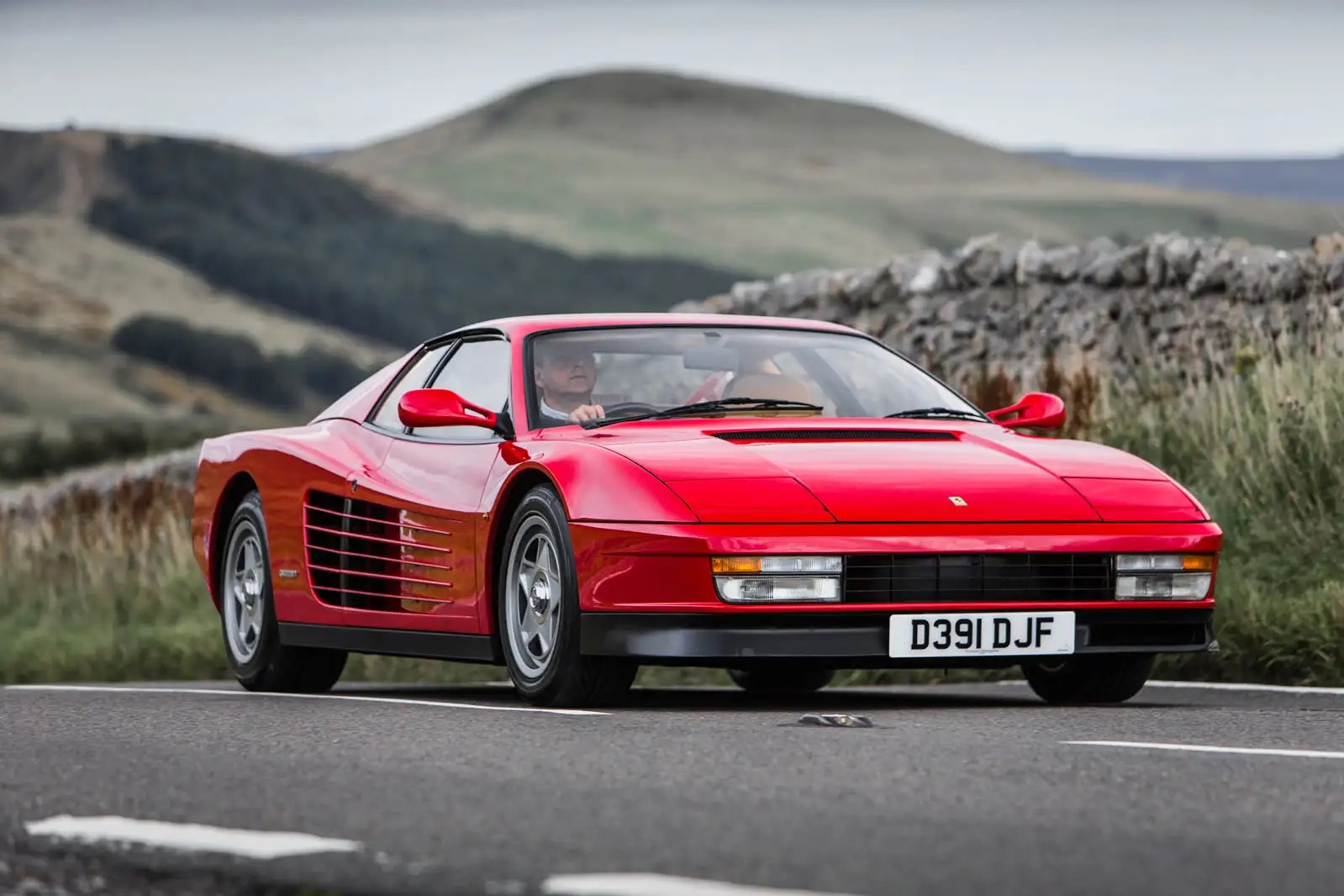
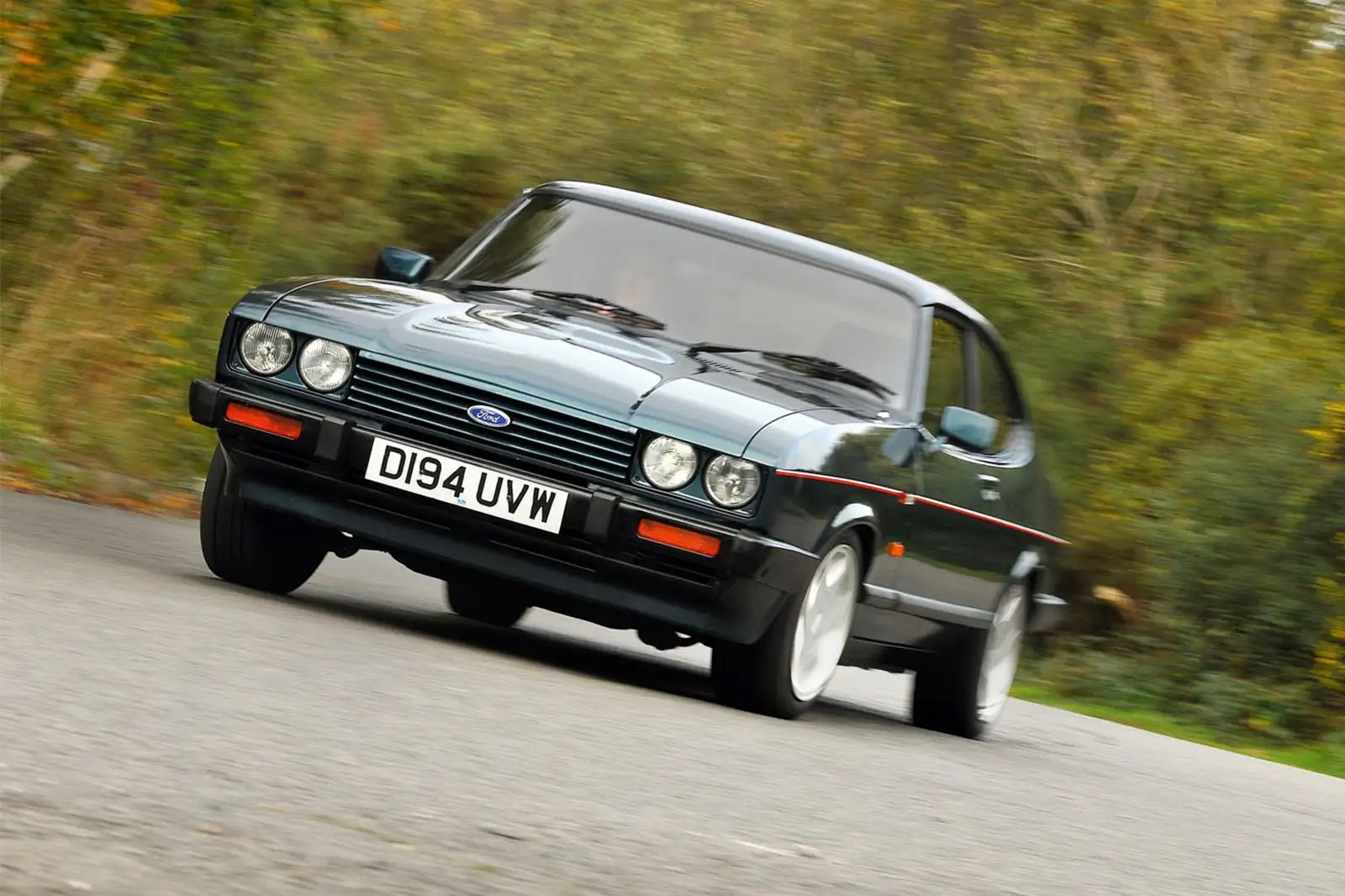
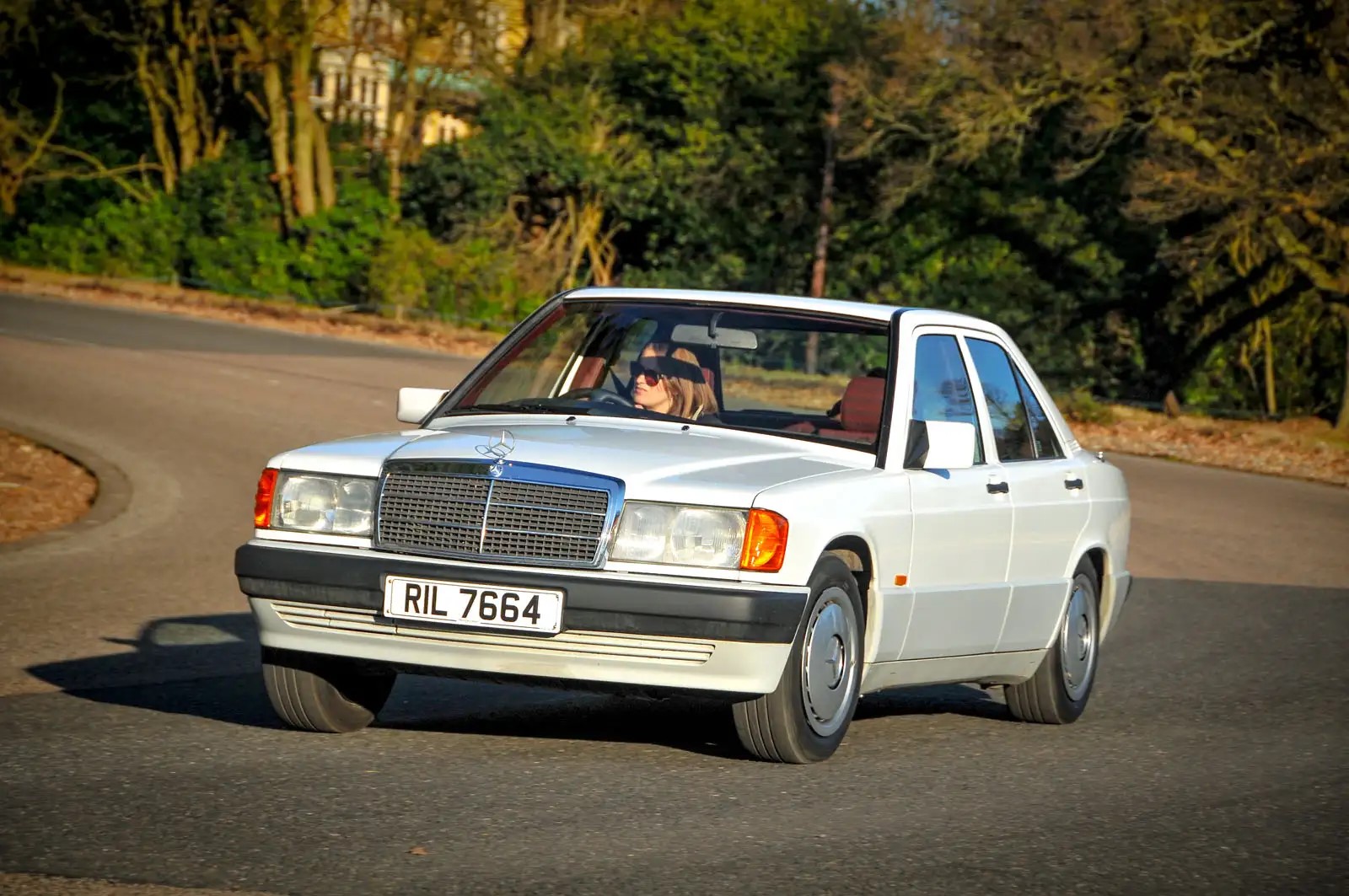
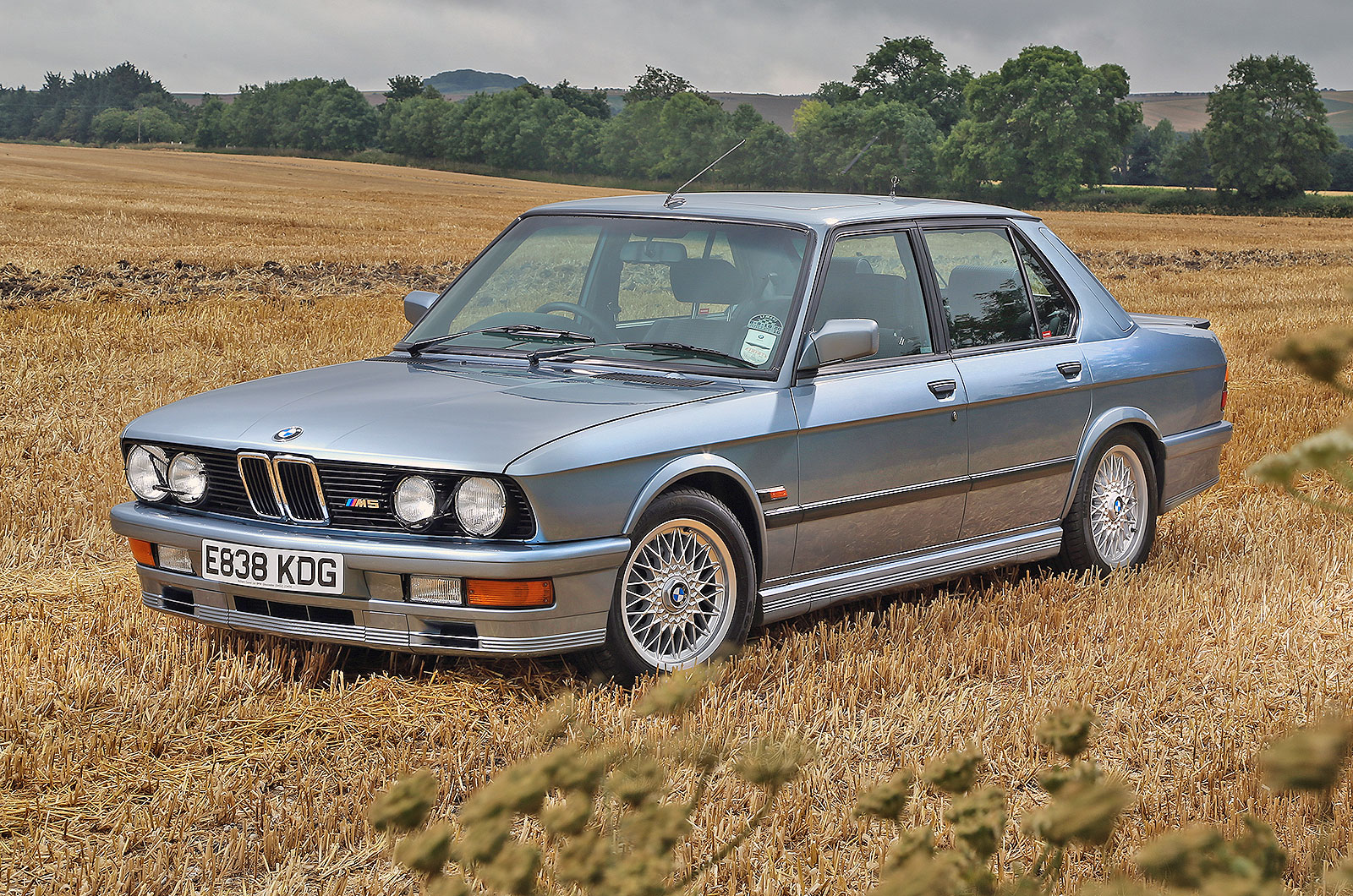
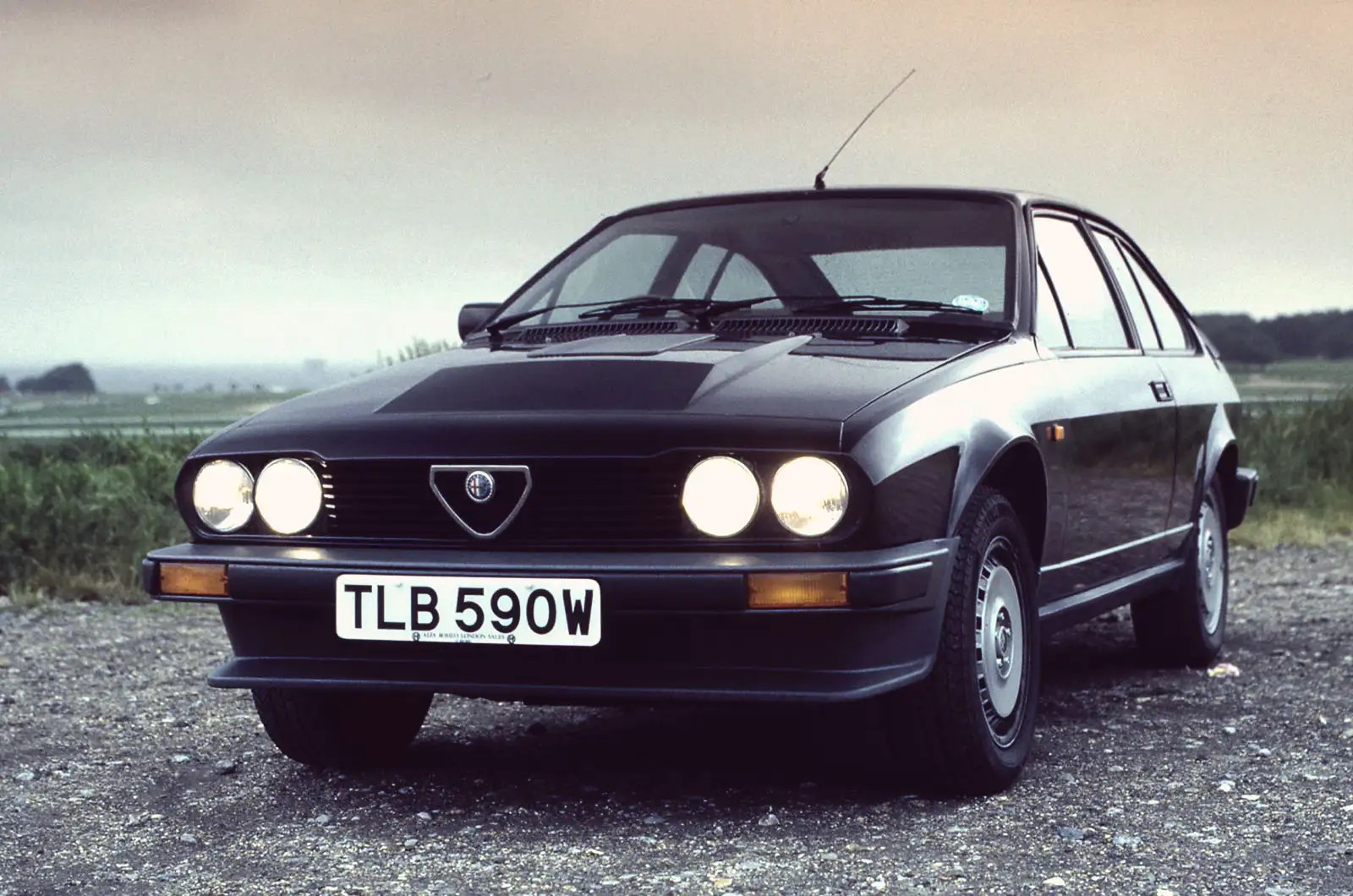
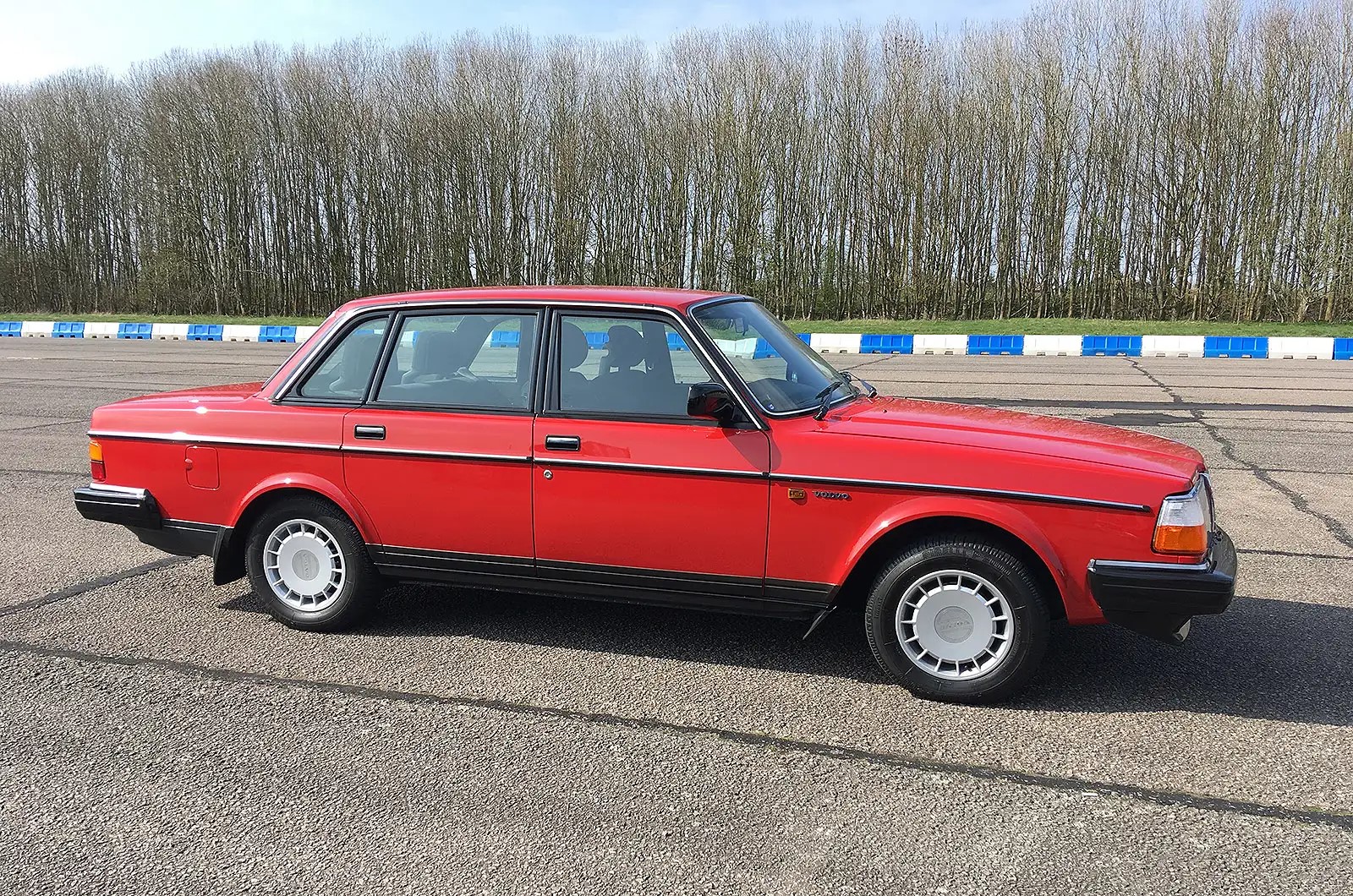
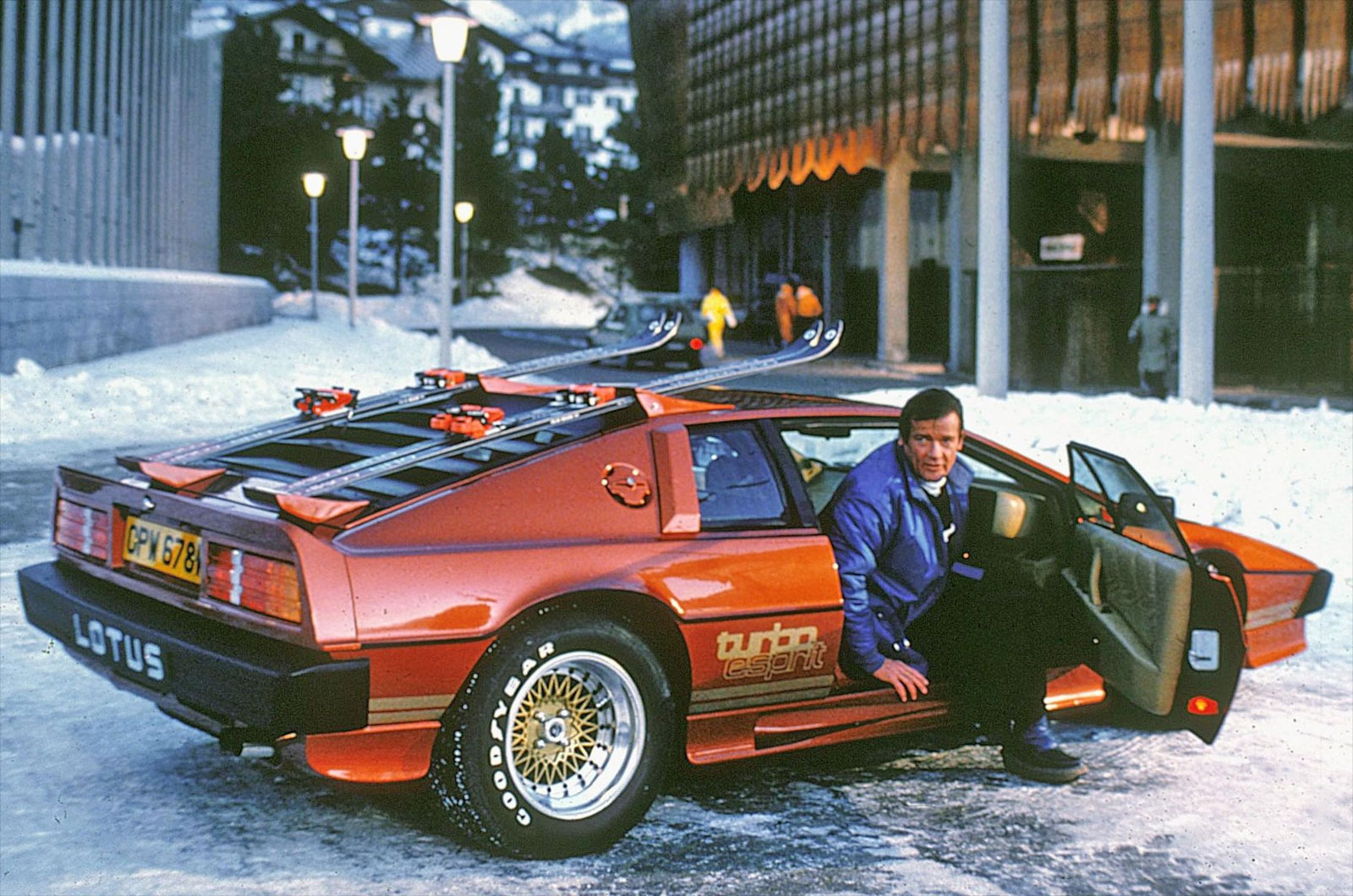
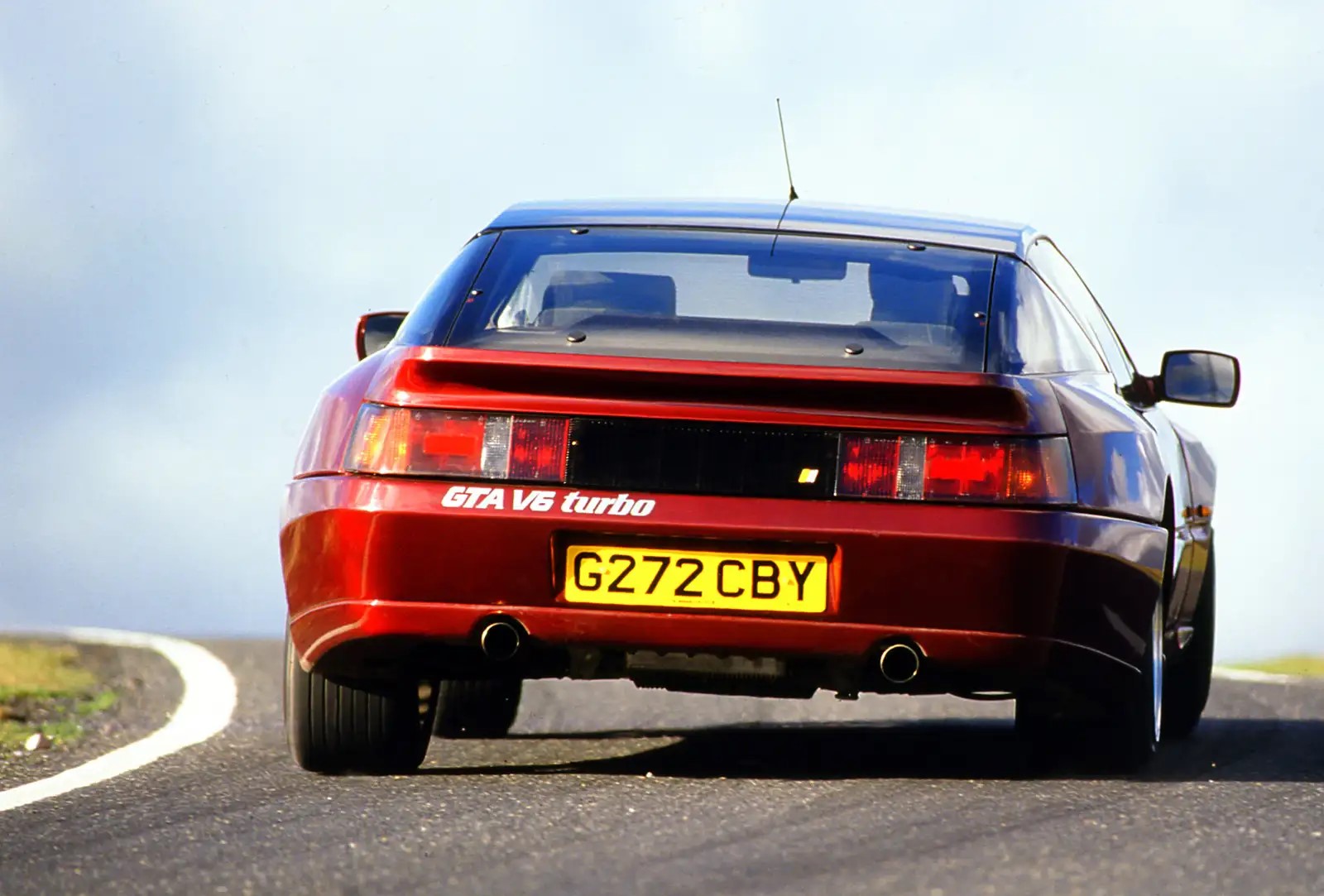
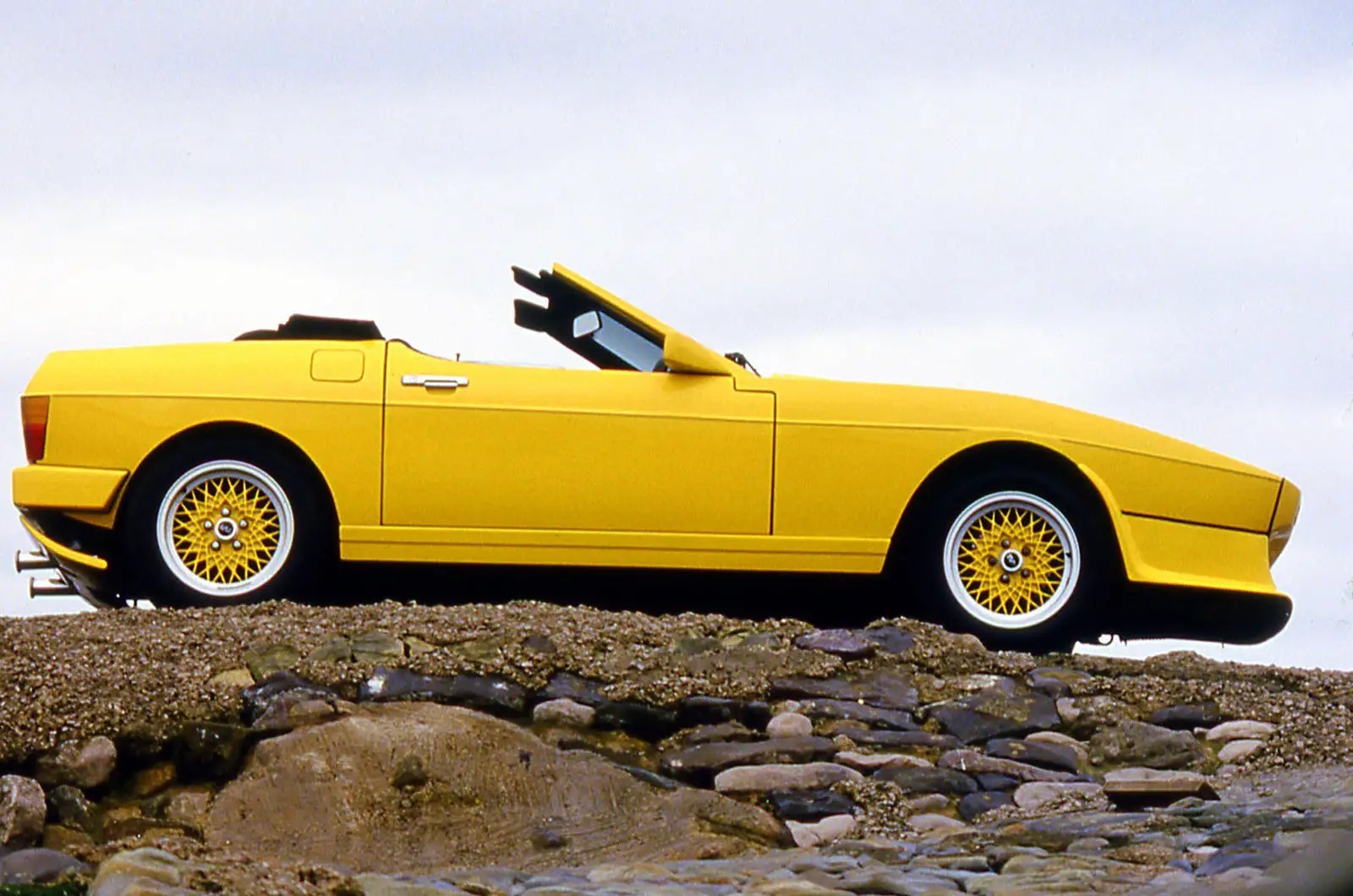
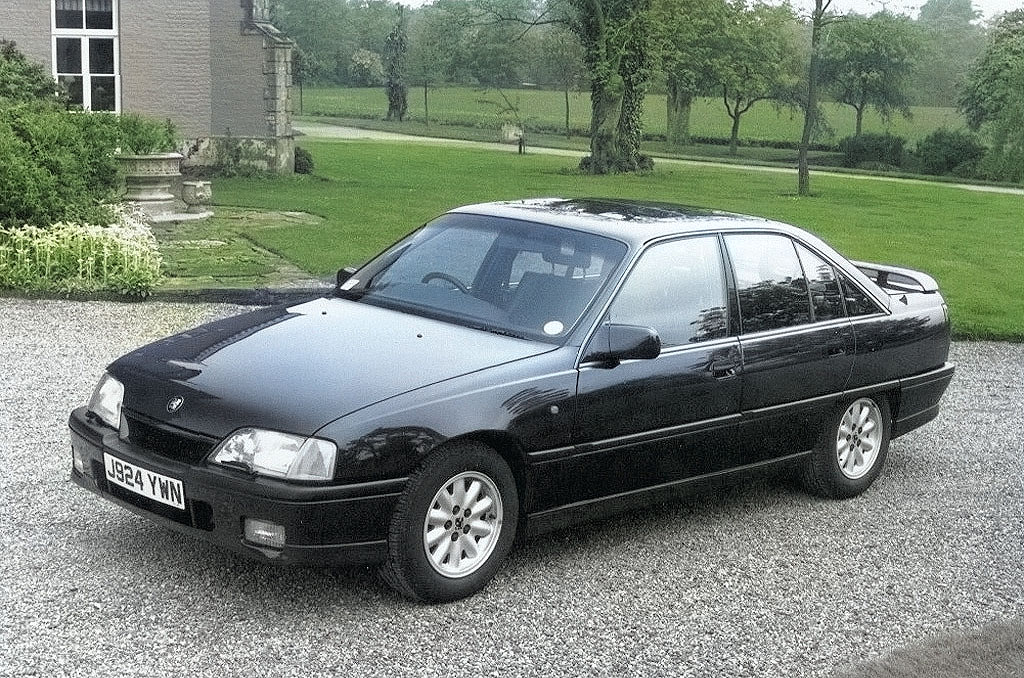
Big hair, shoulder pads, Ronnie & Maggie… and some amazing cars that often caught the zeitgeist.
Here’s the selection that we think firmly holds the hero car medal from the memorable decade that was the 1980s:
Porsche 944
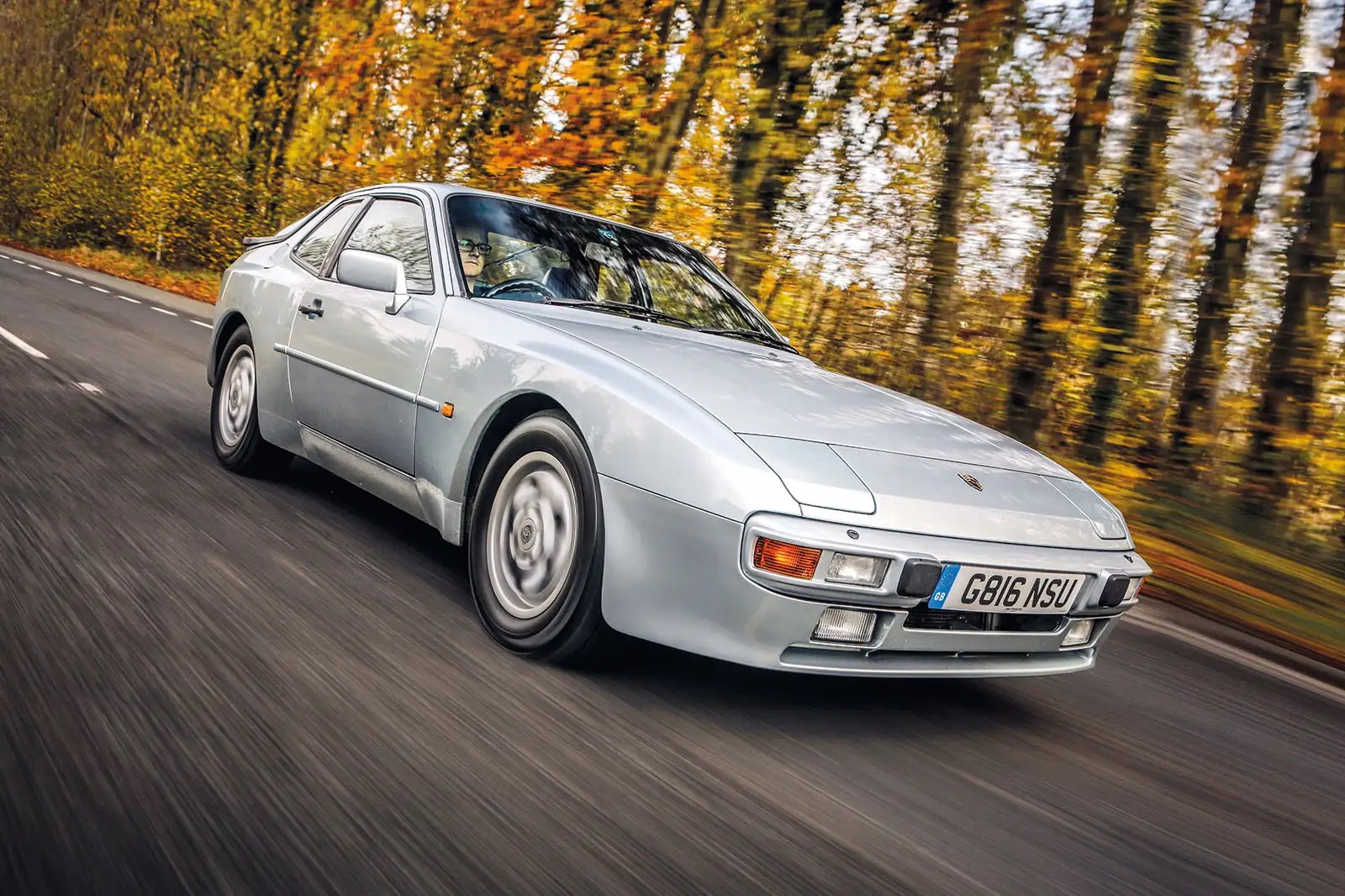
The 924 was an important car in Porsche’s yesteryear with the company selling over 150,000 cars between 1976 and 1986 - an admirable figure for what was a small firm at that time. It was well-built and an affordable way into Porsche ownership without having to fork out for the flagship 911. In 1982, Porsche’s fourth model came to the market, the 944, and although there were visual similarities to the 924, it had more business-like mannerisms and was a more driver-focused machine.
Porsche offered it in an array of guises such as the 944 2.5, 944 S, 944 2.7, 944 S2 and S2 cabriolet, and the range-topping Turbo. All cars got pop-up headlights, a rear glass lid with a black spoiler, body-coloured bumpers and a 2+2 layout. Throughout its production run between 1982 and 1991, Porsche trumped the 924’s sales figures by selling 173,238 944s.
BMW M3 E30
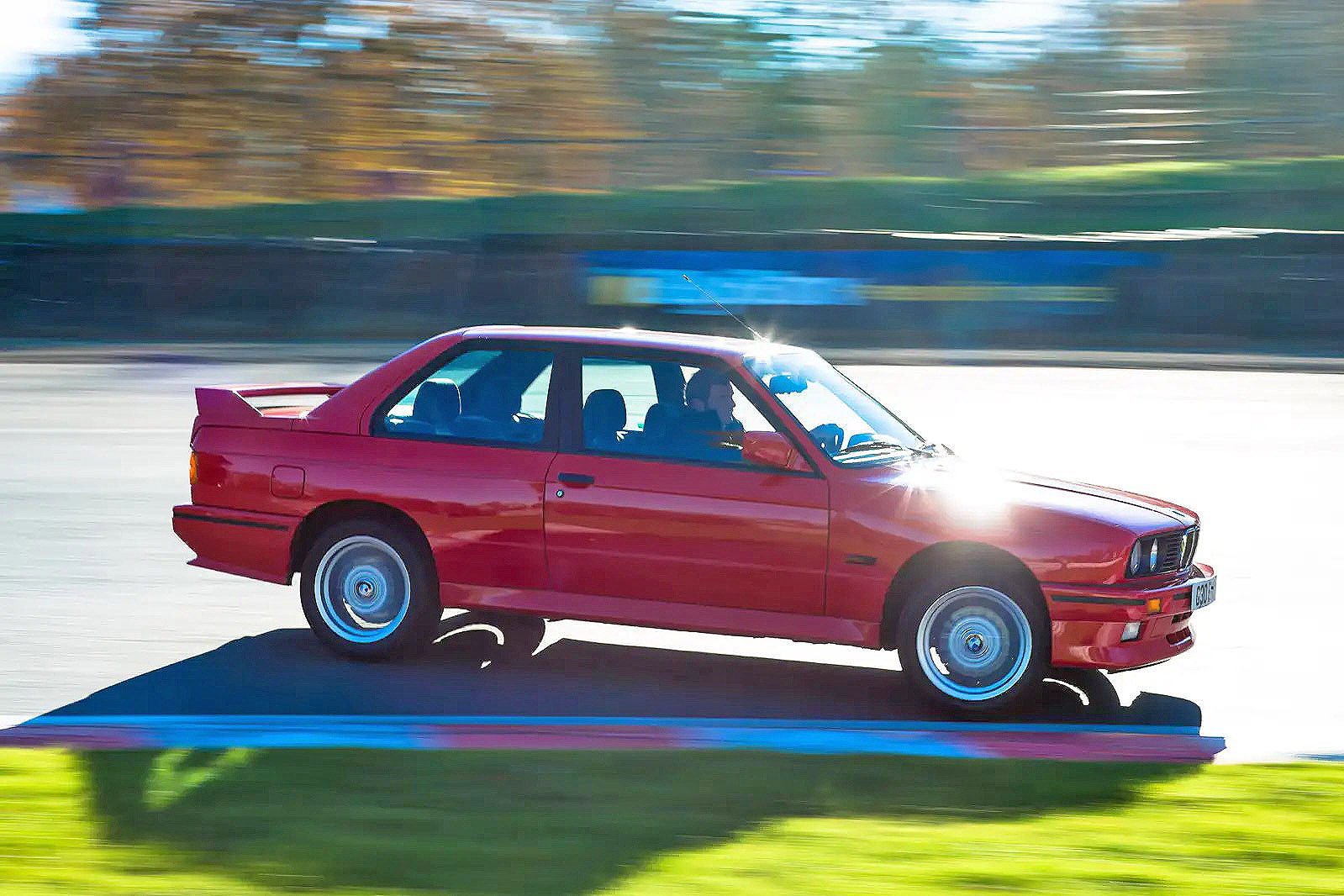
Before the times of twin-turbocharged six-cylinder cars with a superfluity of onboard tech, M3s of old were basic, but fast, 2+2 coupes. The E30 M3 had a 200bhp 2.3-litre four-cylinder tied to a dog-leg five-speed transmission that drove power to the rear wheels. And, while it isn’t considered fast by modern standards, it could crack the 0-62mph dash in 7.0sec and climb to 146mph; it also weighed just 1200kg which meant easy and fast cornering.
Setting it aside from its regular siblings, was the go faster M division bodywork. It was covered in M3 badging, muscular rear arches engulfed the 16in cross-spoke alloys and a prominent rear spoiler completed the racer look. The E30 M3 developed a large cult following with its design alone and remains on many petrolheads’ bucket lists today.
Audi Quattro
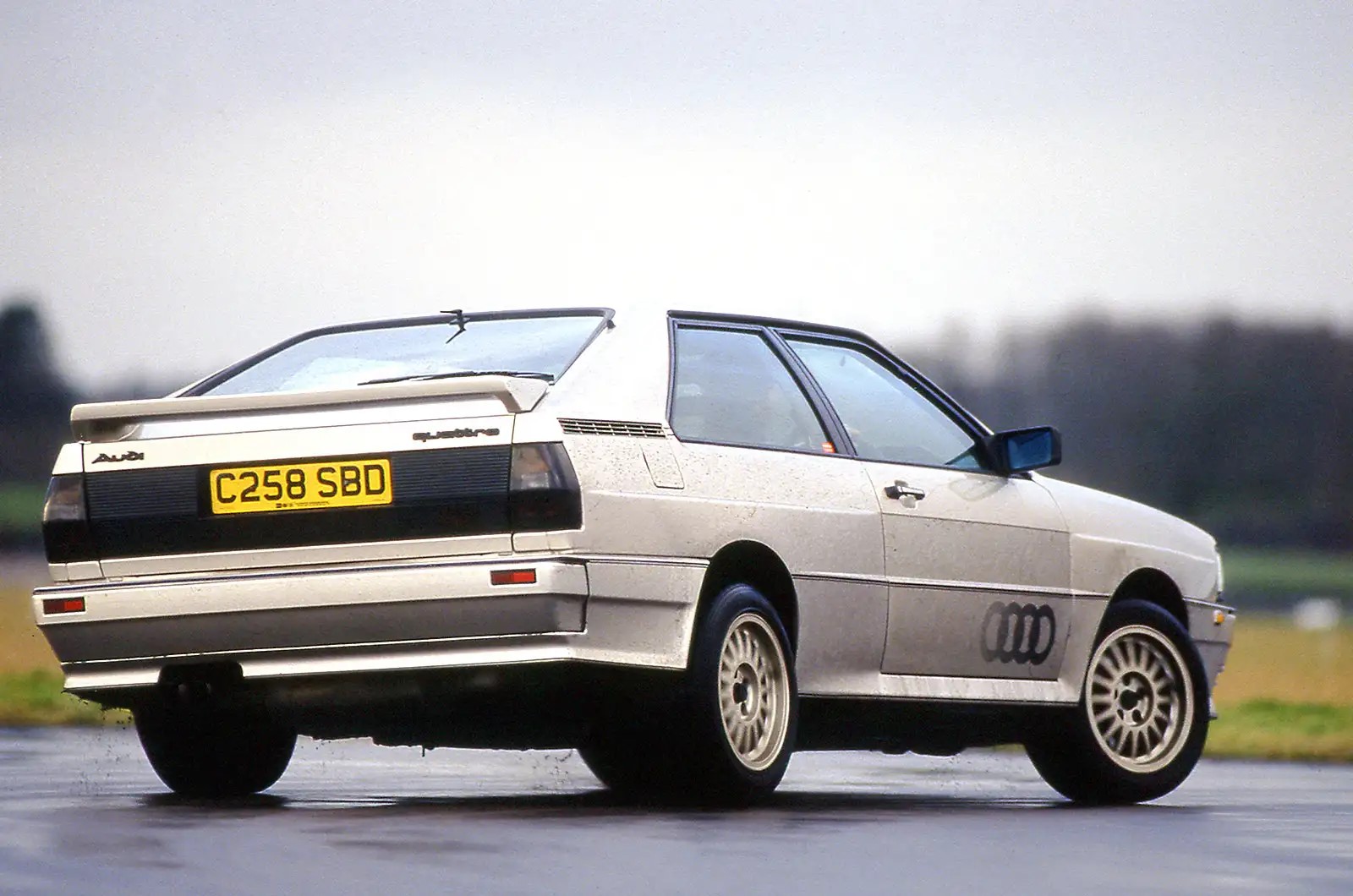
Like with many songs or movies, there are few words needed to identify some of the world’s most famous cars. In 1976, Audi engineers decided to stick a four-wheel drive layout in a family car, but the idea was met with resistance as most off-roaders were industrial and robust. The engineers, however, continued the Quattro project which became a Frankenstein between the body of an Audi 80 and the drivetrain from a Volkswagen Iltis 4x4 military vehicle.
This led to the famous mud-throwing Audi Quattro rally car winning 23 world championships, and the road-going Audi Quattro. While the sleek Ferrari 308GTB of the same era could achieve the 0-62mph sprint in 6.5sec, the boxy production Quattro was timed at just 6.3sec.
Peugeot 205 GTi
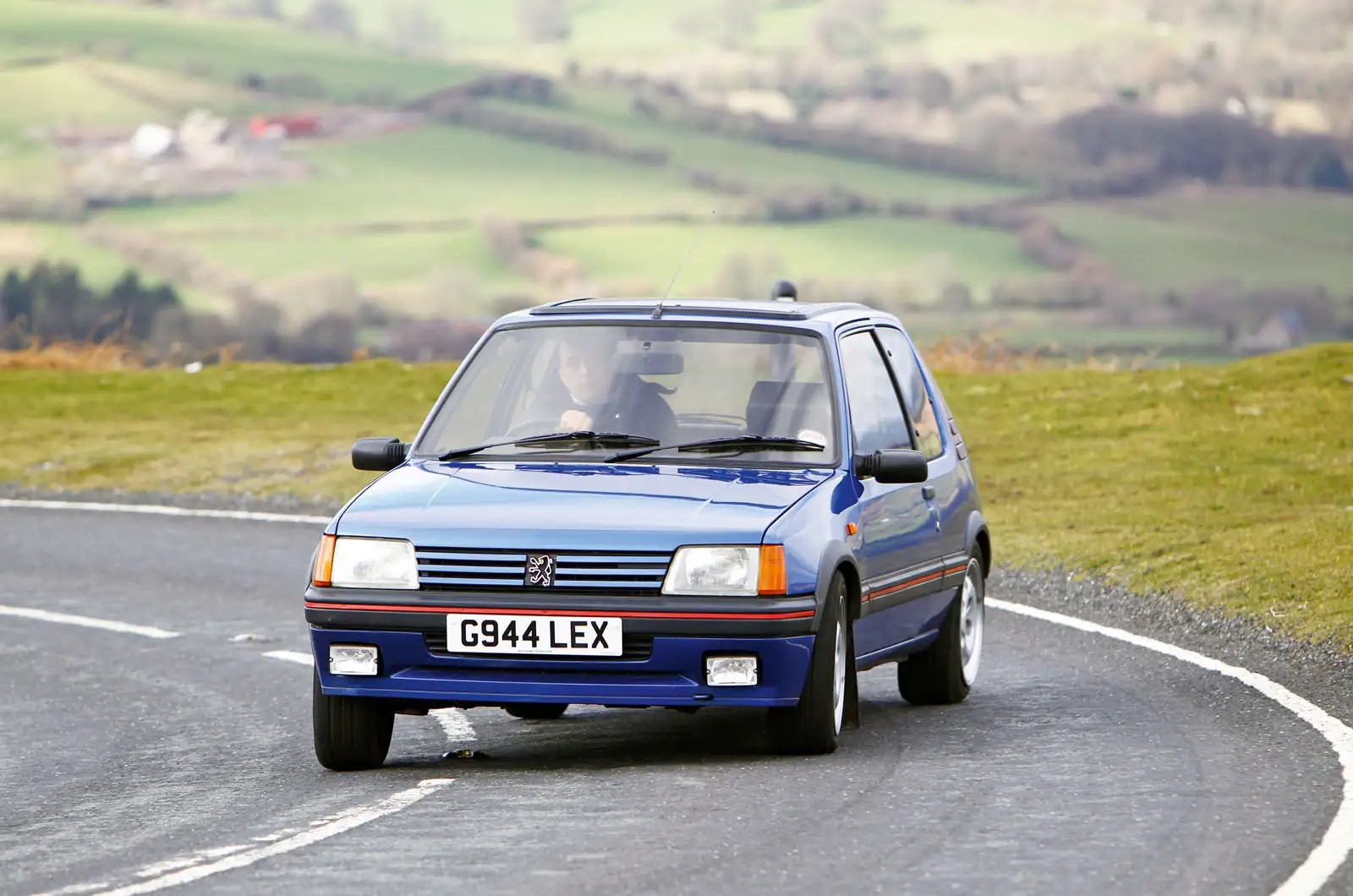
Amidst a generation of Porsche 928s and Jaguar XJR-S, the 205 GTi would still be classed by people today as one of the top cars of the 1980s. A tuned engine in a lightweight package with understated bodywork resulted in large success. In 1984, the 205 GTi was powered by a 1.6-litre 103bhp powerplant but just two years later in 1986, the 1.6-litre was revised and the power was upped to 113bhp.
In the same year, the winning 1.9-litre GTi was launched with a punchy 128bhp. Because of its 875kg weight, 0-62mph was dealt with in just under 8sec and 127mph was achievable. Its finely tuned chassis allowed it to duck and dive around corners and even entice lift-off oversteer on some occasions. The 205 GTi was a perfect reminder that you didn’t need a lot of visual aero to have fun, whichever side of the 1.6 v 1.9 debate you’re on.