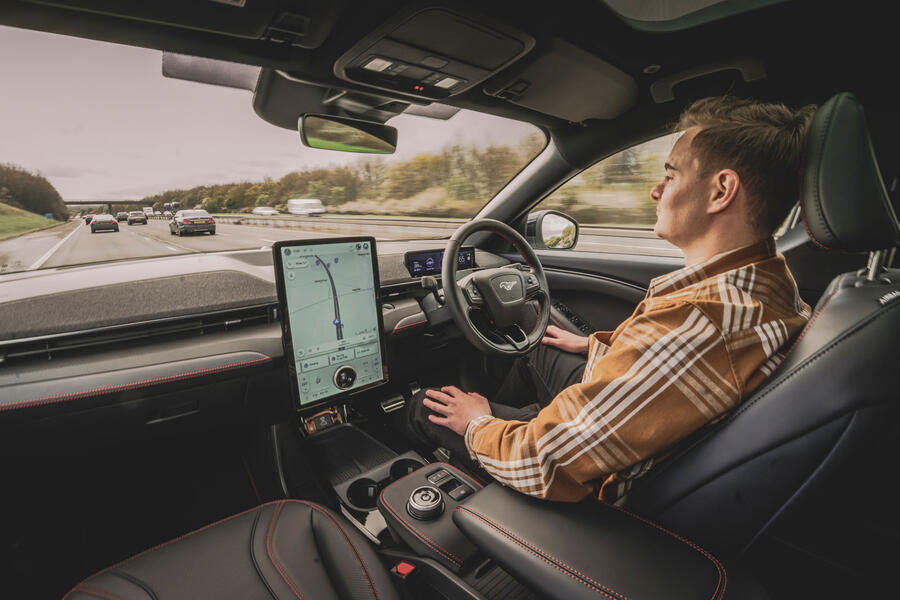

New safety features that adapt to individual drivers are expected to make their way into cars by the end of the decade – and it is hoped this will increase motorists' acceptance of advanced driver assistance systems (ADAS) anid growing scepticism of the tech, Europe's main vehicle safety body, Euro NCAP, has told Autocar.
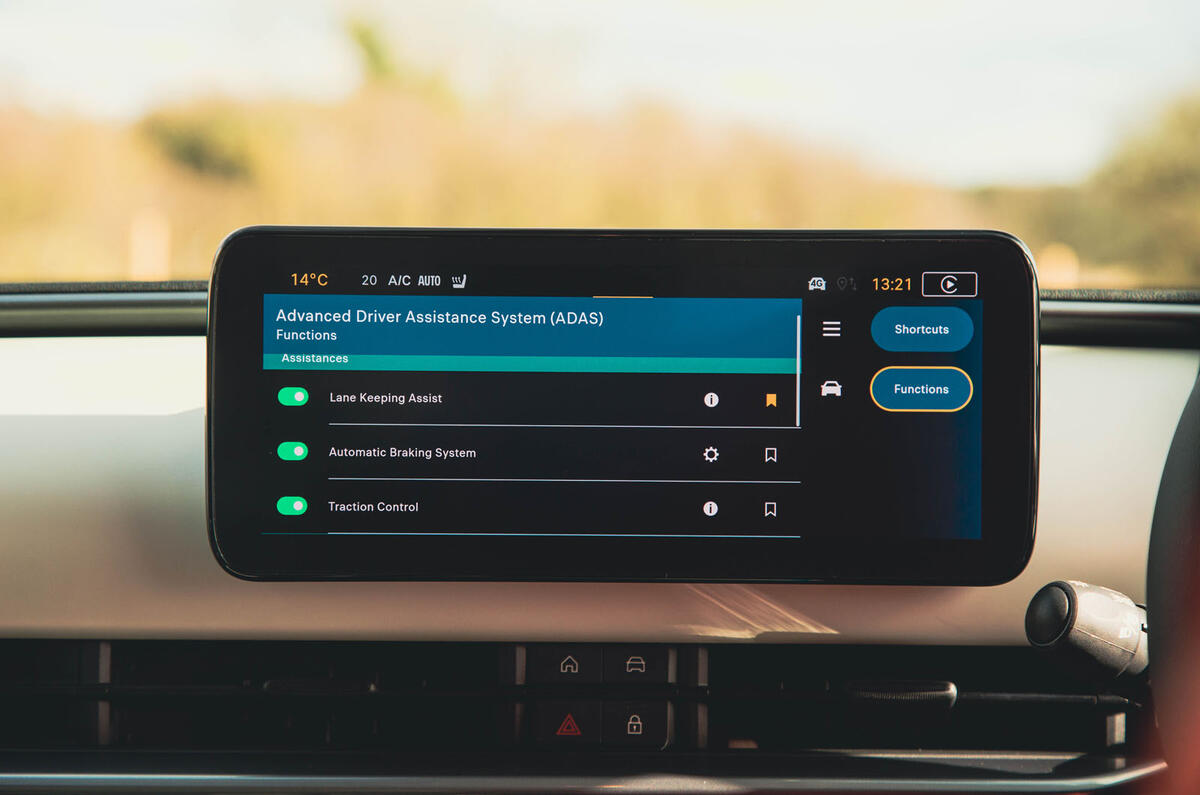
In 2019, the EU introduced General Safety Regulations 2 (GSR2), which mandate the fitment of ADAS on all new models launched from 2022 and all cars registered from 2024 onwards. Technologies that became compulsory include intelligent speed assistance (ISA), emergency lane keeping (ELK) and autonomous emergency braking (AEB).
However, driver acceptance of the systems has been mixed. A survey commissioned by automotive risk analyst Thatcham Research found that 82% of drivers in the UK reported feeling safer with ADAS fitted to their car but almost a quarter regarded the features as distracting, irritating or intrusive, leading some to turn them off entirely (even though this must be done each time the vehicle is started).
In order to counter this scepticism, a key feature that ADAS must deliver next is the ability to adapt to each driver, because current systems can be too intrusive, leading to distrust, explained Adriano Palao, ADAS technical manager at Euro NCAP.
The organisation not only crash tests and safety rates new cars but also works with the industry to create new safety tech. "We only want to make ADAS better," he said. "I am on a mission to achieve this. It's a fundamental turning point in the technology, and we want to encourage OEMS to take this approach."
More intelligence required

One thing that must change, said Palao, is the ability of systems to "understand what condition the driver is in". He explained: "This is important. If you understand that, you can make your ADAS better."
As an example, he cited lane keeping assistance, a system that attempts to keep the car in the centre of a lane by using a camera to monitor road markings and then takes over the steering to adjust the car's position as necessary.
"I consider lane keeping assist absolutely useless when i am in control," he said. "At such times, I don't want it to correct my trajectory at all. A good driver monitoring system will know if the driver is paying attention so that ADAS will intervene only when required."
Palao also criticised driver monitoring systems that don't distinguish between different levels of driver distraction - something that "can cause issues of acceptance among drivers and feelings that the system is patronising them".
He continued: "We need to understand that drivers will for legitimate reasons engage in distracting activities, such as turning off the radio or changing the temperature. We don't want the system to warn for this."
Tailored seatbelts and airbags; more cameras
Euro NCAP is pushing for restraint systems to become smarter too. Palao explained that sensors capable of detecting the dimensions and shapes of the driver and front passenger will ensure the load limiter on the restraint system is tuned to deliver the best interventions.
The system will also manage the inflation area and deployment of the airbags so that their explosive force is dissipated in a less potentially harmful way, again depending on the occupant.