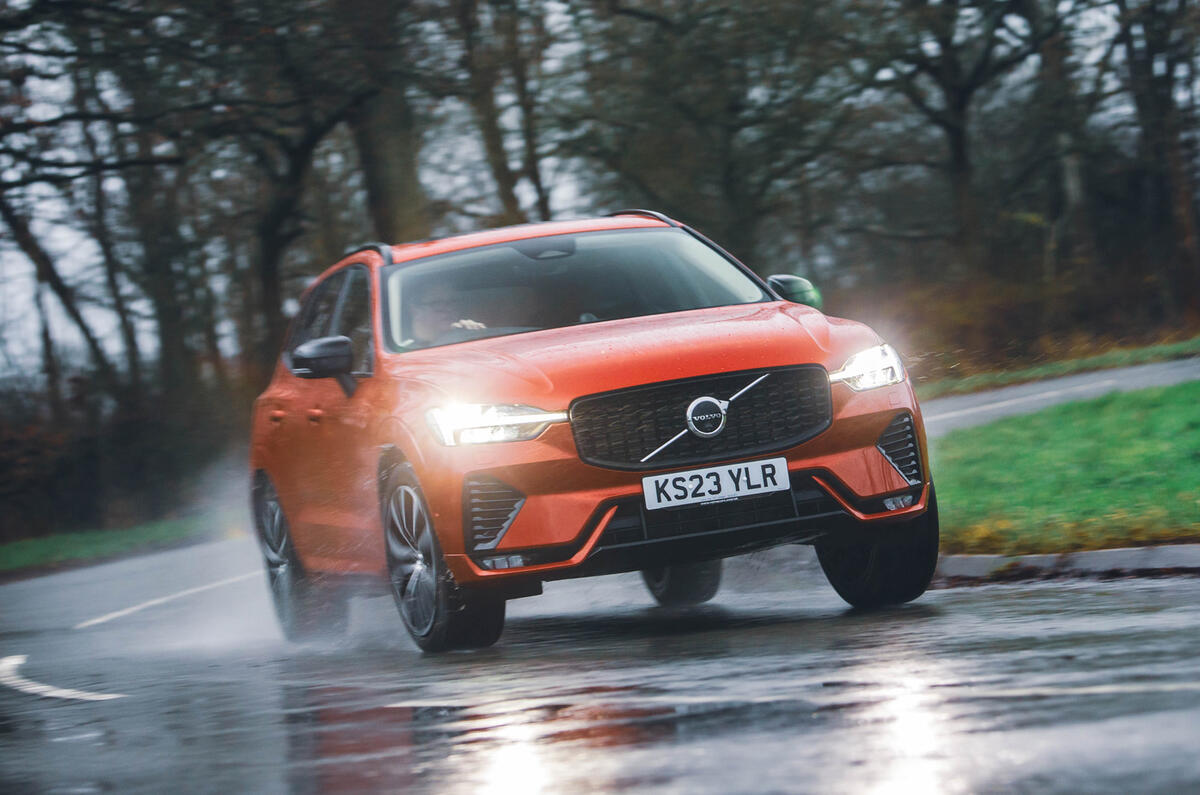
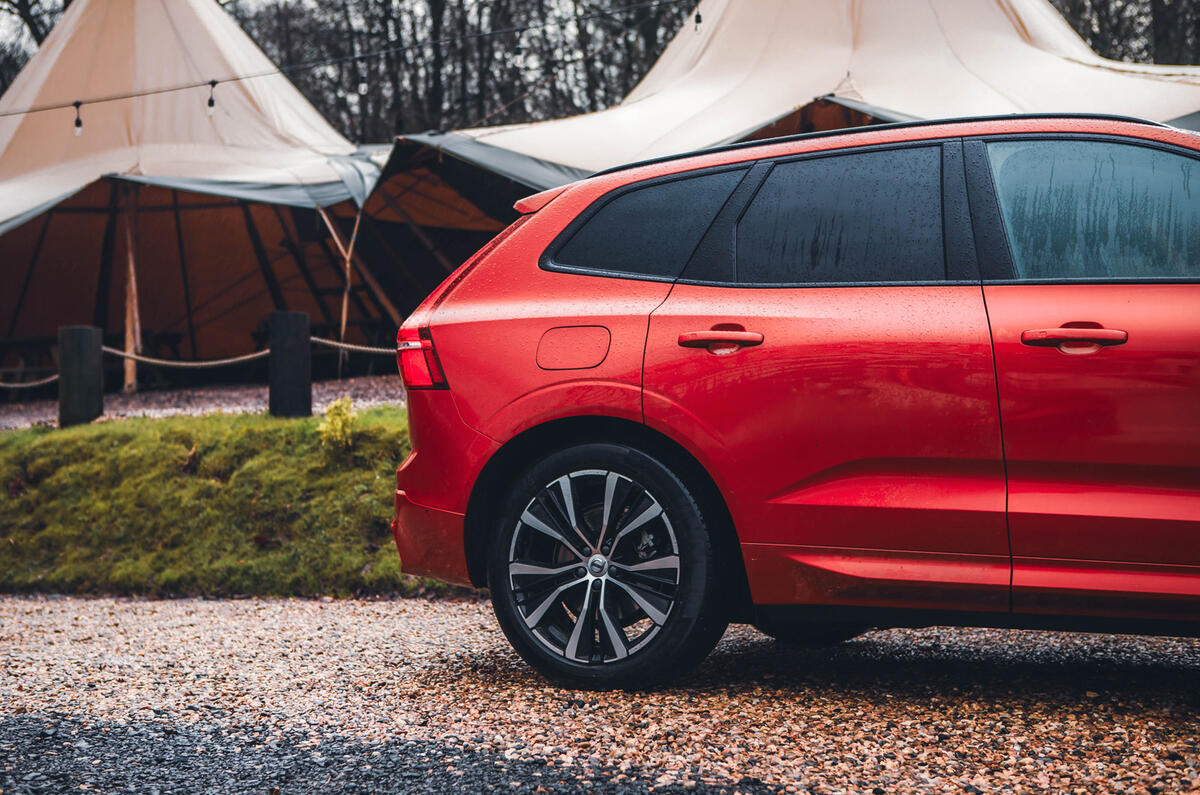
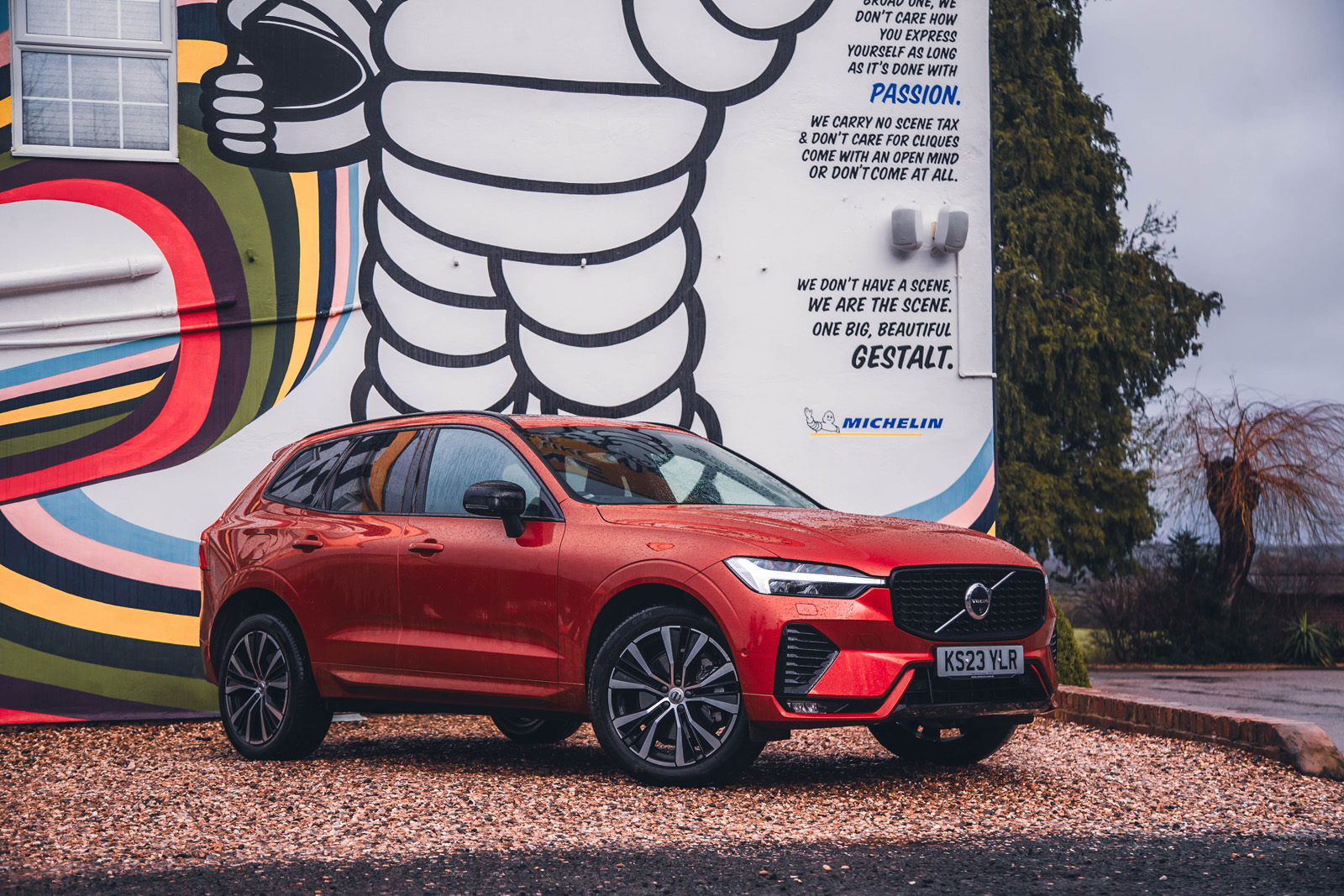
Volvo has given every reason for potential XC90 buyers to talk themselves into its more affordable relation as much of the larger car’s aesthetic appeal, usability and material quality has been ushered into the latest offering.
The pair are closely related enough that even seasoned commentators were forced to find the differences in side-by-side comparison.
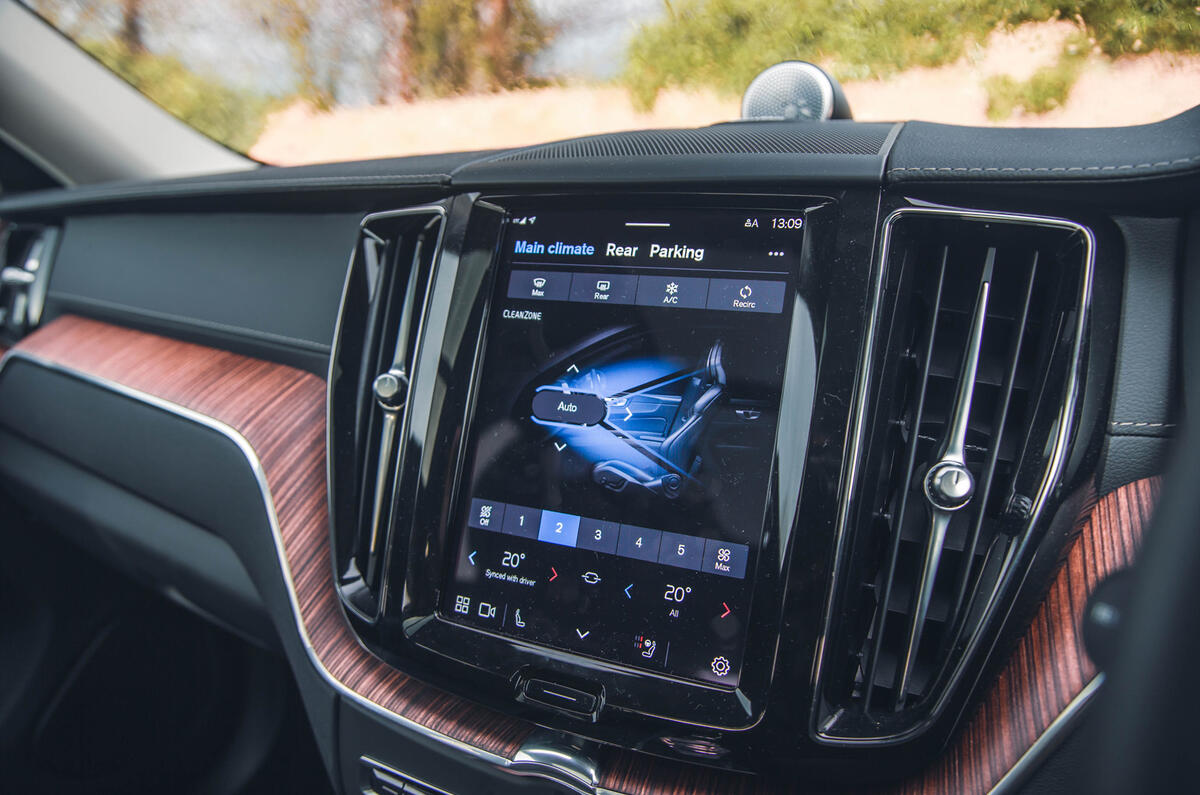
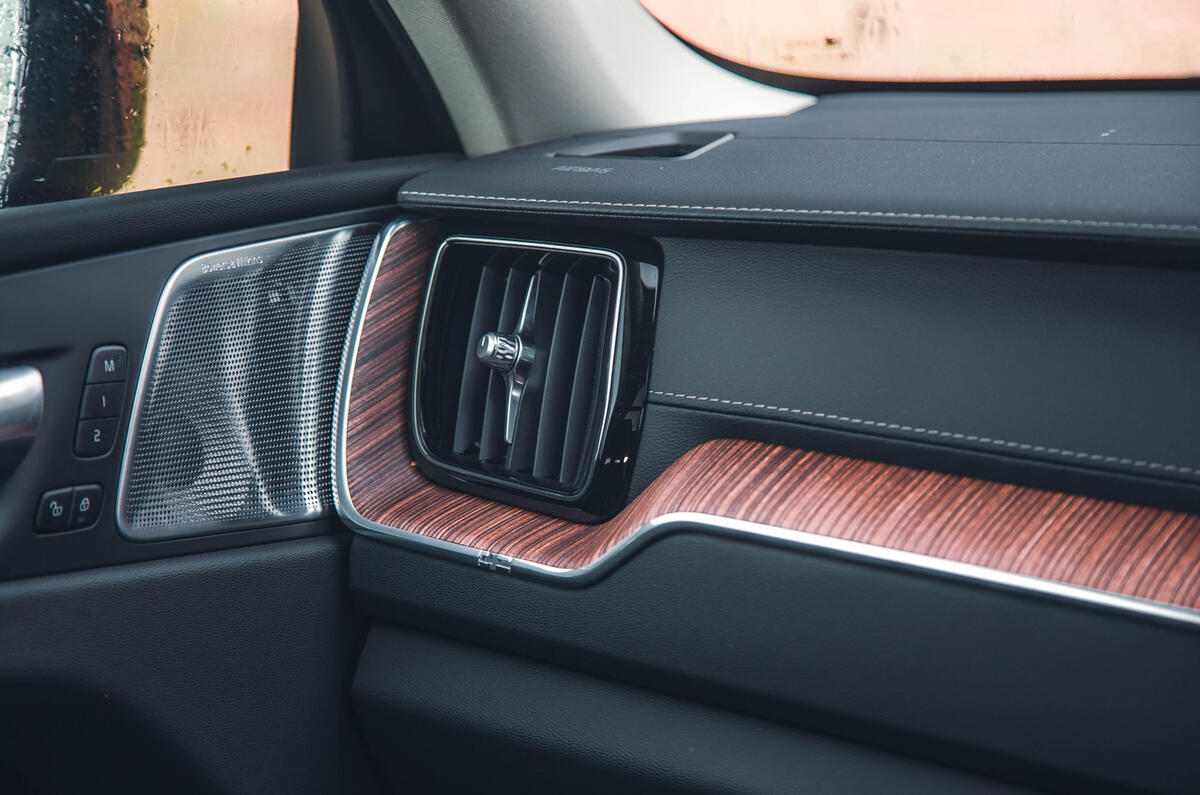
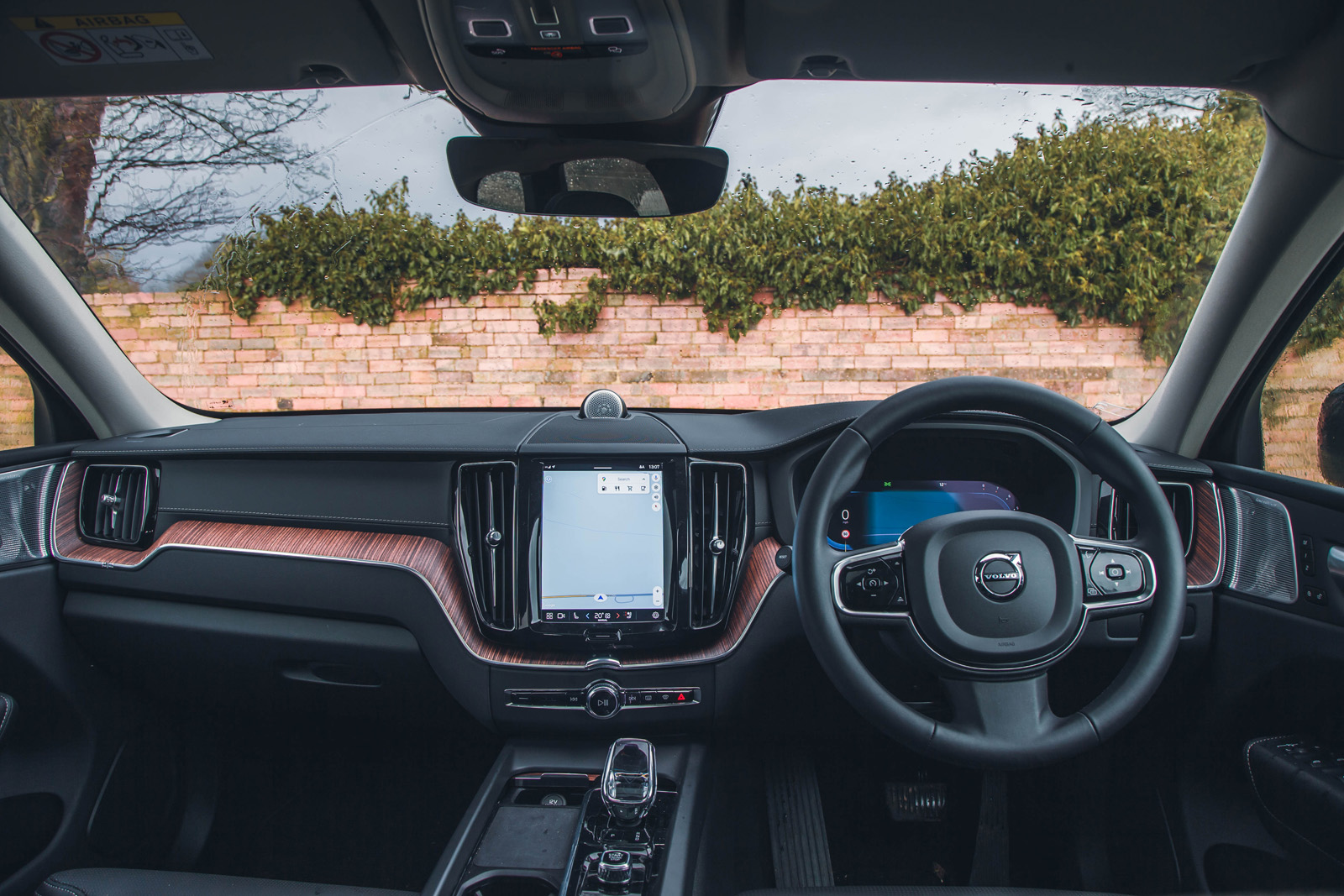
The differences, then, are subtle: vents have been remodelled and switchgear swapped out, but essentially all the important fixtures are transferred, including the portrait-orientated infotainment screen that dominates the dashboard.
This is to the smaller car’s benefit; we rightly lauded the Volvo XC90’s take on an SUV cabin, and its downsizing has done nothing to dilute the impression of sitting in a well-thought-out space.
The larger XC90’s cabin ambience, which manages to seem vaguely Scandinavian without lapsing into the appearance of an IKEA kitchen, is well translated, as is the high-quality fit-and-finish of predominantly premium materials.
It doesn't feel as fresh or innovative as more modern rivals with its material use now but it's still a nice place to be.
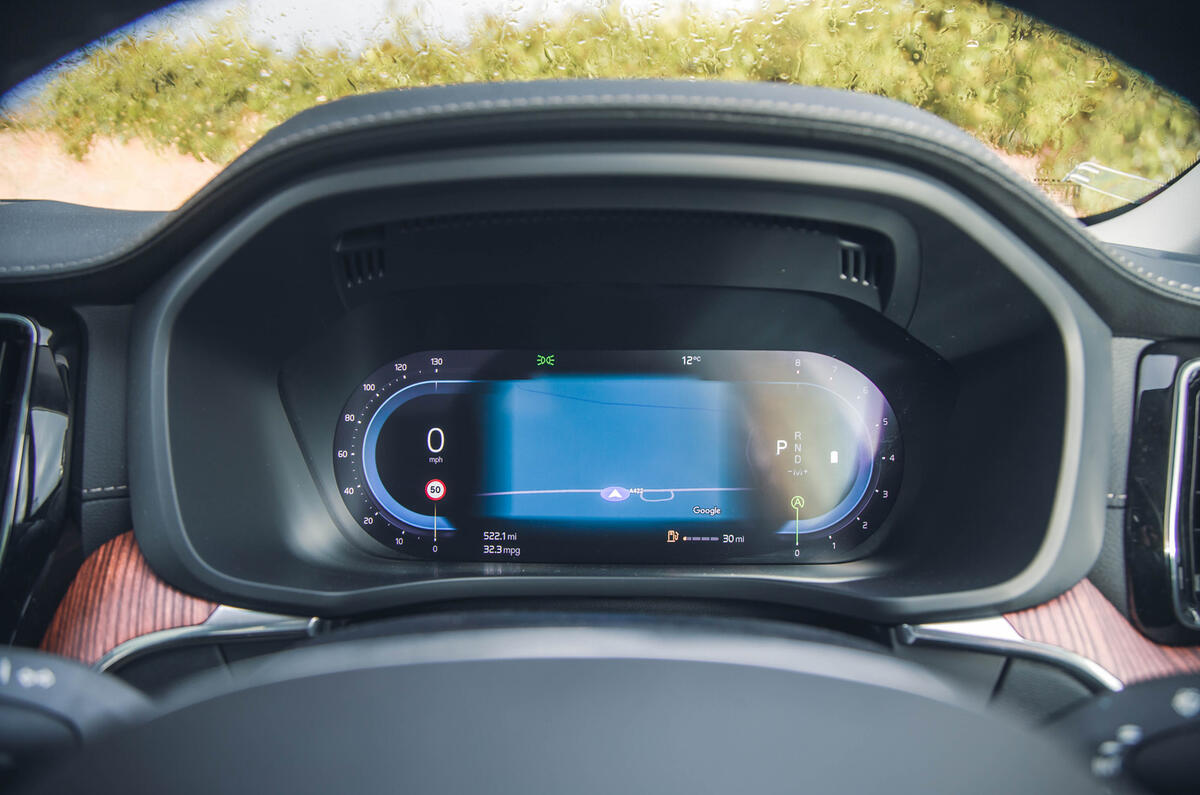
As standard, there is an eight-inch digital instrument cluster which, when combined with the nine-inch touchscreen, is still there or thereabouts with the class on technology but it does now feel a bit dated, perhaps through familiarity as much as anything else.
The previous 'Sensus' operating system was replaced with a Google-based system, and while an upgrade it is still a long way from perfect. Using it requires your eyes to be off the road too often, with too many button presses for even the simplest of tasks.
Even switching between driving modes has become a three-stage process, first selecting ‘Settings’, then ‘Dynamics’ and only then being able to move between the Hybrid, Power, Pure, Off-Road and AED modes. The scroll controller previously used to move between these has been removed, making it impossible to change them without taking eyes from the road; in usability terms a definite retrograde step.
Some other settings were buried even further, to the extent it seems unlikely that many owners will ever discover them. For a company as safety-conscious as Volvo, this is an oversight.
You sit obligingly high in the car, on leather-upholstered seats that offer a decent enough compromise between comfort and support, and without any doubt that the surrounding space is of a capacious sort.
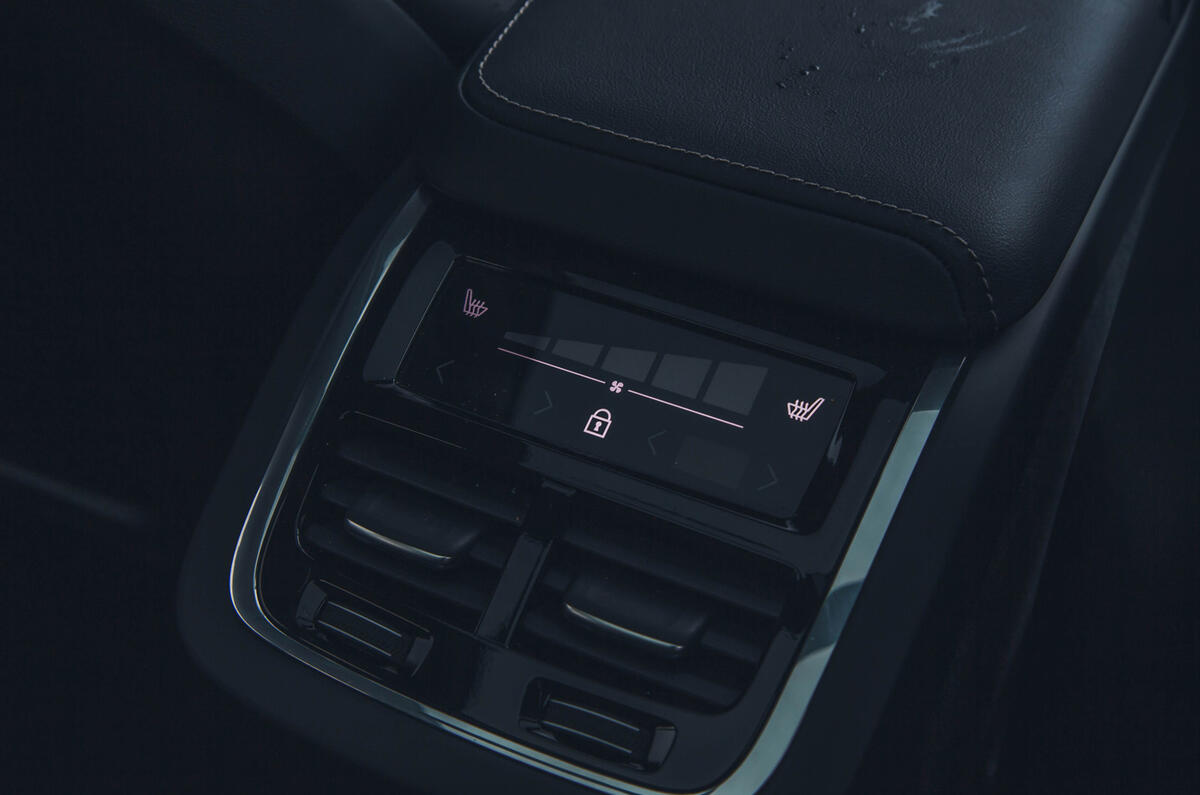
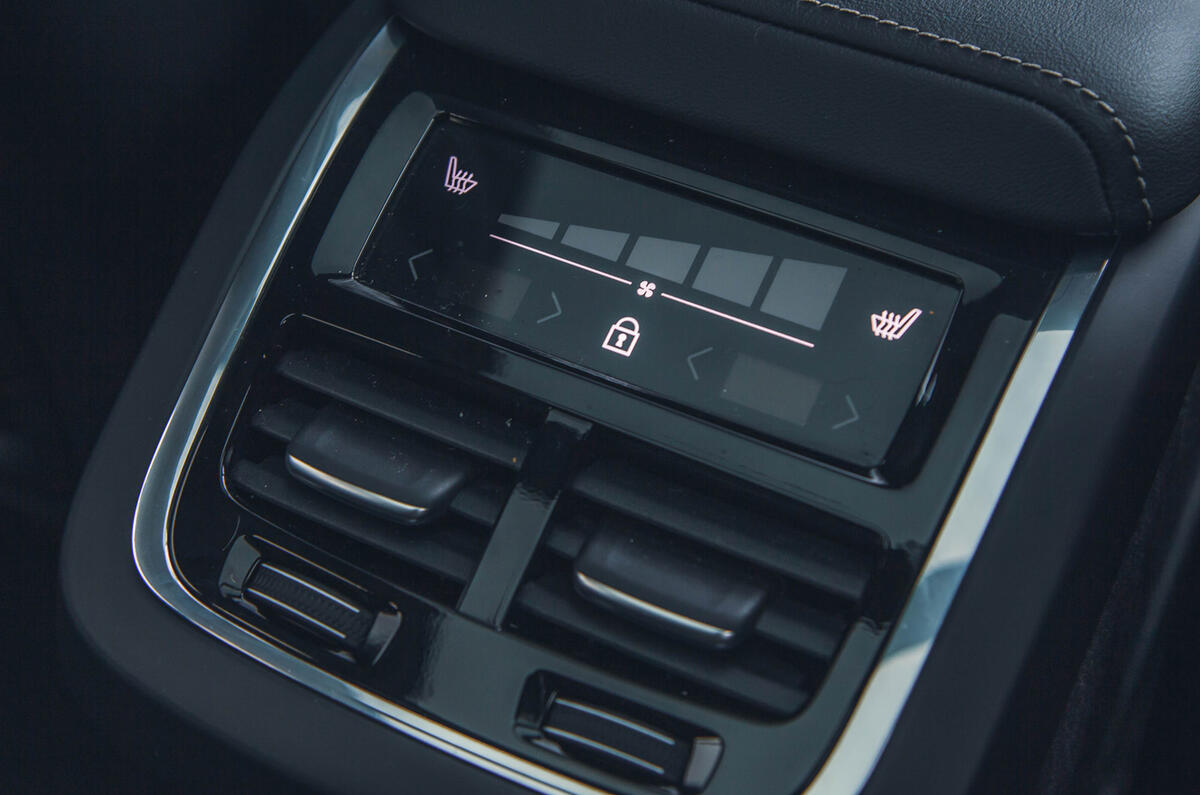
The rear quarters follow suit: they’re usefully more roomy than those of the model being replaced, though nothing exceptionally spacious for the class, but adults of all sizes should find themselves being made comfortable.
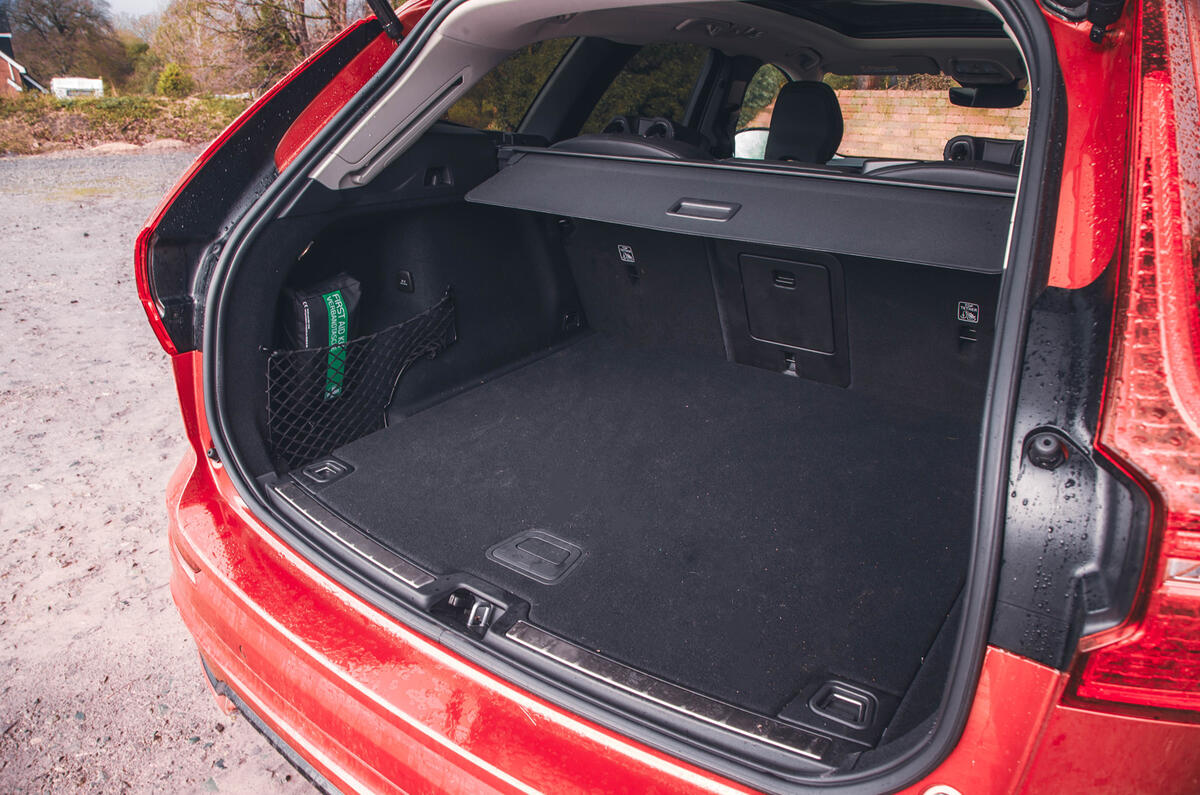
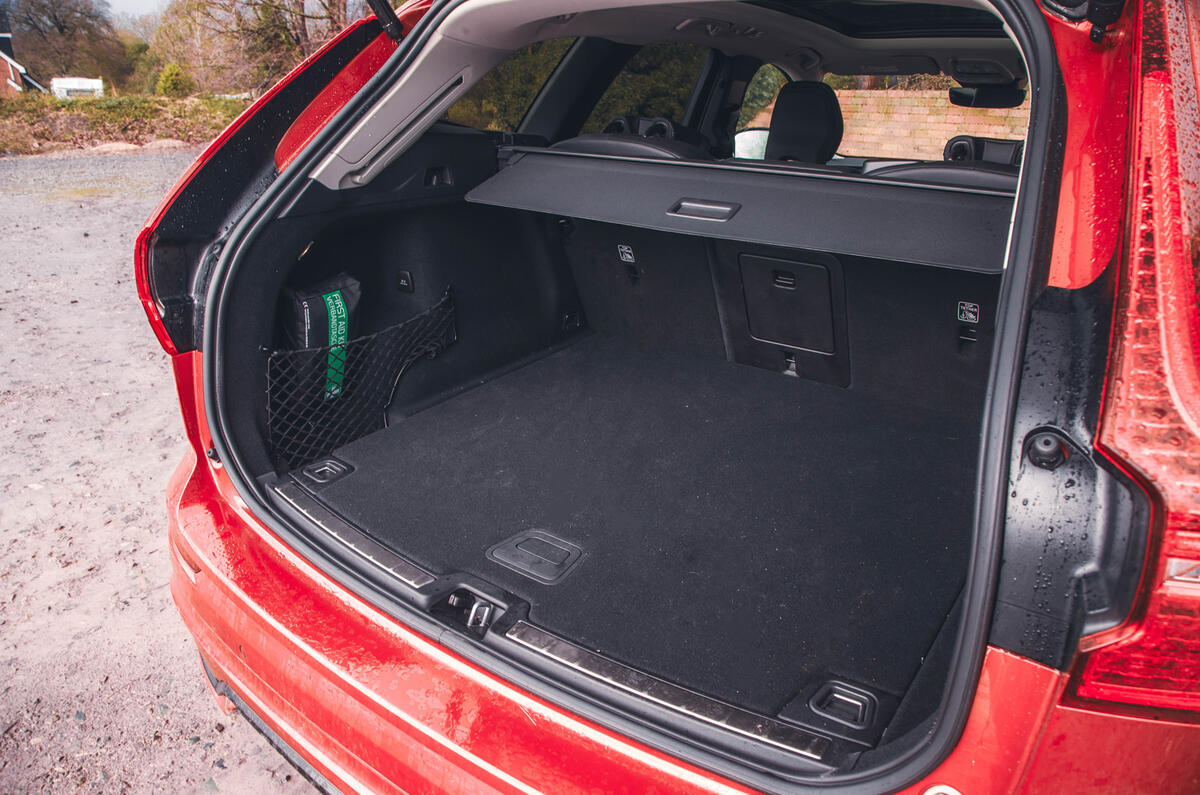
The focus on passenger contentment has penalised boot space a wee bit, though. The XC60’s 505-litre capacity is respectable but not quite on par with the amount offered by most of its big-name rivals, like the Audi Q5 and Mercedes GLC, both of which offer 550 litres.
That’s a mild deficiency each buyer will have to rate for themselves; for us, the impressively square, flat loadspace seemed ready for most big family tasks.