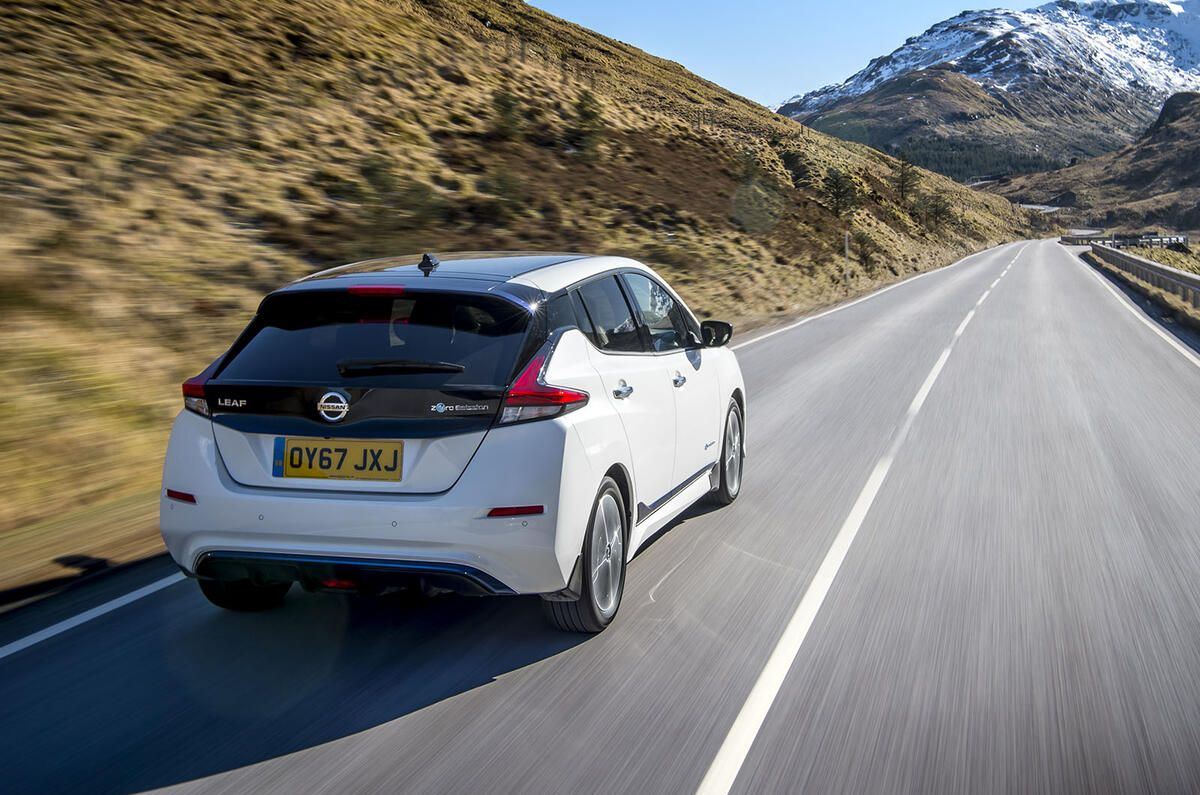
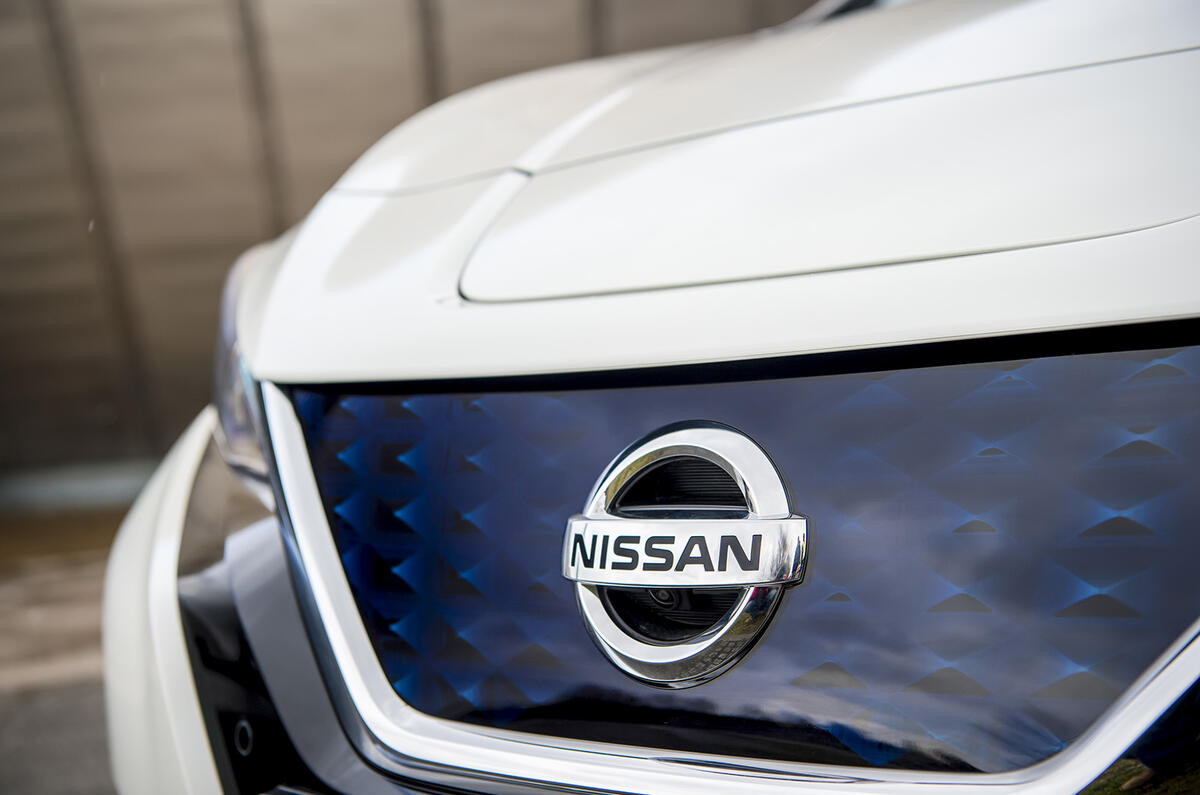


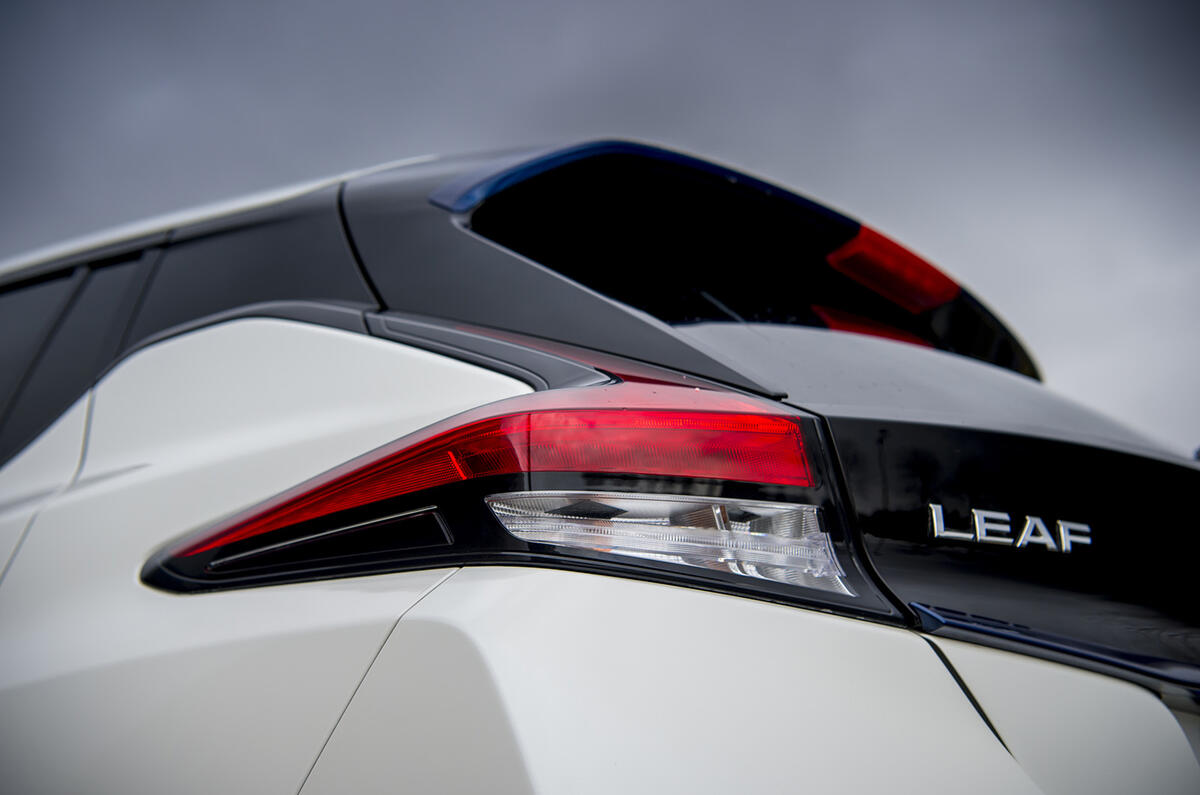


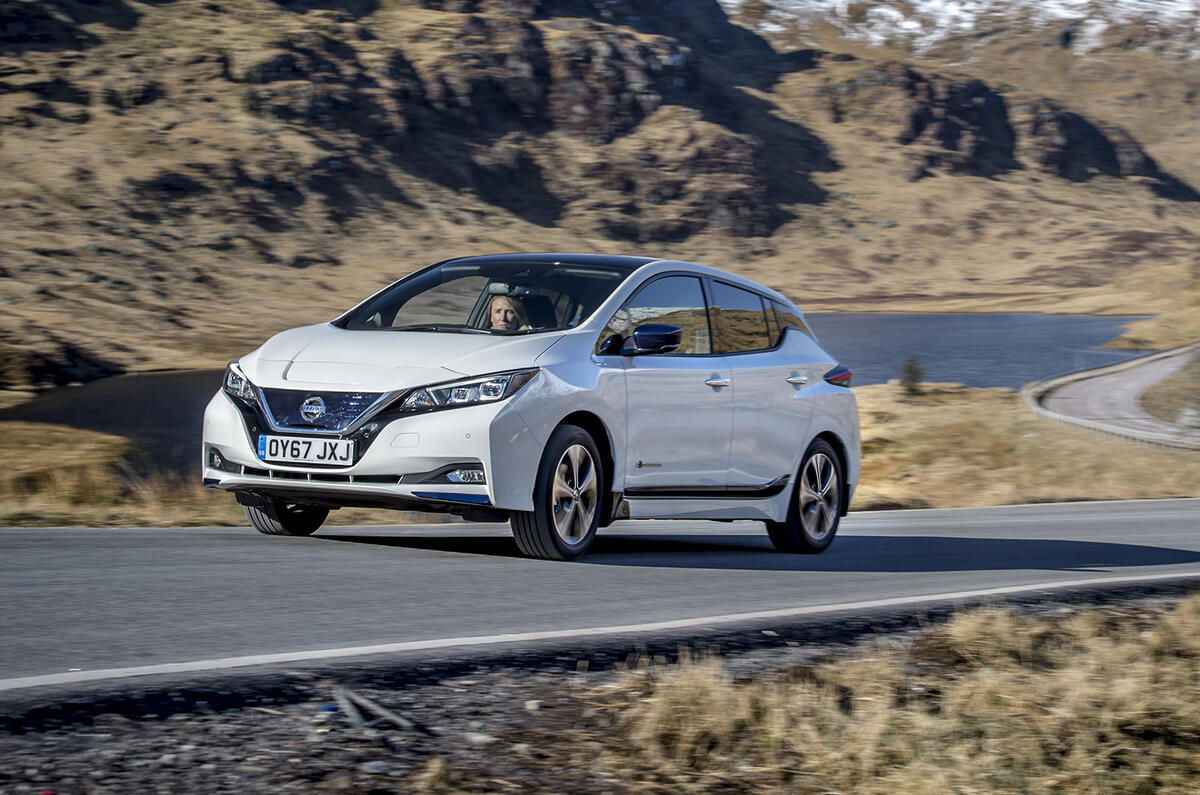
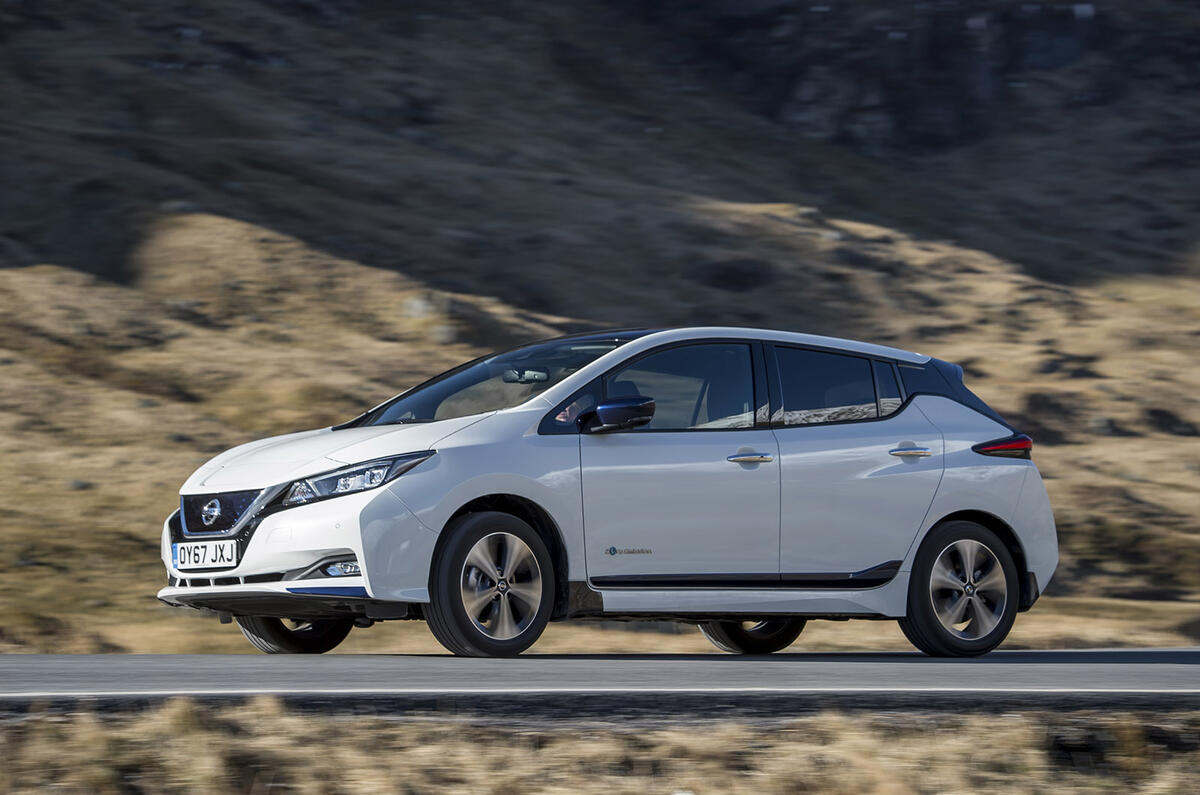
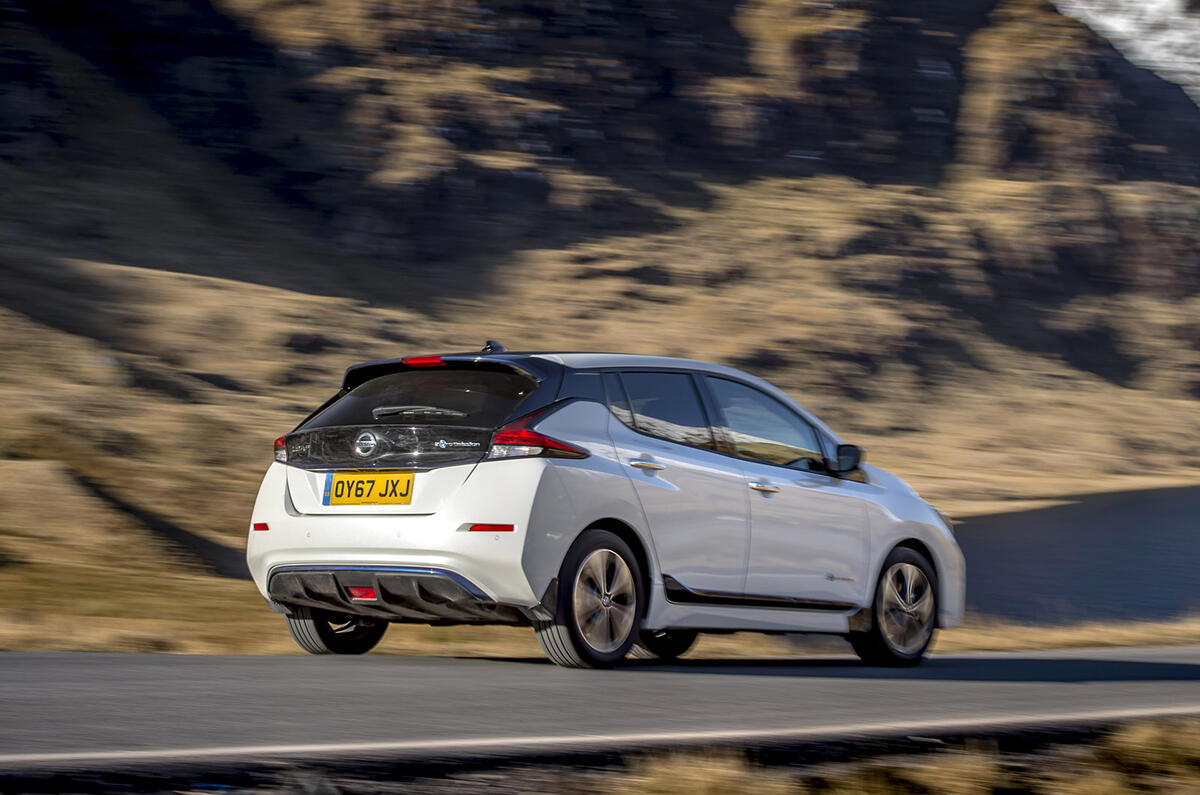


The Nissan Leaf is the electric car with the name that’s always spelled out in block capital letters on all the advertising billboards: and here’s why. Because the name of the world’s best-selling EV is actually an acronym. Turns out they didn’t just dub it in honour of former Nissan boss Carlos Ghosn’s favourite rubber tree pot plant after all.
It’s an usually descriptive acronym by Japanese car-industry standards: this car is Nissan’s ‘Leading Environmentally friendly Affordable Family vehicle’. Of course it is.
While it takes a bit of a fudge to turn that into the acronym in question (‘LEFAFV’ doesn’t have quite the same ring), the contrivance neatly conveys the car’s central truth: that any Leaf must be more practical, convenient, good-value and easy-to-operate than any other electric vehicle. And yet it must also be market-leading: popular in one sense, innovative and pioneering in another.
Thus far, it’s been fairly straightforward for Nissan to define the Leaf as the ‘leading’ EV because, well, they’ve sold a quarter-of-a-million of them. Looking towards a fairly near future with all-electric Hondas, Toyotas, Volkswagen IDs and countless millions of Teslas in it, however, ‘market-leading’ status may be a tougher ask.
Still, it’ll be the fibre of this car with which it’ll be aiming to claim it: the second-generation Nissan Leaf, complete with sharper looks, more power, more battery range, better onboard technology – and a value-for-money proposition that plainly isn’t to be sniffed at.