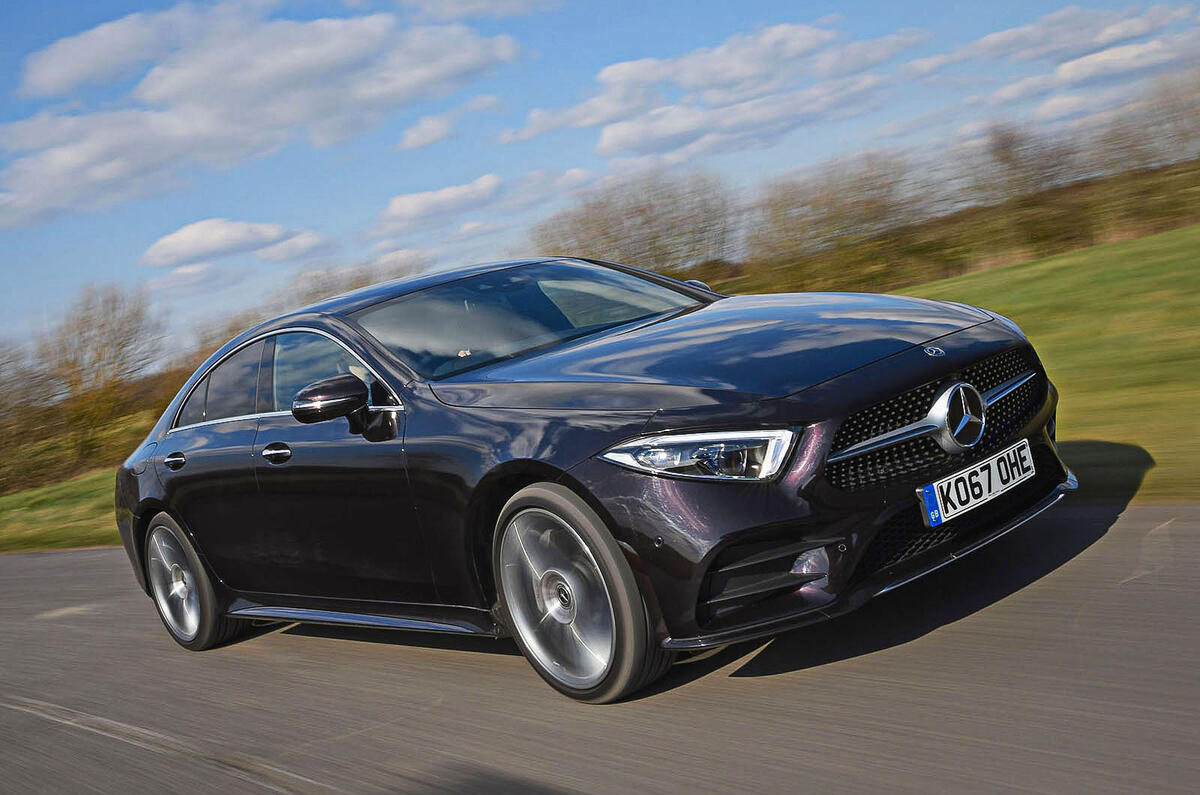

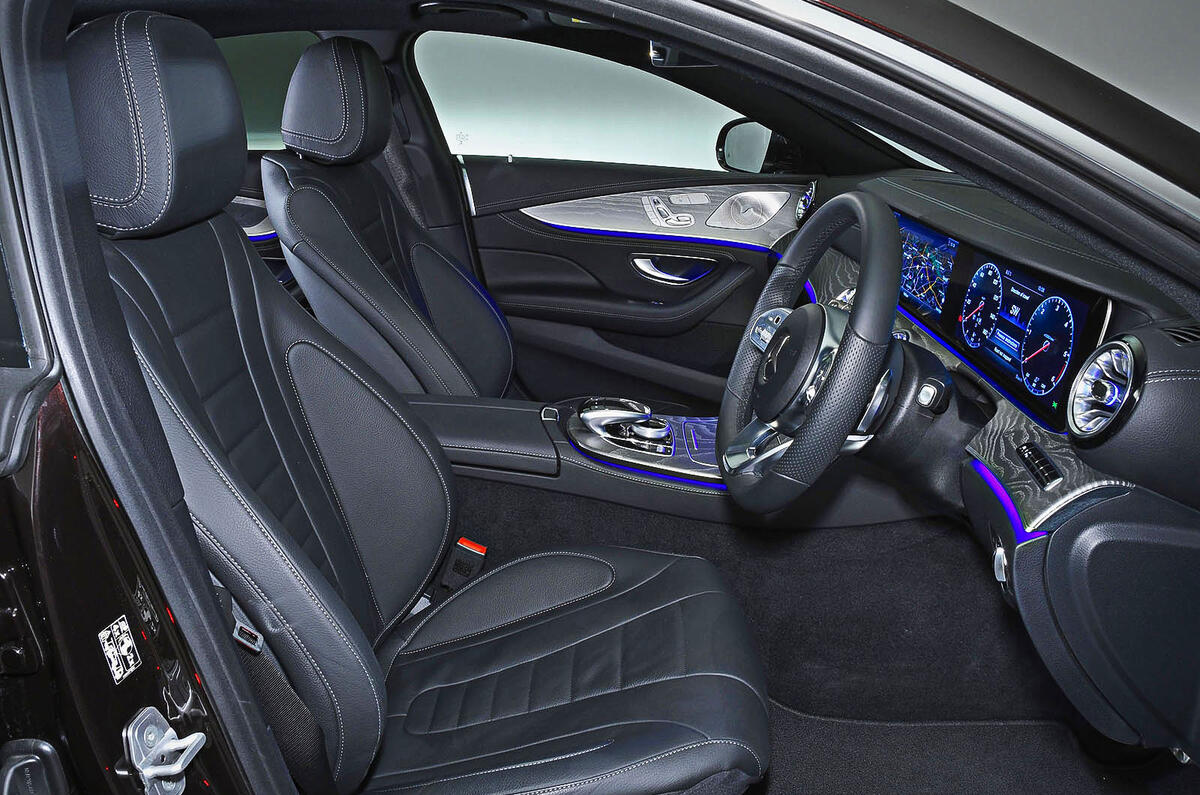
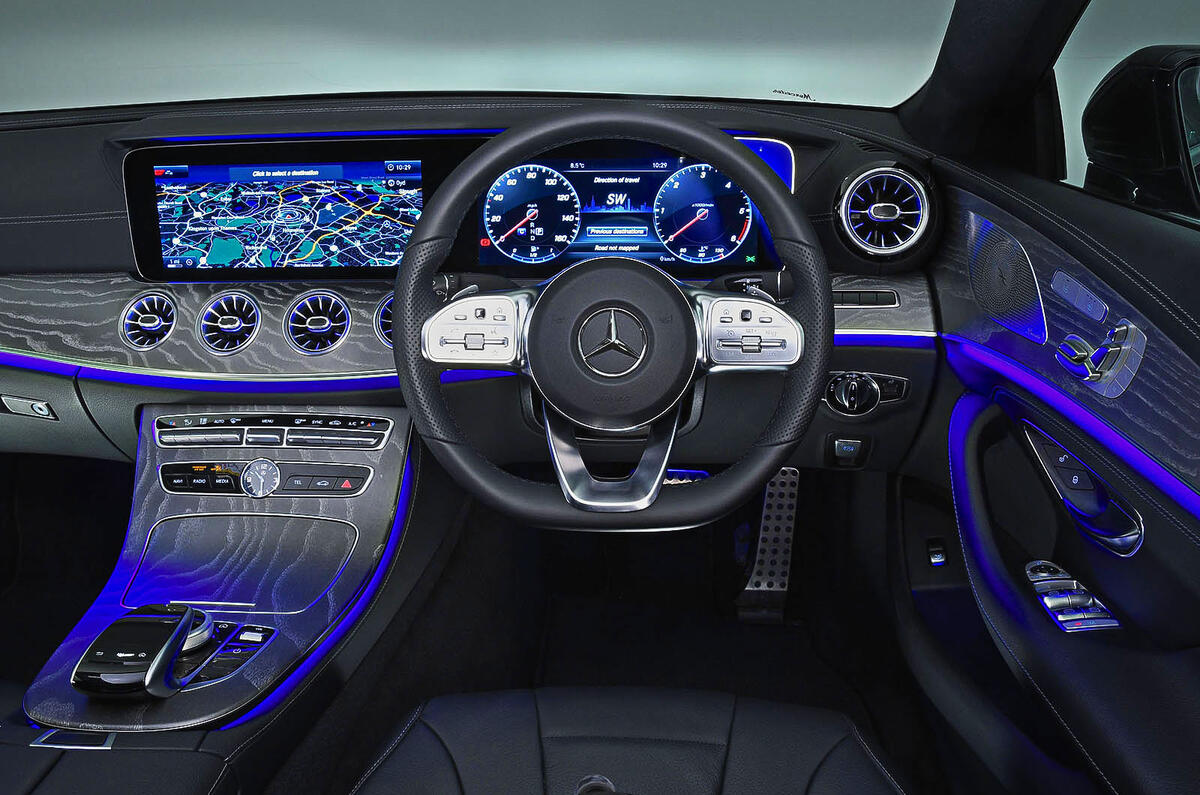
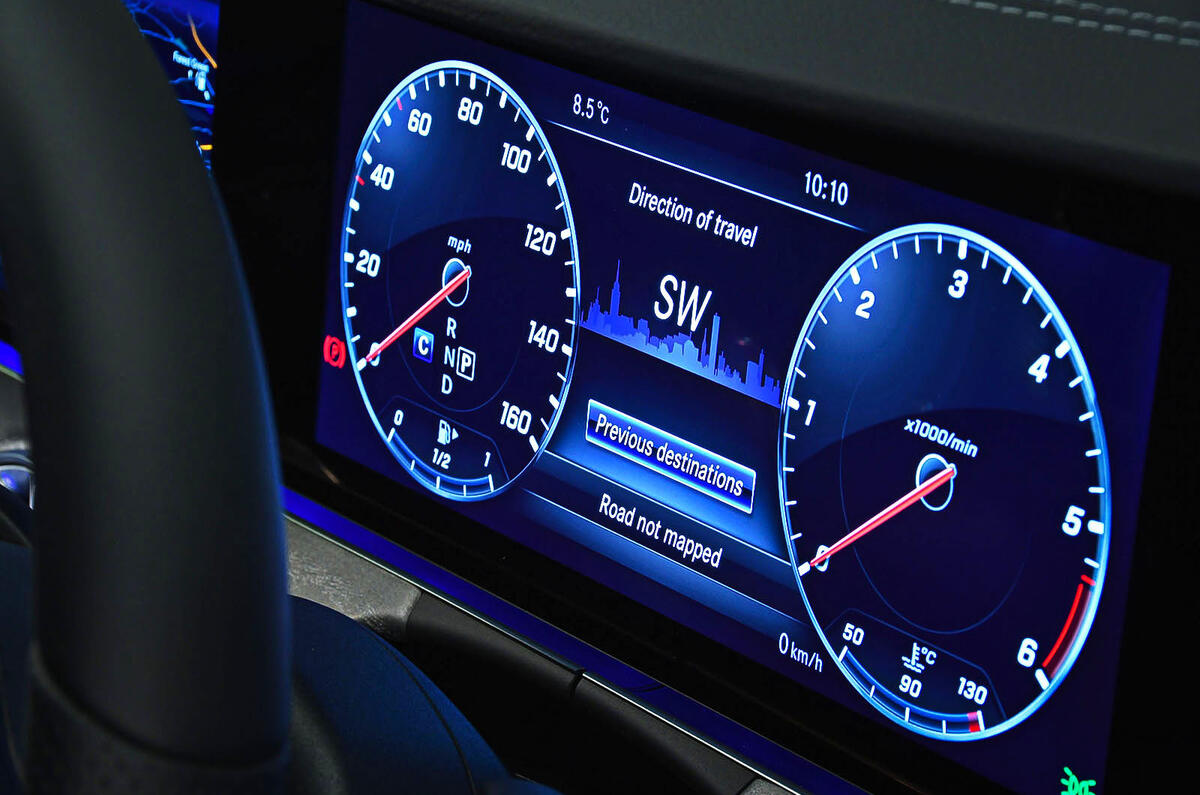
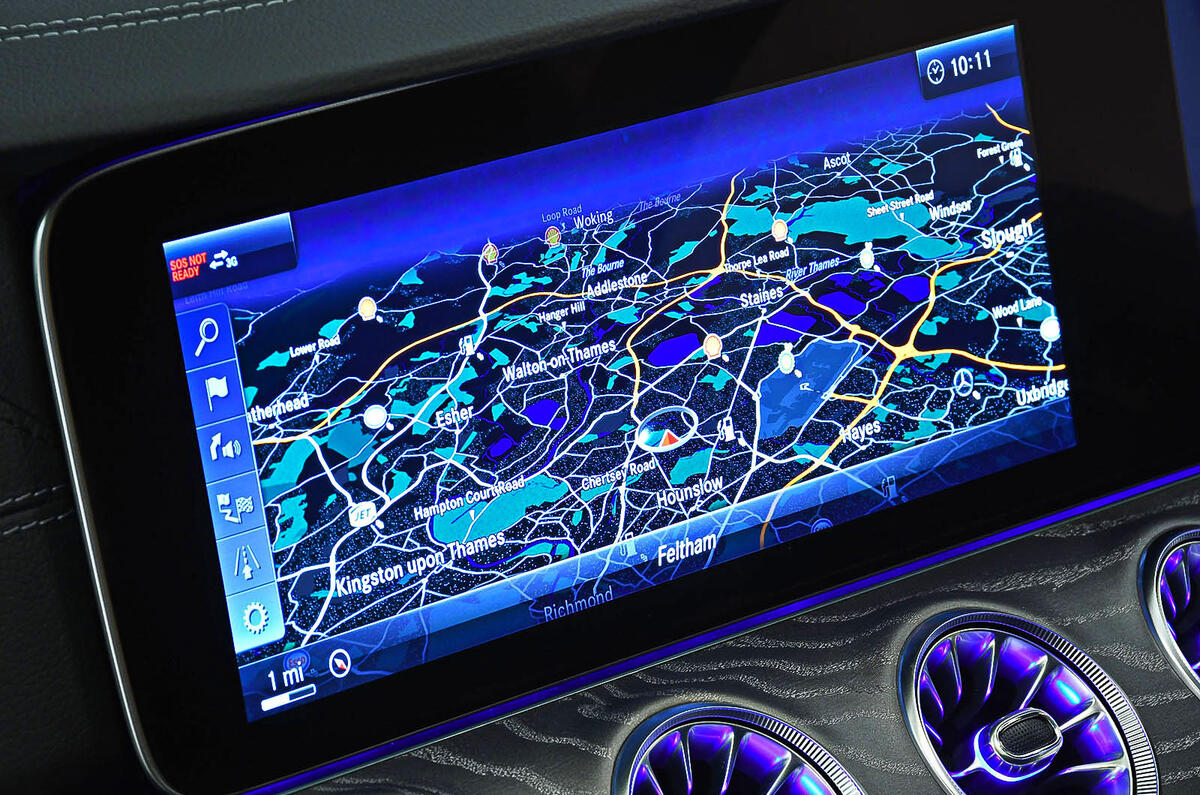
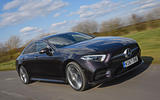

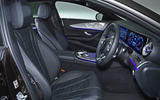




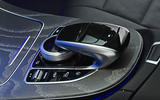
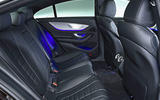
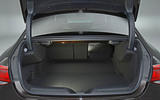
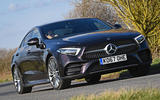
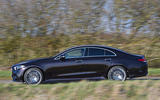
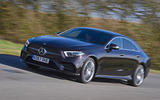


Well that didn’t take long. Only four weeks ago, there we were, getting our first taste of the third-generation Mercedes CLS four-door coupe in oddly snowy Spain – and now we’re poised to shade in the detail on the car’s British-roads performance.
The new CLS went on UK sale earlier this month, and having sampled it chiefly in range-topping ‘AMG 53’ form before, we’ve been getting acquainted with the one-rung-down performance diesel version: the CLS 400d.
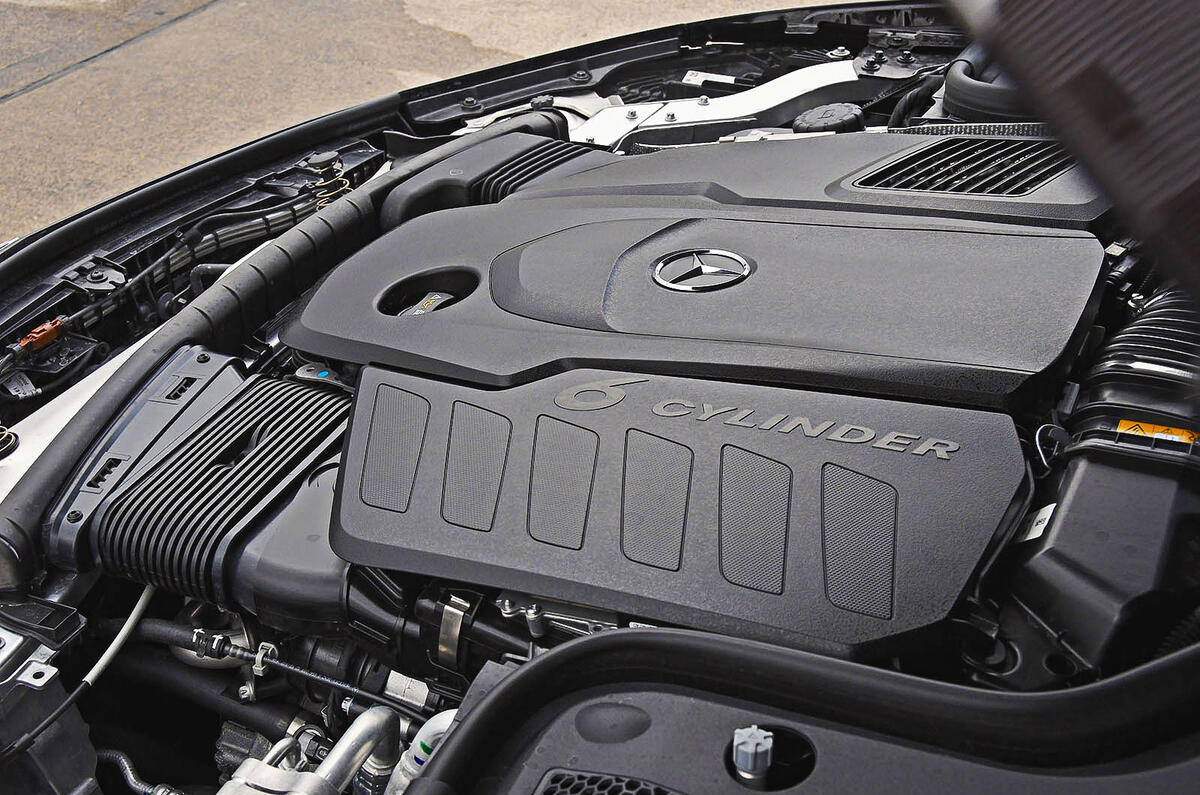
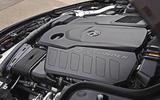
You read that last bit right, by the way. Mercedes-Benz hasn’t traditionally tackled Audi and BMW at the very top of the diesel-sipping executive model tree, but the arrival of its new families of straight six turbocharged engines changes things.
And so, in addition to a CLS 350d with 282bhp, you can get this CLS which offers 335bhp and more than 500lb ft of torque, as well as 0-62mph sprinting in 5.0sec and lab test CO2 and economy stats almost identical to those of its less powerful diesel brother.
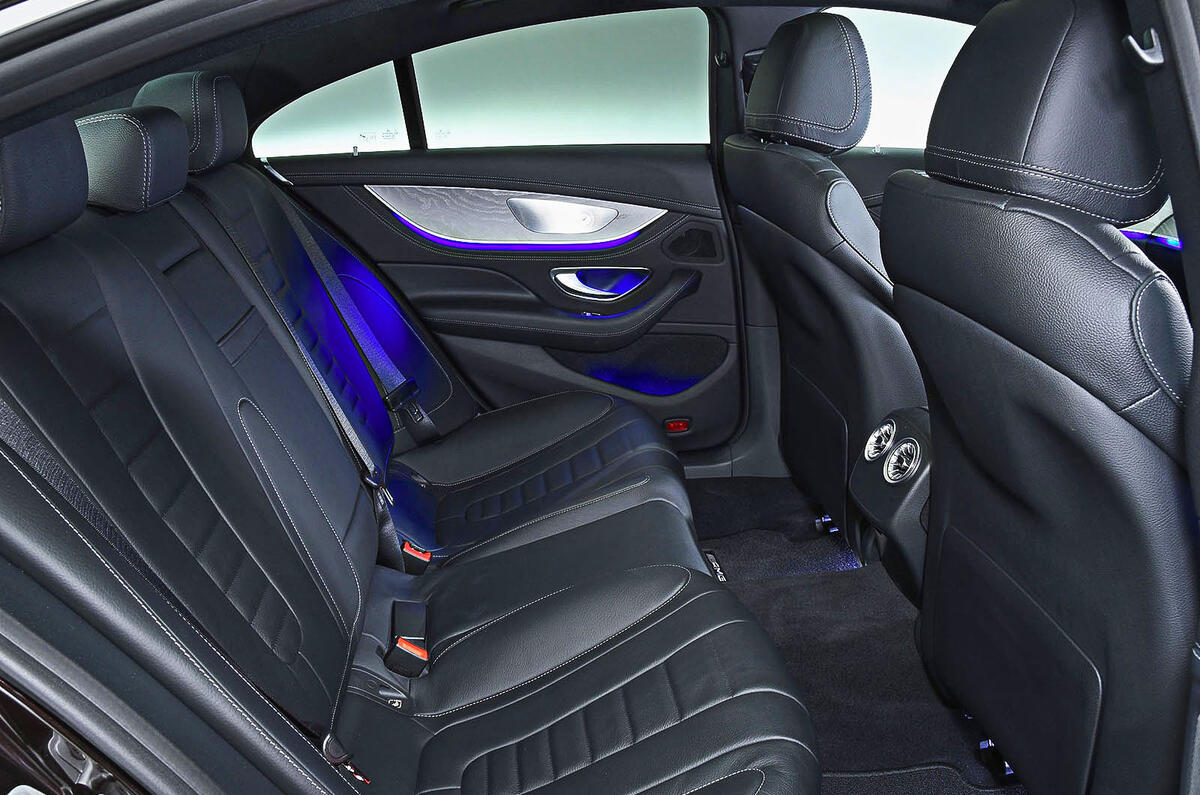
This CLS doesn’t have the intelligent motor/alternator of the AMG and -450 48-volt hybrid versions, but it is different from its predecessor in as much as it’ll seat five people.
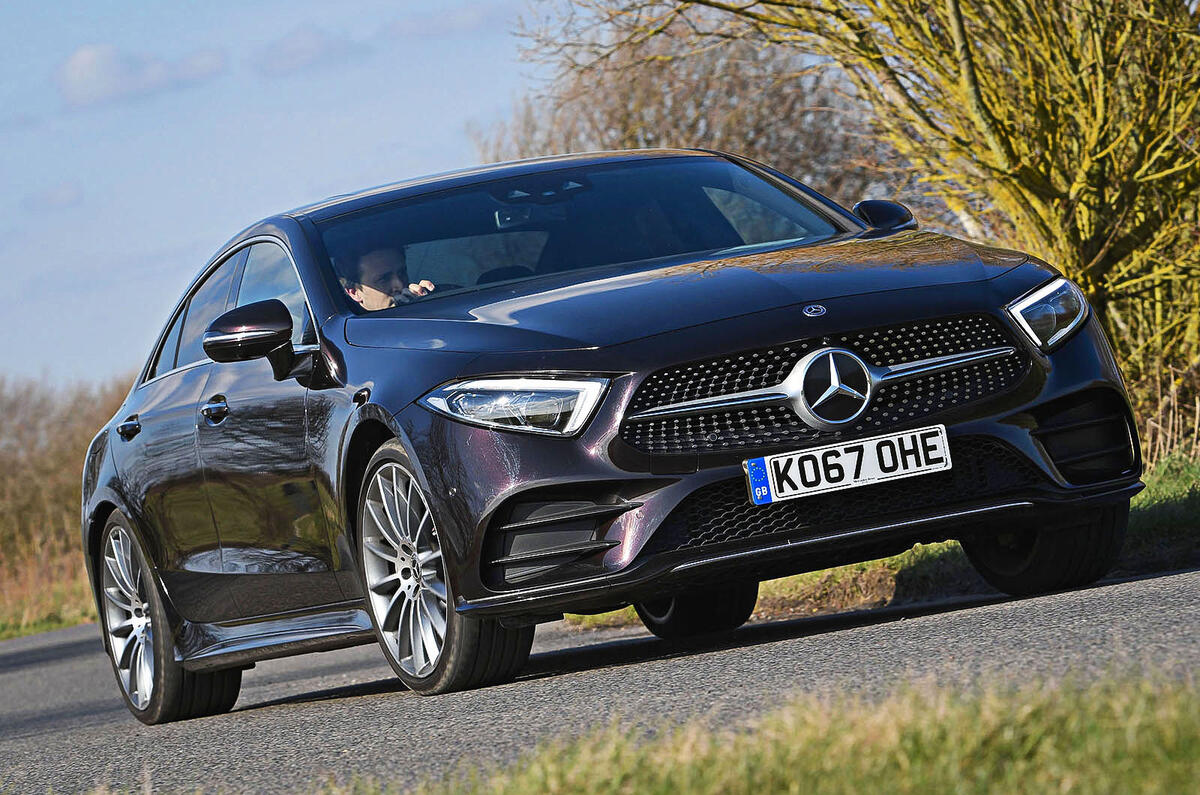
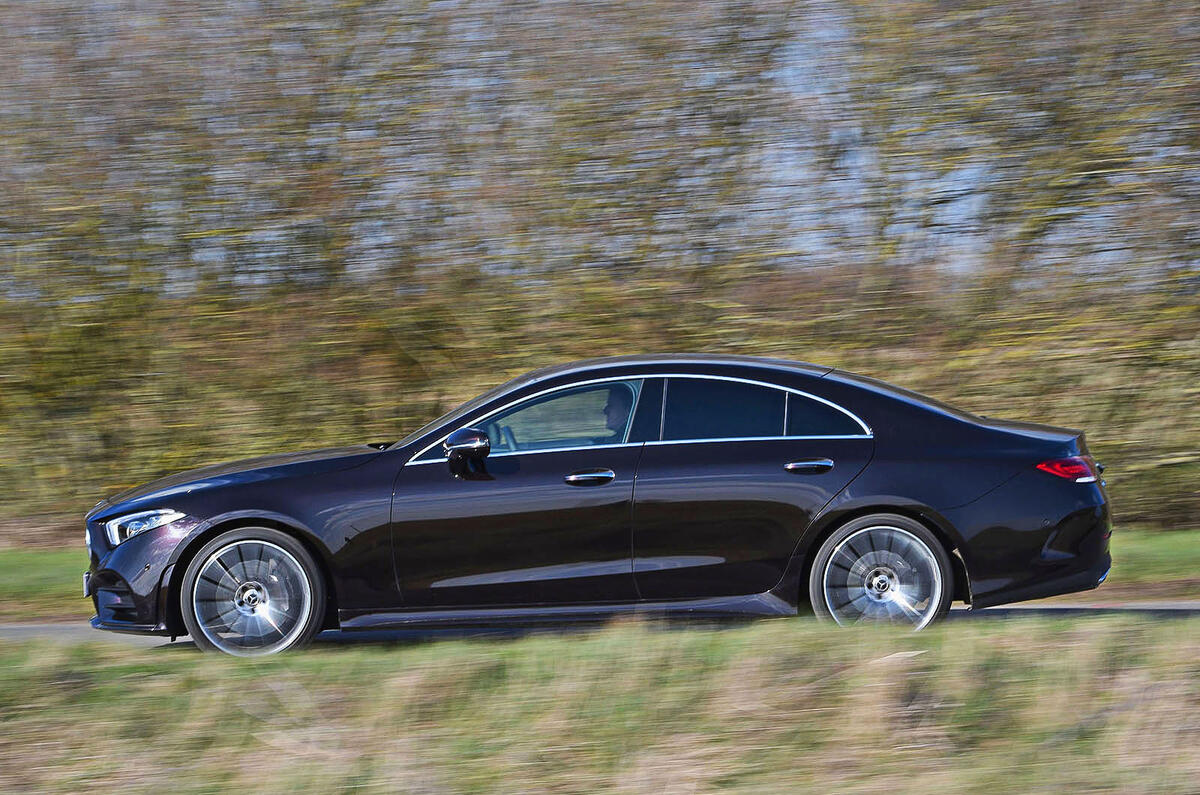
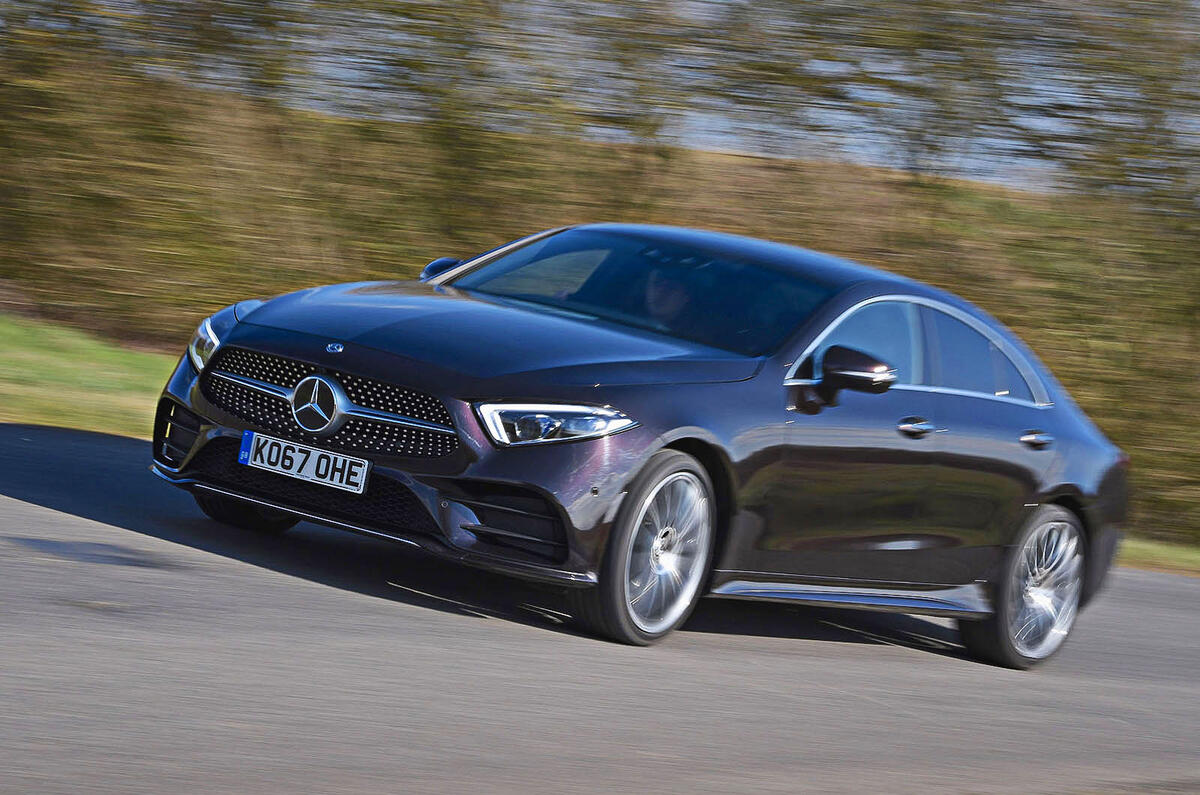
A sign of styling to come from Mercedes-Benz
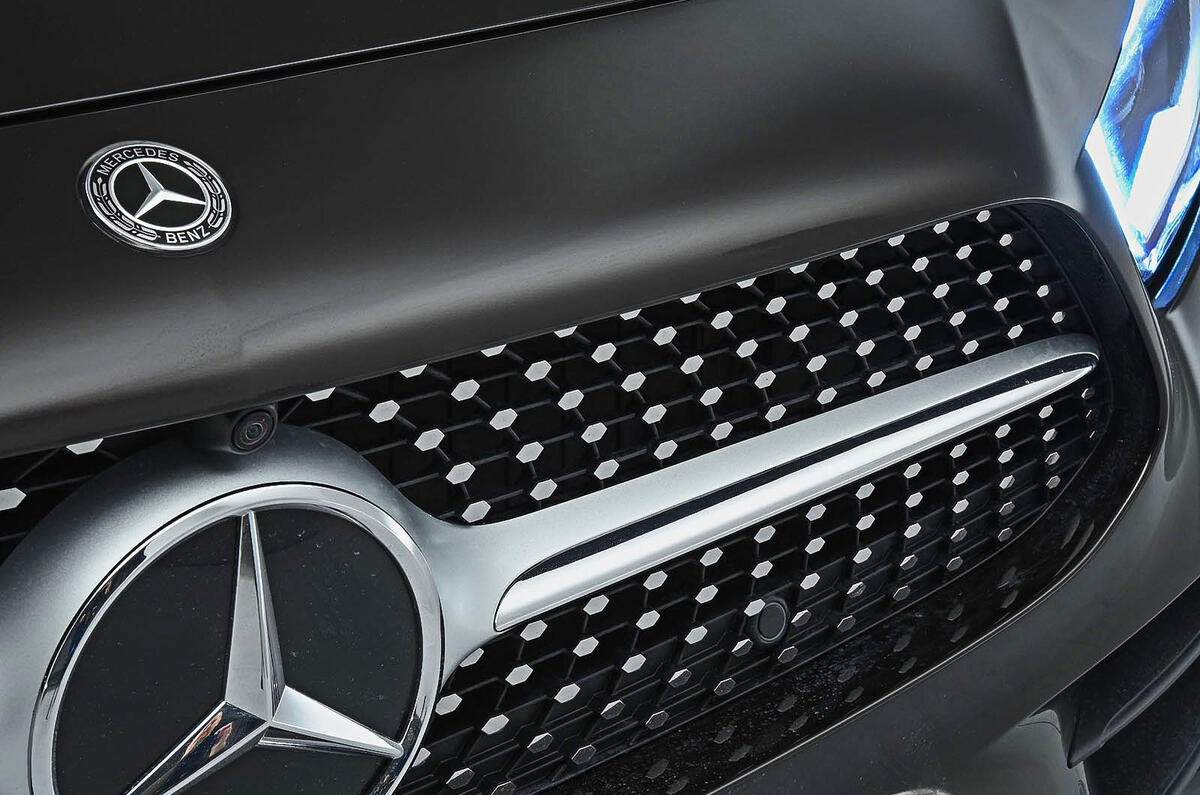
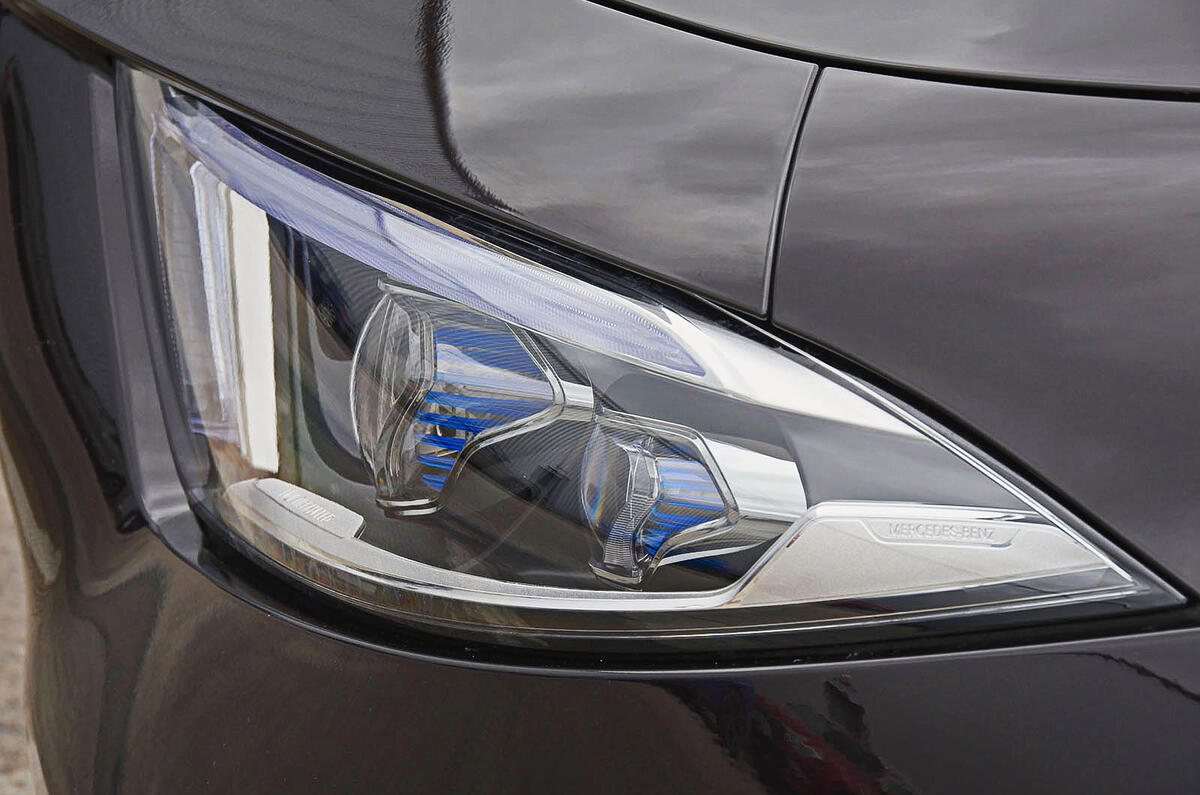
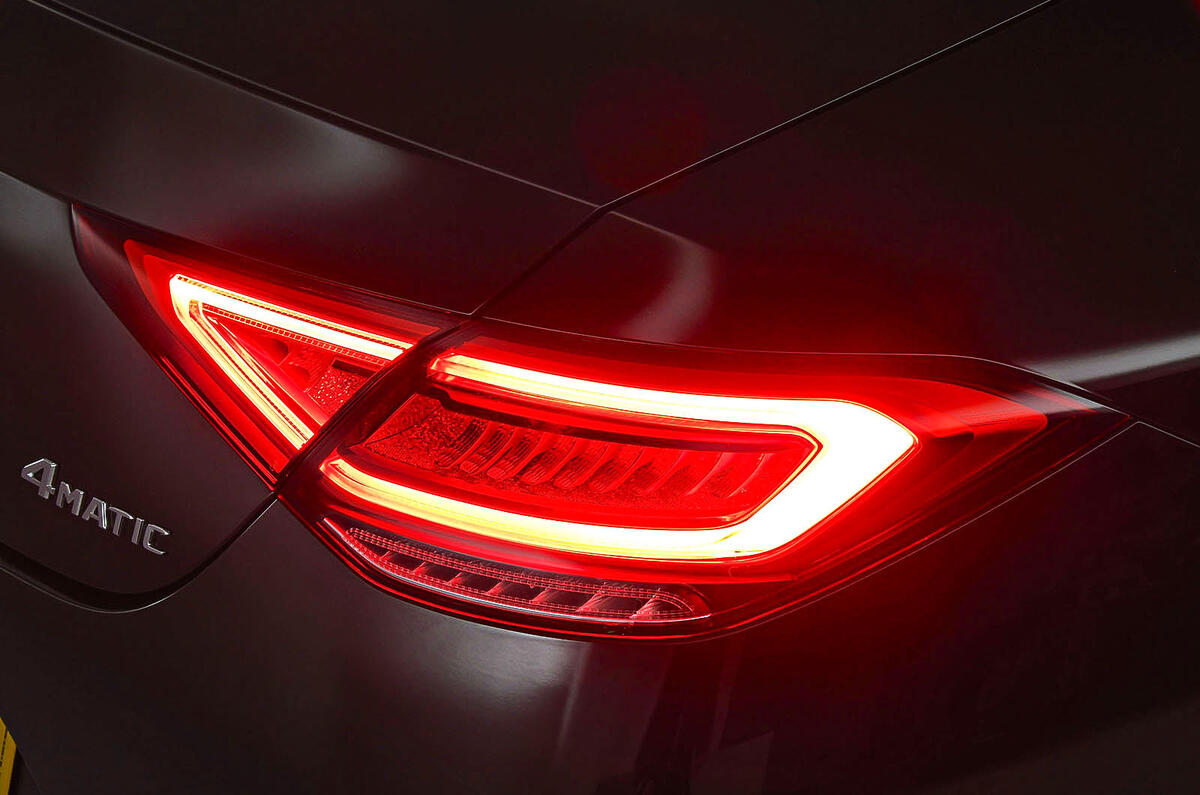
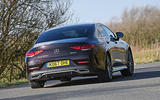
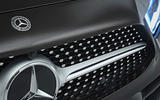
It’s also supposed to be a particularly reliable telltale of the look of future Mercedes saloons and coupes, with its island bonnet, wide-based front grille and smooth, taut surfacing language.