





What is it?
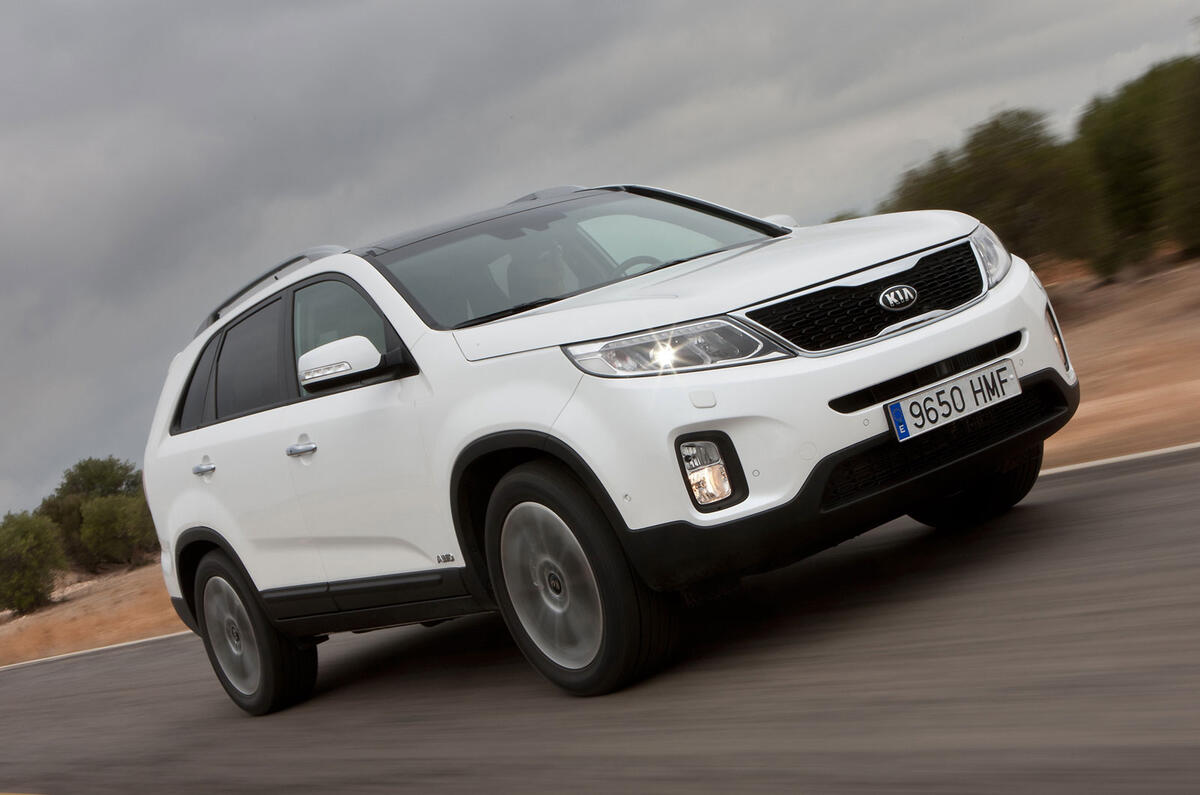
This is the all-new Kia Sorento, launched less than three years after the outgoing model went on sale. Despite using the same doors, roof, bonnet and windscreen, Kia says that this is otherwise an all-new car.
The steel monocoque platform has been virtually completely re-engineered with a new floor and underfloor crash structure, a new front crash structure, a new upper structure and now also gets a full-size subframe at the front, which helps with both safety and refinement. Overall, the body is 18 per cent stiffer than before.
The rear, multi-link suspension has been upgraded (with longer trailing arms and a bigger sub-frame), partly to increase space in the rear. The steering has been switched to an electrically-assisted system, the track widened and the overall height has been dropped by 10mm.
Much effort has gone into improving refinement, with upgraded insulation on the bulkhead and around the centre tunnel. In this new car, there’s 30mm more legroom for the second row of seats and and just 9mm extra for the third row: all UK-bound Sorentos will come as 7-seaters. Boot space is an impressive 660-litres with the third row of seats folded.
There will only be one engine on offer, Kia’s own 2.2-litre, four-cylinder, 194bhp turbo diesel unit, hooked up to either a six-speed manual or six-speed torque converter auto. With the manual box, the official combined economy figure is 49.9mpg, not bad for a 2510kg machine. Opt for the six-speed auto and the figure drops to 42.2mpg. All-wheel drive will also be standard on UK cars.
There will be three trim levels (KX-1, 2 and 3 and a KX-2 with Sat-Nav). Standard equipment includes dual zone climate control, bluetooth, cruise and reversing sensors.
The car also gets six airbags, an active bonnet, downhill brake control and hill start assist. KX-2 gets leather, self-levelling suspension, heated and electric seats, reversing camera. The top-line KX-3 gets a panoramic roof, Xenon lights, stop-start and keyless entry.


Join the debate
Add your comment
Not as great value as they used to be
Yes, they have the extended warranty & have improved, but Kias are cheap no longer.
sounds worthy
I test drove the 'old/current' one for a day. I am not surprised it only lasted 3 years! - this rethink was an emergency fix. The old one was horrid to drive, it rode OK but the suspension rates were all over the place and it literally frightened me on a fast bumpy dual carriageway as it seemed to be working itself up into a right tizz completely independently at each corner. driving at a speed anything else I have driven wouldn't be at all worrying. Also I found it dire for understeer the nose washing out far too easily. Took it back to the dealer and he asked how it went - I replied its not safe enough to put my family in. I am sure I am not the only one and the feedback coming back to KIA HQ moved the Sorrento up the development list rapidly.
sic airbags?
Is the 2510kg a typing error? The "sic airbags", the comparison of the interior to the "previous Sonata" and describing the transmission as "impressive seamless", not "impressively seamless" suggest another error is possible.
Never trust the spell-checker to find all your mistakes.
Neil2129 wrote: Is the
As pointed out above I think Hilton's quoted the gross vehicle weight figure 2510kg rather than the usual kerbweight figure of 1890kg.
I'd agree it's strange to replace a model after 3 yrs, I think Kia was on a push to revamp the entire range, and having development costs shared with Hyundai and a great exchange rate making their cars cheap then they can probably afford to.