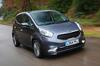
Kia Venga 1.4 2 review - on the road

Kia Venga 1.4 90 2

Test date 16 January 2010  Price as tested £12,995

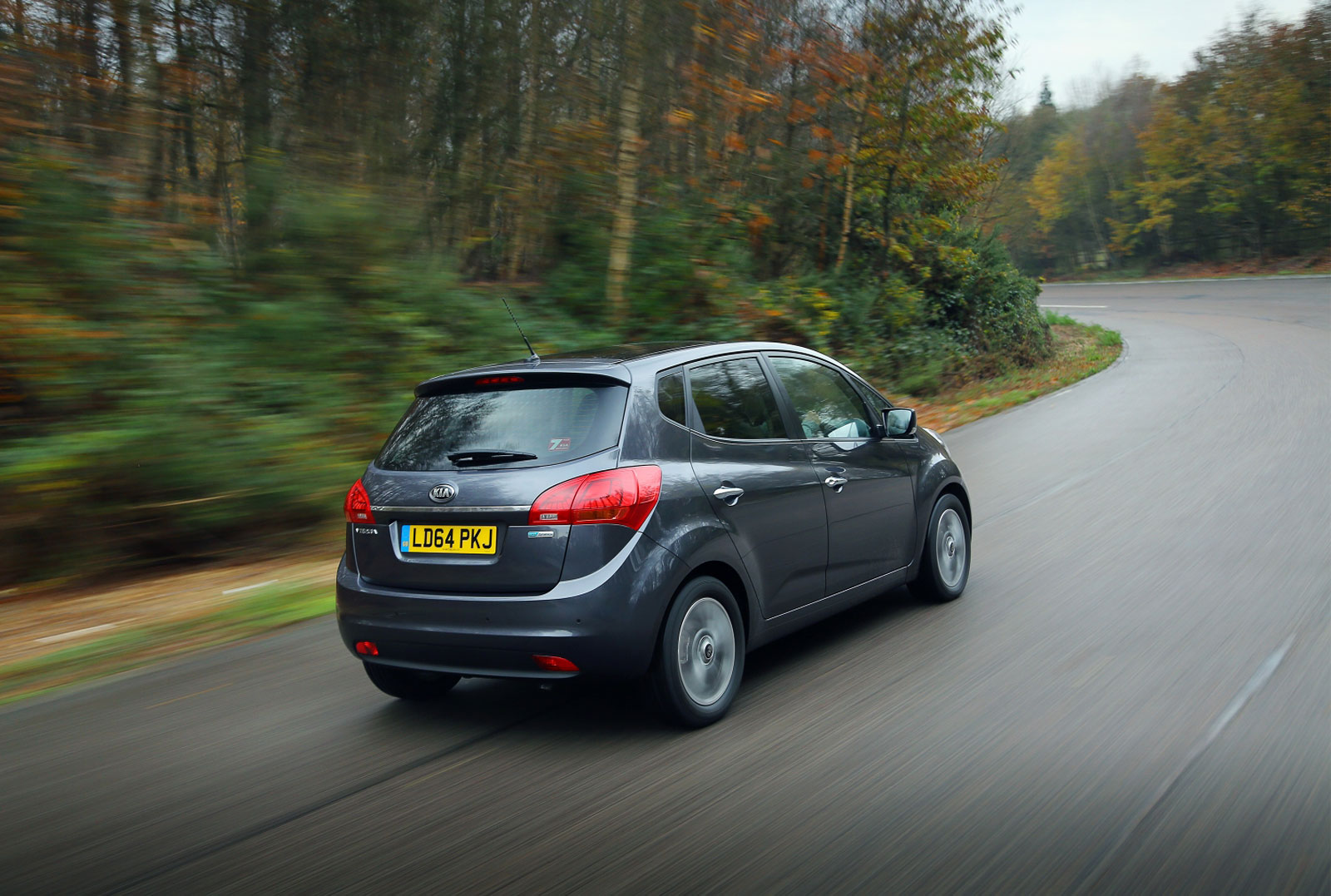
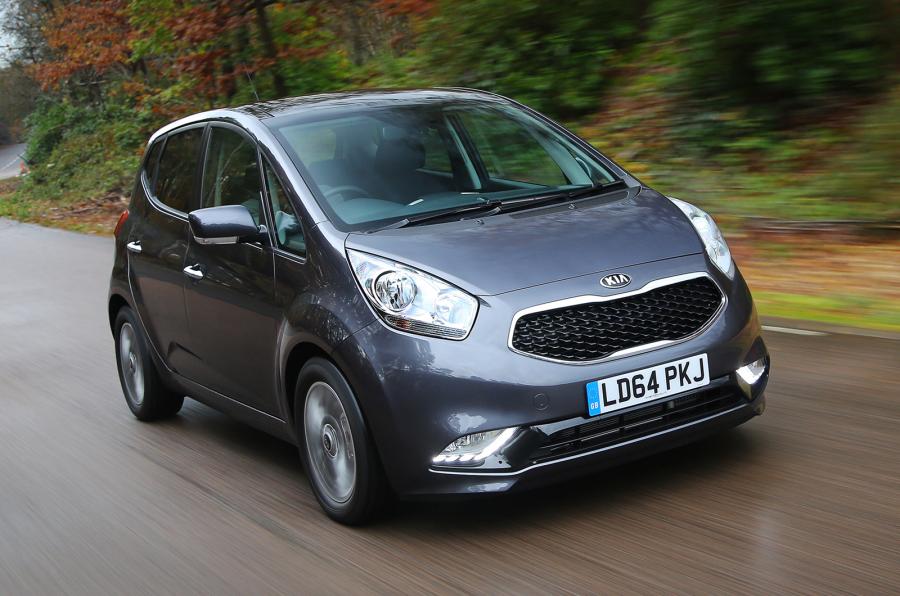
Although we have low expectations of what an 89bhp family runabout can achieve, the Venga proved disappointingly slow during testing at Millbrook (MIRA was still under snow, hence our limited test data). It is not so much the 0-60mph time of 13.1sec, but the performance beyond this point that looks a little sluggish.

Under full acceleration it needed 13.5sec to go from 60-80mph, or just the sort of sprint you might need to join a fast-moving motorway. A 1.4 Fiesta takes 10.2sec and the new Citroën C3 hatch is faster still.

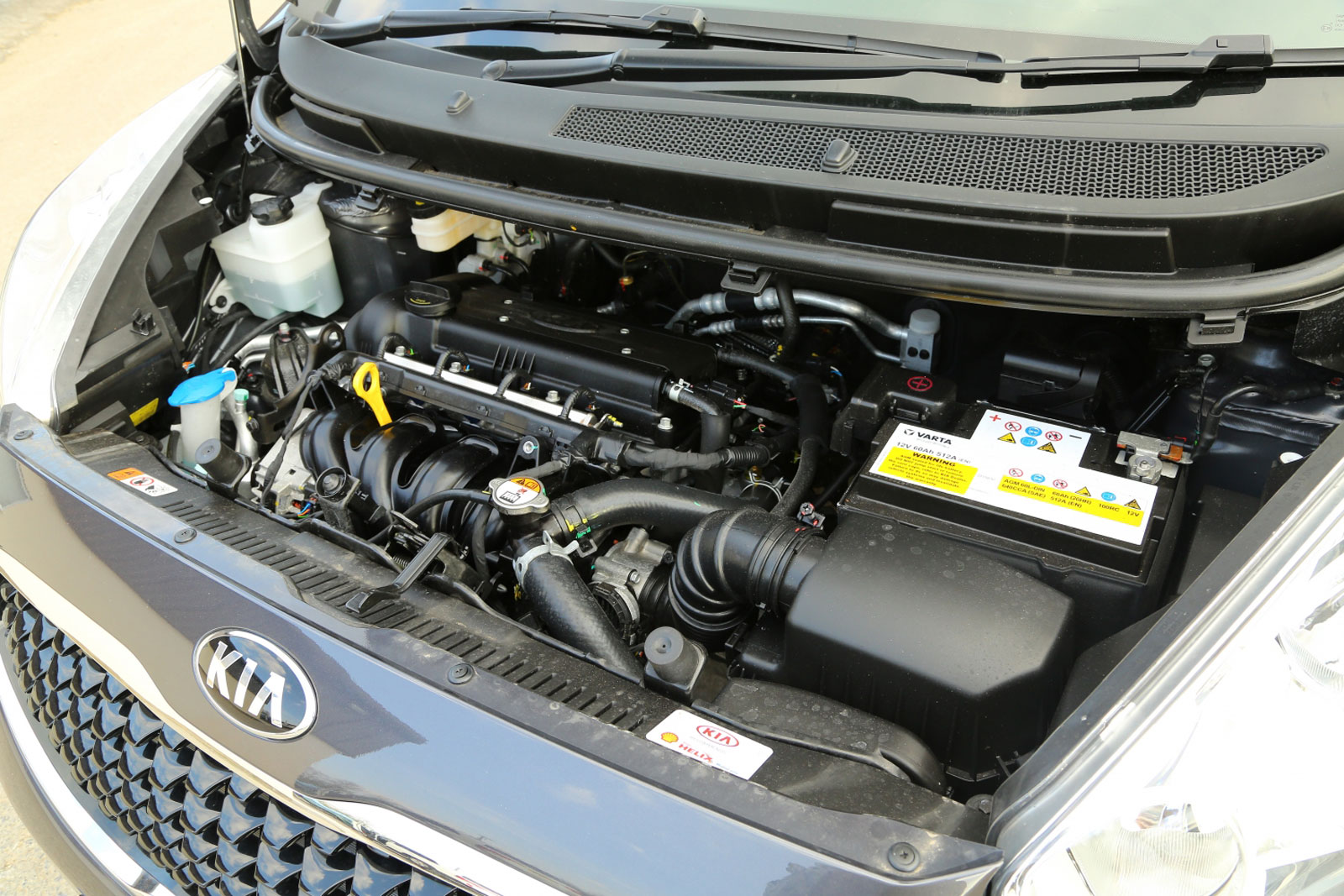
In the Venga’s defence, our test car had covered just 1000 miles and felt extremely tight over the second half of the rev range. There is a chance that with more miles the 1.4 would feel stronger at higher speeds. What we can report with more assurance is that at lower speeds and lower revs the engine feels noticeably stronger; at town and A-road speeds (up to 50mph) the Venga is adequately brisk. Both petrol engines feature continuously variable valve timing, which means four-fifths of the 1.4’s maximum 101lb ft of torque is available from 1500rpm.

It is also an impressively quiet engine at idle and low revs, making the Venga refreshingly refined. Beyond 3000rpm the engine is more strained, but again this may improve when properly run in.

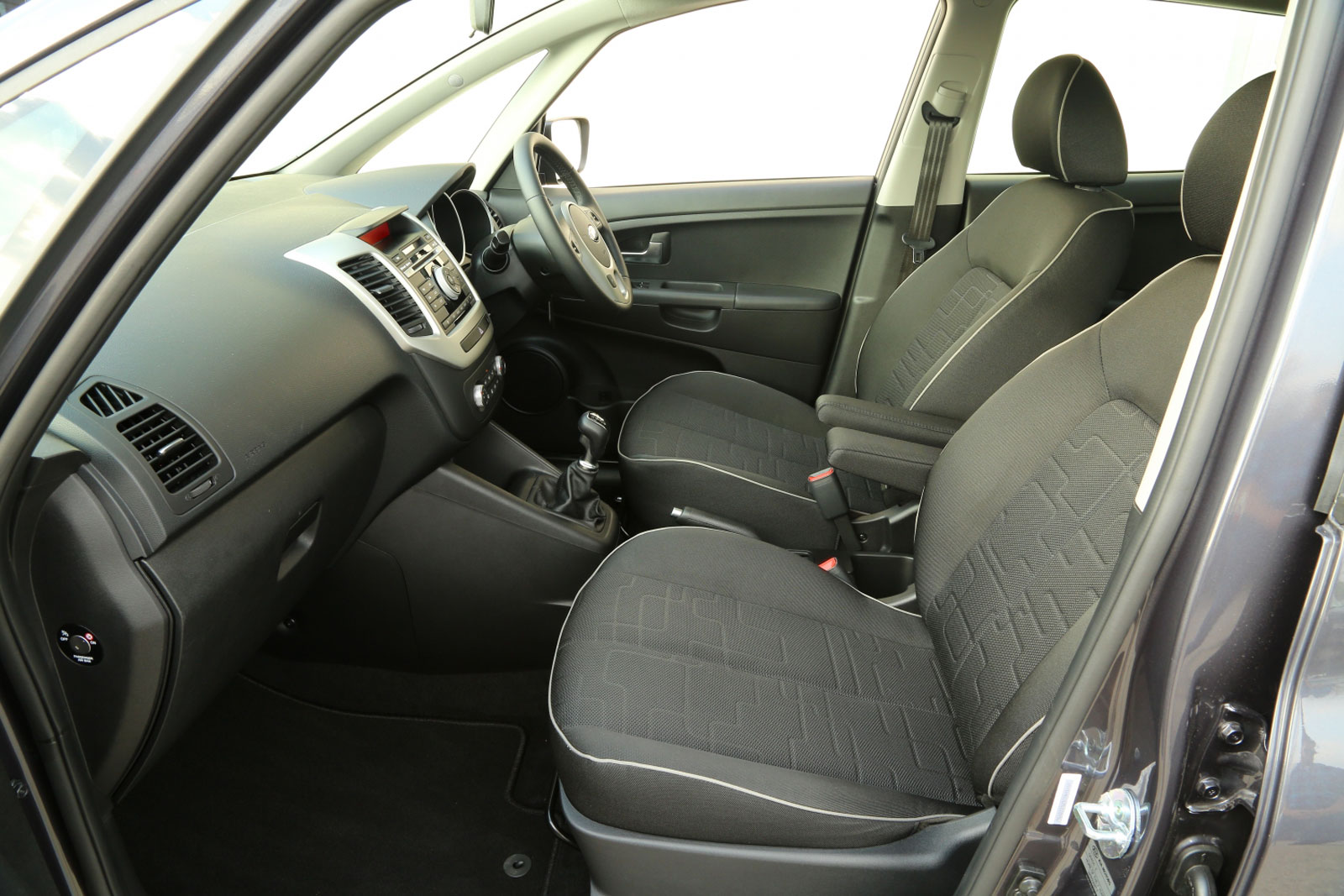
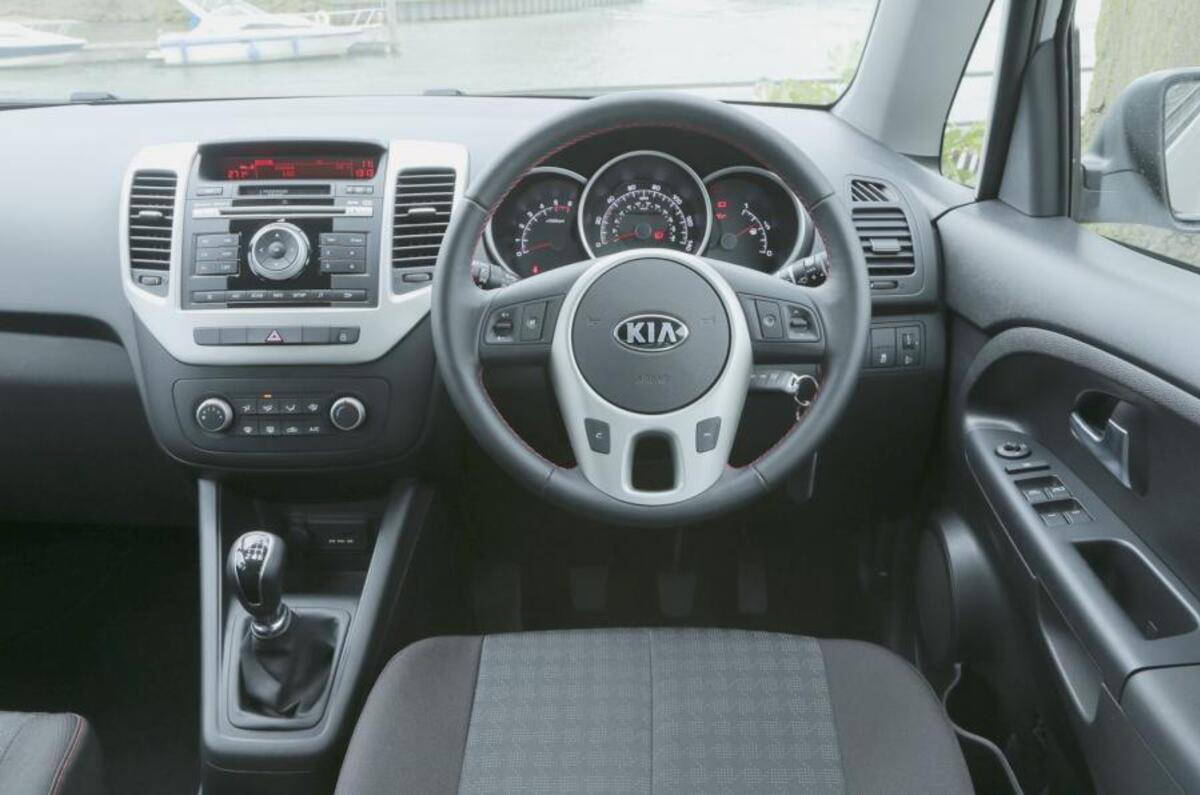
The gearchange is light without being vague and the weighting as the lever passes from one gear to the next is consistent and reassuringly positive. While it is unlikely that you’ll be changing gear for the sheer hell of it, there is little in the process to discourage you from doing so.

All Venga models get the same brake set-up, consisting of ventilated discs at the front and solid discs at the rear. While outright stopping power is not an issue (in road use), we would like more consistency and reassurance to the pedal feel, the initial response occasionally feeling too mushy.

As it did with the Soul, Kia has tuned the Venga’s suspension for British roads, which means a UK Venga rides differently from one in Europe. Kia UK has gone to this trouble because it felt the Venga’s European specification was too stiff for our broken roads.

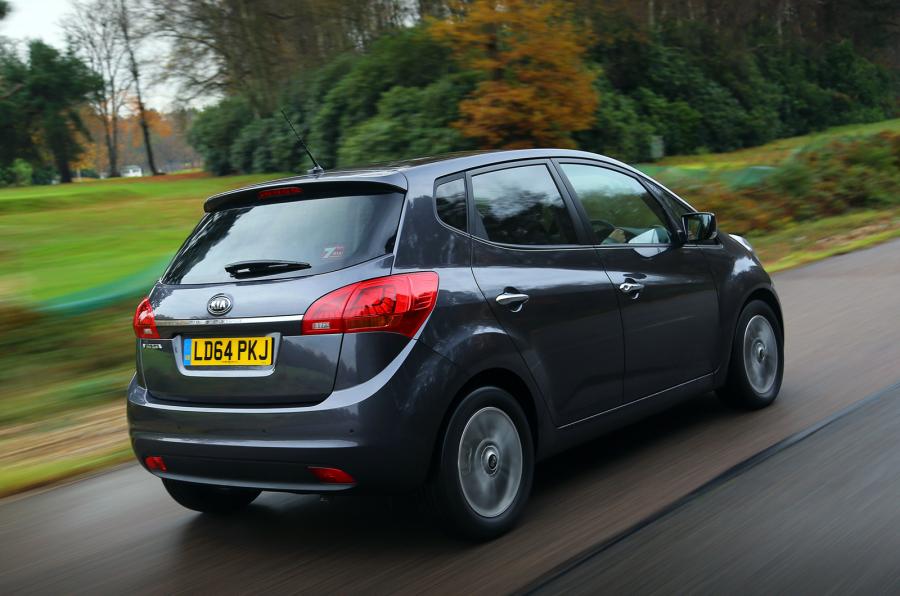
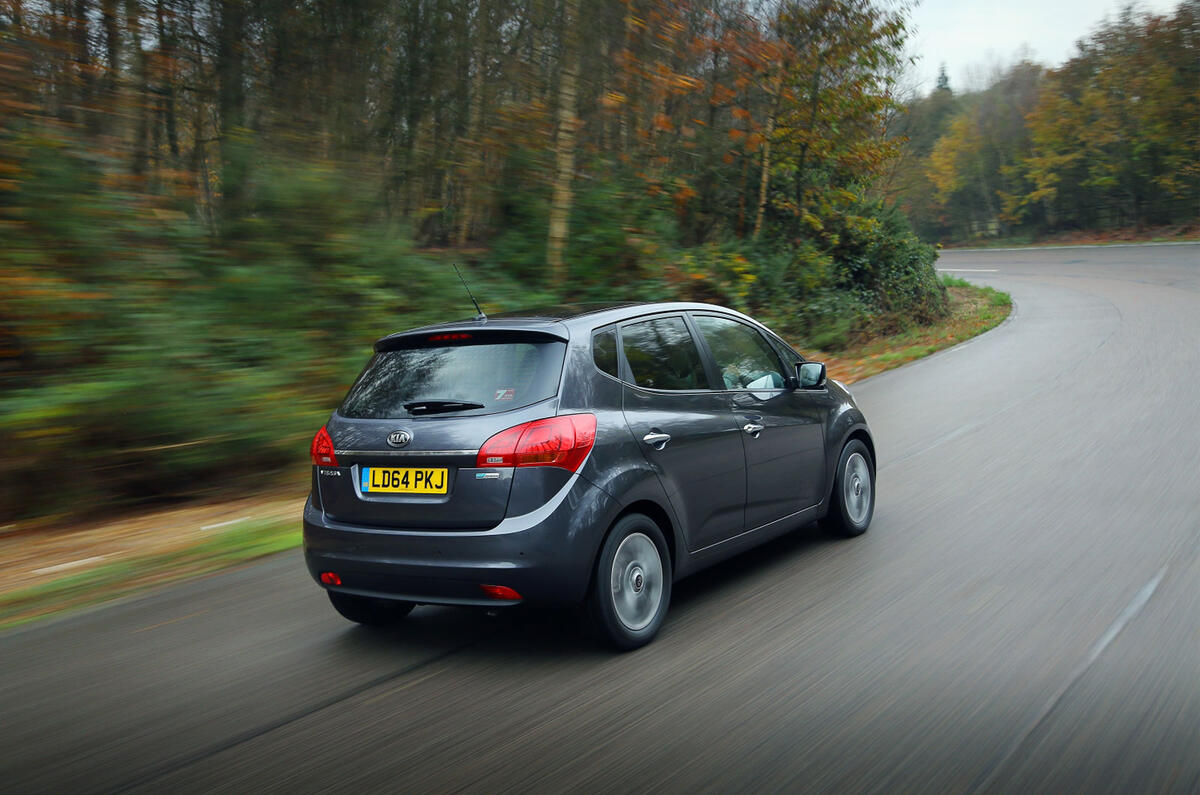
The question is, has Kia gone far enough? Because all that has been changed for the UK is the damping; the spring rates are unaltered. Certainly the first impression is that, for a relatively tall urban car, the Venga turns with remarkably little body roll. As a consequence, it feels surprisingly nimble and planted during cornering, and grips strongly. Had the weather not prevented us from visiting MIRA, we suspect (straight-line performance aside) that the Venga would have acquitted itself rather well in our circuit and lateral acceleration tests.

However, while the Venga is competent, it could never be described as an entertaining car to drive. Rather, it is entirely forgettable, which we understand some people will see as a positive. We, however, wish the steering was more feelsome and less spongy on turn-in. The electric system is an improvement on that fitted to the Kia Soul, mostly because it is more consistent around the straight ahead, but it is still some way off the best electric set-ups.

As for the ride, the Venga just about gets away with it. Around town the stiffness of the spring rates means the Venga is displaced by bumps more readily than we expect of this class of car, but there is just enough compliancy in the dampers that the movement doesn’t disturb occupants.

Your say

Comments: 7 Join the discussion


 |  Car reviews home  | 

Ads by Google


Advertisement


Now read this...


Wallpaper

Is Kia the top Cee'd?

Video

Kia Optima video review 90sec verdict


Today's hottest tests

Advertisement

All about Autocar

Newsfeeds

Subscribe to our news with our RSS feeds

Advertise

To advertise with Autocar contact us

Buy our magazines

Discover our titles at themagazineshop.com

Autocar latest issue - cover 8.2.12

NEW ISSUE OUT NOW

FAST, EASY & SECURE
SUBSCRIBE NOW>>