








What is it?
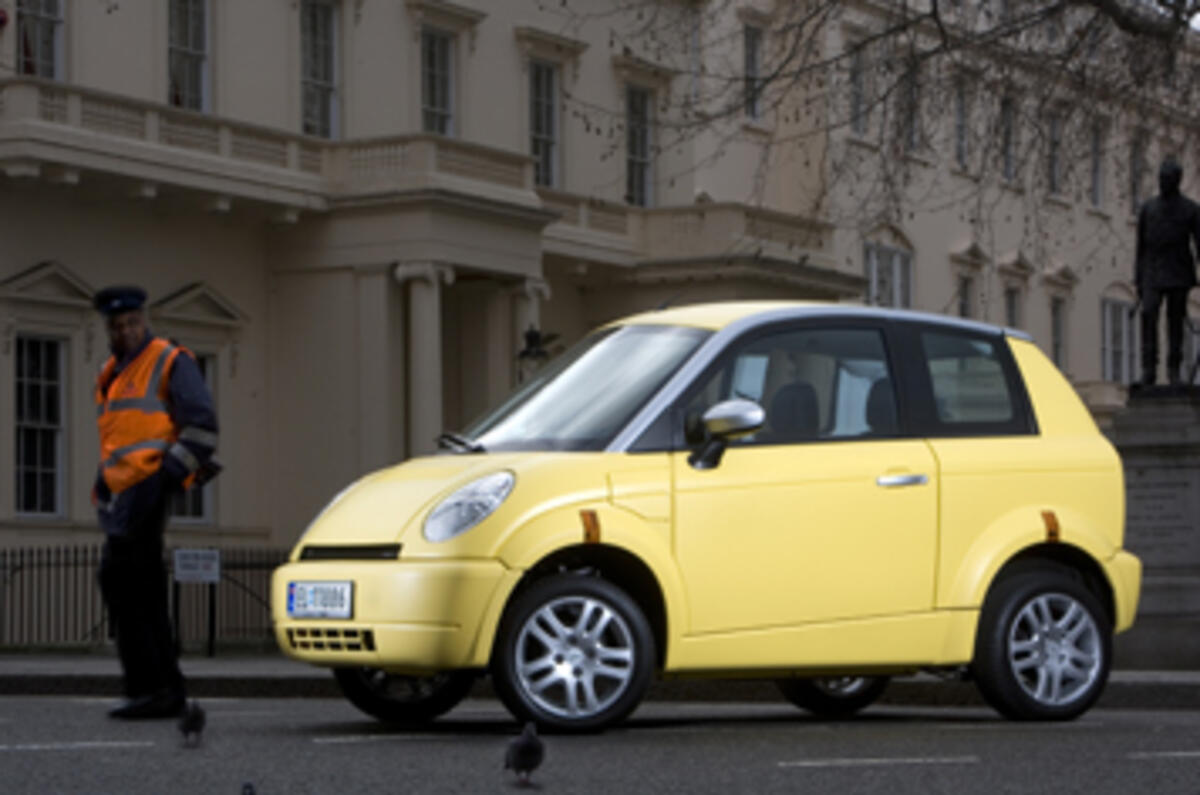
The feeling was instantaneous, thoroughly enjoyable, and like nothing I’d ever experienced on these streets before. Here we were, zipping to and fro on the back streets of London’s inner congestion zone in a little yellow two-seater — and I actually felt as though I was welcome to do it.
This was the latest version of the Norwegian-built Think City electric car and we were incurring no congestion charge, we were small enough to fit through any gap in the traffic, and wherever we stopped, parking cost nothing.
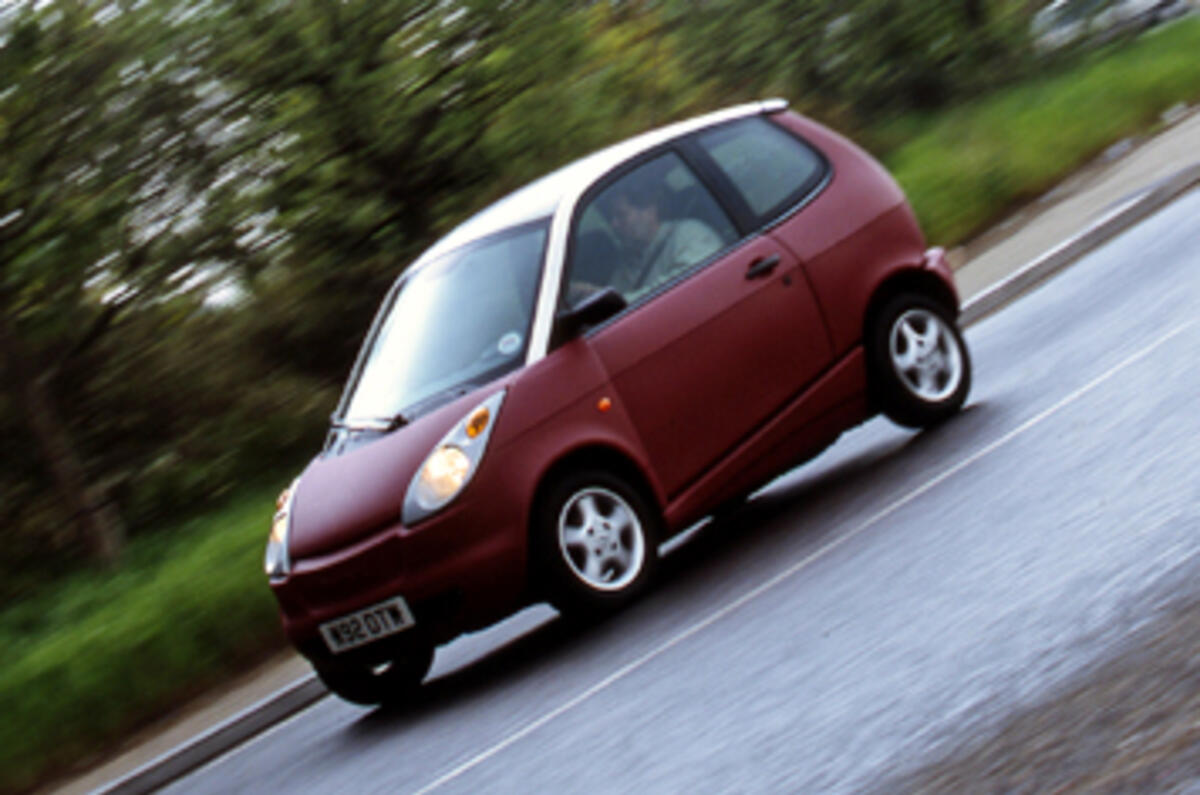
Think isn’t new to London. Around 2000 – about the time Ford took an interest in the Norwegian project and decided to give it a UK profile – Autocar ran a Think City for a few weeks, using it every day on inner-city driving. It was engaging, but crude.
Much has changed since then. Ford lost interest in Think and sold it back to higher-minded Norwegian interests, but not before spending £80 million re-engineering the steel chassis and composite body structures (a four-star NCAP rating is now in prospect), and on a cosmetic redesign that makes it look less like a short-wheelbase potato.
The mechanical layout of electric drive motor and CVT is down to Think’s own boffins, who have dramatically improved the battery range from a claimed 50-60 miles to a believable 100-120 miles. And there’s more to come from new lithium-ion batteries which will be in the car by the time it lands in the UK next year, in right-hand drive.
What's it like?
Eerily quiet. You twist the key and wait for the instruments and systems to initialise; then you twist a bit further and a friendly green light says it’s ready to go. You pull a perfectly ordinary T-bar back to drive, notice it has helpful levels of transmission creep, press the accelerator and you’re way.
The Think City feels like a perfectly ordinary, slightly crude, plastic-bodied supermini; it even weighs about the same as a Fiesta.
Three things stand out. Our test car had unassisted steering, which served to show how much more wieldy the production car is with electric assist. Yet the car jinked about in London traffic with ease and stability.
Second, you have to get used to making no noise. If you’re not careful you’ll mow down pedestrians, who have no audible warning of your arrival.
Third, because there’s no mechanical noise (apart from a slight whine) you hear more suspension, tyre, surface and wheel bearing noise than you’re used to.
It won't be cheap, though. The UK price will be an eye-watering £14,000, and you’ll have to pay around £140 per month for a ‘mobility pack’ which covers you for a replacement battery if it goes wrong or wears out. They’ll monitor your car by GPS and GPRS so you’ll probably get a call from Think telling you the battery is on the blink before you know yourself.
Should I buy one?
If you're in the market for a pure-electric city car, the Think is worth consideration. It is now hugely more capable than the version we had back in 2000, simply because it can zip here and there within a 30-mile radius of its charging point without the driver needing to worry about running out of charge, which takes eight hours for 80 per cent through an ordinary plug.


Join the debate
Add your comment
Re: Think City
This car reminds me of daewoo they try to make small clever cars a bit like smart and mini but just doesn't make a business out of it and when daewoo went bust I thought they should have never tried to make a car and should have stuck with microwaves and stuff.
Re: Think City
Something else occurred to me: The review described the car as "crude," but didn't elaborate. As long as it feels as solid and smooth as your standard subcompact, I see no problem. But if it rides like a buckboard, that's going to be a big issue.
Re: Think City
14,000 GBP will translate into what, about $20,000? I know the exchange rate is richer, but whenever I look at GBP prices for cars, the U.S. prices don't seem to fully capture the currency differential. In any case, if that car is for real (more on that in a bit) and it does what they say it'll do (60-65 mph and a range of 100 miles or thereabouts), then Think City is going to be a grand slam home run in the United States.
The reason I say that is that the average car is driven 28 miles a day here. A lot of households have two cars, making special-purpose vehicles a substantial niche. As long as Think City isn't an NEV like the G-Wiz, and as long as they're not fudging on the specifications, my gut tells me they'll have a big hit on their hands.
So, that's my biggest question. Is this thing an NEV or is there really a safety cage? Will it pass U.S. standards? If it's another glorified golf cart like the G-Whiz (and a zillion other NEVs), forget about it. I want to see what Jeremy Clarkson has to say about it. Yeah, I know he'll insult it, but we all know which Clarkson insults to take seriously and which ones to merely chuckle over while sipping our gin.